Cracked Tooth Syndrome: Symptoms, Diagnosis & Endodontic Treatment
Cracked tooth syndrome is one of the most challenging dental conditions to diagnose — and one of the most frustrating for patients to live with. The pain it produces can be intermittent, sharp, and maddeningly difficult to reproduce on demand. At Anodyne Endodontics in Bloomingdale, IL, Dr. Zainab Aziz uses microsurgical expertise and advanced diagnostic tools to identify cracks and provide targeted treatment.
What Is Cracked Tooth Syndrome?
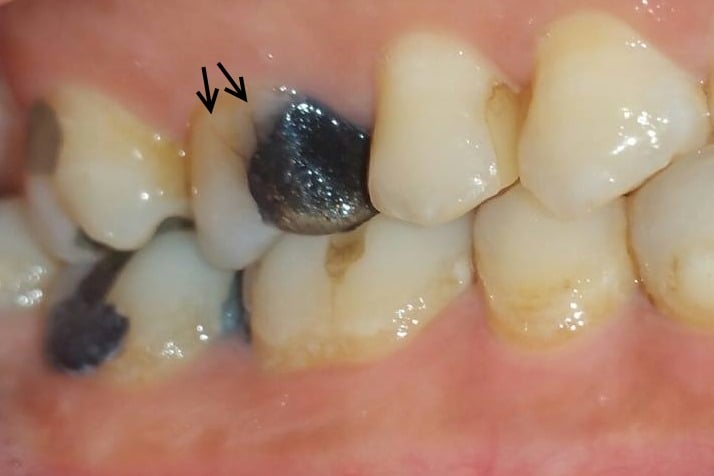
Cracked tooth syndrome refers to an incomplete fracture of a vital posterior tooth. Unlike a cleanly broken cusp or a visible crack, these fractures are often microscopic — invisible to the naked eye and sometimes even to X-rays. The crack may extend into the dentin or down toward the pulp, causing symptoms that range from mild to severe.
Common Symptoms
The hallmark symptom of cracked tooth syndrome is a sharp, fleeting pain triggered by chewing — particularly when biting down on something hard and then releasing pressure. Other symptoms include sensitivity to temperature (especially cold), pain that is difficult to localize, and discomfort when eating certain foods on one side of the mouth.
Why It Is So Hard to Diagnose
Cracks do not always appear on X-rays. They may not be visible during a routine dental examination. The pain is often inconsistent — present on some bites and absent on others — which can lead patients and clinicians on a prolonged diagnostic journey.
At Anodyne, we use trans-illumination (shining a focused light through the tooth), dye staining, bite testing, and 3D CBCT imaging to identify the location and extent of cracks with precision.
Treatment Options
Treatment depends on the location and severity of the crack. If the crack has reached the pulp and caused infection or irreversible inflammation, root canal therapy is necessary to save the tooth. Following root canal treatment, a full-coverage crown is typically placed to hold the tooth together and prevent the crack from propagating further.
If the crack extends below the gumline into the root, the prognosis worsens significantly — which is why early diagnosis and intervention are critical.
Prevention
Cracks are often caused by grinding or clenching (bruxism), biting on hard foods, large existing fillings that weaken tooth structure, or prior dental trauma. Wearing a custom nightguard can significantly reduce cracking risk for patients who grind their teeth.
Seek Evaluation Early
If you suspect a cracked tooth, do not wait. Contact Anodyne Endodontics in Bloomingdale, IL at (659) 266-3963. Early treatment preserves more of the natural tooth and improves long-term outcomes.