Endodontic Retreatment: When Your Previous Root Canal Needs Attention
Root canal therapy has a success rate exceeding 90% when performed with precision and followed by proper restoration. But even successful cases can occasionally require retreatment — and recognizing when this is necessary can mean the difference between saving and losing a tooth.
Why Does a Root Canal Sometimes Fail?
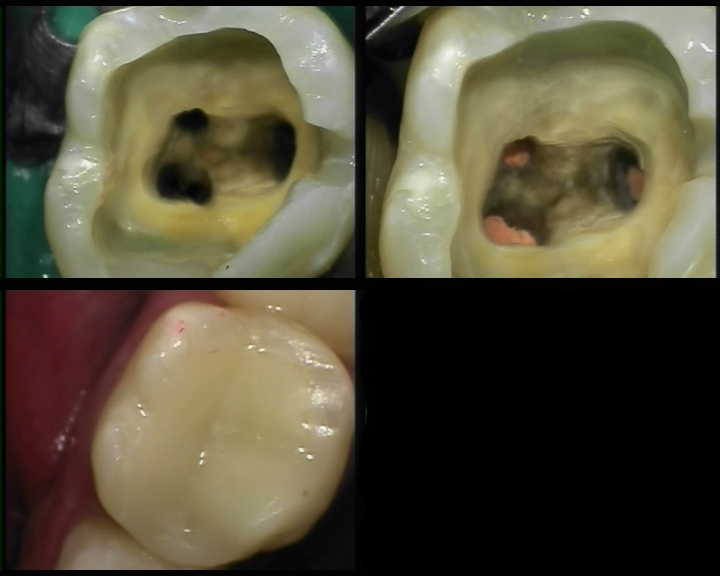
Several circumstances can lead to failure: missed or untreated canals due to complex anatomy, inadequate seal if the final restoration was delayed or failed, new decay that re-introduces bacteria, or calcified canals that were difficult to navigate with the original technique.
Symptoms That May Indicate Retreatment
Pain or tenderness in a previously treated tooth, swelling or a returning bump on the gum, sensitivity to biting in a previously treated area, or a tooth that has not fully healed on follow-up X-rays are all signs you should be evaluated.
What to Expect During Retreatment
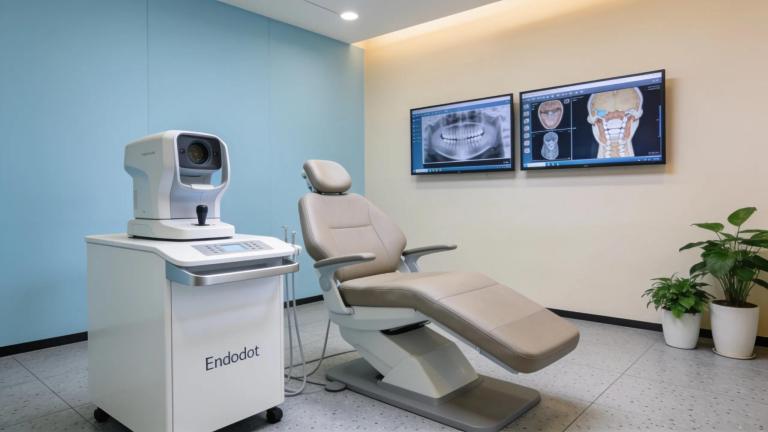
At Anodyne Endodontics, retreatment begins with comprehensive evaluation including 3D CBCT imaging to identify the source of the problem. Dr. Aziz will remove the existing filling material, carefully disassemble the previous root filling, thoroughly clean and shape the canals including any previously missed areas, apply advanced irrigation protocols, re-seal the canals with bioceramic materials, and coordinate final restoration with your general dentist.
When Surgery May Be the Better Option
In cases where retreatment through the tooth is not feasible, endodontic microsurgery (apicoectomy) may be the preferred approach. Dr. Aziz will recommend the option with the highest probability of long-term success for your specific situation.
Contact Anodyne Endodontics at (659) 266-3963 or request an appointment online.