Root Canal vs. Dental Implant: Which Is Right for You?
When a tooth is badly infected or damaged, many patients in Bloomingdale and across DuPage County are told they have two paths: save the tooth with a root canal, or remove it and replace it with a dental implant. At Anodyne Endodontics, our preservation-first philosophy means we always start by asking whether your natural tooth can be saved. This guide explains how root canals and implants compare so you can have an informed conversation with your dentist or endodontist.
Root Canal vs. Dental Implant: Which Should You Choose?
When enough healthy tooth structure remains, a root canal to save your natural tooth is usually the preferred first option, because nothing functions quite like your own tooth. A dental implant is an excellent solution when a tooth truly cannot be saved. The right choice depends on the condition of your specific tooth.
What Does a Root Canal Involve?
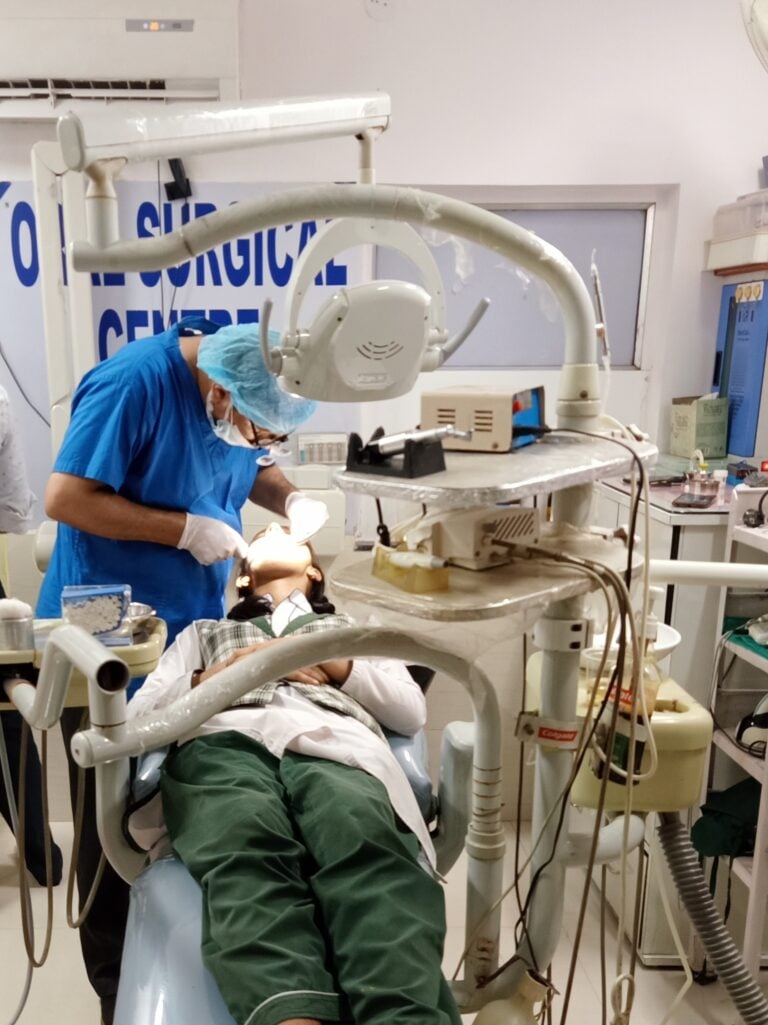
A root canal removes infected or inflamed tissue from inside the tooth, then cleans, disinfects, and seals the inner canals. The tooth is typically restored with a filling and a crown. Because the outer tooth and its roots stay in place, your natural bite, bone, and surrounding tissue are preserved. You can learn more in our overview of what to expect during root canal therapy.
What Does a Dental Implant Involve?
A dental implant replaces a tooth that has been removed. A small titanium post is surgically placed in the jawbone to act as an artificial root, and after the bone heals around it, a crown is attached on top. Implants look and function well, but the process usually spans several months and involves oral surgery and a healing period.
Comparing Cost, Time, and Recovery
A root canal and crown are typically completed in fewer appointments than an implant, which requires extraction, placement, healing, and a final crown over several months. In many situations a root canal also involves lower overall cost, though fees depend on the tooth and your insurance. Because exact pricing varies, we recommend reviewing our general guidance on root canal cost and value and calling our office to confirm specifics for your case.
Why Endodontists Recommend Saving the Natural Tooth First
Your natural tooth has roots that maintain the surrounding bone and a periodontal ligament that helps you sense pressure and bite naturally. These are difficult to fully replicate. That is why, when a tooth can be saved, endodontists generally favor it. Our article on root canal vs. tooth extraction explores this preservation-first reasoning in more detail.
How We Help You Decide in Bloomingdale and DuPage County
Every tooth is different. Using careful examination and advanced 3D CBCT imaging, Dr. Zainab Aziz evaluates whether your tooth has enough sound structure and supporting bone to be saved predictably. If it does, a root canal is usually the conservative first choice. If it does not, we will explain that honestly so you can plan for an implant with your restorative dentist. Our role is to give you accurate information, not pressure.
Frequently Asked Questions
Is a root canal better than a dental implant?
When enough healthy tooth structure remains, saving the natural tooth with a root canal is usually the preferred first option because it preserves your own tooth, bone, and bite. An implant is an excellent solution when a tooth cannot be saved. The best choice depends on your specific tooth, which an endodontist can assess.
Is a root canal cheaper than an implant?
In many cases a root canal and crown cost less than removing the tooth and placing an implant, since an implant involves surgery, a post, and a crown over several months. Exact fees vary by case and insurance, so we recommend calling our Bloomingdale office to confirm specifics.
How long do root canals and implants last?
Both can last many years with good care. A well-treated, well-restored root canal tooth can last decades, and implants have strong long-term success rates. Daily hygiene, regular checkups, and a protective crown all support longevity for either option.
Schedule a Consultation in Bloomingdale, IL
Anodyne Endodontics serves Bloomingdale and the surrounding DuPage County communities with a calm, preservation-first approach to endodontic care. If you have questions about your treatment options, our team is here to help you make a confident, informed decision. Call (659) 266-3963 (659-266-3963) or contact our office to learn more.