Understanding Endodontic Microsurgery
Endodontic microsurgery is a specialized field within endodontics that utilizes a dental operating microscope and advanced surgical techniques to treat complex endodontic problems. This approach allows for enhanced visualization and precision, enabling endodontists to perform intricate procedures with greater accuracy and less invasiveness than traditional methods.
Common procedures under endodontic microsurgery include apicoectomy (root-end resection), retrograde filling, and the management of root perforations. The use of magnification and specialized instruments facilitates the removal of infected tissue, sealing of root canals, and repair of damaged root surfaces, ultimately aiming to save teeth that might otherwise require extraction.
The Role of 3D CBCT Imaging in Endodontics
3D CBCT (Cone Beam Computed Tomography) imaging has revolutionized endodontic diagnosis and treatment planning by providing detailed, three-dimensional views of dental anatomy. Unlike traditional 2D X-rays, CBCT scans offer a comprehensive understanding of complex root structures, bone density, and the extent of infections, which is crucial for accurate diagnosis and effective treatment.
This advanced imaging technology allows endodontists at Anodyne Endodontics to identify previously undetectable issues such as missed canals, root fractures, or periapical lesions. The precise anatomical information derived from CBCT scans significantly improves the success rates of procedures like root canal retreatment and microsurgery, ensuring optimal patient outcomes.
What is Endodontic Retreatment?
Endodontic retreatment is a procedure performed when a previously treated tooth fails to heal or develops new problems. This can occur if the initial root canal treatment was incomplete, if new decay led to recontamination, or if a root fracture occurred. Retreatment involves carefully removing the old filling material from the root canal and re-cleaning, shaping, and sealing the canals to address the persistent infection or pathology.
The goal of endodontic retreatment is to save the natural tooth and eliminate pain and infection, thereby avoiding the need for extraction and subsequent tooth replacement. Anodyne Endodontics employs specialized techniques and advanced technology to meticulously manage these complex cases, offering a viable alternative to more invasive procedures.
Cracked Tooth Repair: Saving Your Natural Smile
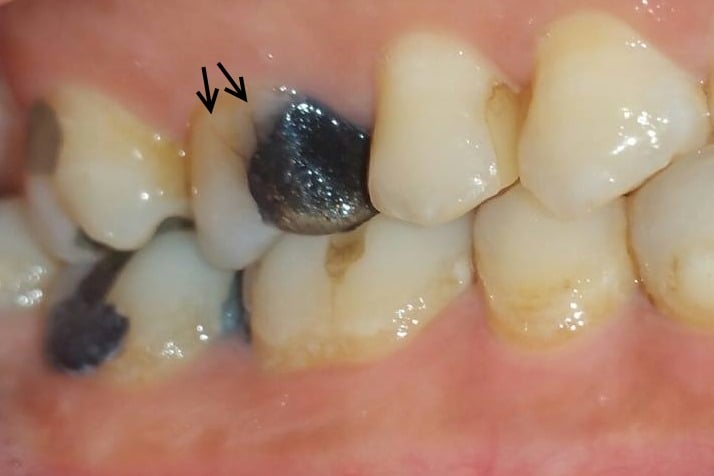
A cracked tooth can present a range of symptoms, from intermittent sharp pain to sensitivity to temperature changes, and can often be difficult to diagnose. The cracks can vary in severity, from minor surface chips to deep fractures that extend into the tooth's root. Prompt diagnosis and treatment are essential to prevent further damage, infection, and potential tooth loss.
Anodyne Endodontics specializes in diagnosing and treating cracked teeth, utilizing advanced imaging and conservative techniques to repair the damage. Depending on the type and extent of the crack, treatment may involve bonding, crowns, or, in cases where the pulp is involved, root canal therapy followed by a protective restoration to preserve the tooth's function and aesthetics.