Understanding Endodontic Emergencies
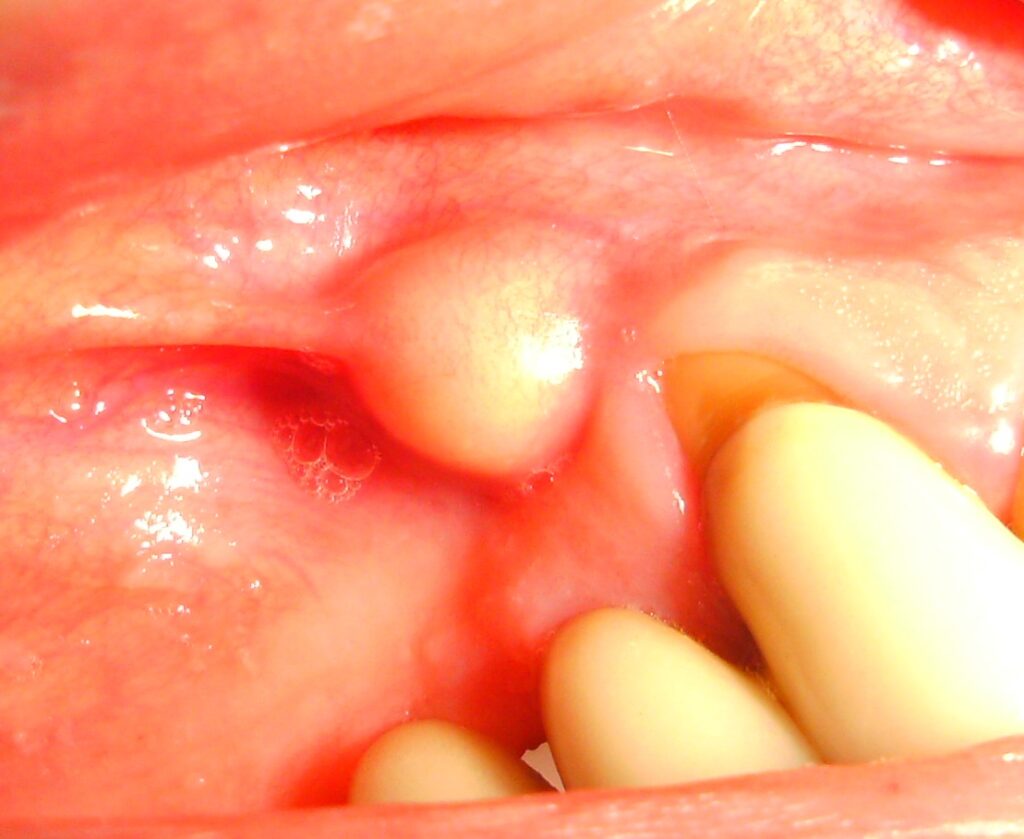
Endodontic emergencies encompass situations requiring immediate attention to alleviate severe pain, prevent further damage, and save a tooth. These often involve acute infections, significant trauma, or sudden, unbearable toothaches that cannot wait for a routine appointment.
Common endodontic emergencies include tooth abscesses, avulsed (knocked-out) teeth, fractured teeth, and severe pulpitis. Prompt diagnosis and treatment by an endodontist are crucial to manage pain, control infection, and preserve the tooth's viability.
What Constitutes a Dental Emergency?
A dental emergency is any oral health issue that requires immediate professional care to prevent significant pain, infection, or tooth loss. While minor discomfort might be managed at home, severe symptoms like uncontrolled bleeding, swelling that affects breathing, or a knocked-out tooth necessitate urgent intervention.
Key indicators of a dental emergency include sudden and intense tooth pain, facial swelling, a broken or loose tooth, bleeding from the mouth that won't stop, and pain associated with dental work that has failed. Recognizing these signs can help patients seek the right care quickly.
The Role of Endodontists in Dental Emergencies
Endodontists are dental specialists highly trained in diagnosing and treating conditions affecting the dental pulp and surrounding tissues. In emergency situations, their expertise is invaluable for managing complex issues like severe infections and traumatic dental injuries.
Endodontists utilize advanced diagnostic tools and techniques, such as 3D CBCT imaging, to accurately assess the extent of damage or infection. Their specialized skills in procedures like root canal therapy are critical for saving teeth that might otherwise need extraction.
First Aid for Dental Trauma
In the event of dental trauma, such as a knocked-out or fractured tooth, immediate first aid can significantly improve the chances of saving the tooth. Acting quickly to address the injury is paramount before seeking professional dental care.
For a knocked-out tooth, retrieve the tooth, handle it only by the crown (avoiding the root), and attempt to gently reinsert it into its socket. If this is not possible, store the tooth in milk or saliva and contact an endodontist immediately. For a fractured tooth, rinse the mouth with warm water, apply a cold compress to reduce swelling, and collect any tooth fragments if possible.