Untreated Tooth Infection in Bloomingdale, IL | Anodyne Endodontics
If you have a throbbing, infected tooth, the most important thing to know is that the problem will not resolve on its own. At Anodyne Endodontics in Bloomingdale, IL, Dr. Zainab Aziz cares for patients across DuPage County who have postponed treatment for an aching or abscessed tooth, often hoping the discomfort will simply fade. A tooth infection is a bacterial process inside the tooth, and bacteria do not retreat without treatment. Understanding what happens when an infection is left alone can help you make a calm, informed decision before a manageable problem becomes a painful one.
What happens if you don’t treat an infected tooth?
An untreated tooth infection tends to spread. Bacteria move from the inner pulp toward the root tip, forming an abscess in the surrounding bone. Over time this can damage bone, threaten neighboring teeth, and in uncommon cases spread to other parts of the body. The infection rarely heals on its own and usually worsens until the source is treated.
How a tooth infection progresses over time
Infection begins when bacteria reach the pulp, the soft tissue holding the nerves and blood vessels inside your tooth. This is often the result of deep decay, a crack, or trauma. As the pulp becomes inflamed and then dies, bacteria multiply and travel down the canal toward the root. Eventually pus collects at the tip of the root, creating an abscess. What may start as occasional sensitivity can become a constant ache, then swelling, then a dental emergency. The earlier the infection is addressed, the more straightforward the treatment tends to be.
Warning signs the infection is getting worse
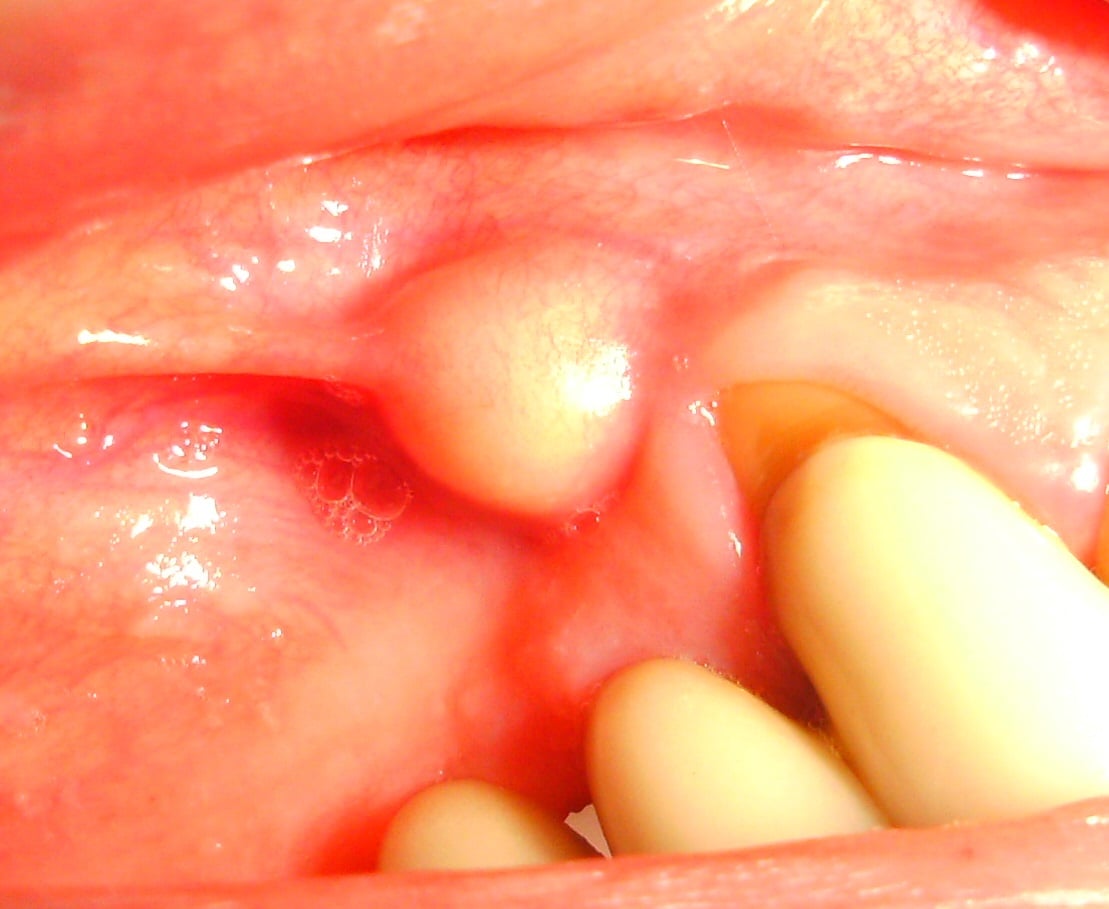
Pay attention to changes in your symptoms. Persistent or throbbing pain, lingering sensitivity to hot and cold, pain when biting, a pimple-like bump on the gum, a foul taste, facial or gum swelling, and tender lymph nodes are all signals that an infection is active and progressing. A tooth that suddenly stops hurting is not necessarily good news, as it can mean the nerve has died while the infection continues silently beneath the surface.
Can a tooth infection become a medical emergency?
Yes. While most infections stay localized, a dental infection can occasionally spread into the jaw, sinus, or soft tissues of the face and neck. Warning signs that warrant urgent medical attention include significant facial swelling, difficulty breathing or swallowing, high fever, and rapidly worsening pain. If you experience these, seek emergency care promptly rather than waiting for a routine appointment.
How an endodontist treats an infected tooth
In most cases, an infected tooth can be saved. Root canal therapy removes the infected tissue from inside the tooth, disinfects the canal system, and seals it to prevent reinfection, preserving your natural tooth. When a previous root canal has not healed, endodontic retreatment or microsurgery may be recommended. Anodyne takes a preservation-first, biological approach, using microscopic precision, ultra-low-dose 3D imaging, and biocompatible materials to treat the infection gently while protecting the surrounding tissue. If you notice early abscess warning signs, calling sooner rather than later almost always means a simpler visit.
Frequently Asked Questions
Will a tooth infection go away with antibiotics alone?
Antibiotics can temporarily reduce swelling and pain, but they cannot reach the dead tissue inside the tooth where the infection lives. The source must be physically removed through root canal treatment or extraction. Antibiotics are a supporting measure, not a cure.
How long can a tooth infection go untreated?
There is no safe window. Some infections smolder quietly for weeks or months while bone damage continues, while others flare quickly into severe pain and swelling. Because the timeline is unpredictable, it is best to have any suspected infection evaluated promptly.
Is it too late to save my tooth if it’s been infected for a while?
Often it is not too late. Many teeth that have been infected for some time can still be saved with root canal therapy or retreatment. A 3D scan and exam are the only reliable way to know, so an evaluation is worthwhile before assuming extraction is necessary.
Schedule a Consultation in Bloomingdale, IL
If you suspect a tooth infection, don’t wait for it to worsen. Anodyne Endodontics serves Bloomingdale and the surrounding DuPage County communities with calm, precise, preservation-focused care. Call (659) 266-3963 (659-266-3963) or visit our contact page to schedule your evaluation and protect your natural smile.