
Endodontic Retreatment in Bloomingdale, IL
Endodontic Treatment
At Anodyne Endodontics, we practice minimally invasive preservation.
Endodontic Treatment Bloomingdale, IL
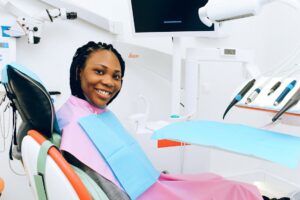
Beyond clinical excellence, a premier endodontic experience prioritizes your physical and emotional comfort from the moment you walk through the door. Patients across Bloomingdale and the surrounding DuPage County area deserve a serene, stress-free environment where procedures are performed with gentle expertise and highly effective local anesthesia. By choosing a dedicated endodontic specialist, you are investing in a compassionate approach to dental care that ensures your treatment is efficient, virtually painless, and focused entirely on seamlessly restoring your oral health.
When faced with severe tooth pain or infection, seeking specialized endodontic treatment in Bloomingdale, IL, is the most effective way to relieve discomfort and save your natural smile. While many people associate root canals with anxiety, modern endodontics is actually designed to eliminate pain, not cause it. By carefully removing infected tissue from inside the tooth and thoroughly sealing the root canals, an endodontist can preserve your natural tooth structure, preventing the need for extraction and more complex dental implants down the road.
The standard of care in modern endodontics relies heavily on advanced micro-dentistry and 3D imaging technology. In a dedicated Bloomingdale endodontic practice, treatments are routinely performed using high-powered surgical microscopes and Cone Beam Computed Tomography (CBCT). This state-of-the-art equipment allows specialists to visualize and navigate the complex, microscopic anatomy of your tooth roots with absolute precision. For the patient, this translates to highly conservative treatment, thoroughly disinfected canals, and a significantly higher success rate for long-term healing.
Frequently Asked Questions
Can a root canal be redone?
Why does my root canal tooth still hurt?
What is the success rate of root canal retreatment?
Is retreatment better than extracting the tooth?
Does retreatment hurt more than the first root canal?
Still have a question? Our team is happy to help.
Schedule a Consultation