Root Canal vs. Tooth Extraction: What Bloomingdale, IL Patients Need to Know
Root Canal vs. Tooth Extraction: What Bloomingdale, IL Patients Need to Know
When a tooth becomes severely infected or damaged, many patients in Bloomingdale, Carol Stream, and Wheaton find themselves facing a difficult choice: save the tooth with a root canal, or have it extracted? It is one of the most common questions our team at Anodyne Endodontics hears — and the answer matters far more than most people realize.
This guide will walk you through the real differences between these two treatment paths, what the research says about long-term outcomes, and how to think about this decision with calm, clear information rather than anxiety or pressure. At Anodyne, our goal is always to help you make the choice that serves your long-term oral health best — and in the vast majority of cases, that means preserving the tooth you were born with.
Understanding the Two Options
What Is a Root Canal?
A root canal — formally called root canal therapy or endodontic treatment — is a procedure that removes infected or damaged tissue from inside the tooth, cleans and shapes the root canals, and seals the space to prevent reinfection. The outer structure of the tooth, including the crown and root, remains completely intact.
Contrary to decades of cultural myth, a modern root canal performed by a specialist is not a painful procedure. With today’s anesthesia, precision instruments, and techniques developed specifically for endodontics, most patients at our Bloomingdale office report their experience was far more comfortable than they anticipated.
After root canal therapy, a crown is typically placed over the tooth to protect the remaining structure and restore full function. With proper care, that tooth can last a lifetime.
What Is a Tooth Extraction?
Extraction is the surgical or simple removal of the entire tooth from the socket. It eliminates the infected tooth and, with it, the immediate source of pain or infection.
What extraction does not do is replace the tooth or address the consequences of the gap it leaves. If you have a tooth removed and do not replace it with a dental implant, bridge, or partial denture, you are likely to experience a cascade of secondary problems over time — bone loss, shifting of adjacent teeth, changes to your bite, and effects on chewing and speech.
The Case for Saving Your Natural Tooth
Dental and medical research consistently supports one principle: nothing replaces your natural tooth as well as your natural tooth. Here is why that matters for patients across DuPage County considering these two options.
Root and Bone Preservation
Your tooth root does more than anchor the tooth in place — it continuously stimulates the surrounding jawbone through the forces of chewing and biting. When that root is removed, the bone beneath it begins to resorb (break down). This process begins within months of extraction and continues gradually over years, changing the shape of your jaw and face over time.
A root canal preserves the entire root structure. The jawbone continues to receive the stimulation it needs, and none of this deterioration occurs.
Function and Feel
A natural tooth — even one that has undergone root canal therapy and crown placement — transmits sensation and bite force in a way that no prosthetic can perfectly replicate. Patients who keep their natural teeth consistently report better chewing efficiency, more natural bite sensation, and greater comfort compared to those who have opted for extractions and replacements.
Cost Over Time
It is worth being straightforward about the economics here, even though we never want cost to drive a clinical decision. Extraction may appear less expensive at first glance. But when you factor in the cost of the replacement option — a dental implant plus crown, a bridge, or even a partial denture — and the ongoing maintenance those replacements require, the total lifetime cost of extraction almost always exceeds the cost of a root canal and crown. And if the missing tooth is not replaced, the downstream costs of treating bone loss, shifting teeth, and bite problems can be significant.
No Procedure to Replace
Choosing extraction starts a second treatment journey. A dental implant — generally considered the gold standard replacement — requires oral surgery, a healing period of several months (sometimes requiring bone grafting first), and then the implant crown itself. That is multiple procedures spread over many months. Root canal therapy, by contrast, typically requires two appointments: the endodontic treatment itself and then a crown from your restorative dentist.
When Extraction May Be the Right Choice
An honest conversation about root canal vs. extraction has to acknowledge that extraction is sometimes the appropriate answer. At Anodyne Endodontics, we will never recommend a root canal that is not clinically supported. Situations where extraction may be the better path include:
- Severe structural damage: If a tooth is fractured below the gumline in a way that cannot support a crown, it may not be restorable regardless of endodontic treatment.
- Advanced periodontal disease: When the bone and gum tissue supporting the tooth are severely compromised, the tooth may not have enough structural support to remain stable long-term.
- Vertical root fractures: Cracks running vertically along the root are not amenable to root canal treatment and typically require extraction.
- Patient health considerations: In some specific medical circumstances, extraction may be clinically indicated over endodontic treatment.
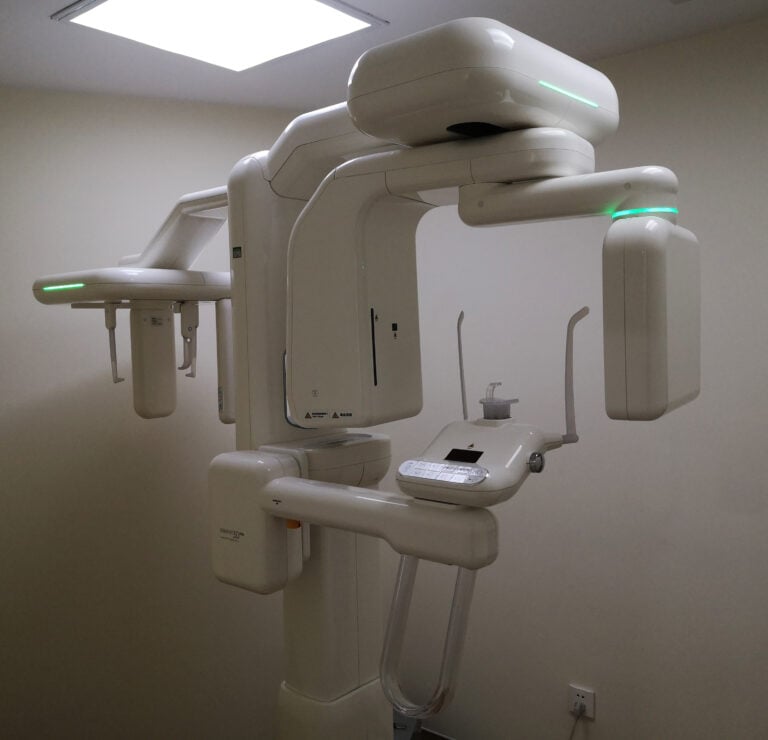
Dr. Zainab Aziz will give you an honest, thorough assessment — including 3D CBCT imaging when appropriate — so you understand exactly what is happening with your tooth and what your genuine options are. We do not recommend root canal therapy on teeth that cannot benefit from it.
Common Questions from Bloomingdale and Glen Ellyn Patients
“Is it worth saving a tooth with a root canal if I’ll need a crown anyway?”
Yes, in virtually all cases. The crown protects the treated tooth and restores full function — it is a routine part of the process, not an unexpected complication. The alternative, extraction followed by implant and crown, involves more procedures, more healing time, and in most cases greater total expense, while delivering an outcome that does not match a preserved natural tooth.
“I heard root canals fail. What happens then?”
Root canal therapy performed by a specialist has very high success rates. When a root canal does eventually fail — which can happen years or even decades later — the tooth can often be saved again through a procedure called endodontic retreatment, where the original treatment is redone with updated techniques. Microsurgical options like apicoectomy are also available in some cases. Extraction is not the inevitable next step after a root canal, and it remains a last resort even when retreatment is needed.
“Will a root canal hurt more than an extraction?”
Neither procedure should hurt during treatment when properly anesthetized. Post-procedure discomfort after a root canal is typically mild and resolves within a few days with over-the-counter pain relief. Extraction — particularly surgical extraction — often involves a longer and more involved recovery, especially when bone grafting is planned in anticipation of an implant.
“What if I just leave the tooth alone?”
This is not a safe option. An infected tooth does not resolve on its own. Without treatment, the infection will spread to surrounding bone, adjacent teeth, and potentially to other areas of the body. Dental infections, when left untreated, can become serious medical emergencies. Whether the answer is a root canal or extraction, treatment is necessary.
Why Specialist Care Makes a Difference
Endodontists like Dr. Zainab Aziz complete an additional two to three years of advanced training beyond dental school, focused entirely on diagnosing and treating conditions affecting the dental pulp and surrounding tissues. This specialized training, combined with access to equipment like dental operating microscopes and 3D CBCT imaging, means that an endodontist can often save teeth that a general dentist might determine are not treatable.
Many patients referred to Anodyne Endodontics from Glendale Heights, Addison, Roselle, and surrounding communities come to us after being told a tooth may need to be pulled. After a thorough examination, we are often able to offer a path to saving that tooth. Not always — but more often than patients expect.
What to Expect at Anodyne Endodontics
When you come to our Bloomingdale office for a consultation, Dr. Aziz will begin with a comprehensive examination that may include digital X-rays and, when indicated, 3D cone beam computed tomography (CBCT) imaging. This gives us an exceptionally detailed view of the tooth, its root structure, surrounding bone, and any signs of infection that two-dimensional imaging might miss.
After that assessment, we will explain exactly what we found, walk you through your options clearly, and give you our honest clinical recommendation. We believe you deserve complete information — not a sales pitch for any particular treatment. If we believe root canal therapy can save your tooth and give you a durable long-term outcome, we will tell you that and explain why. If we find that extraction is the more appropriate choice, we will tell you that too and help coordinate care with your general dentist.
Every patient is treated according to the C.A.R.E. standard we hold ourselves to: Compassion, Accuracy, Reliability, and Education. You will leave your appointment understanding what is happening, what your options are, and what the expected outcomes look like for each path.
How to Get Started
If you are weighing root canal vs. extraction for a damaged or infected tooth — or if you have been referred to an endodontist by your dentist in Bloomingdale, Carol Stream, Wheaton, or anywhere in DuPage County — we welcome you to contact Anodyne Endodontics for a consultation. Dentists can also refer patients directly through our online referral form.
We understand this feels like a big decision. Our job is to make it a clear one.
Anodyne Endodontics
290 Springfield Drive, Suite 220
Bloomingdale, IL 60108
Phone: (659) 266-3963
Calm. Precise. Preserve.