Cracked Tooth Syndrome in Bloomingdale, IL | Anodyne Endodontics
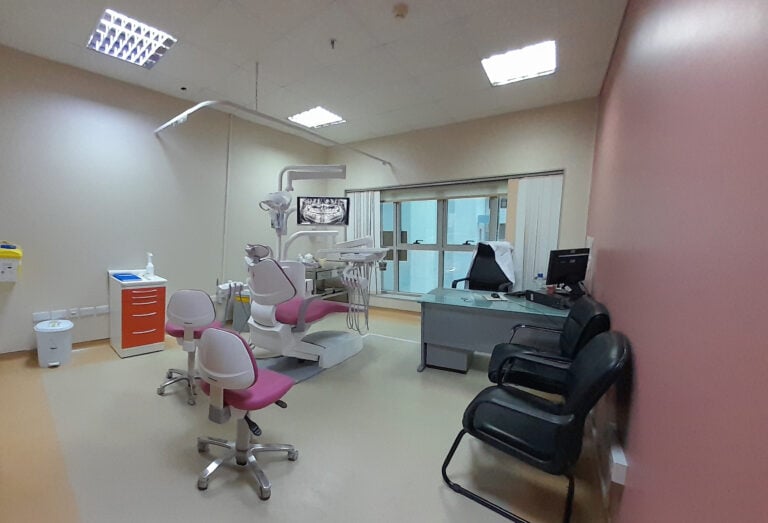
If you notice sharp, fleeting pain when you bite down — but can’t pinpoint exactly which tooth hurts — you may be dealing with cracked tooth syndrome. At Anodyne Endodontics in Bloomingdale, IL, Dr. Zainab Aziz uses advanced microscopic and 3D imaging technology to diagnose and treat cracked teeth before the damage becomes irreversible. We serve patients throughout DuPage County, including Glendale Heights, Addison, Roselle, and the surrounding communities.
What Is Cracked Tooth Syndrome?
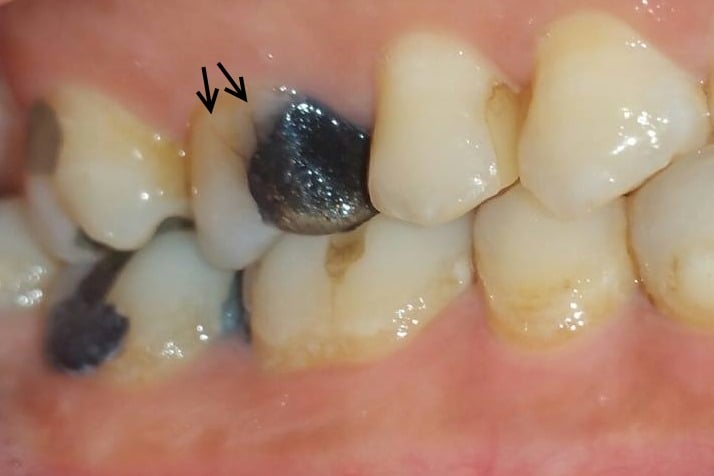
Cracked tooth syndrome is a condition in which a crack in a tooth causes pain that is difficult to reproduce consistently or localize to one tooth. Unlike a broken cusp that can be seen visually, many cracks are invisible to standard X-rays and the naked eye, making diagnosis a true clinical challenge. The crack may run vertically through the crown, partially into the root, or in some cases all the way through the tooth.
Common symptoms include:
- Sharp, momentary pain when biting or chewing — especially when releasing pressure
- Sensitivity to cold or sweet foods that lingers briefly
- Discomfort that seems to move around or vary day to day
- No visible damage on X-ray despite significant symptoms
What Causes a Tooth to Crack?
Teeth crack for many reasons, some of which accumulate gradually over years. The most common causes include grinding or clenching (bruxism), large existing dental restorations that weaken the tooth structure, biting on hard foods like ice or hard candies, and prior trauma. Teeth that have had root canals become more brittle without a protective crown, making them especially vulnerable. Age also plays a role — teeth that have gone through decades of chewing stress are statistically more prone to cracking.
How Is Cracked Tooth Syndrome Diagnosed?
Accurate diagnosis is the most important step — and the most challenging. At Anodyne Endodontics, Dr. Aziz uses a combination of diagnostic tools that go well beyond a standard dental exam. These include a biting test with a special bite stick to isolate individual cusps, transillumination (a bright light that reveals crack lines in the enamel), and when needed, our cone-beam CT (CBCT) 3D imaging to visualize the full extent of the crack and assess whether the pulp or root has been affected. This level of detail is simply not possible with traditional dental X-rays alone.
When Does a Cracked Tooth Need a Root Canal?
A cracked tooth needs a root canal when the crack has extended deep enough to irritate or infect the dental pulp — the nerve-rich tissue inside the tooth. Signs that the pulp is involved include spontaneous pain (pain without a trigger), prolonged sensitivity to temperature, or visible swelling near the tooth. If the crack has reached the pulp but has not split the root, a root canal can remove the damaged pulp tissue, relieve pain, and allow the tooth to be saved with a crown. Early intervention dramatically improves the prognosis.
Can a Cracked Tooth Always Be Saved?
Not always — but most cracked teeth can be preserved when caught early. The prognosis depends on the direction and depth of the crack. A crack that runs only through the crown and stops above the gumline is typically treatable with a root canal and full-coverage crown. A crack that extends below the gumline or splits the root vertically usually means the tooth cannot be saved. This is why prompt evaluation matters: a tooth that is symptomatic today but still salvageable can become unsalvageable if left untreated for months. Preserving your natural tooth is always our first goal — learn more about why saving your natural tooth matters.
Frequently Asked Questions About Cracked Tooth Syndrome
Will a cracked tooth always hurt?
Not necessarily. Some cracks cause significant pain, while others remain silent until the crack deepens and reaches the pulp or root. Routine dental exams with magnification can sometimes detect early cracks before they become symptomatic, which is one reason regular checkups are important.
Is cracked tooth syndrome the same as a broken tooth?
No. A broken cusp or fractured tooth is visible and easier to diagnose. Cracked tooth syndrome refers specifically to hairline or incomplete cracks that don’t show on standard X-rays but still cause pain — making them much harder to identify without specialized diagnostic tools.
How long does cracked tooth treatment take?
If a root canal is needed, the endodontic treatment itself typically takes one to two appointments at our Bloomingdale office, each lasting about 60–90 minutes. Your general dentist will then place a permanent crown to protect the tooth. Most patients return to normal activity the same day or the next morning.
Schedule a Consultation in Bloomingdale, IL
If you’re experiencing unexplained tooth pain, sensitivity, or discomfort when biting, don’t wait. Cracked tooth syndrome caught early gives you the best chance of saving your tooth. Anodyne Endodontics proudly serves Bloomingdale and all of DuPage County — including Glendale Heights, Addison, Roselle, Itasca, Carol Stream, and Wheaton. Call us at (659) 266-3963 (659-266-3963) or request an appointment online.