Comprehensive Guide to Dental Assisting: Certification, Roles, and Emergency Services

Comprehensive Guide to Dental Assisting: Certification, Roles, and Emergency Services
By Zainab Aziz, Anodyne Endodontics
Dental assistants are essential to dental care, performing clinical and administrative tasks that keep practices running and patients comfortable. This guide explains what dental assistants do, the certifications commonly required, and the emergency duties they may handle. We cover certification pathways, everyday responsibilities, emergency protocols, and career-development options aimed at professionals and newcomers in 2026.
Key Takeaways
- National credentials like the Certified Dental Assistant (CDA) validate skills and help advance careers.
- Local training programs blend classroom learning and clinical practice; costs and duration vary by school.
- Specialized certifications let assistants take on advanced duties and increase job prospects in specialties.
- Dental assistants handle both clinical and administrative duties to boost practice efficiency and patient care.
- In root canal procedures, assistants keep the operatory sterile, manage instruments, and support the dentist for smoother treatment.
- Assistants coordinate referrals by handling scheduling, insurance checks, and required documentation between providers.
- Emergency dental assistants combine technical competence with calm, clear communication during urgent care.
- Continuing education and specialty training open paths for skill growth and career advancement.
- Strong demand and regional salary differences shape career choices for dental assistants.
Certification Requirements:
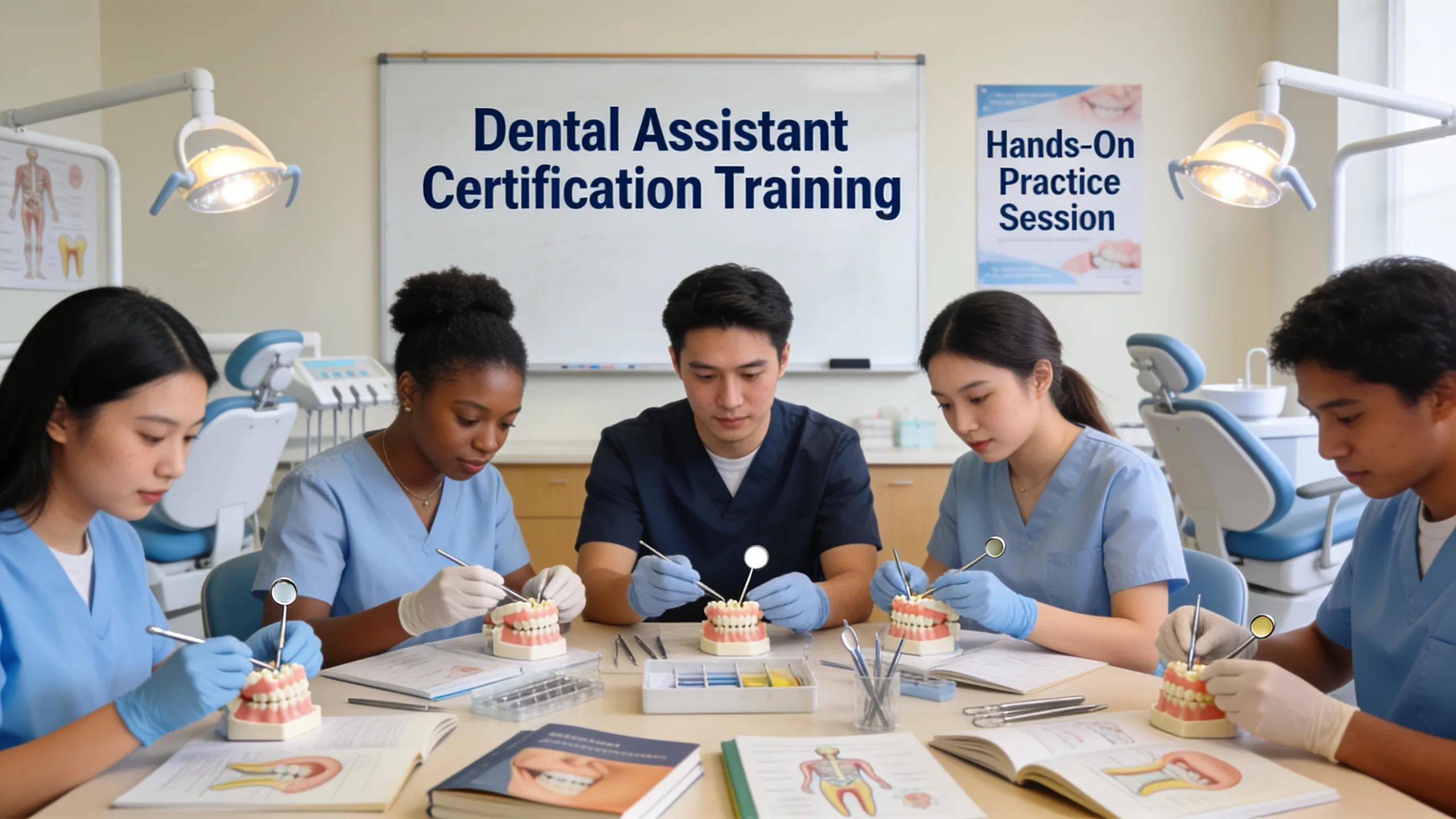
Certification demonstrates competence and improves employability. In the U.S., state rules vary, but many employers expect a recognized credential. The Certified Dental Assistant (CDA), awarded after passing the Dental Assisting National Board (DANB) exam, is widely accepted. Some states also recognize expanded-function certifications that authorize additional duties under state law.
Which Dental Assistant Training Programs Are Most Accessible Near Me?
Community colleges and vocational schools often offer the most accessible training, combining classroom lessons with supervised clinical time. Program costs typically range from $5,000 to $20,000 and can take anywhere from a few months to two years. Look for programs with flexible schedules or hybrid options if you need to balance work and study.
How Do Certification Types Impact Dental Assistant Career Paths?
Your certification affects the tasks you can perform and your earning potential. A general CDA opens many entry-level opportunities, while specialized or expanded-function credentials allow assistants to take on duties like radiography or sealant application. These additional skills make you more competitive—especially in specialty practices such as endodontics.
Key Roles and Responsibilities:
Dental assistants keep offices running smoothly. Clinically, they prepare patients, assist during procedures, and manage instruments and infection control. Administratively, they maintain records, schedule appointments, and facilitate communication between patients and clinicians.
How Do Dental Assistants Support Root Canal Procedures?
During root canal treatments, assistants ensure the operatory stays sterile and organized. They prepare and pass instruments, manage suction and irrigation, and help keep patients informed and comfortable throughout the procedure.
What Coordination Activities Do Dental Assistants Perform for Patient Referrals?
Assistants streamline referrals by arranging appointments, verifying insurance, and preparing referral documents. They communicate with specialists to share patient histories and coordinate scheduling so care proceeds without delay.
Emergency Services Related to Dental Practice:
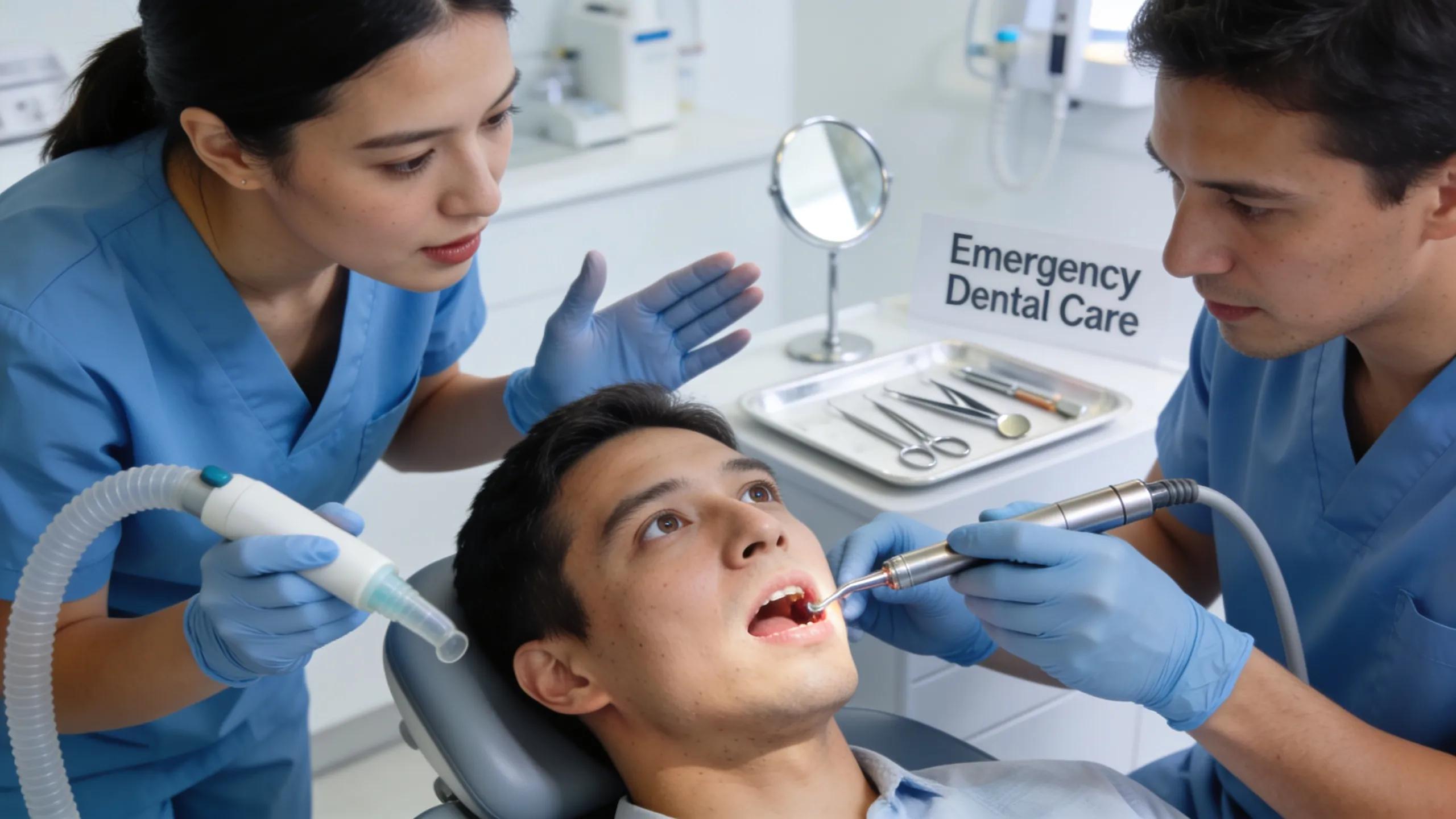
Emergency dental services address urgent problems like severe tooth pain, extractions, or oral injuries. Dental assistants are often the first contact, triaging calls, preparing patients, and supporting the dentist during urgent treatments.
What Is the Workflow for Emergency Same Day Dental Appointments?
Emergency same-day care follows a clear workflow: assistants gather a rapid but thorough intake, prioritize urgent needs, and prep the operatory. During treatment they pass instruments, monitor patient comfort, and brief patients on aftercare before arranging follow-up visits.
Which Skills Do Emergency Dental Assistants Need for Effective Support?
Effective emergency assistants need strong clinical skills, familiarity with emergency protocols, and steady communication under pressure. Technical proficiency, quick decision-making, and a calm bedside manner ensure patients receive efficient and compassionate care.
What Should Patients and Dentists Know About Referral and Scheduling Processes?
Clear referral and scheduling practices keep care transitions smooth. Dental assistants verify billing information, prepare clinical summaries, and ensure referrals include all necessary documentation so patients move promptly from general care to specialist treatment.
How Do Dental Assistants Facilitate Referrals Between General Dentists and Endodontists?
Assistants coordinate referrals by compiling patient records, confirming appointment logistics, and communicating case details to the specialist—reducing delays and improving the continuity of care.
What Steps Are Involved in Scheduling Consultations and Treatments?
Scheduling typically begins with gathering patient and insurance details, then finding mutually available appointment times and explaining any prep steps the patient must take. Clear instructions and confirmation reduce missed appointments and billing surprises.
What Career Growth and Continuing Education Opportunities Exist for Dental Assistants?
Career advancement often stems from ongoing education and certification. Assistants can move into higher-paying roles or specialties by earning additional credentials, attending workshops, or completing further training.
Which Continuing Education Programs Improve Dental Assistant Expertise?
Continuing education ranges from short online courses to semester-long classes covering topics like anesthesia, digital imaging, and patient management. These programs sharpen clinical skills and expand the services an assistant can provide.
How Do Salary Ranges and Job Outlooks Influence Career Decisions?
Salaries vary by region, experience, and specialization—commonly between $37,000 and $56,000 annually. Strong demand for qualified assistants in many areas makes the field an attractive option for those seeking stable, in-demand work.
This table summarizes common certification options to help prospective dental assistants understand requirements and likely roles tied to each credential.
Choosing the right training and certifications is a key step toward a successful dental-assisting career. As practices evolve, assistants who prioritize ongoing learning and adaptability will find more opportunities and greater responsibility in their work.
Frequently Asked Questions
What are the common challenges faced by dental assistants?
Common challenges include managing heavy patient volumes, keeping team communication clear, and maintaining precise records. Assistants must also stay current with new technologies and procedures, and handle stressful situations—especially in emergencies—while providing reassurance to patients.
How do dental assistants contribute to patient education?
Dental assistants educate patients on post-treatment care, medication instructions, and preventive habits like proper brushing and flossing. They answer questions about procedures and explain how oral health affects overall well-being, helping patients feel informed and confident.
Are there specific certifications for specialized dental assistants?
Yes. Certifications exist for specialties such as orthodontics, radiology, and periodontics. For example, orthodontic assisting credentials can allow assistants to adjust appliances or work more closely with treatment plans, improving both skills and job prospects.
What is the impact of technology on the role of dental assistants?
Technology—like electronic health records, digital imaging, and telehealth—has streamlined many tasks and raised the technical expectations for assistants. Ongoing training helps assistants use these tools effectively and maintain high-quality patient care.
What essential traits do successful dental assistants possess?
Successful assistants combine solid technical skills with strong interpersonal abilities: clear communication, attention to detail, adaptability, compassion, and a reliable work ethic are all vital for delivering consistent, high-quality care.
How can dental assistants advocate for better workplace conditions?
Assistants can advocate by joining professional organizations, networking with peers, and bringing evidence-based suggestions to management. Pursuing continuing education on safety, ergonomics, and patient handling also supports a healthier, more efficient workplace.
Conclusion
Dental assistants play a vital role in patient care and practice efficiency. Certification and ongoing education expand what assistants can do and strengthen their careers. If you’re considering this path, research local programs, pursue relevant credentials, and stay open to specialized training—your skills will remain in demand as dental care evolves.