How to Get a Dentist Called for Emergency and Specialist Care: Scheduling, Referrals, and Appointments

How to Get a Dentist Called for Emergency and Specialist Care: Scheduling, Referrals, and Appointments
By Zainab Aziz, Anodyne Endodontics
Quick access to dental care matters during emergencies and can affect the outcome of many issues. Knowing how to contact a dentist for urgent care or get a specialist referral reduces stress and speeds treatment. This guide explains the steps for scheduling appointments, securing referrals, and handling emergency protocols. You’ll also get practical tips on what to expect during consultations so you can communicate clearly with dental professionals.
We cover key topics: booking routine and urgent appointments, how referrals work, steps to secure same-day care, and which problems count as emergencies. You’ll also find advice for first visits and answers to common questions to help your visits run smoothly.
Key Takeaways
- Scheduling a dental appointment requires direct contact with the office to discuss symptoms and urgency clearly.
- Referrals to specialists like endodontists are initiated by general dentists to ensure specialized care for complex issues.
- Booking a same-day dentist appointment involves immediate calling, symptom description, and appointment confirmation.
- Recognizing dental emergencies includes severe pain, swelling, bleeding, or trauma requiring prompt professional care.
- Self-care such as cold compresses and pain relievers can alleviate discomfort while awaiting emergency dental treatment.
- Verifying insurance coverage and treatment costs before emergency visits helps avoid unexpected financial issues.
- Specialist referrals improve outcomes through expert care, advanced techniques, and focused pain management.
- New patient consultations involve thorough dental history review and tailored treatment planning by the dentist.
- Effective communication with dental offices enhances timely access to emergency and specialist dental services.
Scheduling Appointments

Scheduling an appointment starts with contacting the dental office directly. Calling lets you ask about availability and services right away. When time matters, clear timeframes and prompt contact help the practice prioritise urgent cases.
When you call, describe your symptoms or needs so staff can assess urgency. Letting them know it’s likely urgent helps them offer earlier slots. Many practices provide flexible options, including same-day appointments for pressing problems.
Referral Process
Some issues need a specialist, such as an endodontist, and general dentists usually issue referrals for those cases. Referrals are often handled quickly, sometimes within hours, which matters when symptoms worsen.
Clear communication between the referring dentist and the specialist speeds care. Sharing detailed patient information helps the specialist understand the case and plan treatment, which supports better outcomes and patient-centred care.
Booking a Same-Day Dentist Appointment
When dental pain needs fast attention, knowing the steps to book same-day care reduces anxiety. Follow these practical steps for emergency appointments:
- Call Immediately: Contact the dental office as soon as you recognise you need urgent care. Quick communication is vital for emergencies.
- Provide Necessary Information: Be ready to answer questions regarding your current symptoms and any previous dental history. This information will help dental staff assess the urgency of your need.
- Confirm Your Appointment: Make sure to verify the time and details of your appointment before ending the call. This confirmation will ensure there are no misunderstandings upon arrival.
If you’re in Bloomingdale, IL, call Anodyne Endodontics at (659) 266-3963 (659-266-3963) to schedule an emergency appointment.
How Can I Schedule an Emergency Dental Appointment for Same Day Care?
To schedule same-day emergency care, call the practice as soon as symptoms start. Explain how severe your symptoms are and share relevant history. Many offices, including Anodyne Endodontics, prioritise urgent cases so patients get prompt treatment.
What Steps Are Involved in Booking a Same Day Dentist Appointment?
Booking same-day care usually follows a simple process:
- Contact the office directly and indicate the need for urgent dental services.
- Provide essential details about your dental issue, ensuring clear communication of your symptoms.
- Confirm your appointment by asking about the availability of the dentist.
These steps help you access needed care without delay.
Emergency Care

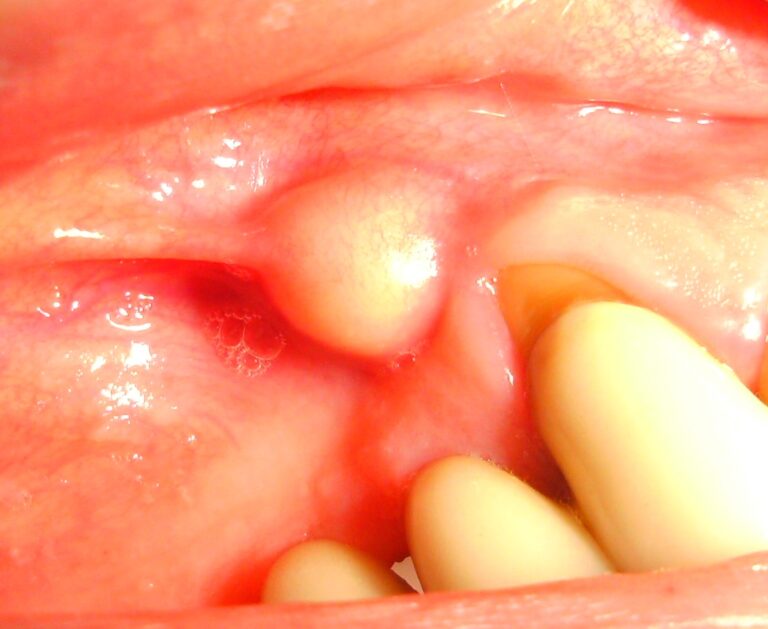
Recognising a dental emergency can save a tooth and reduce pain. Watch for severe tooth pain, swelling, bleeding, or mouth trauma. Spotting these signs early helps you seek care quickly.
While you wait for an appointment, simple self-care can ease discomfort. A cold compress reduces swelling and over-the-counter pain relievers can help manage pain until professional care is available.
Prompt dental treatment also lowers the risk of complications from untreated emergencies. Having a local dentist who knows your history makes it easier to get timely care when problems occur.
Additional Information
Before emergency visits, check your insurance coverage and ask about likely treatment costs. Discussing options and fees with the dental office ahead of time helps avoid unexpected bills and keeps you prepared.
Ask which treatments the practice can provide during emergency appointments. Anodyne Endodontics offers a range of services tailored to urgent dental needs.
What Is the Process for Referring a Patient to an Endodontist?
A referral to an endodontist begins when a general dentist identifies a need for specialist care, such as a root canal. A clear, detailed referral helps the endodontist assess and manage the patient’s condition effectively, especially in complex cases.
How Do General Dentists Submit Patient Referrals Effectively?
To refer patients effectively, general dentists should include comprehensive details like medical history, symptoms, and prior treatments. Complete information speeds evaluation and helps the specialist plan appropriate care.
What Are the Key Benefits of Specialist Referral for Root Canal Treatment?
Referring complex cases to specialists offers several benefits:
- Expertise: Endodontists have specialist training for complex dental problems.
- Advanced Techniques: Specialists use advanced tools and methods for greater precision.
- Reduced Pain: Specialist care often manages pain more effectively thanks to focused experience.
These benefits show why timely referrals matter when urgent dental care is needed.
How Soon Can a Dentist Be Called for Root Canal Treatment Near Me?
For root canal needs, contacting an endodontist directly can lead to a quick appointment. Many practices aim to accommodate urgent cases promptly, often arranging visits the same day when possible.
What Is the Typical Waiting Time for a Root Canal Specialist Consultation?
Waiting times vary by location and availability. Many endodontic practices prioritise urgent cases and may offer consultations within 24 to 48 hours of your call.
How Does Anodyne Endodontics Ensure Timely Patient Access?
Anodyne Endodontics focuses on quick access by prioritising emergency appointments and keeping clear communication with referring dentists. This approach helps ensure timely care when it matters most.
What Should New Patients Expect During Their First Dental Consultation?
New patients can expect an initial consultation that reviews dental history and current issues. The dentist will perform an exam and suggest treatment options tailored to your needs.
How Do I Prepare for a New Patient Consultation with an Endodontist?
Prepare by gathering medical and dental records, listing current medications, and writing down questions about treatment or the process. Having this information ready makes the visit more efficient.
Are There Any New Patient Offers or Benefits Available?
Many practices, including Anodyne Endodontics, may provide special offers for new patients, such as reduced consultation fees or promotional rates. These incentives help new patients feel comfortable with the practice.
How Do I Know if My Dental Issue Requires Immediate Attention?
Immediate attention is usually needed for severe pain, ongoing bleeding, swelling, mouth injury, or any abscess. These signs often mean you should seek emergency care.
What Should I Expect During an Emergency Dental Visit?
Expect a focused assessment, a clear diagnosis, and an explanation of treatment options. The dentist will address immediate needs and outline any necessary follow-up care.
Managing your dental health and knowing how to access emergency services improves your care experience and helps protect your oral health.
Frequently Asked Questions
What Should I Do If I Am Not Sure If My Dental Issue Is an Emergency?
If you’re unsure whether your issue is an emergency, call your dental provider or an emergency dentist. Describe your symptoms in detail so they can assess urgency. Many practices offer phone guidance to help you decide if you need immediate care.
How Can I Find an Emergency Dentist Near Me?
Find an emergency dentist by searching online, checking local directories, or visiting dental practice websites. Reviews on Google or Yelp can help gauge reliability. Asking friends or family for recommendations is also a good option.
Are Emergency Dental Services Always Covered by Insurance?
Coverage for emergency dental services depends on your insurance plan. Check your policy or call your insurer before treatment, as not all emergency procedures are covered. Discuss costs with the dental office to understand potential out-of-pocket expenses.
How Important Is It to Communicate Symptoms When Scheduling an Emergency Appointment?
Communicating symptoms clearly is essential when scheduling emergency care. Detailed information helps staff prioritise your case and prepare the right resources. Describe pain levels and visible signs like swelling or bleeding to speed up appropriate treatment.
What If I Experience Severe Pain After Dental Treatment?
If you have severe pain after treatment, contact your dentist right away. They can tell you if the pain is a normal response or a sign of complications. Reporting pain levels and any other symptoms helps them decide the next steps.
What Can I Do While Waiting for Emergency Dental Care?
While waiting, use a cold compress to reduce swelling and take over-the-counter pain relievers if appropriate. Avoid placing aspirin on gums. Eat soft foods that won’t irritate the area. These steps can help you stay comfortable until treatment.
Conclusion
Getting timely dental care is vital for oral health and for easing pain during emergencies. Knowing how to schedule appointments and secure referrals helps you get the right treatment when you need it. Identify a local practice that prioritises emergency care and clear communication, and reach out when issues arise to protect your dental health.