Dental Card: How to Compare and Apply for the Best Dental Insurance Plans

Dental Card: How to Compare and Apply for the Best Dental Insurance Plans
By Zainab Aziz, Anodyne Endodontics
Dental insurance can feel confusing, but a dental card makes it simpler. A dental card gives you fast access to benefits—sometimes covering specialty care like root canals—and helps providers verify coverage on the spot. This article explains what a dental card is, how to apply, and how to compare plans. You’ll also learn benefits, limits, and practical tips for patients and referring dentists so you can choose affordable, appropriate care.
Key Takeaways
- A dental card serves as proof of insurance and facilitates real-time verification of dental coverage at providers.
- Dental cards simplify access to specialty care like root canals by easing referrals and covering associated costs.
- Applying for dental insurance involves researching plans, preparing documents, submitting applications, and reviewing coverage details.
- Digital platforms enable quick issuance and management of dental cards, enhancing convenience for policyholders.
- Comparing dental insurance plans helps identify the best coverage for specialty and emergency dental procedures.
- Dental cards streamline billing and reduce upfront costs but may exclude cosmetic treatments and out-of-network care.
- Effective use of dental cards requires clear communication between patients and dentists about coverage and preauthorization needs.
- Reliable resources like the ADA and NADP provide updated information on dental insurance policies and benefits.
- Staying informed through newsletters and webinars helps consumers track dental card policy changes and market trends.
What Is a Dental Card and How Does It Work?
A dental card is an ID you show at the dental office to access insurance benefits. It proves your coverage and lets the practice process claims with your insurer. Cards usually list covered services—routine exams, fillings and, where included, specialty care like root canals—so staff can verify eligibility in real time and speed up appointments.
Understanding Dental Insurance Cards and Patient Benefits
Dental cards spell out key benefits such as coverage limits, eligible procedures and copays. They help you know what’s covered before treatment and plan for out-of-pocket costs. Most cards include policy numbers, covered services and contacts for quick verification, which eases the admin work for both patients and dental teams.
How Dental Cards Facilitate Specialty Care like Root Canals
Dental cards make referrals and access to specialists easier when a patient needs a root canal. They help connect general dentists with endodontists and clarify which costs the plan will cover, lowering the financial burden for urgent or complex treatments.
How to Apply for Dental Insurance and Obtain a Dental Card
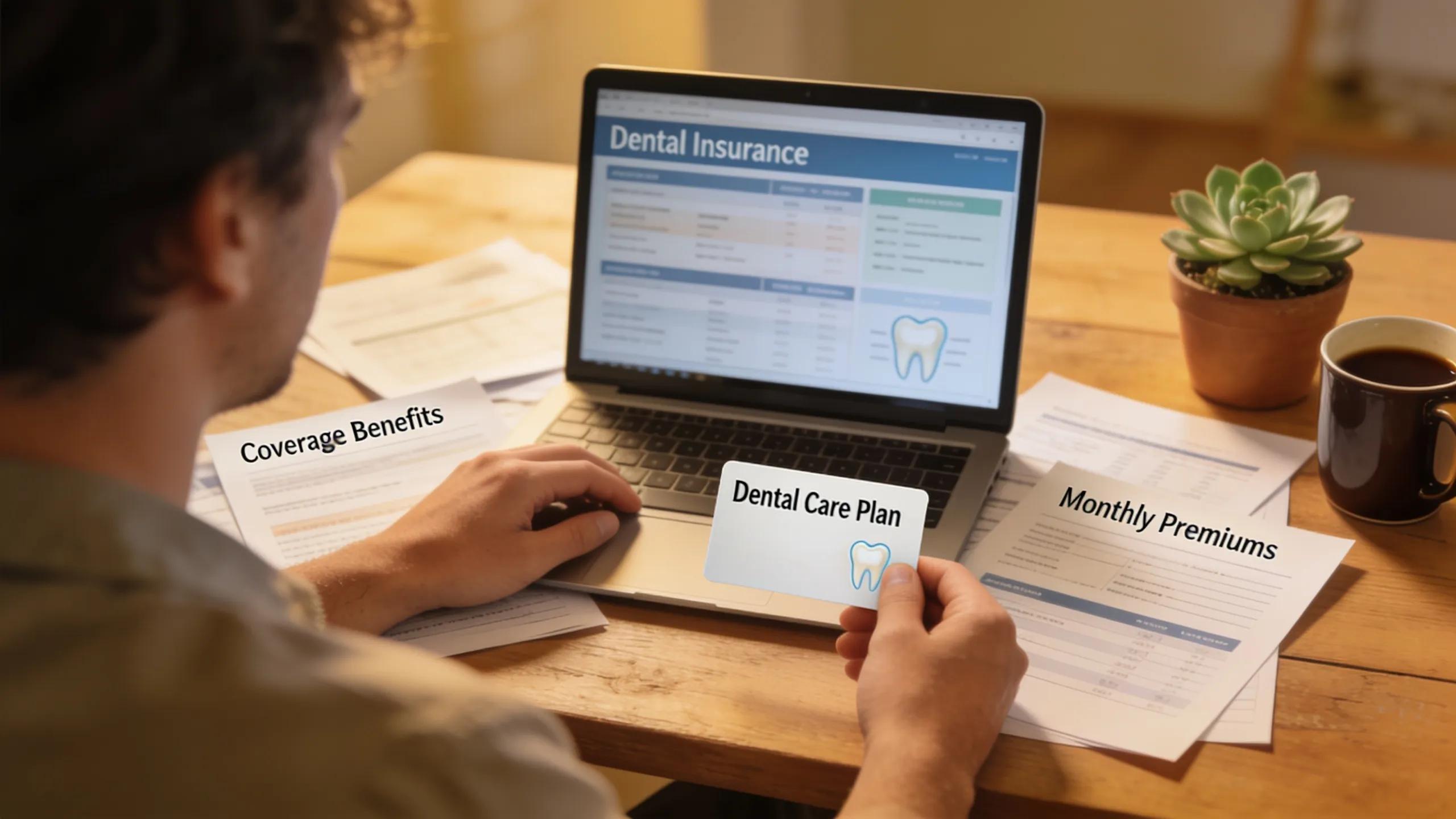
Applying for a dental card starts with signing up for dental insurance, and the process varies by provider. Begin by gathering ID and any relevant dental or medical records. Then complete the application online, by phone or in person, and follow the insurer’s steps for verification and issuance.
Step-by-Step Guide to Applying for Affordable Dental Coverage
- Research Options: Investigate various dental insurance plans that align with your treatment needs.
- Preparation of Documents: Compile necessary documents such as ID proofs and health records.
- Application Submission: Complete and submit the application via the preferred method — online, by phone, or in person.
- Receive Confirmation: Await approval and reception of your dental card, typically processed within 2 to 4 weeks.
- Review Coverage: Once received, review the benefits detailed on the card and confirm eligibility for necessary treatments.
Using Digital Tools for Quick Dental Card Issuance and Enrollment
Many insurers offer apps and websites that let you apply and receive a dental card electronically. These tools speed up submission, let you track your application and display coverage details and card information so you can manage benefits from your phone or computer.
Which Dental Insurance Plans Offer the Best Coverage for Specialty and Emergency Care?
Picking the right plan matters when you need specialty or emergency care. Compare how plans cover costly treatments like root canals, along with limits and premiums, to find one that gives strong financial protection for emergencies.
Comparing Dental Benefit Plans for Root Canal and Emergency Appointments
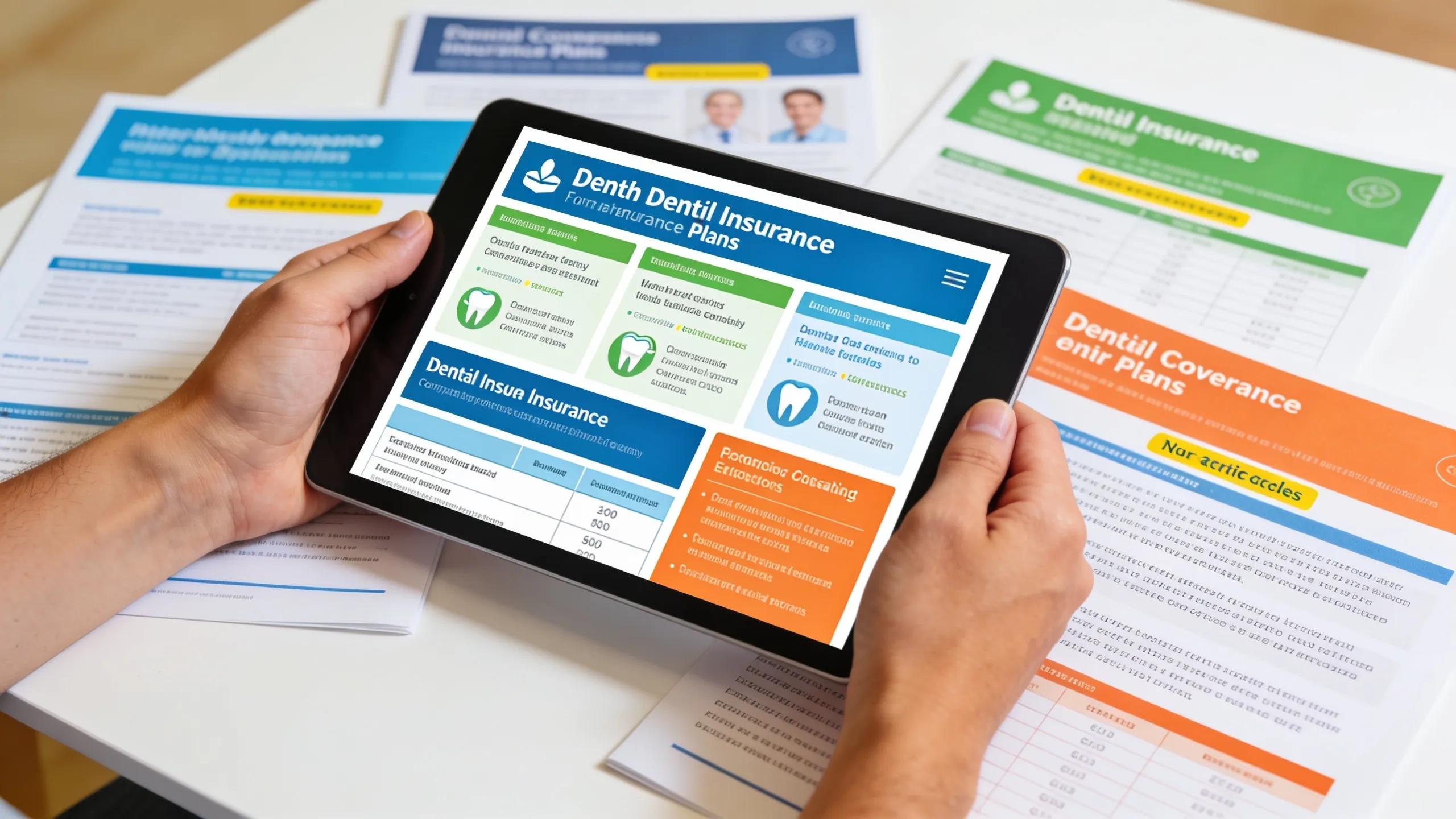
When you compare plans, check coverage percentages, annual limits and network rules since these affect your out-of-pocket cost. For example, one plan might cover 80% of a root canal but cap annual benefits, while another could offer higher coverage but with a larger deductible. A careful comparison helps you balance cost and protection.
This table shows how different plans treat root canals and emergency visits so you can pick coverage that fits your needs and budget.
Affordable Dental Insurance Options That Include Same Day Emergency Care
Look for plans that explicitly list same-day or urgent-care benefits if quick access matters to you. Some policies lower copays or offer fast phone triage to approve urgent care. Researching these options helps you find coverage geared to emergencies.
What Are the Key Benefits and Limitations of Dental Cards?
Dental cards make service access easier and can cut upfront costs, but they also have limits. Knowing both the advantages and the exclusions helps you use benefits effectively and plan for any remaining expenses.
Dental Card Coverage Highlights Compared to Traditional Insurance Methods
Dental cards shorten billing steps by letting practices verify coverage immediately, often avoiding lengthy preauthorisations. This transparency helps estimate out-of-pocket costs at the point of care. Many plans tied to dental cards also offer low copays for routine services, improving affordability.
Common Exclusions and Patient Eligibility for Dental Card Plans
Dental cards often exclude cosmetic treatments, may limit coverage for pre-existing conditions and typically won’t cover out-of-network care. Eligibility is set by the plan and can depend on dental history, age or employment status, so check plan rules before assuming coverage.
How Can Patients and Referring Dentists Use Dental Cards Effectively?
Knowing how to use a dental card improves care coordination and reduces surprises. Both patients and referring dentists should confirm coverage details, preauthorisation needs and any patient costs before treatment.
Scheduling Consultations and Emergency Care with Your Dental Card
Tell your dentist about your coverage before the appointment and ask which services are covered. Confirm whether emergency visits are covered through your card so scheduling and billing go smoothly when you need urgent care.
Tips for Referring Dentists to Support Patient Insurance Benefits Usage
Referring dentists should explain covered services, preauthorisation rules and likely patient costs. Clear communication helps patients use benefits correctly and avoids unexpected bills.
Where to Find Reliable Resources and Updates About Dental Cards and Insurance Plans?
You can find trustworthy information from established organisations and official sources that track policy changes, plan options and best practices for using dental benefits.
Trusted Organizations for Dental Insurance and Benefit Plan Information
Some of the most reputable organizations that provide useful information on dental insurance include:
- American Dental Association (ADA): Offers extensive resources on dental coverage and policy updates.
- National Association of Dental Plans (NADP): Provides insights and statistics on dental insurance plans across the U.S.
- Your State’s Department of Insurance: This governmental body can offer localized information on covered services and insurers.
These organisations can help you stay informed and make full use of your dental benefits.
How to Stay Updated on Dental Card Policy Changes and Market Trends
Stay current by subscribing to dental newsletters, joining professional forums or attending webinars led by dental experts. These sources highlight policy updates and market shifts so you can adjust coverage choices as needed.
Frequently Asked Questions
1. What are the eligibility requirements to obtain a dental card?
Eligibility depends on the dental plan you choose. Common factors include age, employment status and dental health history. Most insurers ask for ID and sometimes prior dental records. Some plans limit coverage for certain pre-existing conditions, so review provider requirements before applying.
2. How can I know which dental insurance plan is best for my needs?
Start by listing the treatments you expect to need—preventive, basic and specialty care. Compare plans on coverage percentages, annual limits, premiums and likely out-of-pocket costs. Use comparison tools or talk to an insurance agent to understand each plan’s details and pick the best fit.
3. Are there waiting periods for dental card coverage after applying?
Yes. Many plans allow preventive care immediately but impose waiting periods of six to 12 months for major services like root canals or orthodontics. Check your policy’s waiting-period rules so you can plan treatments accordingly.
4. Can I use my dental card for emergency treatments at any dental office?
You can get emergency care, but benefits are often stronger when you see an in-network provider. Out-of-network visits may mean higher out-of-pocket costs. Verify your plan’s emergency rules and preferred providers before seeking care.
5. Do dental cards cover cosmetic dental procedures?
Most dental cards don’t cover cosmetic work like whitening or veneers because these are elective. Some plans may offer limited coverage in specific cases, so check your policy or ask your insurer for details.
6. How do I update my personal information on my dental card?
Contact your insurance provider to update details. Most companies let you change information by phone, online portals or mobile apps. Common updates include address, name or dependent information—keep these current to avoid issues at appointments.
7. What should I do if my dental card does not work at a provider’s office?
If your card doesn’t work, first confirm the dentist is in-network and that your policy is active. If everything looks correct, contact your insurer for help. They can verify coverage and resolve billing or verification issues so you can get treated.
Conclusion
Knowing how dental cards work helps you access needed care and manage costs for procedures like root canals. Compare plans carefully, review coverage details and use trusted resources to make smart choices. Start comparing dental insurance options today and use reliable guidance to protect your dental health and budget.