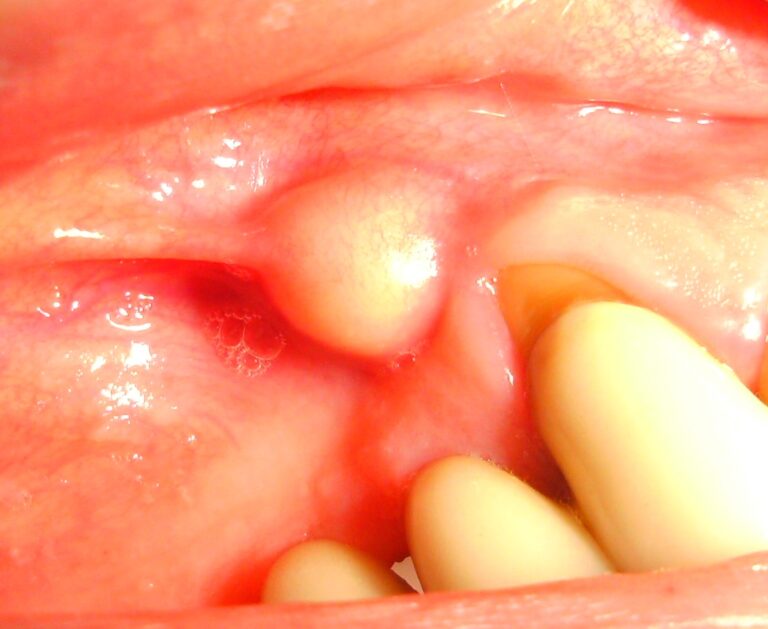
Comprehensive Diagnostic Services: Clear Imaging, Reliable Lab Testing, and Emergency Dental Care for Accurate Health Evaluations

Comprehensive Diagnostic Services: Clear Imaging, Reliable Lab Testing, and Emergency Dental Care for Accurate Health Evaluations
By Zainab Aziz, Anodyne Endodontics
Accurate diagnostics are central to effective care. From advanced imaging and routine laboratory tests to urgent dental services, these tools help clinicians identify conditions early and guide better treatment decisions. Below, we outline common diagnostic options—how they work, what influences cost, and why timely consultations matter. Understanding these elements can improve outcomes, reduce unnecessary emergency visits, and make the patient experience smoother.
Key Takeaways
- 3D imaging technologies such as CBCT give clinicians detailed anatomical views that improve diagnostic precision.
- CBCT helps detect missed canals and infections that standard 2D X-rays can miss, improving endodontic outcomes.
- Ultrasound clinics support preventive care by offering safe, noninvasive exams for early detection.
- Choose accredited blood test labs and check costs and turnaround times to ensure dependable results.
- Lab pricing depends on the test type, facility fees, and location—compare options for better value.
- Preventive checkups often include blood tests for cholesterol, glucose, and organ function to catch problems early.
- For dental emergencies, contact the clinic promptly, describe symptoms clearly, and be prepared with medical history.
- Clear referral pathways and focused consultations speed specialist evaluations and improve diagnostic accuracy.
- Combining imaging, lab data, and clinical consultation leads to more confident diagnoses and fewer unnecessary emergency visits.
Which advanced imaging technologies are used in diagnostic services?
Advanced imaging has transformed clinical evaluation by revealing anatomy in greater detail and from new angles. Technologies like 3D Cone Beam Computed Tomography (CBCT) deliver high-resolution views of dental and craniofacial structures, helping clinicians spot fractures, infections, and other anomalies that influence treatment planning. These tools improve diagnostic confidence and support more effective care decisions.
How does CBCT imaging improve dental and endodontic diagnosis?
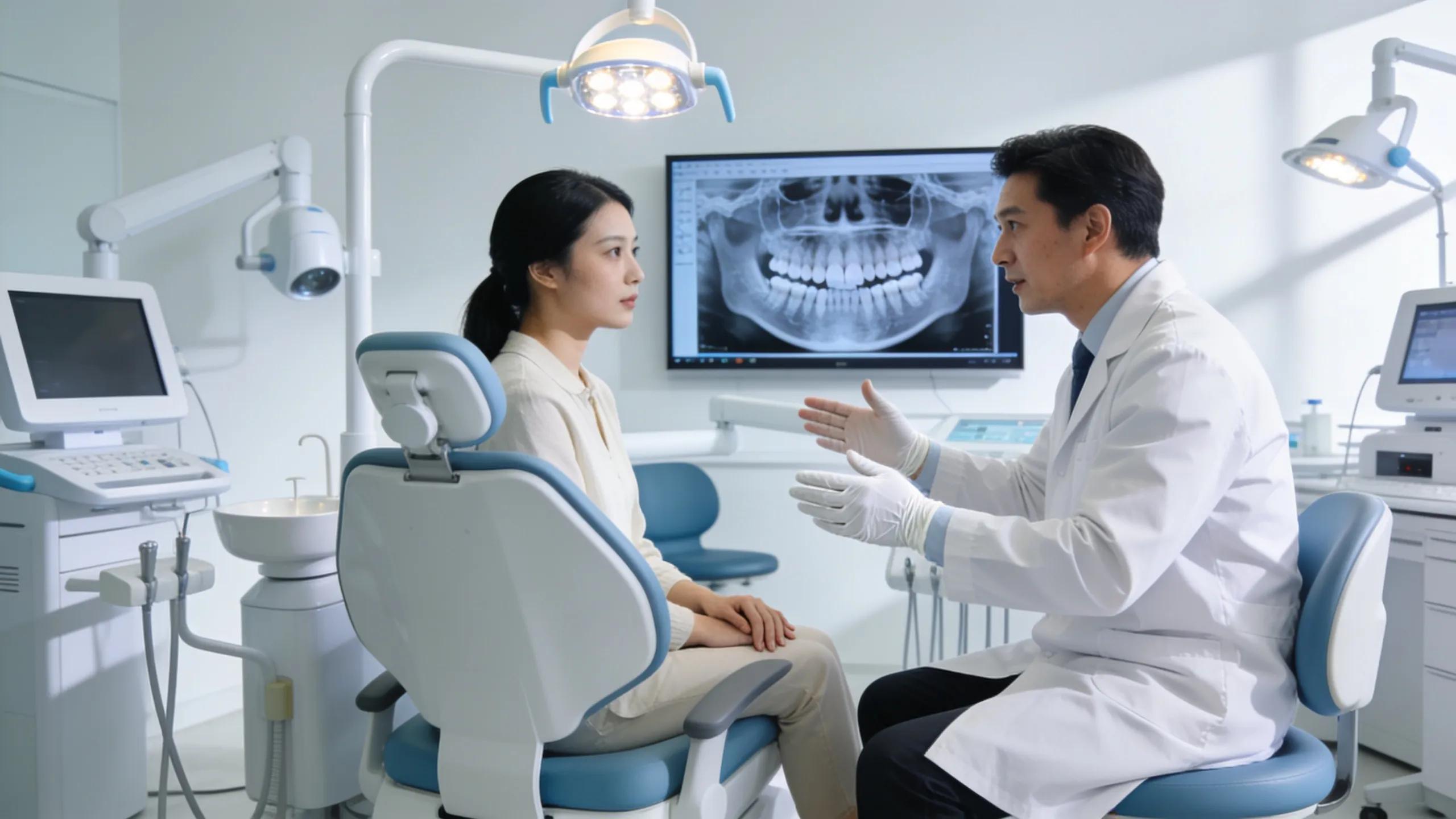
CBCT has become a cornerstone in dental and endodontic diagnosis because it provides a three-dimensional view of teeth, roots, and surrounding structures. That 3D perspective helps clinicians identify missed canals, hidden infections, and anatomic variations that 2D radiographs can overlook. The result is better-informed treatment plans and improved safety and success rates for procedures like root canal therapy.
What role do ultrasound diagnostic clinics play in preventive health checkups?

Ultrasound clinics offer safe, noninvasive imaging that’s ideal for routine screening and early detection. From abdominal scans to vascular checks, ultrasound can reveal conditions such as gallstones or aneurysms without radiation exposure. Incorporating ultrasound into preventive care helps clinicians act earlier and supports more proactive health management.
How can patients find reliable blood test labs and understand lab test costs?
Start by confirming a lab’s accreditation and any certifications that reflect quality standards. Patient reviews and clinician recommendations also provide practical insight. Ask about pricing, what’s included, insurance coverage, and expected turnaround times—these factors affect both cost and usefulness of results. Clear information helps patients choose labs that meet their needs.
Anodyne Endodontics coordinates access to trusted lab testing as part of comprehensive care, ensuring reliable diagnostics for root canal treatments and emergency dental procedures.
Which factors affect lab test costs and how can patients compare pricing?
Lab test prices vary by the complexity of the test, where it’s performed, and local market factors. Hospital-based labs often charge more than independent facilities. To compare effectively, get itemized estimates from several providers and weigh cost against accuracy, accreditation, and turnaround time. That helps you balance affordability with quality.
What blood tests are included in preventive health checkups?
Preventive checkups commonly include lipid panels for cholesterol, fasting glucose for blood sugar control, and metabolic panels to assess liver and kidney function. These routine tests identify risk factors early and inform lifestyle or medical interventions to prevent disease progression.
What steps are involved in scheduling emergency diagnostic and dental services?
In a dental emergency, call the practice immediately, describe your symptoms and pain level, and provide any relevant medical history. The office will advise whether a same-day appointment is available and what to bring. Having prior dental records and a list of medications speeds triage and ensures the team can provide focused, efficient care.
Anodyne Endodontics offers same-day emergency appointments for urgent dental issues, prioritizing rapid assessment and pain relief when needed.
How do patients book same-day emergency root canal and diagnostic consultations?
To book an emergency root canal consultation, contact the office as soon as possible and explain your condition. Staff will ask about symptoms, prior treatments, and insurance details to schedule the fastest appropriate slot. Clear communication during the call helps the team prepare and prioritize urgent cases.
What referral workflows support patients and dentists for urgent diagnostic care?
Efficient referral workflows begin with clear communication between the referring dentist and the specialist. Referrals should include relevant clinical notes, images, and any prior test results. When information is complete, specialists can triage quickly and schedule prompt evaluations—reducing delays and improving outcomes for urgent cases.
How does patient consultation improve diagnostic outcomes in specialty care?
Consultations let clinicians collect medical history, medication lists, and detailed symptom descriptions—information that shapes test selection and interpretation. A thorough consult improves diagnostic accuracy, helps tailor treatment plans, and engages patients in shared decision-making, which supports better long-term results.
What information should patients provide during diagnostic service consultations?
Bring a complete health history, current medication list, recent diagnostic reports, and a clear description of symptoms (onset, duration, triggers). Specific details help clinicians narrow options and select the right tests, shortening the path to an accurate diagnosis.
How are consultations integrated with imaging and lab test results for diagnosis?
Consultations contextualize imaging and lab data, allowing clinicians to combine objective findings with clinical observations. That integration produces a more complete diagnostic picture, which informs targeted treatments and reduces uncertainty in care decisions.
Which preventive diagnostic services support long-term health?
Routine screenings, periodic blood tests, and targeted imaging studies all contribute to long-term health monitoring. Regular checks for blood pressure, cholesterol, glucose, and appropriate imaging help detect disease early, when interventions are more effective.
What routine diagnostic tests help with early disease detection?
Common routine tests include blood pressure checks, lipid panels, fasting glucose, and basic metabolic panels. These tests flag early signs of cardiovascular disease, diabetes, and organ dysfunction, allowing for timely follow-up and treatment.
How does integrating diagnostic services reduce emergency visits and improve patient care?
Integrated diagnostics—combining screening, imaging, and lab testing—catch issues before they escalate into emergencies. Timely detection and coordinated follow-up reduce urgent care needs, strengthen patient-provider relationships, and lead to more consistent, preventive care overall.
Frequently Asked Questions
What should I expect during a diagnostic consultation?
You can expect a focused review of your medical history, current symptoms, medications, and any prior test results. The clinician will ask questions to clarify concerns, explain the recommended tests, and outline next steps. Don’t hesitate to ask questions—clear communication leads to better care.
How often should I schedule preventive health checkups?
Frequency depends on age, risk factors, and existing conditions. Many adults benefit from an annual checkup, while people with chronic illnesses may need more frequent monitoring. Talk with your clinician to set a schedule that fits your health profile.
What imaging studies are commonly used in diagnostic services?
Typical imaging studies include X-rays, MRI, CT scans, and ultrasound. X-rays are useful for bones and basic dental views; MRI gives detailed soft-tissue images; CT provides cross-sectional anatomy; and ultrasound offers real-time, radiation-free views of many organs. The choice depends on the clinical question.
Are there risks associated with advanced imaging technologies?
Most imaging is safe when used appropriately. CT and X-rays expose patients to low levels of ionizing radiation, while MRI uses strong magnets and is not suitable for some implants. Ultrasound is generally risk-free. Discuss any concerns with your clinician to weigh risks and benefits.
How can I prepare for a lab test?
Preparation varies by test: some require fasting, others do not. Follow the lab’s instructions, stay hydrated, and share your medication list since certain drugs can affect results. Bringing prior test reports can also help with interpretation.
Why is it important to follow up after diagnostic tests?
Follow-up lets your clinician review results, explain what they mean, and recommend next steps—whether that’s treatment, lifestyle changes, or further testing. Timely follow-up ensures you’re informed and that care proceeds without unnecessary delay.
Conclusion
Investing in comprehensive diagnostic services—combining advanced imaging, reliable lab testing, and timely consultations—helps catch problems early and guides more effective treatment. Prioritizing routine evaluations and prompt attention to symptoms improves outcomes and makes care more predictable. Learn how our diagnostic services can support your health and help you make informed care decisions today.