Expert Dentistry Dental Care: Root Canal Specialists and Emergency Services Guide

dentistry dental
Expert Dentistry Dental Care: Root Canal Specialists and Emergency Services Guide
By Zainab Aziz, Anodyne Endodontics
Proper dental care keeps your mouth healthy, especially for complex procedures like root canals or urgent problems. This guide explains endodontic care so patients can weigh options and see why specialist treatment matters. It focuses on root canals, emergency dental services, and the benefits of consulting specialists for the best care.
Dental emergencies and specialist treatments often cause confusion and fear. Knowing what endodontists do reduces stress and improves results. This article walks through root canal steps, emergency care, and practical referral tips.
Key Takeaways
- Endodontists are dental specialists with advanced training focused on diagnosing and treating dental pulp issues.
- Root canal treatments involve removing infected pulp to save teeth and require precise, specialist care for success.
- Emergency dental services address urgent issues like severe pain, trauma, and swelling to prevent further complications.
- Specialists use advanced technology and techniques to enhance patient comfort and improve root canal treatment outcomes.
- Same-day emergency dental appointments can be accessed by direct contact and clear communication of symptoms.
- Effective referrals from general dentists to endodontists require clear documentation and patient education for seamless care.
- Dental implants are important for tooth loss, requiring evaluation of bone health and understanding of the procedure.
- Early pediatric dental visits and proper hygiene habits support lifelong oral health in children.
- Affordable dental care options include community clinics, dental schools, and flexible payment plans for quality treatment.
Expert Root Canal Specialists:
Endodontists are specialists who diagnose and treat problems of the dental pulp. They have extra training that gives them a deeper grasp of complex tooth anatomy. That expertise makes them especially skilled at root canals, which save infected or damaged teeth.
Their training covers advanced techniques that boost comfort and success rates. Endodontists also use modern tools and technology to deliver precise care and better outcomes. Their expertise treats immediate problems and supports long-term oral health.
Root Canal Treatment Process:

Root canal treatment is key to saving a tooth with infected pulp. First, an endodontist will examine the tooth, often using advanced imaging to assess its condition. This step ensures the treatment plan fits each patient’s needs.
Once diagnosed, the procedure itself involves several detailed steps:
- Access Opening: The dentist creates an opening in the crown of the tooth to gain access to the pulp.
- Cleaning and Shaping: Infected pulp and debris are cleaned out, and the canals are shaped properly for filling.
- Filling: The cleaned canals are filled with a biocompatible material to prevent reinfection.
- Sealing: After filling, the access opening is sealed, often with a temporary or permanent restoration.
Modern techniques and equipment make the procedure more efficient and effective, improving the patient experience.
Emergency Dental Services:

Emergency dental services treat urgent problems that need immediate attention. Signs include severe toothaches, accident injuries, or sudden tooth loss. Fast, effective care can mean saving a tooth instead of needing more extensive, costly treatment later.
Knowing what counts as a dental emergency helps patients act quickly. Common urgent scenarios include:
- Severe Pain: Intense tooth pain can signal infections or other serious issues.
- Trauma: Injuries to the mouth can lead to moderate toSevere damage requiring prompt treatment.
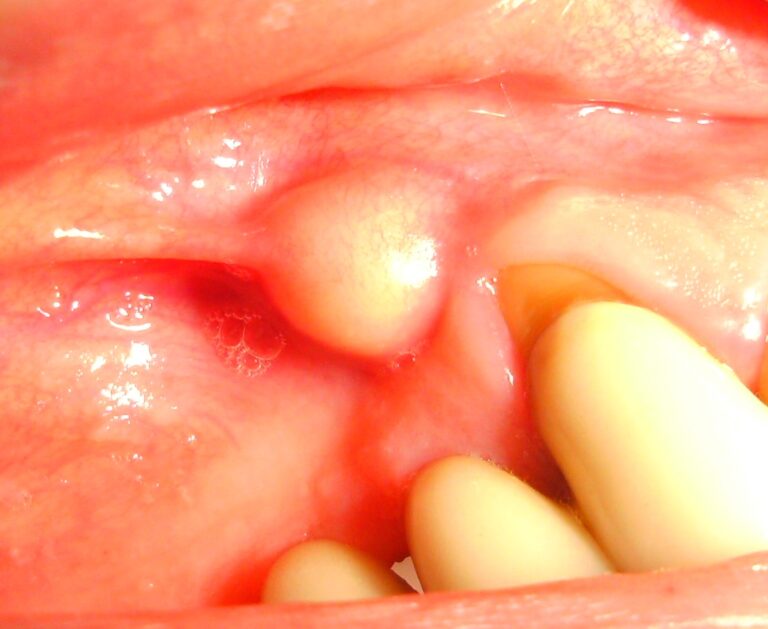
- Swelling: Any significant swelling in the mouth, face, or neck could indicate an underlying infection.
If you have these signs, seek emergency care promptly to ensure timely treatment.
What Are Root Canal Treatments and Why Choose Specialists?
Root canal treatments remove infected pulp to preserve the tooth. Consulting a specialist matters—endodontists bring the skills and advanced techniques needed for complex cases.
Choosing a specialist delivers a higher level of care. Their training lets them handle varied and complex situations, raising the chance of successful outcomes and patient satisfaction. Timely treatment also lowers the risk of problems getting worse.
How Does a Root Canal Procedure Work?
A root canal follows a systematic approach to ensure comfort and restore the tooth. Here’s what typically happens:
- Anesthesia: Prior to the procedure, local anesthesia is administered to numb the area.
- Pulp Removal: The dentist carefully removes the infected pulp tissue from the tooth.
- Canal Preparation: The empty canal is shaped and disinfected.
- Filling: Once cleaned, the canal is filled with specialized material to seal it.
- Restoration: Lastly, the dentist will place a restoration on the tooth, such as a crown, to restore its function.
By focusing on comfort and using modern methods, specialists aim for successful results with minimal discomfort and recovery time.
What Are the Benefits of Expert Root Canal Specialists?
Choosing an expert specialist brings clear benefits. Key advantages include:
- Enhanced Treatment Outcomes: Specialists have a deeper understanding of endodontic issues, potentially leading to more effective results.
- Use of Advanced Technology: Endodontists often utilize cutting-edge tools and techniques, which improve accuracy and patient comfort.
- Patient-Centered Care: The focus on patient needs and comfort during the procedure enhances satisfaction and emotional ease.
Using these advanced methods helps patients get the best outcomes, so recognizing the specialist’s role is essential in dental care.
How to Access Emergency Same Day Dental Services Efficiently?
Getting same-day emergency dental care can be crucial. Try these strategies to get timely treatment:
- Direct Contact: Calling the dental office directly often yields the fastest response. Most specialties prioritize emergency cases.
- Explain the Situation: Providing a clear description of the symptoms can help the office prepare for your arrival and prioritize care.
- Inquire About Availability: Understanding the office’s operating hours and emergency policies can further streamline the process.
Some practices prioritize emergency visits and can provide care when patients need it most.
What to Expect During an Emergency Dental Visit?
Emergency visits vary, but several common steps apply. First, you’ll have a thorough evaluation to assess the problem. Be ready to describe your symptoms in detail—this helps the team diagnose effectively.
Common procedures performed during emergencies may include:
- Pain Management: Addressing immediate discomfort through medication or local anesthetics.
- Temporary Solutions: For cases where immediate treatment cannot be provided, temporary protective measures may be placed.
- Referrals: If specialized care is required, patients may be referred to an endodontist or another specialist.
Knowing these steps can make patients feel more prepared and reduce anxiety.
How Quickly Can You Schedule Emergency Appointments?
You can often schedule an emergency appointment quickly, though response times vary by clinic resources and provider availability. Many practices aim to see patients within 24 hours; some offer same-day visits for urgent cases.
If you need emergency care, contact the office right away and explain how urgent it is. That helps speed up the process so you get timely treatment.
What Should Referring Dentists Know for Seamless Patient Referrals?
When referring patients to an endodontist, general dentists should communicate clearly with both patient and specialist. Key factors for smooth referrals include:
- Clear Documentation: Providing detailed records of the patient’s history, including previous treatments and current complaints.
- Communication: Establishing open lines of communication with the specialist fosters trust and clarity.
- Patient Education: Informing patients about what to expect from their visit to the specialist can reduce anxiety and improve compliance.
Following these practices helps general dentists improve collaboration and make sure patients get the specialist care they need.
When and Why Consider Dental Implant Consultations?
Dental implants are worth considering for significant tooth loss or injury. Consulting specialists matters for several reasons:
- Evaluation of Bone Health: Dental professionals assess the jawbone to determine if there is sufficient support for an implant.
- Understanding Procedure Steps: Patients can gain insights into the multi-step process of implant placement and recovery.
- Long-term Outcomes: Discussion about the longevity and success rates of implants helps in making informed decisions regarding treatment plans.
A well-informed patient is more likely to choose the most effective restoration options.
What Pediatric Dental Care Tips Support Healthy Smiles?
Caring for children’s teeth builds lifelong oral health. Try these practical tips to keep their smiles healthy:
- Early Visits: Schedule their first dentist visit by age one to promote healthy habits from a young age.
- Routine Brushing: Encourage children to brush twice a day with fluoride toothpaste to prevent cavities.
- Healthy Snacks: Promote a balanced diet rich in fruits, vegetables, and dairy to support oral health.
Using these habits helps parents set kids on a path to lifelong healthy smiles.
Where to Find Affordable Dental Clinics for Quality Care?
Finding affordable clinics that still provide quality care can be a challenge. Consider these options:
- Research Community Health Clinics: Many local health organizations offer dental services on a sliding scale based on income.
- Check Dental Schools: Institutions often provide care at reduced rates while monitoring students’ work under the guidance of experienced faculty.
- Inquire about Payment Plans: Some clinics offer flexible payment options or financing plans to make treatment more accessible.
Exploring these options helps patients find quality care that fits their budget.
Frequently Asked Questions
1. What are the common signs that require emergency dental services?
Severe toothache, trauma from accidents, facial or mouth swelling, and sudden tooth loss can signal a dental emergency. If you have intense pain or an oral injury, seek care right away to avoid complications. Fast treatment can often save a tooth and reduce the need for more extensive procedures.
2. How painful is a root canal procedure?
Root canals are often less painful than people expect. Dentists prioritize comfort and use local anesthesia to numb the area. Post-procedure pain is usually manageable with OTC pain relievers. Most patients feel better after treatment because it removes the infected pulp causing pain.
3. How long does healing take after a root canal?
Recovery time varies, but many people resume normal activities in a day or two. Initial discomfort usually eases in a few days; some sensitivity may last one to two weeks. Follow your endodontist’s aftercare instructions. Contact them if pain or unusual symptoms persist.
4. Can a root canal fail, and if so, what can be done?
Root canals are usually successful, but they can fail—for example, if complex canals were missed, reinfection occurs, or other issues arise. If a root canal fails, retreatment or extraction and an implant may be needed. Regular follow-ups help monitor treated teeth.
5. What types of sedation are available for anxious patients during dental procedures?
Dentists offer sedation options for anxious patients. Nitrous oxide (laughing gas) relaxes you without putting you to sleep. Oral sedation uses a pill to induce relaxation. For higher anxiety, IV sedation may be used. Talk with your dentist to choose the right option.
6. What are the prerequisites for getting dental implants?
Candidates for implants need healthy gums and enough jawbone to support the implant. A dental exam with X-rays or 3D imaging checks bone health. Good oral hygiene and control of conditions that affect healing—like uncontrolled diabetes—are important. A consultation will determine if implants are right for you.
7. How do I find a qualified endodontist for my treatment?
Find a qualified endodontist by researching local providers, reading reviews, and asking your general dentist for recommendations. Check for board certification and advanced endodontic training. Many offices offer consultations so you can meet the specialist and discuss your case. Choose someone you feel comfortable with—quality of care affects outcomes.
Conclusion
Expert dental care improves outcomes for root canals and emergency treatment. Endodontists’ experience and modern technology address urgent needs and support long-term oral health. To protect your smile, consider scheduling a specialist appointment. Use this guide to find qualified professionals who can meet your dental needs.