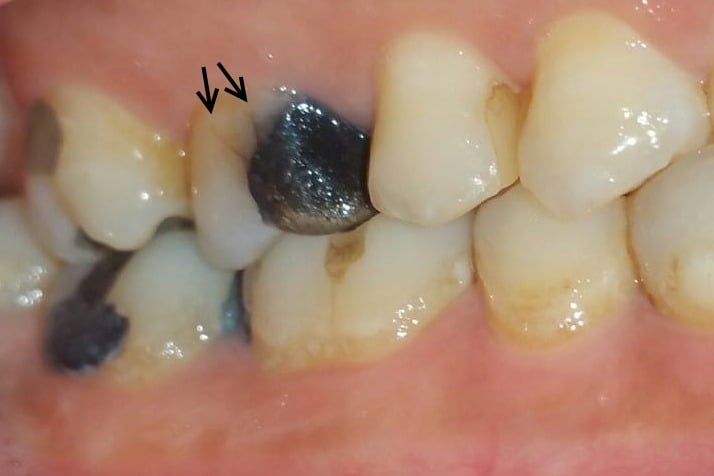
Comprehensive Tooth Care: Root Canal Procedures, Emergency Dental Appointments, and Patient Referral Solutions
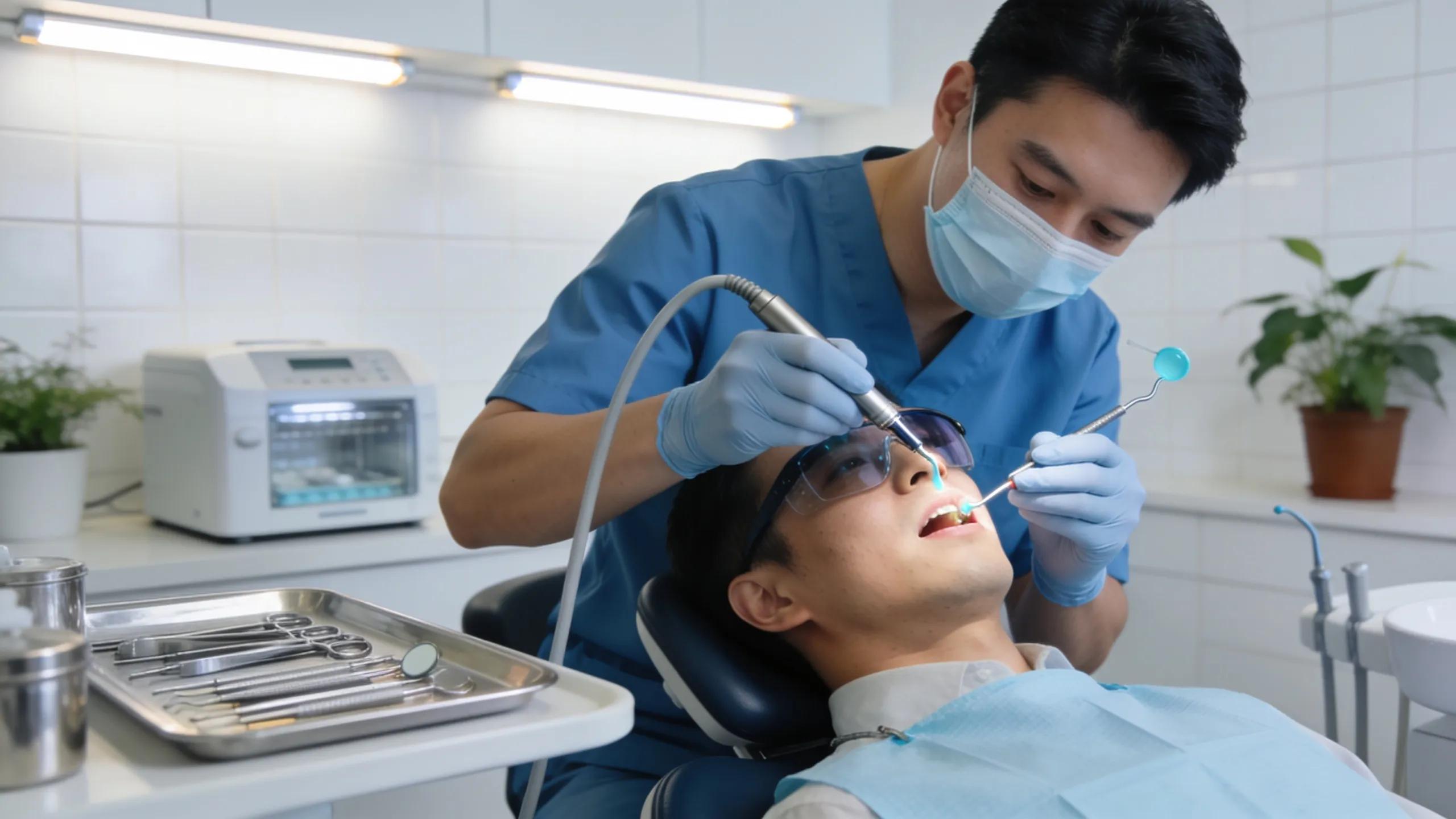
Comprehensive Tooth Care: Root Canal Procedures, Emergency Dental Appointments, and Patient Referral Solutions
By Zainab Aziz, Anodyne Endodontics
Healthy teeth matter to your overall wellbeing. Comprehensive tooth care covers treatments for decay and damage, including root canal therapy and timely emergency visits. This article explains why these treatments matter, how they work, and the benefits for patients and clinicians. We also outline practical patient referral solutions that connect general dentists with endodontic specialists for better care.
Recognizing signs of tooth infection and knowing about emergency dental services can prevent complications and speed recovery. This guide clarifies each area, from the root canal procedure to the value of cross-network referrals among dental professionals.
Key Takeaways
- Root canal therapy saves infected teeth by removing infected pulp and sealing the tooth to prevent further infection.
- Emergency dental appointments address sudden tooth pain and prevent complications from untreated infections or damage.
- Recognizing symptoms like severe toothache, swelling, and discoloration helps patients seek timely endodontic treatment.
- Effective patient referral systems connect general dentists with specialists, improving care coordination and patient outcomes.
- Post-root canal care includes avoiding hard foods, maintaining oral hygiene, and attending follow-up appointments for healing.
- General dentists can streamline referrals by establishing partnerships, using technology, and educating patients about specialist care.
- Pediatric endodontic treatments like pulpotomy and silver diamine fluoride provide safe options tailored to children’s dental needs.
- Parents should watch for signs of tooth infection in children, such as irritability, food avoidance, and gum swelling.
- Patients should verify insurance coverage and use online tools to schedule endodontic consultations efficiently.
Root Canal Procedures:
Root canal therapy saves teeth that are infected or severely decayed. The procedure removes infected pulp, cleans the interior of the tooth, and seals it to prevent reinfection. Proper root canal care preserves the tooth’s function and restores its structure while relieving pain.
Root canal therapy eases pain and prevents infection from spreading to surrounding teeth and gums. If left untreated, an infected tooth can form an abscess or may ultimately be lost.
How is the root canal procedure performed to save an infected tooth?
The root canal procedure is methodical and involves several stages:
- Diagnosis: The dentist conducts X-rays to evaluate the extent of infection and decay.
- Anesthesia: Local anesthesia is administered to ensure patient comfort during the procedure.
- Access Opening: A small opening is created in the crown of the tooth to access the pulp chamber.
- Cleaning: The infected pulp is removed, and the root canal system is thoroughly cleaned and disinfected.
- Filling: After cleaning, the canal is filled with a rubber-like material called gutta-percha, sealing it to prevent future infections.
This stepwise method preserves the tooth and restores function, improving the patient’s quality of life.
Which post-procedure care practices support tooth recovery?
After a root canal, follow-up care speeds recovery. Patients are advised to:
- Avoid hard foods: For the first few days, stick to soft foods to prevent discomfort.
- Maintain oral hygiene: Continue regular brushing and flossing, particularly around the treated tooth.
- Follow-up appointments: Attend all follow-up visits to monitor healing and ensure no further treatment is necessary.
Following these steps supports healing and the long-term success of the root canal treatment.
Significance of Emergency Dental Appointments:
Emergency dental appointments are critical for sudden tooth pain; they reduce discomfort and help prevent more serious problems. These visits address unexpected issues like a cracked tooth, severe decay, or acute tooth infections.
The ability to recognize common signs of a dental emergency—intense pain or swelling—helps patients seek timely care. Prompt intervention can limit complications that follow delayed treatment.
What symptoms indicate urgent endodontic treatment is needed?
Symptoms that signal the need for urgent endodontic treatment include:
- Severe Toothache: Persistent pain that may radiate to the jaw or neck often signifies an underlying issue.
- Sensitivity to Temperature: Unusual sensitivity to hot or cold can indicate nerve damage or infection.
- Swelling and Tenderness: Swelling of the gums or face may suggest an abscess or infection that requires prompt attention.
- Discoloration of the Tooth: A tooth that becomes darker can indicate damage to the nerve, necessitating a root canal.
Timely recognition of these symptoms can lead to swift treatment, reducing pain and the risk of tooth loss.
What emergency dental appointment options are available for sudden tooth pain?
Patients experiencing sudden tooth pain can seek several emergency dental appointment options:
- Same-Day Appointments: Many dental practices offer emergency slots that prioritize acute cases, ensuring patients receive immediate care.
- Walk-In Clinics: Some locations allow for walk-in visits without prior appointments, ideal for urgent situations.
- Tele-dentistry: Initial assessments via phone or video calls can provide guidance on whether an in-office visit is necessary.
Easy access to emergency care ensures patients receive prompt treatment and reduces the impact of dental emergencies.
Effective Patient Referral Solutions:
Efficient referral solutions build clear links between general dentists and endodontic specialists, making patient care more seamless. These systems improve treatment quality and outcomes by directing patients to specialist care when needed.
General dentists play the key role of initiating referrals and guiding patients to the appropriate specialist based on their clinical needs.
How does the patient referral system connect general dentists with endodontic specialists?
The refinement of the patient referral system hinges on clear communication and established relationships between specialists and general dentists. Key elements of a successful referral system include:
- Direct Communication: Open lines of communication facilitate timely exchanges of information regarding patient needs.
- Referral Protocols: Standardized protocols help guide general dentists on when to refer patients based on clinical signs or treatment needs.
- Collaboration Platforms: Utilizing digital platforms can streamline the referral process, allowing for easy access to specialist availability and patient records.
These approaches align general practices with specialist care, improving the patient experience and treatment outcomes.
What advantages do referral programs offer to dentists and patients?
Referral programs yield several advantages for both dentists and patients, including:
- Increased Access to Specialized Care: Patients benefit from being directed to specialists who can provide targeted treatments that general dentists may not offer.
- Enhanced Collaborative Care: Effective referrals improve the collaborative nature of dental care, leading to more comprehensive treatment planning.
- Better Patient Satisfaction: Patients experience higher satisfaction levels when referred to trusted specialists, knowing they are receiving appropriate care.
These benefits highlight why strong referral networks are essential among dental professionals.
How can general dentists initiate the patient referral process efficiently?
To initiate the patient referral process effectively, general dentists can:
- Establish Partnerships: Build relationships with trusted endodontists to streamline the referral process.
- Utilize Technology: Embrace practice management software that simplifies the sharing of patient information and tracking referrals.
- Educate Patients: Inform patients about their treatment options and the benefits of seeing a specialist, fostering confidence in their care journey.
Using these strategies creates smoother transitions for patients who need specialist services.
What specialized endodontic treatment options are safe for pediatric patients?
When treating children, safe and effective endodontic options include:
- Pulpotomy: A partial removal of the dental pulp that may save a primary tooth in case of decay.
- Root Canal Therapy: Tailored root canal procedures for children that consider their unique dental development needs.
- Silver Diamine Fluoride: This non-invasive treatment option can halt the progression of cavities and is particularly useful for young patients reluctant to undergo traditional treatment.
These options manage children’s dental problems safely and help preserve primary teeth until permanent teeth emerge.
How can parents recognize early signs of tooth infection in children?
Parents should be alert for early signs of tooth infection in children, which may include:
- Persistent Crying or Irritability: Indications that a child may be in pain from a toothache.
- Avoiding Food: Reluctance to eat or chew food on one side of the mouth can signal discomfort.
- Swelling of the Gums: Inflamed gums around a tooth may indicate an infection.
Noticing these signs early helps secure care before the problem worsens and protects the child’s dental health.
How do patients schedule consultations and manage insurance for endodontic services?
Patients seeking endodontic care can streamline their experience by:
- Contacting Their Insurance Provider: Verify coverage for specialized services like root canal therapy prior to scheduling appointments.
- Directly Calling Endodontic Practices: Inquire about available appointment slots and necessary documentation required for insurance claims.
- Utilizing Online Scheduling Tools: Some practices offer online platforms for easy appointment booking, simplifying the process for patients.
Knowing these steps reduces stress around consultations and helps patients receive timely, effective care.
Which insurance plans and payment options are accepted?
Anodyne Endodontics accepts a variety of insurance plans to facilitate payment for services. Options may include:
- Major Dental Insurance Providers: Common plans like Aetna, Delta Dental, and more.
- Flexible Payment Methods: Acceptance of major credit cards and financing options tailored for patients who require assistance managing out-of-pocket expenses.
Clear payment information helps patients understand costs and make informed decisions about their dental care.
Ending with the final heading ties together tooth care topics and emphasises endodontic solutions aimed at the best patient outcomes.
Frequently Asked Questions
What types of dental emergencies require immediate attention?
Dental emergencies include severe toothaches, broken or knocked-out teeth, abscesses, and injuries from accidents. Sudden swelling, bleeding, or intense pain that interferes with daily life requires immediate dental care. Prompt treatment helps avoid further complications and costly interventions.
How can I choose the right endodontist for my root canal treatment?
Choose an endodontist who is board-certified and experienced. Read patient reviews to learn about others’ experiences, and consider the office’s technology and comfort level. A consultation lets you assess the clinician and make a more informed decision.
What should I expect during my first visit to an endodontist?
At your first visit, expect a thorough exam and diagnostic imaging, such as X-rays, to assess tooth health. The endodontist will review your symptoms and medical history, outline a treatment plan, explain the procedure, discuss likely outcomes, and answer any questions so you feel informed before treatment begins.
Are there risks associated with root canal therapy?
Root canal therapy is generally safe but carries potential risks such as post-treatment discomfort, persistent infection, or complications with subsequent crown placement. Following aftercare instructions can reduce these risks. Always discuss any concerns with your dentist before the procedure.
What alternative treatments exist if I cannot undergo root canal therapy?
If a root canal is not possible, extraction may be necessary to stop the spread of infection. After extraction, options like dental implants or bridges can restore function and appearance. In some cases, emerging treatments such as regenerative endodontics aim to preserve pulp but may not be widely available. Consult your dentist to determine the best plan.
How can I manage anxiety before dental procedures?
To manage dental anxiety, share your concerns with your dentist so they can explain the procedure and provide reassurance. Techniques like deep breathing and visualization help, and some practices offer sedation dentistry. Bringing a trusted friend or family member for support can also make the visit easier.
What are the long-term benefits of maintaining dental health through regular visits?
Regular dental visits enable early detection of issues like cavities and gum disease, preventing more serious problems later. Consistent care keeps teeth and gums healthy, reducing the need for invasive treatments. Good oral health supports overall wellbeing and can lower risks linked to poor dental hygiene. Prevention saves money and improves quality of life.
Conclusion
Knowing about tooth care, root canal procedures, and emergency dental services supports oral and overall health. These treatments relieve pain, prevent complications, and improve coordination between dental professionals to enhance patient outcomes. Seek timely care and build a relationship with your dental provider for referrals when specialist services are needed. Explore resources and connect with a dental professional to support your tooth care journey.