Endodontic Surgery: Comprehensive Guide to Root Canal Treatment, Recovery, Costs, and Emergency Care

Endodontic Surgery: Comprehensive Guide to Root Canal Treatment, Recovery, Costs, and Emergency Care
By Zainab Aziz, Anodyne Endodontics
Root canal treatment (endodontic surgery) saves teeth damaged by decay or injury. It removes infected pulp, eases pain, and restores dental health so you can keep your natural tooth instead of having it extracted. This guide covers the signs that point to treatment, the step-by-step procedure, recovery expectations, alternatives, costs, and emergency care so you can make informed choices.
Key Takeaways
- Endodontic surgery, or root canal treatment, removes infected pulp to preserve natural teeth and relieve pain.
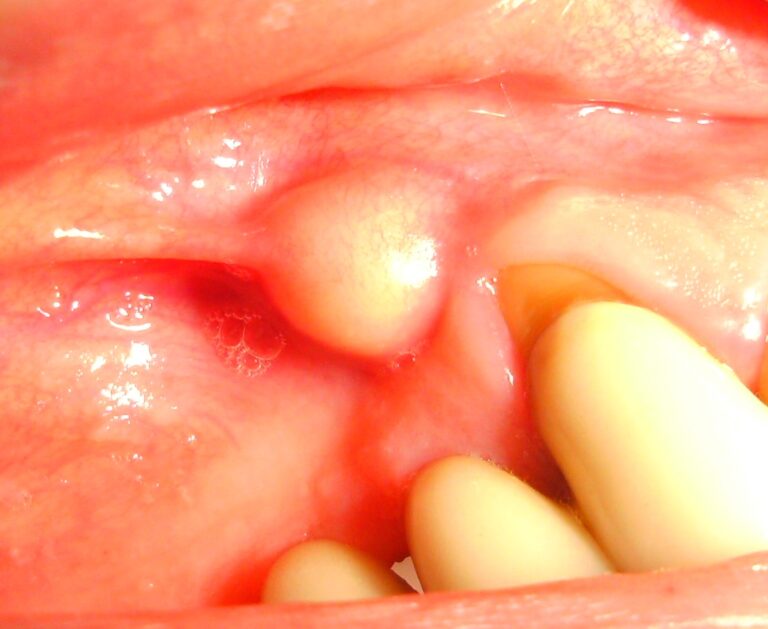
- Persistent toothaches, gum swelling, or abscess bumps indicate the need for endodontic evaluation and possible surgery.
- Dentists use clinical exams and imaging like digital X-rays or CBCT to diagnose root canal issues accurately.
- Root canal surgery involves cleaning, shaping canals, and filling them with gutta-percha to prevent reinfection.
- Minimally invasive microsurgery techniques improve precision, reduce tissue damage, and enhance patient recovery outcomes.
- Post-surgery recovery includes manageable pain and swelling, typically controlled with over-the-counter medications and cold packs.
- Alternatives to root canal surgery include tooth extraction, which may lead to further dental complications.
- Root canal costs range from $800 to $1,500, with insurance coverage varying by plan and location.
- Emergency endodontic care offers same-day appointments for severe pain or infections, providing immediate relief and stabilization.
What Are the Signs and Symptoms Indicating the Need for Endodontic Surgery?
Key signs include persistent toothache, swelling around the gums, or a noticeable bump that could signal an abscess. Spotting these early helps you get treatment sooner and avoid further complications.
How Is Endodontic Surgery Diagnosed by Dental Professionals?
Diagnosis starts with a clinical exam and review of your symptoms. Dentists then use imaging—digital X-rays or CBCT—to view the root canals and surrounding structures. This thorough assessment identifies the right course of action for your case.
How Is Root Canal Surgery Performed? Procedures and Techniques Explained
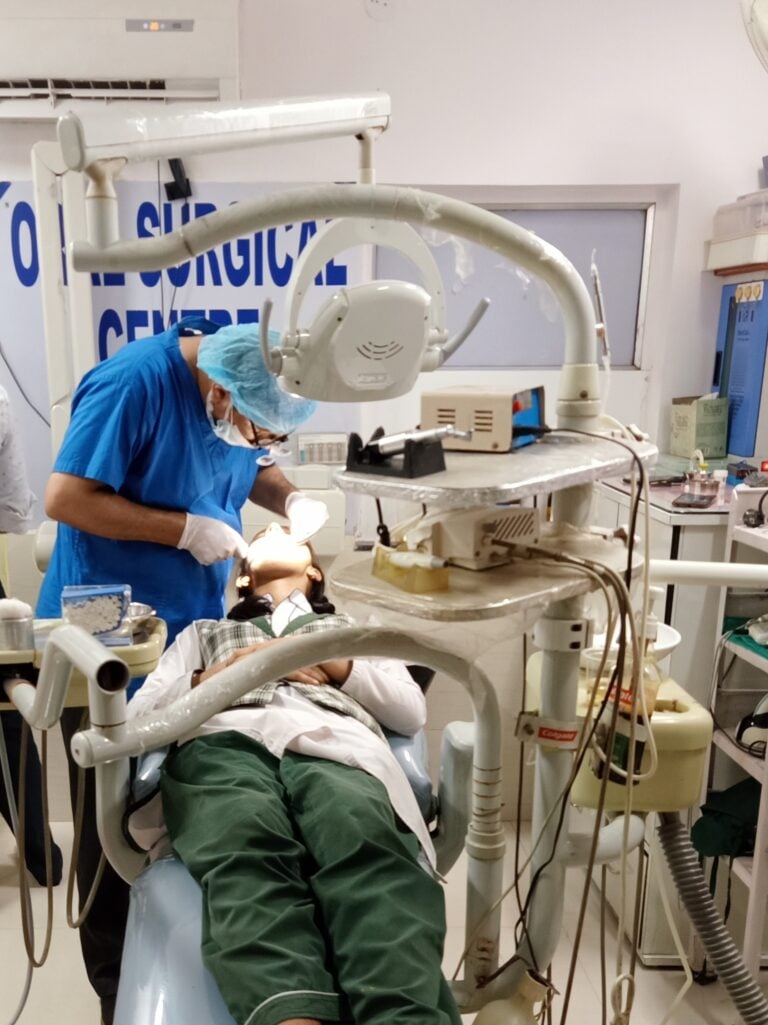
The procedure begins with local anesthesia and area preparation for comfort. The dentist cleans and shapes the canals to remove infected tissue and bacteria, then fills the space—commonly with gutta-percha—to seal against reinfection.
What Minimally Invasive Techniques Are Used in Modern Endodontic Surgery?
Minimally invasive microsurgery and advanced imaging let clinicians work precisely while sparing nearby tissue. These methods reduce damage, improve recovery, and raise the chances of a successful outcome.
What to Expect During Recovery After Root Canal Surgery? Timelines and Pain Management

After surgery you may have a few days of mild swelling and discomfort, usually controlled with over-the-counter pain relievers and cold packs. Most people notice significant relief within several days and can return to normal activities soon after.
What Are Common Post-Operative Symptoms and How Is Pain Managed?
Common post-operative symptoms include mild swelling, tenderness, or sensitivity around the treated tooth. Pain is often managed with cold packs and recommended analgesics. If symptoms persist or worsen after a few days, contact your dental professional for evaluation.
What Are the Alternatives to Root Canal Surgery? Options, Benefits, and Risks
Alternatives can include tooth extraction or monitoring for natural healing. Extraction may relieve pain but often leads to further procedures like implants or bridges. Weigh the benefits and risks of each option before deciding.
How Much Does Dental Root Surgery Cost? Insurance Considerations and Pricing Transparency
Costs vary by location, dental practice, and case complexity. On average, expect to pay roughly $800 to $1,500 for root canal therapy.
How Does Insurance Coverage Impact Patient Out-of-Pocket Expenses?
Insurance affects out-of-pocket costs. Many plans cover part of the procedure, but coverage varies—check your policy to understand what you’ll owe. Financial assistance or payment plans may be available to help manage expenses.
How to Access Emergency Endodontic Care and Same-Day Appointments

If you have severe pain or swelling, seek emergency endodontic care. Many practices offer same-day appointments to provide immediate relief and stabilize infections or trauma.
What Should Patients Expect During Emergency Endodontic Visits?
Expect a focused evaluation, often including diagnostic imaging to determine the extent of the problem. Treatment typically aims to relieve pain quickly and stabilise the condition, followed by recommendations for follow-up care.
This table outlines typical costs for endodontic services and shows how insurance coverage can affect the total expense. Reviewing plan details helps you budget for dental care.
Frequently Asked Questions
Can root canal surgery fail, and what are the signs?
Yes—failure is possible but relatively uncommon. Signs include ongoing pain, swelling, or a new infection at the treatment site. If you notice these, contact your dentist; they may use imaging and consider retreatment or extraction as needed.
How long does a root canal treatment typically take?
Treatment time ranges from about 30 minutes to two hours, depending on the tooth’s condition, the number of canals, and the technique used. Your dentist will provide a more precise estimate after evaluating your case.
Are there specific foods to avoid after root canal surgery?
Avoid hard, crunchy, or sticky foods and very hot drinks right after surgery. Soft options like yogurt, mashed potatoes, and smoothies are easier on the treated area during early recovery. Follow your dentist’s personalised dietary advice.
What complications can arise after a root canal?
Possible complications include infection, persistent pain, or a fracture in the treated tooth. Occasionally a hidden canal or anatomical variation requires further treatment. Regular follow-ups help identify and address issues early.
How can I prevent needing a root canal in the future?
Preventive steps include regular brushing and flossing, biannual dental check-ups, and limiting sugary or acidic foods. Seek prompt care for sensitivity or pain to prevent more serious problems.
What is the success rate of root canal treatments?
Root canal treatments have a high success rate, typically around 85% to 97%. Most patients gain lasting relief and keep their natural tooth for many years. Success depends on the dentist’s skill, the tooth’s condition, and following aftercare instructions.
Conclusion
Endodontic surgery effectively removes infected pulp to save natural teeth and relieve pain. Knowing the signs, the procedure, and recovery helps you act promptly. If you’re facing dental issues, contact your dentist to discuss options and the next steps toward better oral health.