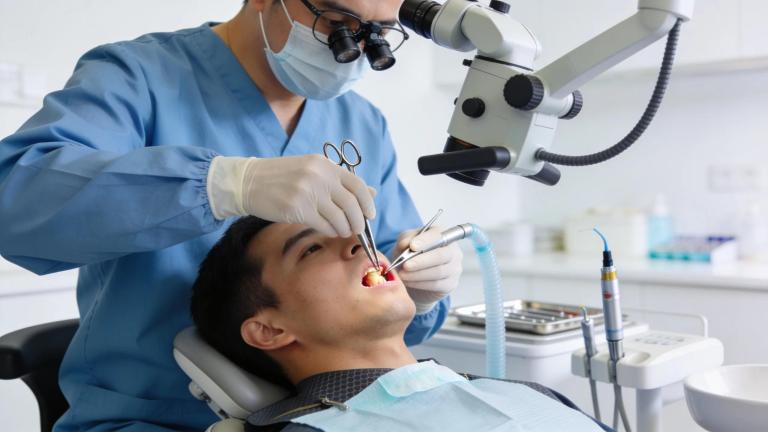
Gentle Endodontic Care & Pain-Free Root Canal Therapy in Bloomingdale, IL for Comfortable and Effective Treatment
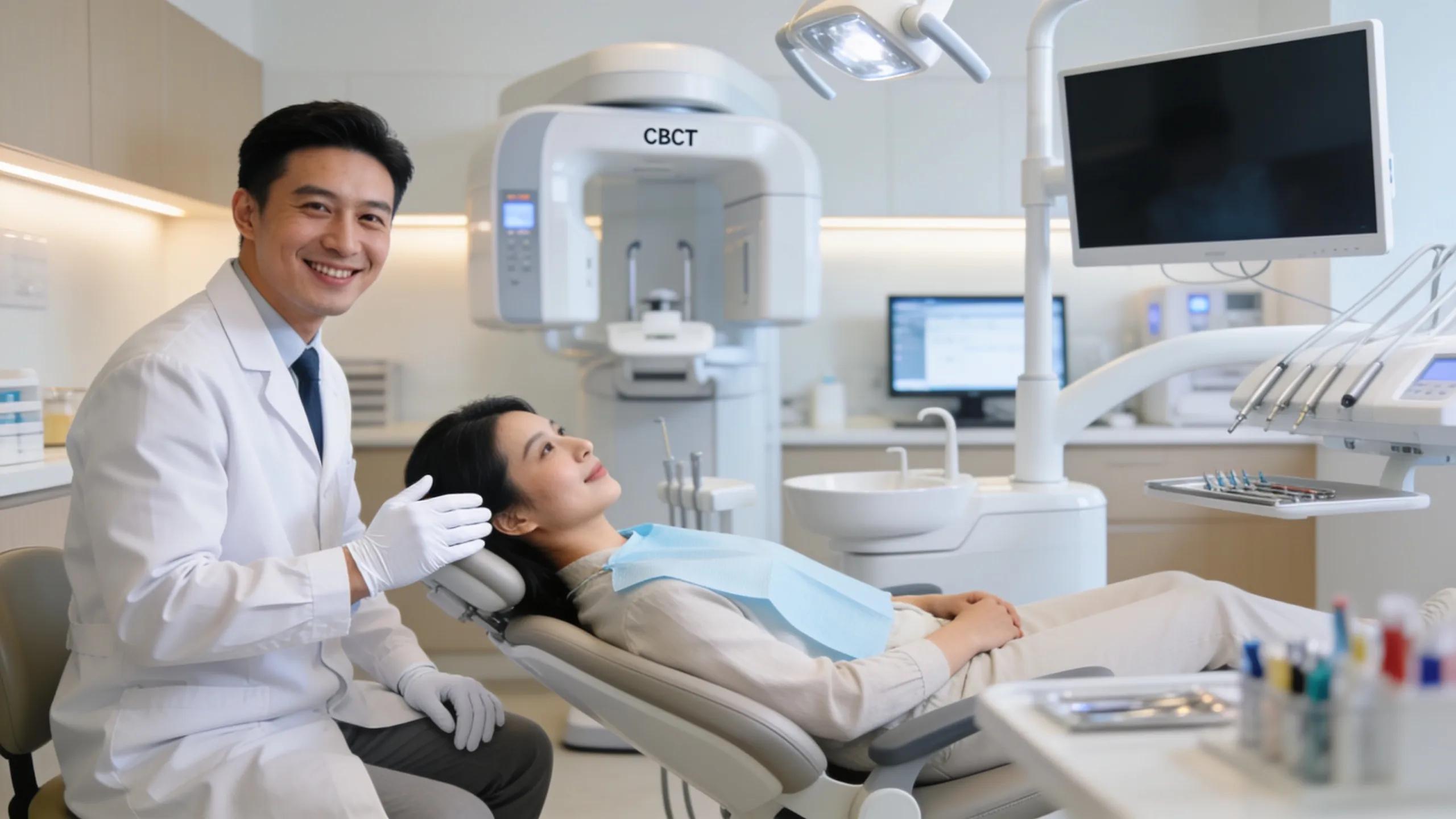
By Zainab Aziz, Anodyne Endodontics
Gentle endodontic care and pain-free root canal therapy are essential for patients seeking relief from dental issues. In Bloomingdale, IL, advancements in endodontic procedures focus on providing a comfortable experience while ensuring effective treatment outcomes. This article explores the techniques, benefits, and effectiveness of pain management during these procedures, ultimately helping patients understand what to expect from their experience. The increasing demand for less invasive dental treatments has led to the development of methods that prioritize patient comfort without compromising the quality of care.
Root canal therapy has often been associated with discomfort, but modern techniques aim to change this perception. Patients often fear pain during the procedure, leading to anxiety and avoidance of necessary dental treatments. Understanding the gentle methodologies and comfort options available informs both potential patients and general dentists about the valuable services that providers like Anodyne Endodontics offer in the Bloomingdale area. In this article, we will cover various aspects, including the techniques used, pain management strategies, and what to expect during an initial consultation.
Techniques Used:
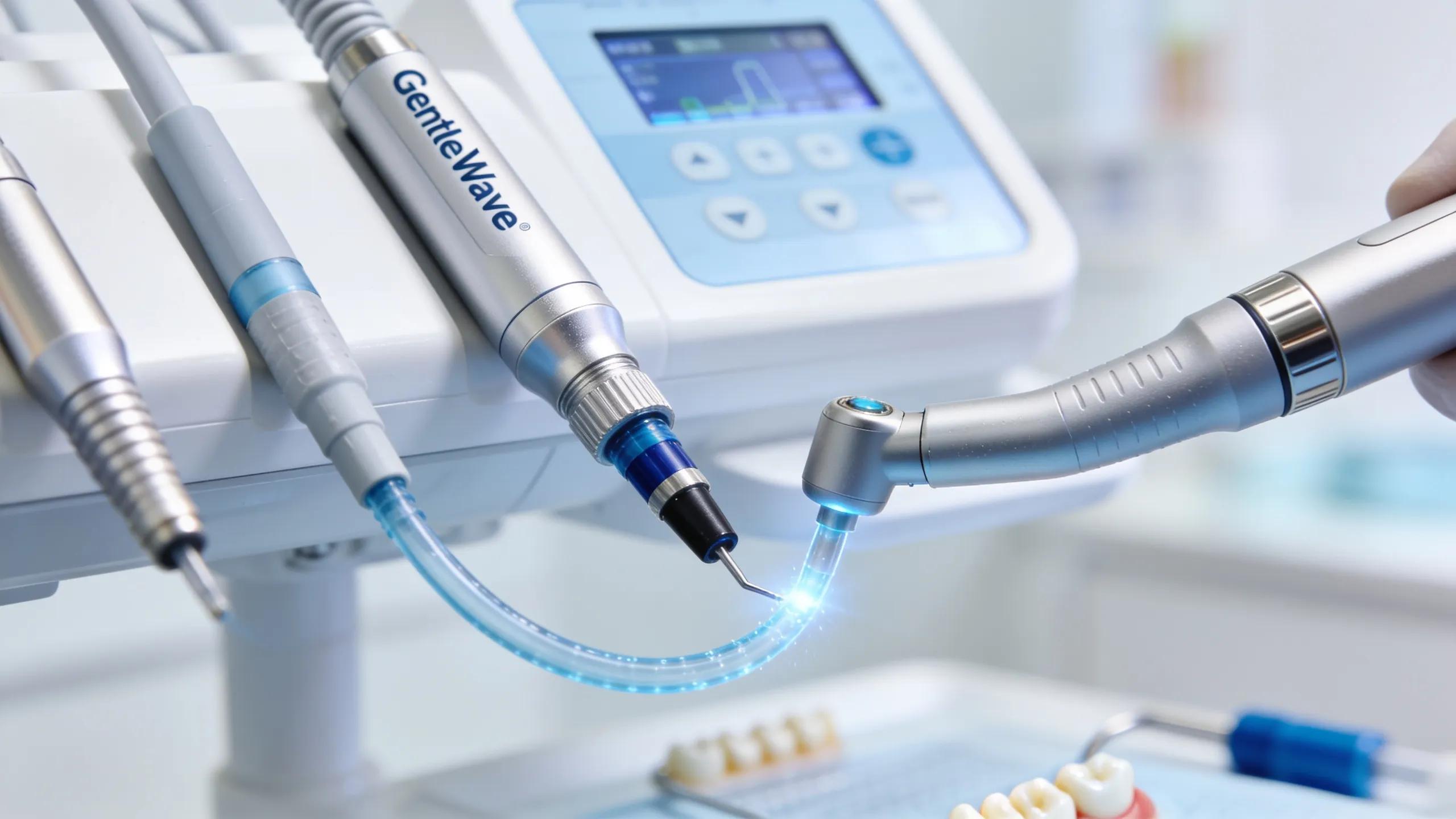
Modern endodontic treatments leverage advanced technologies and techniques to enhance patient comfort and treatment effectiveness. Some of the notable methods include:
- Microsurgical Techniques: These techniques utilize high magnification and precision instruments, allowing for less invasive procedures and improved healing times.
- GentleWave Technology: This innovative approach uses fluid dynamics and sound waves to clean root canals effectively with minimal discomfort.
- 3D CBCT Imaging: This imaging technology offers unparalleled visualization of the root canal system, helping practitioners plan and execute treatments with greater accuracy.
The incorporation of these sophisticated techniques not only improves the efficacy of root canal therapies but also significantly reduces patient anxiety and discomfort. Evaluating these methods underscores the commitment to enhancing patient care.
Benefits of Comfort During Treatment:
Patient comfort during root canal therapy is paramount for a positive experience and can greatly influence treatment success rates. Key benefits of emphasizing comfort include:
- Reduced Anxiety: Modern procedures promote a calming environment that helps alleviate the fears associated with dental visits.
- Increased Satisfaction: Patients who experience less discomfort during procedures are more likely to report satisfaction with their care.
- Greater Treatment Compliance: When patients feel comfortable, they are more likely to seek necessary dental treatments, thus preventing more severe health issues.
Anodyne Endodontics recognizes that comfort-oriented practices can lead to better treatment outcomes and enhanced patient relationships. The emphasis on patient comfort allows for a more positive dental experience that can ease anxiety and promote overall health.
Furthermore, Anodyne Endodontics specializes in scheduling consultations that reflect this understanding of patient needs. Patients can easily discuss their concerns and the procedures available, leading to a more informed decision-making process.
Effectiveness of Pain Management:
Effective pain management is crucial in ensuring that patients remain comfortable during root canal therapy. Various techniques and modalities are employed to achieve optimal pain control:
- Local Anesthesia: Administered at the onset of the procedure, local anesthesia effectively numbs the area being treated.
- Sedation Options: Techniques like nitrous oxide can be offered to enhance patient comfort, alleviating anxiety during treatment.
- Advanced Techniques: GentleWave technology provides less invasive options for cleaning root canals, which can contribute to reduced post-procedure discomfort.
These pain management strategies are designed to create a calm and supportive environment for patients, making their visit as pleasant as possible. By implementing anxiety-reducing measures alongside effective pain management techniques, endodontic professionals can ensure that patients feel safe and cared for throughout their treatment.
Scientific research supports the use of inhalation sedation to improve the quality of the patient experience during endodontic care.
Nitrous Oxide for Pain-Free and Anxiety-Free Root Canal Treatment
The aim of this study is to observe the effectiveness of nitrous oxide in alleviating patient anxiety and pain during endodontic treatment of a vital tooth. Evaluation of the efficacy of nitrous oxide inhalation sedation on anxiety and pain levels of patients undergoing endodontic treatment in a vital tooth: A …, PD Gupta, 2019
What Are the Benefits of Minimally Invasive and Pain-Free Root Canal Procedures?
Minimally invasive and pain-free root canal procedures are characterized by their ability to improve patient outcomes significantly. The benefits include:
- Enhanced Patient Comfort: Patients experience less pain and discomfort, leading to higher satisfaction rates.
- Reduced Recovery Time: Minimally invasive techniques often result in quicker healing times, allowing patients to return to their daily activities sooner.
- Improved Overall Effectiveness: Studies indicate that these advanced techniques can lead to better long-term outcomes and lower rates of complications.
How Does Minimally Invasive Endodontic Therapy Enhance Patient Comfort?
Minimally invasive techniques prioritize patient comfort by utilizing less traumatic methods for accessing the root canal system. Innovations such as GentleWave and specialized instruments allow practitioners to perform procedures with greater precision and less discomfort. These techniques significantly reduce tissue damage during procedures, leading to a quicker recovery and a more positive experience.
What Outcomes Can Patients Expect from Gentle Root Canal Treatments?
Patients undergoing gentle root canal treatments can expect several positive outcomes, including:
- Effective Pain Relief: Most patients experience significant pain relief immediately following treatment.
- Preservation of Natural Teeth: The primary goal of root canal therapy is to save the natural tooth, promoting better long-term oral health.
- High Success Rates: Modern techniques have been shown to yield excellent success rates, often exceeding 90%.
The focus on comfortable procedures, especially with innovative technologies, ensures that patients receive the best possible care while maintaining their dental health.
How Does Anodyne Endodontics Provide Emergency Same-Day Root Canal Appointments in Bloomingdale?
In emergency situations, Anodyne Endodontics is poised to offer same-day root canal appointments specifically designed to accommodate urgent care needs. The process includes several critical steps:
- Immediate Assessment: Upon contact, the first step is to assess symptoms and determine the need for immediate care.
- Same-Day Appointments: Once evaluated, patients can receive treatment on the same day, alleviating pain and discomfort quickly.
- Use of Advanced Technology: The clinic employs the latest technologies to ensure efficient treatment during emergencies, maximizing the chances of a successful outcome.
What Is the Process to Secure a Same-Day Emergency Root Canal Appointment?
- Identify Symptoms: Recognizing signs of severe dental pain or infection is crucial.
- Contact Anodyne Endodontics: Patients should call to discuss their symptoms and arrange an appointment.
- Prepare for the Call: Have necessary information, such as medical history, ready for the conversation to facilitate a prompt response.
This efficient booking system ensures that patients in need of urgent care can receive the support they require without undue delay.
How Are Pain and Anxiety Managed During Emergency Root Canal Care?
- Local Anesthesia Application: To ensure immediate comfort, local anesthesia is administered before any procedures begin.
- Sedation Options: For particularly anxious patients, sedation options such as nitrous oxide are available, helping to create a calm environment.
- Gentle Techniques: The application of gentle and effective methods during the procedure helps further alleviate nervousness and discomfort.
By focusing on tailored pain management and comfort strategies, Anodyne Endodontics prioritizes the well-being of patients undergoing emergency procedures.
Which Sedation and Comfort Options Are Available for Pain-Free Root Canal Therapy?
- Nitrous Oxide: Commonly known as laughing gas, nitrous oxide helps reduce anxiety and creates a sense of calm.
- Oral Sedation: For patients requiring deeper relaxation, oral sedation is provided, which can make procedures feel shorter.
- Micro-Delivery Technique: This advanced technique allows for targeted pain management and improved overall comfort during treatment.
These options ensure that patients can choose the method that best suits their needs, thus enhancing their overall experience.
What Are the Differences Between Local Anesthesia and Sedation Techniques?
- Local Anesthesia: Primarily used to numb the immediate area being treated, allowing patients to remain awake and aware during the procedure.
- Sedation Techniques: Designed to induce a calming effect, these methods help reduce anxiety and discomfort. Unlike local anesthesia, these techniques generally allow for a more profound sense of relaxation during treatment.
Making an informed decision about the use of anesthesia or sedation is essential for fostering a positive dental experience.
How Does Sedation Improve Patient Experience During Root Canal Procedures?
- Reduction in Anxiety: Patients often report feeling more relaxed and less fearful of the procedure when sedation is used.
- Improved Comfort: Sedation techniques tend to heighten overall comfort, allowing patients to tolerate longer procedures without distress.
- Positive Testimonials: Many patients share experiences of less discomfort and anxiety when sedated, showcasing the benefits of these techniques for endodontic care.
This proactive approach not only supports the immediate needs of patients but also fosters long-lasting connections based on mutual trust and care.
How Can General Dentists Refer Patients to Anodyne Endodontics for Specialized Root Canal Care?
- Evaluate Patient’s Condition: Dentists can determine when a root canal might be necessary based on patient symptoms and radiographs.
- Submit Referral with Documentation: Providing detailed documentation of the patient’s dental history helps facilitate a smoother transition to specialists.
- Coordinate Continuity of Care: Effective communication between the general dentist and endodontist ensures that patients receive comprehensive care throughout their treatment journey.
What Is the Referral Process for Dentists in the Chicago Western Suburbs?
- Patient Assessment: General dentists assess symptoms and make preliminary evaluations for root canal treatment.
- Submission of Detailed Referral Information: Dentists are encouraged to submit relevant patient history and diagnostic impressions to Anodyne Endodontics.
- Coordination of Care and Follow-Up: Close collaboration ensures that patients are retained in their ongoing care and that communication remains clear.
This referral procedure supports timely and effective treatment, greatly benefiting patients needing specialized care.
How Does Collaboration Improve Patient Outcomes in Endodontic Care?
- Faster Access to Care: Referring patients promptly reduces wait times for treatment, minimizing discomfort.
- Enhanced Treatment Strategies: Specialists can provide insights that enrich the overall treatment approach, benefitting patient cases.
- Greater Patient Confidence: Patients often feel more reassured knowing that their care team works collaboratively and communicates effectively.
Through these collaborative efforts, patient care in endodontics is fostered, resulting in higher success rates and improved experiences.
What Should Patients Expect During Their Initial Consultation for Gentle Root Canal Therapy?
- Dental Evaluation and X-rays: The dentist performs a comprehensive health evaluation and often takes X-rays to assess the condition of the teeth and support structures.
- Discussion of Symptoms: Patients will have the opportunity to describe their symptoms and any relevant dental history, fostering an open dialog.
- Overview of Treatment Options: The endodontist explains the proposed treatment plan, including the techniques that will be used and their associated benefits.
How Is the Consultation Scheduled and What Information Is Collected?
- Direct Contact Methods: Patients can reach out via phone or through the practice’s website to book an appointment.
- Required Patient Information: Basic patient information, including medical history and current symptoms, is collected during the scheduling process to streamline the visit.
- Preparation for the Consultation: Patients may be asked to prepare any questions or concerns they wish to address during their appointment for comprehensive dialog.
This structured approach ensures efficient use of time and promotes a thorough understanding of patient needs from the outset.
What Diagnostic Steps and Patient Concerns Are Addressed in Consultation?
- Thorough Assessment: A detailed examination is conducted to understand the extent of the dental issue, including imaging if necessary.
- Patient Concerns Addressed Directly: Practitioners take the time to discuss any fears or concerns patients may have, fostering trust and comfort.
- Focus on Clarity and Reassurance: The overall goal of the consultation is to ensure that patients leave feeling informed and reassured about their treatment plan.
This careful approach to assessments and discussions increases patient confidence and promotes a greater sense of security regarding their care.
What Are the Post-Treatment Care Instructions for Pain-Free Root Canal Therapy?

Following a pain-free root canal procedure, patients will receive explicit post-treatment care instructions aimed at promoting healing and recovery. Essential steps typically include:
- Pain Management Strategies: Patients may be advised on specific over-the-counter medications to manage any slight discomfort.
- Dietary Recommendations: Soft food is often recommended shortly after the procedure to avoid any aggravation.
- Activities to Avoid: Patients should refrain from strenuous activities until cleared by their practitioner to ensure proper healing.
Which Activities and Medications Support Healing After Root Canal Procedure?
- Specific Medications: Following the procedure, medications such as ibuprofen or acetaminophen can assist in managing any post-procedural discomfort.
- Hydration Recommendations: Maintaining proper hydration supports overall health and aids in recovery.
- Post-operative Activity Guidelines: Resting and avoiding vigorous activities contribute to optimal healing conditions.
These guidelines empower patients to take an active role in their recovery, ensuring a smoother transition back to their daily activities.
When Should Patients Seek Follow-Up or Emergency Care?
- Signs of Complications: Any swelling, severe pain, or discomfort that worsens should prompt urgent attention.
- Emergency Contact Methods: Knowing how to reach Anodyne Endodontics after hours can facilitate prompt intervention if complications arise.
- Post-treatment Follow-Ups: Patients may be advised on the need for follow-up appointments to monitor healing and assess outcomes.
Understanding these signs and protocols helps maintain dental health and ensures timely intervention when necessary.
How Does Gentle Endodontic Care Contribute to Overall Oral and Systemic Health?
- Preventing Systemic Health Issues: Prompt treatment of root canal infections can help prevent the spread of bacteria, reducing the risk of systemic complications.
- Importance of Treating Infections Promptly: Timely interventions minimize discomfort and the potential for complications, reinforcing the need for proactive dental care.
- Long-Term Benefits of Root Canal Therapy: Successful root canal treatments enhance oral health, contributing to a more extended lifespan for natural teeth.
What Is the Importance of Treating Root Canal Infections Promptly?
- Risks of Untreated Infections: Allowing infections to persist can lead to serious complications, including tooth loss and systemic infections.
- Recommendations for Seeking Prompt Treatment: Dental professionals emphasize the importance of seeking care as soon as symptoms arise to avoid severe consequences.
- Long-Term Tooth