Indigent Dental Care: Affordable and Emergency Solutions for Low-Income Patients
Indigent Dental Care: Affordable and Emergency Solutions for Low-Income Patients
By Zainab Aziz, Anodyne Endodontics
Dental care is a key part of overall health, yet many low-income people face real barriers to getting treatment. This article outlines affordable and emergency dental options for indigent patients, explains how to find local clinics and support programs, and reviews steps you can take to access care. We also cover common challenges and practical approaches to improve access for families on limited incomes.
Key Takeaways
- Indigent dental care programs provide affordable and emergency dental services for low-income patients.
- Government and nonprofit programs like Medicaid and Dental Lifeline Network offer free or reduced-cost dental care.
- Applying for dental assistance involves eligibility checks, documentation, application submission, and follow-up.
- Low-income dental clinics offer preventive, restorative, and emergency dental services with sliding scale fees.
- Affordable root canal treatments are available at community clinics, typically costing between $300 and $1,500.
- Referral processes for endodontic care involve assessment, documentation, and communication between general dentists and specialists.
- Emergency dental services address severe pain, infections, and injuries with same-day appointment options.
- Support resources include organizations like United Way and National Children’s Oral Health Foundation for ongoing dental aid.
- Increased government funding expands service availability, improves resource allocation, and promotes preventive dental care.
What Are Free Dental Care Programs for Indigent Patients?
Free dental programs help low-income people get essential care they otherwise couldn’t afford. They include government initiatives, nonprofits and community health centres that offer services at no charge or reduced cost to close gaps in access.
Which government and nonprofit programs offer free dental care?
Several government and nonprofit programs offer free dental care for indigent patients, including:
- Medicaid: Provides dental coverage for low-income individuals and families, with varying levels of service depending on the state.
- Dental Lifeline Network: Offers a free dental care program through a network of volunteers for those who are elderly, disabled, or medically fragile.
- Health Resources and Services Administration: Supports community health centers that provide comprehensive dental services regardless of ability to pay.
These initiatives are vital to help vulnerable people access essential dental treatment.
How to apply for and enroll in dental assistance programs?
Applying for dental assistance usually follows a few clear steps:
- Determine Eligibility: Check if you qualify for state or federal programs based on income and household size.
- Gather Documentation: Prepare required documents, such as proof of income, identification, and residency.
- Complete Application: Fill out the application forms either online or by visiting the local office overseeing the program.
- Follow Up: After submission, ensure you follow up on the application status to address any additional requirements.
Knowing these steps ahead of time makes it easier to apply and speed up access to care.
How to Find Low Income Dental Clinics Near Me?
Searching for nearby low-income clinics can reduce the cost and stress of getting dental care. These clinics usually offer affordable fees, sliding-scale payments and accept a range of insurance plans to fit tight budgets.
What types of services do low income dental clinics provide?
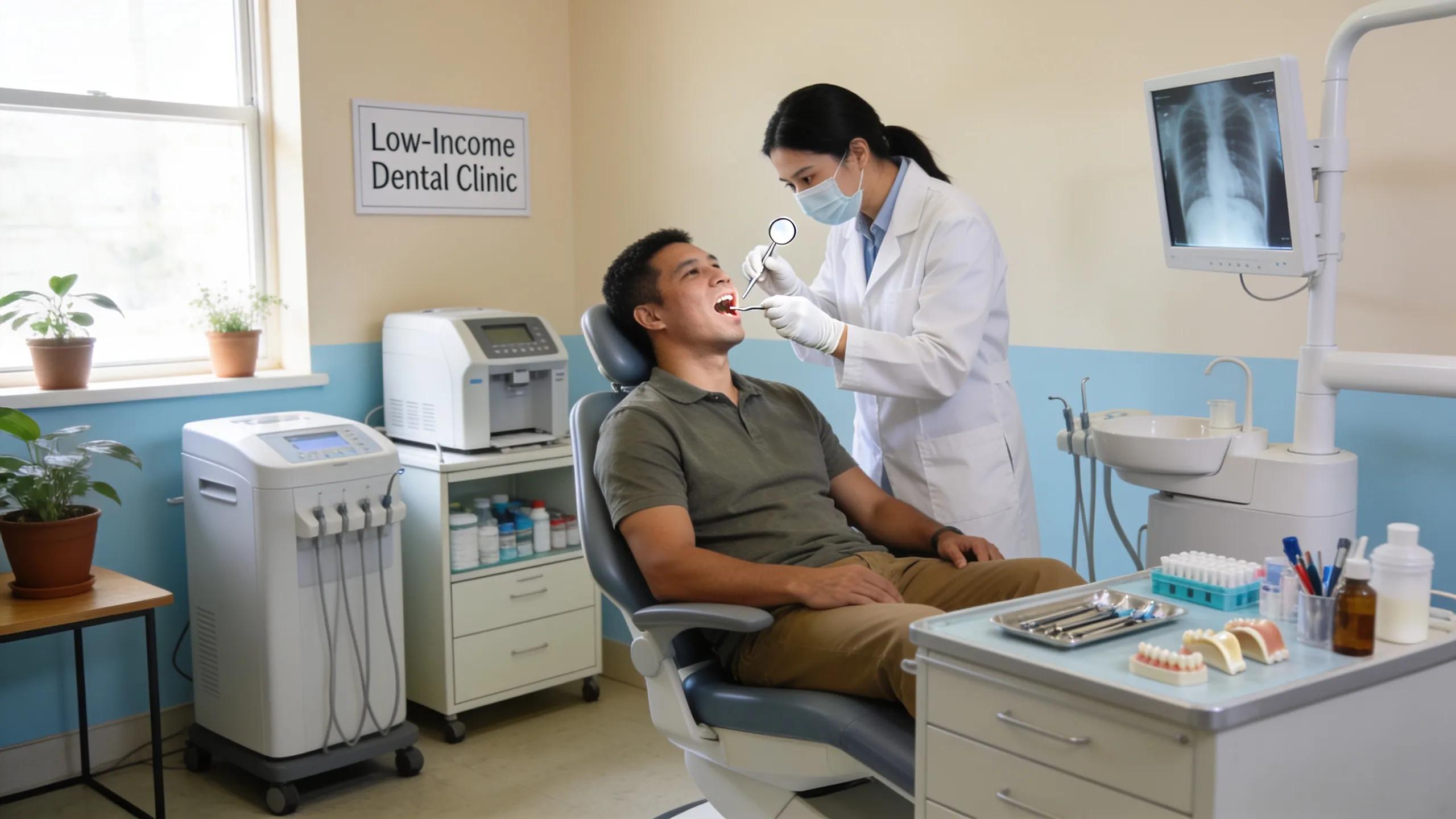
Low-income dental clinics typically offer a range of services, including:
- Preventive Care: Regular check-ups, cleanings, and fluoride treatments to maintain dental health.
- Basic Restorative Services: Fillings, crowns, and extractions to address immediate dental issues.
- Emergency Services: Immediate treatment for dental emergencies, such as severe pain or injury.
These services help families stay healthy without facing large bills.
How to schedule emergency dental services and same-day appointments?
Scheduling emergency care often involves:
- Contacting the Clinic: Call local low-income dental clinics directly and explain the emergency.
- Inquiring About Availability: Ask about same-day appointments and the specific services offered.
- Following Clinic Protocols: Some clinics may require specific documentation or medical history to expedite care.
Calling early and explaining the situation clearly improves the chance of getting same-day treatment.
What Is Affordable Root Canal Treatment for Indigent Patients?
Root canals save infected teeth but can cost a lot. Community clinics and nonprofits often offer lower-cost options so people on limited incomes can get necessary treatment.
How much does a root canal cost for low-income patients?
The cost of root canal treatment for low-income patients can vary widely based on several factors, including the tooth’s condition and the clinic’s location. On average, root canal treatment costs may range from $300 to $1,500. Many low-cost dental clinics offer services on a sliding fee scale, allowing patients to pay based on their income level.
What are the steps involved in root canal therapy at low-cost clinics?
Root canal therapy typically involves the following steps:
- Diagnosis: A thorough examination and X-ray to determine the extent of the infection.
- Anesthesia: Numbing the area surrounding the affected tooth to minimize discomfort.
- Pulp Removal: Removing the infected pulp tissue from inside the tooth.
- Cleaning and Sealing: Cleaning the empty canal and sealing it to prevent future infections.
- Restoration: Fitting the tooth with a crown or filling to restore its function.
Low-cost clinics follow these steps efficiently to keep care affordable and effective.
How to Refer Patients for Endodontic Care?
Referrals to endodontists are key when a case needs specialist care; general dentists usually coordinate the process to ensure a smooth handoff.
What is the patient referral process for endodontic specialists?
The patient referral process typically includes:
- Assessment: General dentists conduct initial examinations to identify patients needing more specialized care.
- Documentation: Referring dentists prepare necessary documentation, including X-rays and medical history.
- Communication: Referrals can be communicated through phone calls or electronic means to the specialists, ensuring a smooth transition.
Clear, complete referrals help patients get timely specialist care.
How can general dentists effectively collaborate with endodontists?
Collaboration between general dentists and endodontists involves:
- Shared Patient Information: Ensuring all relevant health records and treatment expectations are communicated effectively.
- Coordinated Treatment Plans: Working together to create comprehensive treatment plans that address both initial and follow-up care.
- Regular Communication: Maintaining open lines for discussing patient progress and any emerging issues that may arise during treatment.
Good coordination and clear communication improve outcomes for referred patients.
Which Emergency Dental Services Are Available for Indigent Patients?
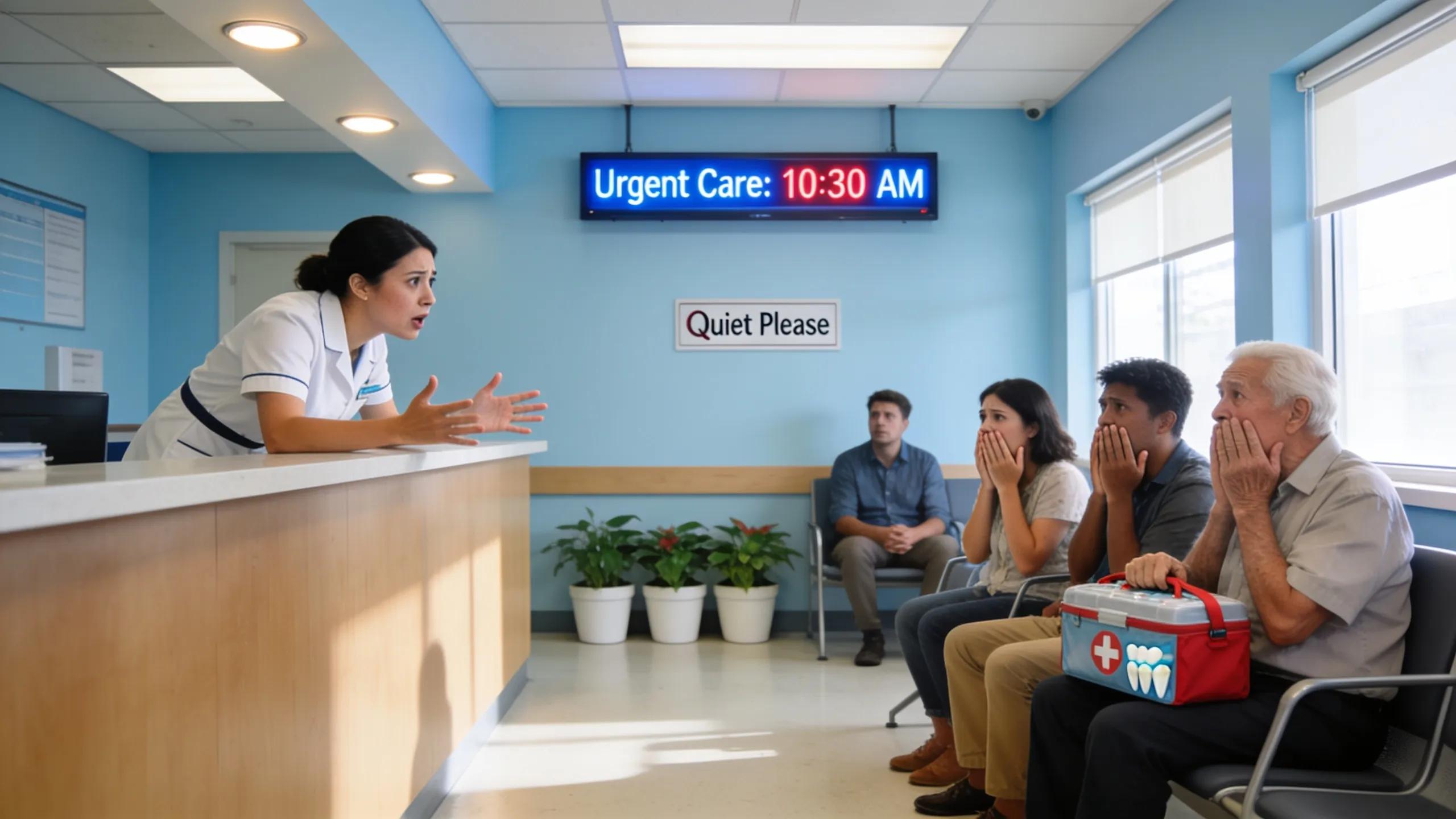
Emergency dental services prevent needless pain and complications for low-income patients by offering prompt care for urgent problems.
What qualifies as a dental emergency for low-income patients?
Dental emergencies can include:
- Severe Pain: Intense toothache or discomfort that disrupts day-to-day activities.
- Infections: Swollen gums or abscesses requiring immediate care.
- Injury: Trauma to the teeth or mouth, necessitating urgent treatment.
Recognising these situations quickly helps you get faster treatment and avoid worse problems.
How to access emergency same-day dental appointments?
To secure emergency same-day dental appointments, patients should:
- Identify Local Clinics: Research which clinics offer emergency services within the area.
- Make Immediate Contact: Call the clinics as soon as the emergency arises to explain the situation clearly.
- Be Prepared to Provide Information: Have relevant information on hand, such as insurance details, identification, and a history of the dental issue.
Acting quickly and giving clear details increases the chance of same-day care and better outcomes.
What Support Resources Exist for Indigent Dental Patients?
Support resources go beyond single visits, offering ongoing help and funding that make long-term dental health more attainable for low-income communities.
Which dental aid programs provide ongoing support and funding?
Several dental aid programs offer long-term support and funding, including:
- The United Way: Connects individuals with local resources and funding for dental care.
- National Children’s Oral Health Foundation: Provides support aimed at improving dental health for underserved children.
- Local Dental Societies: Often have programs or partnerships to offer care at reduced costs for families in need.
These programs help people get continued care they might otherwise miss.
How do recent government funding increases impact indigent dental care?
Recent increases in government funding have positively impacted indigent dental care by:
- Expanding Service Availability: More clinics can open or enhance existing facilities to serve underserved populations.
- Improving Resource Allocation: Increased funding allows programs to extend services to more patients with diverse needs.
- Encouraging Preventive Care: Funding can lead to more community health initiatives focusing on preventive care, reducing future dental crises.
Continued investment helps widen access, target resources better and push preventive care to reduce future emergencies.
Frequently Asked Questions
What are the eligibility criteria for low-income dental programs?
Eligibility usually depends on income, household size and local rules. You’ll often need to show proof of income or other documents. Some programmes prioritise children, older adults or people with disabilities, so check the specific criteria for the clinic or programme you’re applying to.
How can I prepare for my first visit to a low-income dental clinic?
Bring ID, proof of income and any insurance details. Write down symptoms and medications, and arrive a little early to complete paperwork. Being prepared speeds up the process and helps the dental team treat you more efficiently.
Are there specific dental treatments that are not covered by low-income programs?
Many low-income programmes cover core services like cleanings and extractions, but some advanced or cosmetic procedures—such as certain orthodontic work or elective cosmetic dentistry—may be excluded or require extra fees. Always check with the clinic about specific coverage and limits.
What should I do if I experience a dental emergency after hours?
If you have a dental emergency after hours, consider visiting an emergency room or urgent care that handles dental issues. Some dental clinics offer on-call services or after-hours instructions via their answering systems. Keep relevant medical and dental information on hand to help triage your case.
How can community involvement improve access to dental care?
Community action increases awareness and funding for local services. Volunteer clinics, school partnerships and health fairs provide screenings and education, while local advocacy can channel more resources to clinics—making care more available to people who need it most.
What preventive measures can low-income families take for dental health?
Low-income families can reduce dental problems by keeping regular check-ups at low-cost clinics, brushing twice daily, flossing and cutting back on sugary foods and drinks. Community education programmes also offer practical tips to protect long-term oral health.
Conclusion
Affordable dental care is essential for improving health in low-income communities. By using government and nonprofit resources and contacting local clinics, you can find care that fits your budget. Take the first step today by exploring options and booking an appointment—help is available.