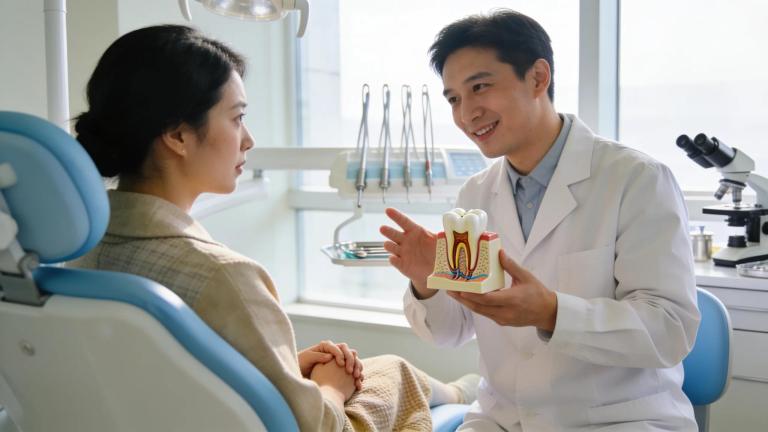
Saving Your Natural Smile: Why Root Canal Therapy is Your Best Option in Bloomingdale, IL

Saving Your Natural Smile with Root Canal Therapy: Expert Care by Root Canal Specialists in Bloomingdale, IL
By Zainab Aziz, Anodyne Endodontics
Maintaining a healthy, natural smile is essential for both aesthetic and functional reasons. One of the leading procedures for preserving teeth that have suffered from decay or infection is root canal therapy. This treatment not only alleviates pain but also saves the natural tooth—a critical aspect of dental health. In Bloomingdale, IL, patients can find specialized endodontic care focusing on advanced techniques to achieve optimal outcomes. This article discusses the benefits and success rates of root canal therapy, the significance of preserving natural teeth, and the expert care available in Bloomingdale, IL. We’ll also explore the detailed process of root canal treatment and the advantages of choosing a specialist for this essential procedure.
Benefits of Root Canal Therapy:
Root canal therapy offers numerous advantages that contribute to overall dental health and well-being. It is a treatment designed to save a damaged or infected tooth while alleviating pain and preserving the integrity of your smile. The benefits of root canal therapy include:
- Pain Relief: Patients often experience significant relief from tooth pain caused by infection or decay.
- Preservation of Natural Teeth: By saving the tooth, individuals can maintain natural tooth alignment and function.
- Cost-Effectiveness: Treating a tooth early with a root canal can prevent more expensive procedures like extraction and replacement.
For residents seeking to preserve their natural teeth, consulting with specialists like Anodyne Endodontics in Bloomingdale, IL, offers an opportunity to utilize advanced treatment methods that enhance success rates and patient comfort.
Success Rates:

The success rates for root canal therapy are impressively high, with studies showing that the effectiveness ranges between 86% to 98%. This high success rate can often be attributed to the expertise of the practitioners and the advancements in technology and techniques used during the procedure. The retention of treated teeth is a critical factor because it supports overall oral health, allowing patients to enjoy a healthier quality of life.
Significance of Preserving Natural Teeth:
Preserving natural teeth is essential for several reasons, including functionality, aesthetics, and bone integrity. Healthy natural teeth contribute to proper chewing, speech, and facial structure. Retaining these teeth can also prevent bone loss, which may occur when teeth are extracted. Therefore, root canal therapy is vital for maintaining a well-functioning smile and supporting long-term oral health.
Highlighting the critical role of root canal treatment in maintaining oral health, recent research emphasizes its foundational status in conservative dentistry.
Root Canal Treatment: A Cornerstone of Conservative Dentistry
Root canal treatment should not be seen as a procedure of last resort, but rather as a cornerstone of conservative dentistry. Promoting awareness of its safety, efficacy, and role in long-term oral health preservation is essential in both clinical practice and patient education. Critical aspects and future directions of root canal treatment to know in dental education: A policy brief, 2025
What Is Root Canal Therapy and How Does It Save Your Natural Tooth?
Root canal therapy, often misunderstood, is a straightforward dental procedure aimed at treating infection or damage to the tooth’s pulp. This therapy involves removing the infected pulp tissue, cleaning and disinfecting the inside of the tooth, and finally sealing it to prevent further infection. This process not only alleviates pain but ultimately saves the natural tooth from extraction.
Root Canal Therapy Overview
The root canal process begins with a thorough examination and may include diagnostic imaging to assess the extent of the damage. After ensuring proper anesthesia, the dentist creates an opening in the tooth to access the pulp chamber. The infected or damaged pulp is carefully removed, and the interior of the tooth is cleaned to eliminate bacteria and debris. Following this, the tooth is sealed to protect it from further issues.
Recovery Process:
Post-treatment recovery from a root canal is generally manageable. Patients might experience mild discomfort, which can usually be alleviated with over-the-counter pain medication. It’s essential to follow the dentist’s aftercare instructions, which may include avoiding hard foods and scheduling a follow-up visit to assess healing. With proper care, many patients report feeling significantly better within a few days.
Expert Care in Bloomingdale, IL:

Receiving care from specialized endodontic practitioners like those at Anodyne Endodontics in Bloomingdale ensures patients experience the highest level of service. The practice employs advanced technology and techniques to provide efficient and comfortable root canal therapy. Their focus on patient care and expertise in using state-of-the-art equipment contributes to successful treatment outcomes, minimizing discomfort and enhancing recovery times.
How Does Root Canal Treatment Work Step-by-Step?
Root canal treatment is a well-established procedure involving several critical steps:
- Consultation: The initial appointment typically involves diagnostic imaging and a discussion of symptoms to determine the need for a root canal.
- Anesthesia: Local anesthesia is administered to ensure the patient is comfortable throughout the procedure.
- Cleaning: The dentist cleans out the affected pulp and shapes the root canals to prepare them for filling.
- Sealing: The cleaned canals are then filled with a sealing material to prevent future infections.
- Restoration: After a root canal, a crown may be needed to restore the tooth’s strength and appearance.
Why Choose a Root Canal Specialist in Bloomingdale, IL?
When it comes to root canal therapy, seeking a specialist can greatly impact treatment success. Root canal specialists, or endodontists, undergo additional training to master the complexities of dental pulp and root canal systems. This specialized knowledge allows them to handle even the most challenging cases, improving outcomes significantly.
How Does Specialist Care Improve Treatment Success Rates?
The training and expertise of root canal specialists significantly enhance treatment success rates. They utilize advanced imaging technology and are skilled in efficient, less invasive techniques that preserve more of the natural tooth structure. This expertise translates into a greater likelihood of successful treatment and reduces the risk of complications post-treatment.
How Can Emergency Same Day Root Canal Appointments Preserve Your Smile?
In cases of severe tooth pain or dental trauma, timely intervention is crucial. Emergency same-day root canal appointments can provide immediate relief and preserve the natural tooth. Fast action can prevent further decay or damage and allow patients to return to their daily routines quickly.
What Is the Process for Booking a Same Day Root Canal Appointment?
Booking a same-day root canal appointment is straightforward and involves a few essential steps:
- Contacting the Office: Patients should reach out to the dental practice and explain their symptoms.
- Describing Symptoms: Providing detailed information about the pain and any preceding issues helps the staff evaluate urgency.
- Confirming Appointment: Once the symptoms are assessed, an appointment can be confirmed for immediate care.
When Should You Seek Emergency Root Canal Therapy?
Recognizing the signs of needing emergency root canal therapy is vital for preventing further complications. Symptoms warranting immediate care include:
- Severe Tooth Pain: Intense or persistent discomfort is often a sign of infection.
- Swelling: Swelling in the gums or surrounding areas may indicate an abscess.
- Increased Sensitivity: Heightened sensitivity to hot or cold sensations may require prompt evaluation.
What Are the Benefits of Saving Natural Teeth With Root Canal Therapy?
Saving natural teeth through root canal therapy has significant health advantages. It helps maintain oral function, supports facial aesthetics, and encourages overall bone health. Additionally, preserving your natural teeth is often more cost-effective than undergoing extraction and subsequent replacement procedures.
How Does Preserving Natural Teeth Improve Oral Health?
Maintaining natural teeth is critical for good oral health. They support jawbone integrity and help maintain proper alignment, which can affect speech and eating. Natural teeth also contribute to a balanced bite and prevent shifting of adjacent teeth, which can lead to further dental complications.
What Are the Long-Term Outcomes of Successful Root Canal Treatment?
The long-term outcomes of successful root canal treatment are generally positive, with many patients enjoying functional, pain-free teeth for years. Root canal-treated teeth have a high retention rate, with well-maintained teeth often lasting a lifetime. This outcome is primarily achieved through careful aftercare and regular dental visits.
How Does the Referral Process Work for General Dentists in the Bloomfield Area?
The referral process for general dentists in the Bloomingdale area to specialists like Anodyne Endodontics typically involves an initial assessment of the patient’s needs. If a root canal is indicated, dentists will provide necessary documentation and x-rays to facilitate a smooth transition to the specialist.
What Information Do Dentists Need to Refer Patients to Anodyne Endodontics?
For a successful referral, general dentists should prepare the following information:
- Patient History: A comprehensive overview of the patient’s dental and medical history.
- Clinical Notes: Observations regarding symptoms and prior treatments.
- X-rays: Diagnostic imaging to help specialists plan treatment.
How Can Referring Dentists Support Patient Care During Root Canal Therapy?
Referring dentists play a crucial role in supporting patient care by facilitating timely communication and coordinated appointments. They can also provide post-treatment follow-up to monitor the patient’s recovery, ensuring a comprehensive approach to the patient’s dental health.
What Should Patients Know Before and After Root Canal Therapy?
Before undergoing root canal therapy, patients should understand what to expect and prepare accordingly. Questions about anesthesia, the procedures involved, and potential downtime are essential for setting realistic expectations. Following treatment, patients should adhere to the dentist’s aftercare instructions to promote healing.
How Painful Is Root Canal Therapy and What Are Pain Management Options?
Contrary to common misconceptions, root canal therapy is generally not painful. Local anesthesia is used to numb the area, ensuring a comfortable experience. Post-treatment, mild discomfort may occur, but this can typically be managed effectively with over-the-counter pain relievers.
What Is the Expected Recovery Period and Care After Root Canal Treatment?
After a root canal, patients can expect some soreness that may last a few days. Recovery typically involves rest and adherence to the dentist’s guidelines for care and follow-up appointments. Most patients return to their normal activities within a day or two.
How Does Advanced Root Canal Technology Enhance Treatment in Bloomingdale?
Advanced root canal technology significantly improves treatment efficiency and patient comfort. Techniques such as rotary endodontics and advanced imaging systems allow for more precise cleaning and filling of the root canals, reducing treatment time and enhancing overall outcomes.
What Are the Latest Techniques Used by Anodyne Endodontics?
Anodyne Endodontics utilizes the latest techniques in root canal therapy, including minimally invasive methods aimed at preserving as much healthy tooth structure as possible. Their focus on cutting-edge technology ensures that patients receive effective and efficient treatment tailored to their needs.
How Do These Technologies Improve Emergency and Routine Treatments?
The adoption of advanced technologies in root canal procedures improves both emergency and routine treatments by increasing the accuracy and speed of diagnoses and interventions. This technological evolution allows for a more streamlined approach, minimizing discomfort and optimizing patient care.
Where Can You Find Patient Testimonials and Case Studies on Root Canal Success?
Patients looking for testimonials and case studies on the success of root canal therapy can often find resources on the websites of specialized clinics like Anodyne Endodontics. These accounts provide valuable insight into the experiences of others and the effectiveness of the treatments offered.