Tooth Abscess Warning Signs You Should Never Ignore
A tooth abscess is a pocket of infection caused by bacteria reaching the inner pulp or the tissue around a tooth’s root. It is one of the more serious dental problems because it will not resolve on its own and can spread if left untreated. Knowing the warning signs — and acting on them — protects both your tooth and your overall health.
What Are the Warning Signs of a Tooth Abscess?
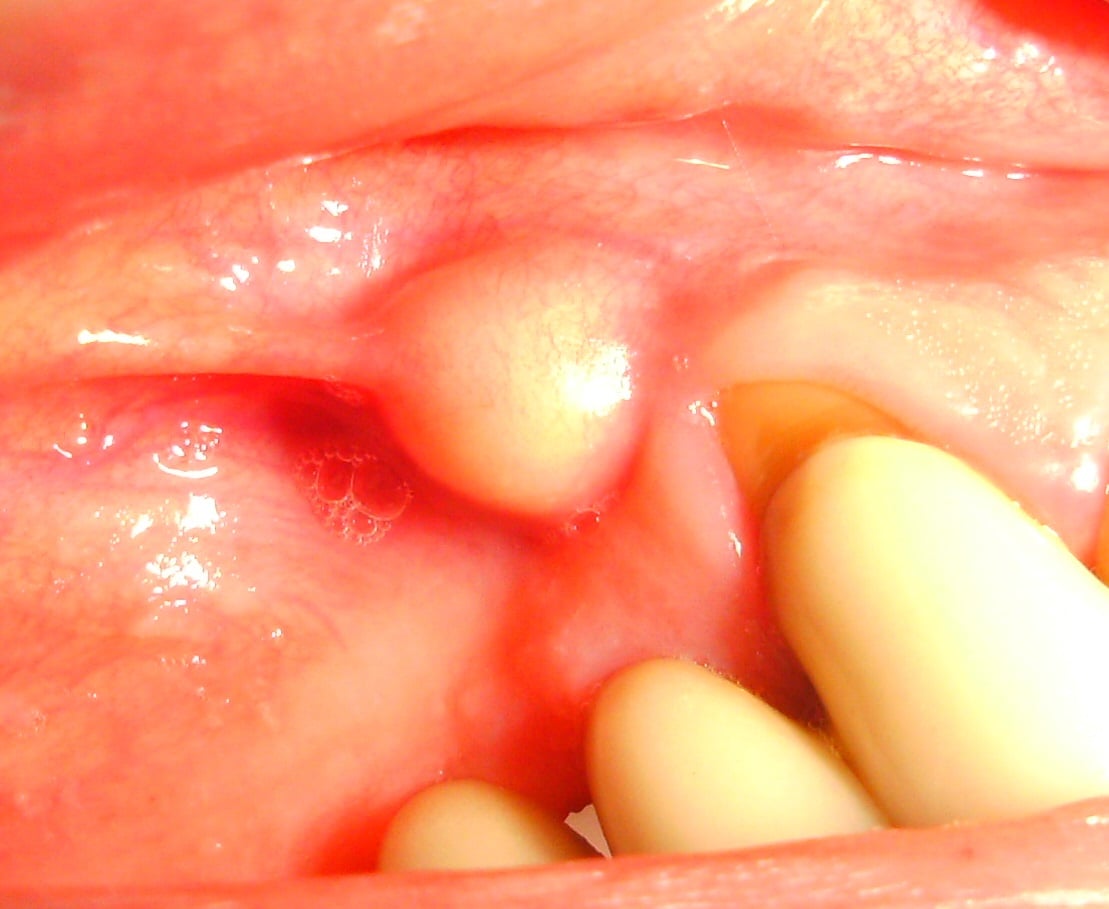
The most common signs of a tooth abscess include a persistent, throbbing toothache, sensitivity to hot and cold, pain when chewing, swelling in the gum, face, or jaw, a pimple-like bump on the gum (a “gum boil”), a bad taste or foul odor, tender or swollen lymph nodes, and sometimes fever. Pain that suddenly stops can be misleading — it may mean the nerve has died while the infection continues.
Why You Should Never Ignore an Abscess
An untreated abscess can spread to surrounding bone and tissue and, in rare cases, become a serious systemic infection. Seek urgent care right away if swelling spreads to your face or neck, you develop a fever, or you have difficulty breathing or swallowing. These can be signs of a medical emergency.
How Is a Tooth Abscess Treated?
Treatment focuses on eliminating the infection and saving the tooth whenever possible. For an abscess originating inside the tooth, root canal therapy removes the infected pulp, disinfects the canals, and seals the tooth. In some cases antibiotics help control spreading infection, but they do not replace the need to treat the source. When a previous treatment has failed, endodontic microsurgery may be recommended.
The Anodyne Approach
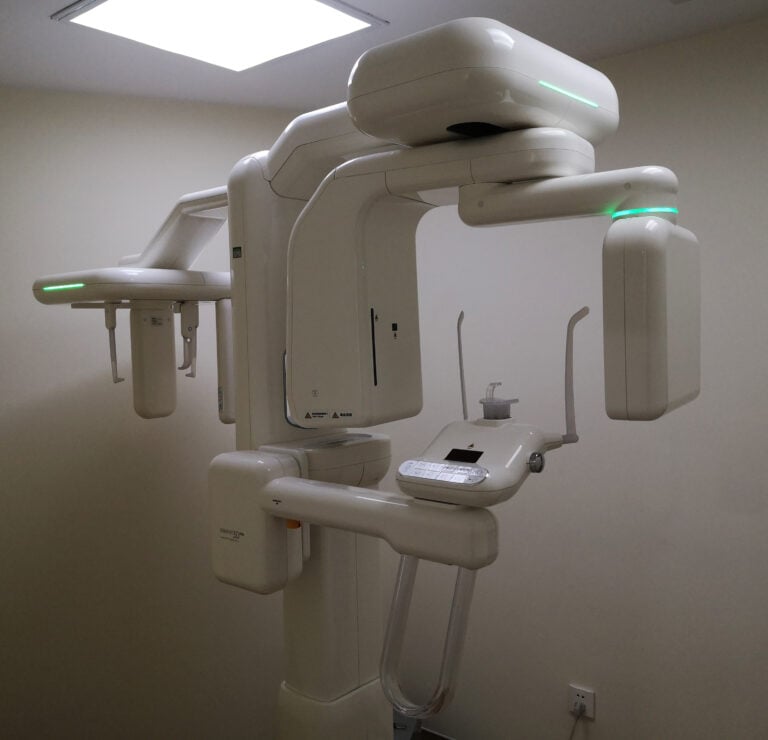
Dr. Aziz uses 3D imaging and microscopic precision to locate the source of infection accurately and treat it conservatively, preserving as much natural tooth structure as possible. Early treatment almost always means a simpler procedure and a better outcome.
Tooth Abscess FAQs
Can a tooth abscess go away on its own?
No. An abscess is an active infection that will not heal without professional treatment. Even if pain temporarily fades, the infection typically remains and can spread.
Is a tooth abscess a dental emergency?
It can be. Significant swelling, fever, or difficulty breathing or swallowing require immediate care. Any suspected abscess should be evaluated promptly to prevent the infection from worsening.
Will I need a root canal for an abscessed tooth?
If the infection began inside the tooth, root canal therapy is the usual treatment to remove the infection and save the tooth. Your endodontist will confirm the best option after an exam and imaging.
Schedule a Consultation in Bloomingdale, IL
Anodyne Endodontics serves Bloomingdale and the surrounding DuPage County communities — including Glendale Heights, Carol Stream, Roselle, Glen Ellyn, Wheaton, Lombard, Addison, and Itasca. To learn more or request a consultation with Dr. Zainab Aziz, call 659-ANO-DYNE (659-266-3963) or visit our contact page.