Compassionate Endodontic Care in Bloomingdale, IL: What to Expect During Your Root Canal

Compassionate Endodontic Care in Bloomingdale, IL: What to Expect During Your Gentle Root Canal Treatment
By Zainab Aziz, Anodyne Endodontics
Compassionate endodontic care emphasizes patient comfort while addressing dental issues, particularly during root canal treatments. This article explores the various aspects of what patients can expect during their root canal experience at Anodyne Endodontics. From understanding the procedure to managing anxiety, we aim to demystify the process and highlight the compassionate care that helps alleviate common concerns. Root canal therapy can evoke anxiety in many patients, yet compassionate care strategies can significantly improve this experience, guiding patients through every step with assurance and support. Throughout the article, we break down information into key sections, so readers can easily digest the critical steps, anxiety management techniques, and what post-treatment recovery looks like.
What Are the Key Steps in a Root Canal Procedure Explained?
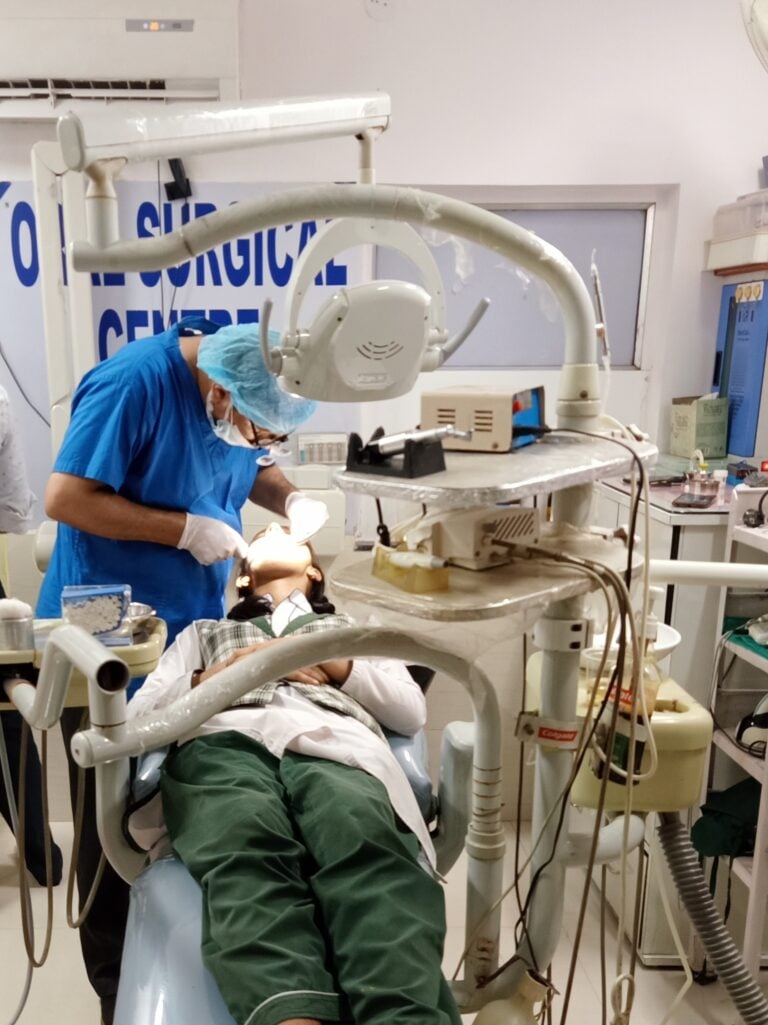
A root canal procedure is performed to save a tooth that is infected or decayed. The key steps include an initial consultation, where the dentist or endodontist assesses the need for treatment and explains the process. The first step involves administering local anesthesia to ensure the patient is comfortable throughout the procedure. Following this, the dentist removes the infected pulp tissue, cleans the root canals, and seals them to prevent future infections. Finally, the tooth may require restoration with a crown or filling, depending on its condition after the root canal.
Initial Consultation and Assessment
During the initial consultation, the endodontist evaluates the patient’s dental health. X-rays are usually taken to determine the extent of the infection and the root canal’s anatomy. Patients can expect a thorough explanation of the procedure, addressing their concerns and questions.
Anesthesia and Patient Comfort Measures
Local anesthesia is administered to minimize discomfort. For patients with severe anxiety, additional sedation options may be discussed, allowing them to feel more relaxed during the procedure. The focus is on ensuring that patients experience as little pain as possible at every stage of care.
Post-treatment Care and Follow-up
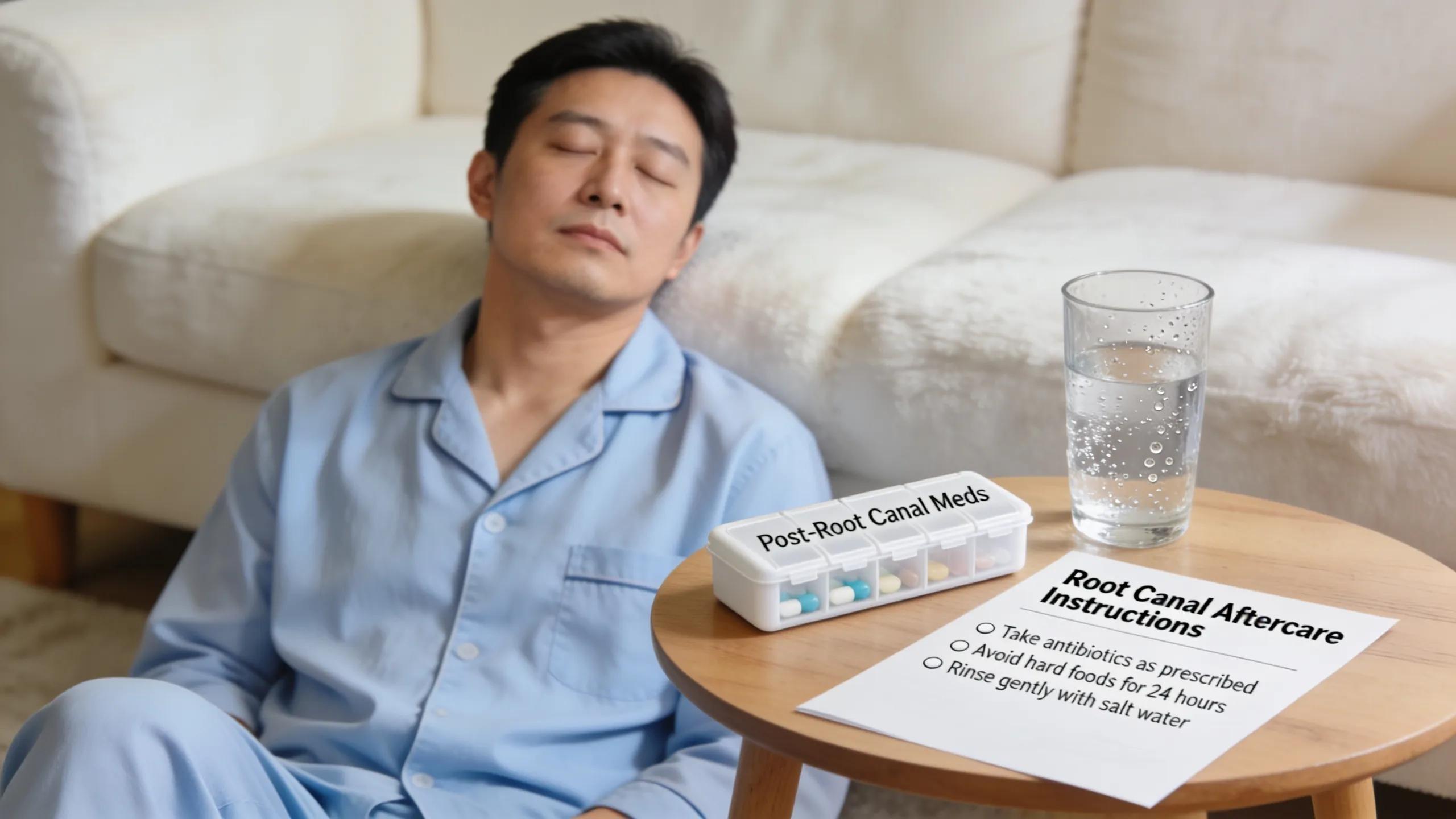
Post-treatment care involves instructions on how to care for the tooth and surrounding area as it heals. Patients may be advised on the use of over-the-counter pain relief medications and should follow up with their dentist as necessary to monitor healing.
How Does Anodyne Endodontics Perform Gentle Root Canal Treatments?
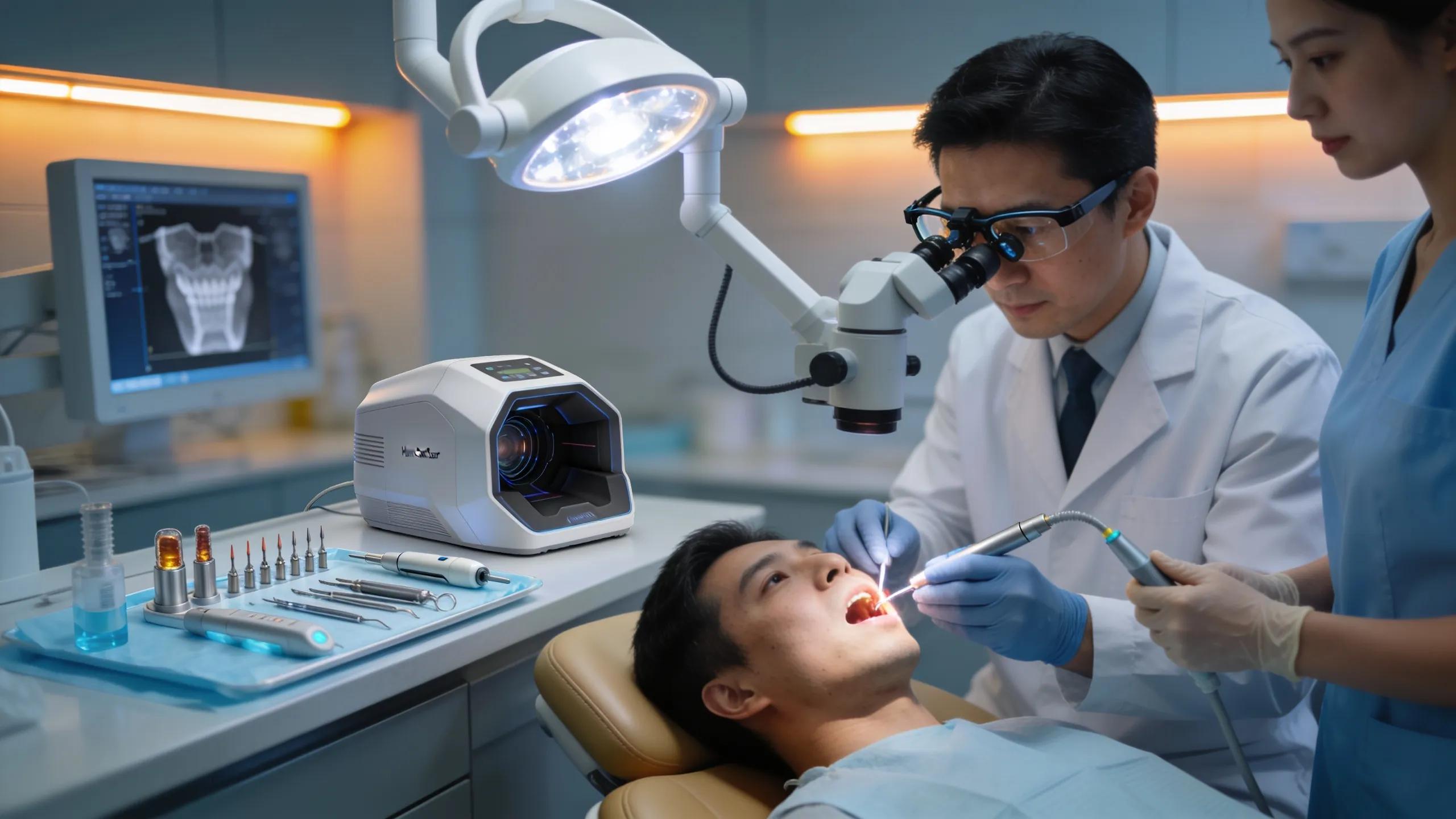
At Anodyne Endodontics, gentle root canal treatments utilize advanced techniques and modern technologies. This approach aims to enhance the patient experience, making each visit as comfortable as possible while effectively addressing dental issues.
Advanced Technology for Precision
Modern root canal procedures at Anodyne employ advanced imaging technology and precision instruments that enhance the treatment’s effectiveness. This allows the endodontist to accurately visualize the root canal system and deliver precise treatment, minimizing discomfort.
Personalized Patient Care
Personalized care is a cornerstone of the practice. Patients are treated according to their individual needs and anxieties, ensuring a supportive environment. The staff is trained to communicate effectively with patients, helping them feel at ease during their visit.
Sedation Options for Anxiety Relief
For patients experiencing dental anxiety, Anodyne Endodontics provides different sedation options. These may include nitrous oxide (laughing gas) or oral sedation to help patients relax, making the procedure more manageable.
What Is the Typical Timeline and Process During Root Canal Therapy?
Understanding the timeline for root canal therapy can help patients prepare mentally and physically for the procedure. Typically, the process can be completed in one to two visits, depending on the tooth’s condition.
Duration of Each Treatment Step
The actual root canal procedure may take about one to two hours, depending on the complexity of the case. The timing can vary based on how many canals are being treated and the degree of infection present.
Patient Preparation for the Procedure
Patients should arrive at their appointment well-rested and may be advised to eat lightly before the procedure if sedation is not used. Discussing any medications currently taken helps ensure a safe treatment plan.
Recovery Time Expectations
Most patients can expect some tenderness after the procedure, which can often be managed with over-the-counter pain relief. Full recovery usually takes a few days, depending on the individual’s healing process.
How Can Root Canal Anxiety Be Effectively Managed?
Managing anxiety before and during a root canal treatment is crucial for a successful experience. Various techniques can help alleviate these feelings, allowing patients to receive the care they need without stress.
Understanding Patient Fears
Recognizing the common fears associated with dental procedures is the first step in managing anxiety. Many patients fear pain, the unknown nature of the procedure, or potential outcomes, which can be addressed through clear communication.
Communication and Reassurance Techniques
Communication plays a key role in alleviating anxiety. At Anodyne Endodontics, patients are encouraged to voice their concerns, enabling the dental team to provide reassurance and detailed explanations of each step.
Effective Sedation Methods Used
The endodontic practice employs effective sedation techniques tailored to each patient’s anxiety level. Whether opting for nitrous oxide or oral sedatives, these methods are selected to ensure comfort for all patients throughout their treatment.
Which Patient Anxiety Relief Techniques Are Used at Anodyne Endodontics?
Anodyne Endodontics employs a variety of anxiety relief techniques designed to create a calming atmosphere for patients undergoing root canal procedures.
Types of Sedation Available
Patients can choose from different sedation options, including nitrous oxide and sedation dentistry methods that make the treatment process feel less daunting. Understanding these options allows patients to select what feels most comfortable to them.
Techniques for Calming Anxious Patients
The practice utilizes several calming techniques, such as guided imagery and relaxation exercises, that the staff can walk patients through before and during the procedure. These methods help in reducing anxiety levels.
Post-procedure Support
Following the treatment, continued support is offered to ensure that patients feel comfortable and secure during recovery. Clear instructions and direct lines of communication with the office help answer any post-treatment concerns swiftly.
What Sedation and Relaxation Options Help Ease Root Canal Anxiety?
Sedation and relaxation options are vital for patients who experience anxiety about dental work. These strategies help create a more bearable experience during root canal procedures.
Comparison of Sedation Techniques
The sedation techniques available may vary in intensity, and each is designed to suit different levels of anxiety. For some, mild sedation may be adequate, while others may require deeper sedation methods.
Patient Preferences and Choices
Patients should be informed about their options and involved in the decision-making process, allowing them to choose the method they feel most comfortable with. Empowering patients this way contributes to a positive overall experience.
Safety of Sedation Options
Safety is a primary concern when using any form of sedation. Anodyne Endodontics is committed to ensuring that all sedative methods are administered by qualified professionals, closely monitoring patients throughout the procedure.
What Root Canal Pain Relief Options Are Available During Treatment?
Pain management is a key component of ensuring patient comfort throughout the root canal procedure. Various effective pain relief options are available, tailored to meet individual needs.
Different Medications Used
Over-the-counter pain medications can be provided before and after the procedure to help manage any discomfort. In certain cases, prescription pain relievers may be recommended depending on the severity of the treatment.
Patient-controlled Anesthesia Options
For patients who are particularly concerned about pain, patient-controlled anesthesia options may be available, allowing them to manage their comfort levels proactively.
Post-treatment Pain Management Tips
After the procedure, following specific aftercare guidelines is essential. These may include taking prescribed medications and adhering to dietary advice to facilitate a smooth recovery.
How Does Modern Pain Management Ensure a Comfortable Root Canal Experience?
Advancements in pain management techniques consistently improve the patient experience during root canal treatments. The latest technologies and methods are designed to enhance comfort and minimize discomfort.
New Technologies in Pain Management
Modern practices utilize advanced pain management tools, such as digital imaging and precise instruments, to significantly improve treatments. These innovations allow for a more refined approach, contributing to overall patient comfort.
Patient Feedback on Comfort
Feedback from patients is invaluable for practices like Anodyne Endodontics. By assessing patient responses, the practice continuously adapts and enhances pain management strategies to align with patient needs.
Long-term Effects of Pain Management Techniques
The long-term effectiveness of modern pain management methods ensures that patients leave their appointments with minimal discomfort. This commitment to patient care solidifies Anodyne Endodontics’ reputation as a leader in compassionate endodontic care.
Are There Minimally Invasive Techniques That Reduce Pain and Recovery Time?
Minimally invasive techniques in endodontics have transformed root canal procedures, offering patients quicker recovery times and reduced discomfort.
Advantages of Minimally Invasive Approaches
These techniques typically involve smaller access points, resulting in less trauma to surrounding tissues. This approach not only aids in pain reduction but also helps patients heal faster.
Technology Used in These Techniques
Endodontists may use rotary instruments and advanced imaging technologies to ensure precise treatment while minimizing tissue disruption during procedures, making recovery smoother for patients.
Expected Patient Outcomes
Patients can generally expect quicker recovery times alongside enhanced pain management, which collectively fosters a more positive experience throughout the entire treatment process.
How Does Emergency Same Day Endodontic Care Work in Bloomingdale, IL?
Emergency dental care is crucial for patients experiencing sudden pain or other dental issues. Anodyne Endodontics offers same-day care for these urgent situations.
How to Recognize a Dental Emergency
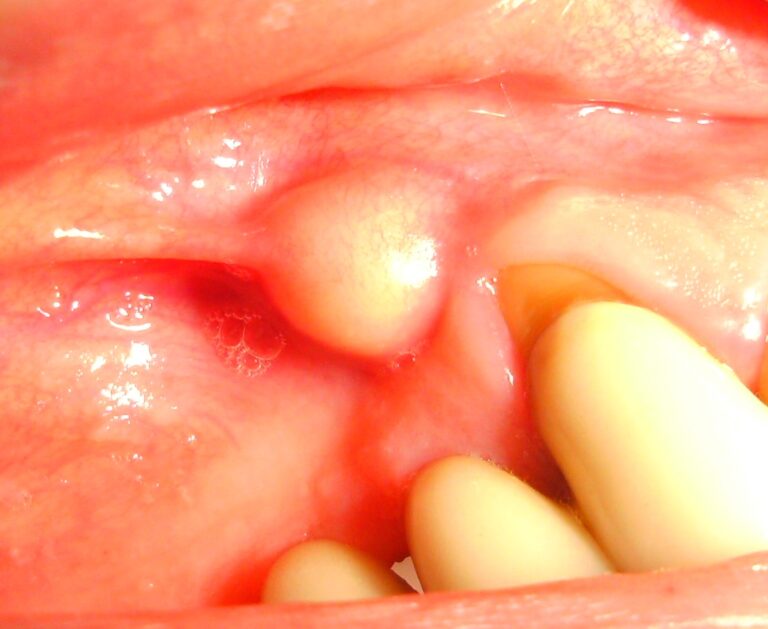
Signs of a dental emergency include intense pain, swelling, or signs of infection, such as fever. Patients should promptly seek care to prevent further complications and pain.
Steps to Schedule an Emergency Appointment
Patients in need of emergency care can contact Anodyne Endodontics directly to schedule an appointment. The staff is prepared to accommodate urgent cases to alleviate discomfort promptly.
What to Expect During an Urgent Visit
During an emergency visit, the endodontist will assess the situation and initiate treatment as necessary. Patients can expect detailed explanations about the procedures being performed to address their emergency needs.
What Are the Criteria for Scheduling an Emergency Root Canal Appointment?
Not every dental issue requires immediate attention; however, certain criteria signal the need for urgent care to prevent further complications.
Symptoms Indicating the Need for Urgent Care
Common symptoms that necessitate immediate evaluation include profound toothache, swelling, or drainage from gums. If patients experience any of these symptoms, contacting a professional immediately is crucial.
How to Prepare for an Emergency Visit
Patients should be prepared to provide their dental history and current medications at the appointment. This information helps the endodontist deliver safe and effective care.
Follow-up Care Considerations
Post-emergency treatment, patients will receive clear follow-up care instructions to ensure proper healing and reduce the risk of further complications.
How Does Anodyne Endodontics Ensure Rapid Response for Urgent Care?
Anodyne Endodontics prioritizes rapid response to emergency cases, reflecting its commitment to patient care and comfort.
Immediate Patient Communication Methods
The office has established protocols to ensure patients can easily reach out in an emergency, including phone assistance and online inquiry forms, facilitating timely responses.
Segments of the Practice Dedicated to Emergencies
Specific time slots within the practice’s schedule are allocated for urgent cases, ensuring that patients receive prompt attention when critical dental issues arise.
Patient Feedback on Urgency of Care
Regular assessment of patient feedback ensures that the practice continuously improves its processes, maintaining high standards for emergency response.
Why Should General Dentists Refer Patients to Anodyne Endodontics in Bloomingdale?
General dentists play a key role in patient referrals, particularly for complex endodontic cases requiring specialized care.
Clinical Expertise in Endodontics
Anodyne Endodontics is staffed with experts in the field who are trained to handle complicated root canal procedures, ensuring that patients receive the highest standard of care.
Ease of Referral Processes
The practice maintains a streamlined referral process, making it simple for general dentists to refer their patients while ensuring continuity of care.
Feedback from Referred Patients
Patients frequently provide positive feedback about their experiences at Anodyne, reaffirming the value of referrals to ensure patients receive the best specialized care available.
What Is the Referral Process and How Does It Benefit Patients?
The referral process between general dentists and Anodyne Endodontics is crucial for providing comprehensive patient care.
Steps in the Referral Process
When a general dentist identifies the need for a referral, they will typically complete a referral form, ensuring that all necessary patient information and treatment history is provided to Anodyne.
Benefits for Patients
Through referrals, patients benefit from accessing specialized care tailored to their specific dental needs. This collaboration fosters better treatment outcomes.
How Communication is Maintained
Open lines of communication ensure that both the referring dentist and endodontist are updated on the treatment plan, reinforcing a team-based approach for optimal patient care.
How Does Collaboration Improve Patient Outcomes in Root Canal Therapy?
Collaboration between dentists and endodontists ensures improved patient outcomes through shared knowledge and expertise.
Inter-professional Communication
Regular communication between general dentists and specialists facilitates comprehensive patient evaluations and treatment plans, optimizing results.
Evidence-based Practices
Integrating evidence-based practices within collaborative settings strengthens the quality of care provided, ensuring patients receive the best available treatment.
Patient Feedback on Outcomes
Feedback from patients is analyzed to continually enhance collaborative practices, further solidifying the commitment to providing high-quality care.
What Do Patients Say About Compassionate Root Canal Care at Anodyne Endodontics?
Patient testimonials highlight the compassionate care approach at Anodyne Endodontics, showcasing the focus on comfort and positive experiences during treatments.
Recurring Themes in Patient Reviews
Common threads in reviews include appreciation for the calming atmosphere and the attentiveness of the staff. Many patients express gratitude for the individualized attention they receive.
Impact of Patient Experience on Reflection
Patient experiences are instrumental in shaping the practice’s approach, guiding ongoing improvements, and adaptations that address patients’ needs more effectively.
How Are Patient Reviews Used to Enhance Endodontic Care Quality?
Patient feedback serves as a valuable resource for ongoing improvement in care quality at Anodyne Endodontics.
Methods of Collecting Patient Feedback
The practice employs various methods to gather feedback, including post-appointment surveys and direct engagement during visits to ensure comprehensive insights.
Impact on Service Changes
Insights gleaned from patient feedback lead to actionable changes in service delivery, enhancing the quality of care provided to all patients.
Case Studies Illustrating Improvements
Case studies derived from patient experiences illustrate how the practice has ventured to adapt protocols to ensure environments aligned with their comfort and treatment needs.
How Can Patients Prepare for Their First Root Canal Appointment?
Preparation for an initial root canal appointment can greatly enhance patient comfort and ease anxiety.
What to Expect Before Arrival
Patients should arrive with an understanding of the procedure, prepared to engage with the team and express any concerns they may have regarding treatment.
Items to Bring
It’s advisable to bring any relevant medical information, including current medications, to facilitate effective treatment planning.
Questions to Ask During Consultation
Patients are encouraged to prepare questions to ask their endodontist, ensuring they feel informed and comfortable with the treatment plan ahead.
What Should Patients Expect During the Initial Consultation and Procedure Explanation?
During the initial visit to Anodyne Endodontics, patients can expect a thorough consultation and detailed explanation of the root canal procedure.
Initial Assessment by the Endodontist
The endodontist will conduct a comprehensive oral examination, including reviewing the patient’s health and dental history to determine the ideal course of action.
Consent and Treatment Explanation
Patients will be fully informed about what the treatment entails, including risks and benefits, empowering them to provide consent before proceeding.
Overview of Patient Care During the Appointment
Patients are assured that their comfort and understanding remain a priority, with staff available to address any questions or concerns throughout the process.
Are There Specific Tips to Reduce Anxiety and Improve Treatment Experience?
Reducing anxiety before and during a root canal can significantly enhance the overall treatment experience for patients.
Pre-appointment Relaxation Techniques
Engaging in relaxation exercises, such as deep breathing or visualization, prior to the appointment can help mitigate any pre-treatment anxiety.
Tips for During the Procedure
Utilizing distraction techniques, such as listening to music or focusing on breathing, can help keep patient minds at ease during treatment.
Post-treatment Advice for Comfort
Post-treatment care is critical as well; staying hydrated and following the endodontist’s instructions can ease recovery and reinforce a sense of control over the treatment experience.
What Are the Post-Procedure Expectations and Recovery Tips for Root Canal Patients?
Post-procedure care is essential for ensuring a smooth recovery after a root canal treatment.
Symptoms to Expect After Treatment
Mild discomfort or swelling may occur, but this can generally be managed with recommended pain relief options. Patients should be informed about typical post-treatment symptoms.
Pain Management Strategies Post-treatment
Patients should prioritize taking prescribed medications and utilizing cold compresses as recommended, helping to alleviate any post-treatment discomfort they may encounter.
Follow-up Care Details
A follow-up appointment is often necessary to ensure proper healing and address any ongoing patient concerns. Adhering to the aftercare plan is paramount for optimal recovery.
How Soon Can Patients Resume Normal Activities and Eating After Treatment?
Patients frequently inquire about a timeline for resuming normal activities after root canal procedures.
Typical Recovery Times
Most patients can expect to return to normal activities within a day or two after treatment, although individual recovery may vary slightly.
Dietary Restrictions to Consider
Patients may be advised to avoid hard or chewy foods for a short period to minimize discomfort and aid in healing. Soft foods are typically recommended initially.
Return to Normal Activities Timeline
Many patients find they can resume their regular daily activities shortly after the treatment once they feel comfortable and confident in their recovery process.
What Signs Indicate the Need to Contact Anodyne Endodontics After Treatment?
After a root canal treatment, specific signs may signal the need for further consultation with Anodyne Endodontics.
Signs of Complications
If patients experience severe pain, excessive swelling, or fever, they should reach out to the practice immediately. Prompt communication can prevent complications.
When to Seek Immediate Help
Patients should not hesitate to contact Anodyne Endodontics if they notice any unusual changes or growing discomfort post-treatment. Early intervention is key to maintaining oral health.
Addressing Concerns After Treatment
Open communication is encouraged, and the practice is dedicated to addressing any post-procedure concerns that arise, reinforcing the commitment to compassionate care throughout the patient journey.