Comprehensive Family Dental Care Services with Expert Root Canal and Emergency Support
Comprehensive Family Dental Care Services with Expert Root Canal and Emergency Support
By Zainab Aziz, Anodyne Endodontics
Families face a range of dental needs, from routine cleanings to urgent problems that need quick attention. Knowing how comprehensive dental services support families can improve both oral health and daily life. This guide outlines what family dental practices offer, highlighting Anodyne Endodontics’ specialist root canal care and same-day emergency options. When families know when to seek care, they reduce stress and avoid further complications.
We cover key topics like expert root canal procedures, emergency care options, and their role in overall dental health. You’ll learn how root canal therapy helps family members, what to expect during treatment, and how specialists work with general dentists. We also explain when to seek emergency appointments and review common urgent dental problems and their treatments.
Key Takeaways
- Expert root canal treatments preserve natural teeth by removing infection and restoring tooth functionality effectively.
- Emergency dental support addresses urgent issues like severe toothaches, injuries, and lost fillings with same-day care.
- Timely dental care prevents systemic health problems and reduces the risk of complicated dental emergencies.
- Collaboration between endodontic specialists and general dentists ensures comprehensive and continuous family dental care.
- Pediatric and orthodontic services integrate with family care to support children’s dental development and preventive health.
- Family dental insurance plans often cover preventive, emergency, and specialized treatments, improving access and affordability.
- Recognizing dental emergency signs like severe pain or swelling enables prompt professional intervention and better outcomes.
- Referrals to specialists like Anodyne Endodontics streamline treatment and enhance patient satisfaction through coordinated care.
- Maximizing dental benefits requires understanding insurance coverage, scheduling regular visits, and utilizing flexible spending accounts.
Expert Root Canal Treatments
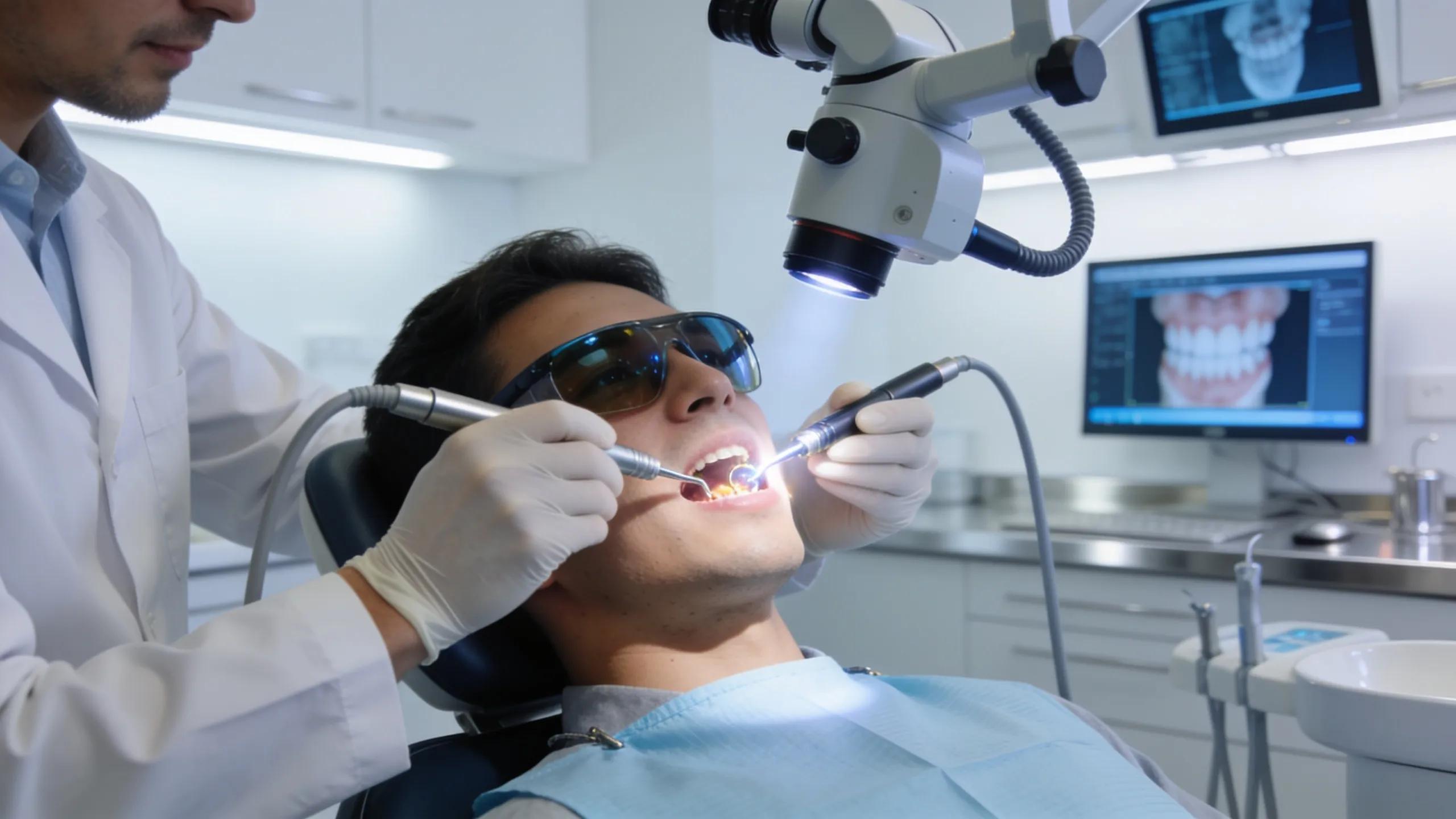
Root canal treatment saves teeth that are infected or badly damaged. The dentist removes infected pulp, cleans the canal, then seals it to stop reinfection. Expert care uses modern tools and methods to make the process safer and more comfortable for patients.
Specialist treatment often includes options to reduce discomfort and speed recovery. Tools like 3D imaging and enhanced cleaning protocols help ensure all infected tissue is removed and the tooth’s structure is preserved. This thorough approach protects the tooth’s function for years.
Emergency Support Options
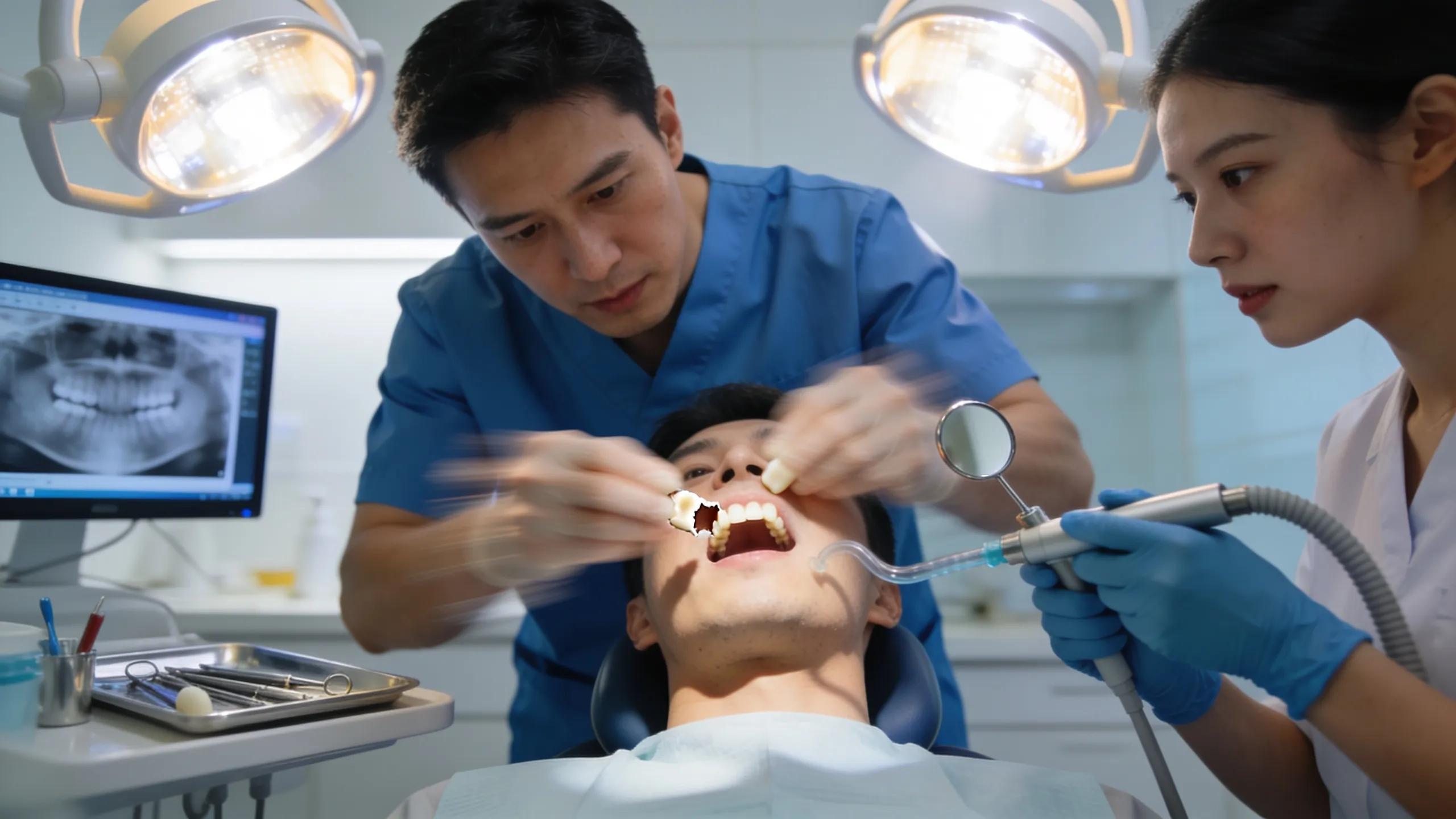
Emergency dental care treats sudden problems such as severe pain, injuries from accidents, and lost restorations. Getting prompt care can mean saving a tooth and avoiding more invasive procedures later.
Anodyne Endodontics offers same-day emergency appointments. Their emergency services include:
- Toothaches and Infections: Immediate care to alleviate pain and address infections effectively.
- Trauma and Injuries: Treatment for broken teeth or dental injuries that require urgent attention.
- Lost Fillings or Crowns: Quick repair or replacement options to restore dental integrity.
Knowing these services helps families act fast when emergencies happen, ensuring professional care is available when it matters most.
Significance for Maintaining Overall Dental Health
Timely dental care supports overall health. Untreated dental problems can lead to infections that affect other parts of the body. Regular check-ups catch issues early, improving outcomes and lowering the chance of emergencies.
Understanding how oral health links to general wellbeing encourages families to prioritise dental visits. Consistent care also reinforces good hygiene habits and lets clinicians address problems before they worsen.
How Does Expert Root Canal Therapy Benefit Family Dental Health?
Root canal therapy delivers clear benefits for family dental health.
- Immediate Pain Relief: The procedure often significantly reduces or alleviates tooth pain caused by infection or trauma, allowing patients to resume normal activities with comfort.
- Long-Term Tooth Preservation: By saving a tooth that might otherwise require extraction, root canal therapy helps maintain a natural biting function which is crucial for overall dental health.
- Role in Preventive Care: Addressing issues promptly during root canal therapy can prevent more serious complications that could arise from prolonged infections, contributing to better long-term health outcomes.
Treatment Advantages
Expert root canals bring fast pain relief and protect natural teeth. For families, that means less disruption to daily life and fewer future complications caused by shifting teeth or lost function.
Long-Term Health Outcomes
Properly treated root canals can last for many years. That durability reduces the need for more invasive care and supports sustained oral health. Investing in root canal treatment can help families avoid repetitive procedures and preserve long-term dental wellbeing.
Role in Preventive Care
Root canal therapy is a preventive step when infections are found early. Treating the infection promptly reduces the chance of more complex issues and encourages regular check-ups as part of a proactive dental routine.
What to Expect During a Family Root Canal Treatment
A family root canal follows a clear process focused on comfort and efficiency. The clinician examines the tooth and often uses X-rays to gauge the issue. After local anaesthesia, the steps typically include:
- Removal of the infected pulp
- Cleaning and shaping the root canals
- Sealing the canals with a biocompatible material
Recovery usually involves mild, short-lived discomfort. Over-the-counter pain relief often controls symptoms, and the dentist will provide clear aftercare instructions to support healing.
How Do Root Canal Specialists Collaborate with General Dentists?
Specialists and general dentists work together to deliver the right care at the right time. General dentists refer cases that need endodontic expertise, ensuring patients get targeted treatment when needed.
This collaboration supports continuity of care. Specialists share treatment details with the referring dentist so follow-up care is coordinated and patient records stay complete.
When Should Families Seek Emergency Dental Appointments?
Seek emergency dental care when symptoms indicate immediate risk. Watch for these signs:
- Severe Toothache: Persistent pain that does not subside with over-the-counter medications.
- Chipped or Broken Teeth: Physical trauma leading to noticeable damage to a tooth’s structure.
- Swelling or Bleeding: Signs of infection or injury that may require urgent professional evaluation.
Responding quickly to these signs protects dental health and can prevent more serious complications.
What Are Common Family Dental Emergencies and Treatments?
Typical family dental emergencies range from intense toothaches to knocked-out teeth. Below is a quick overview of common emergencies and the usual treatments:
Fast recognition and prompt treatment improve the chances of saving teeth and achieving good outcomes for the whole family.
How to Schedule Same Day Emergency Dental Care?
Scheduling same-day emergency care is easier when you know the steps. Follow this simple process:
- Identify the Emergency: Assess the symptoms to determine urgency.
- Contact Your Dental Provider: Provide details about the dental issue when calling for the appointment.
- Inquire About Availability: Confirm the ability to receive immediate treatment during the call.
Following these steps helps families secure prompt appointments and limits disruption caused by dental emergencies.
What Pediatric and Orthodontic Dental Options Support Growing Families?
Pediatric and orthodontic care help children build healthy habits and proper dental development. Early visits set a baseline and make future care easier.
Common pediatric services include:
- Preventive Care: Cleaning, fluoride treatments, and sealants to prevent cavities.
- Orthodontic Assessments: Early evaluations for braces and alignment issues.
These services fit into family care so children get the right treatments as they grow.
How Do Pediatric Dental Services Integrate with Family Care?
Pediatric dentistry complements family care by offering focused treatment for children while sharing information with family dentists. This team approach keeps care consistent across ages.
Benefits include:
- Consistent Communication: Shared information about patient history among caregivers.
- Family Wellness: A unified approach promoting holistic dental care for all family members, regardless of age.
- Long-Term Relationships: Building connections that enhance trust and comfort for children visiting the dentist.
When to Consider Orthodontic Treatment for Kids and Teens?
Orthodontic care is often considered between ages 7–12, when many permanent teeth appear. Early checks let clinicians spot bite issues and plan treatment while growth is still underway.
- Assessment of Bite Issues: Identifying crossbites, overbites, or spacing issues.
- Planning and Monitoring Growth: Assessing how tooth and jaw development progresses.
Starting orthodontic care early can shorten treatment time later and improve long-term results.
How Do Family Dental Insurance Plans Enhance Care Access?
Family dental plans reduce out-of-pocket costs and make it easier to get routine and specialised care. Knowing your policy helps you use benefits wisely.
Key advantages include:
- Coverage for Preventive Services: Routine check-ups and cleanings often fully covered, promoting regular dental visits.
- Access to Specialized Care: Coverage for treatments like root canals and emergency visits, reducing financial barriers.
- Annual Maximums: Most plans come with beneficial cap limits that may maximize the total covered expenses.
Review plan details to make the most of available benefits and lower overall dental costs for your family.
Which Insurance Plans Cover Root Canals and Emergency Services?
Many dental plans include root canal and emergency coverage, though specifics vary. Common plan types that often cover these services include PPOs, HMOs, and certain federal programs for eligible families.
Knowing each plan’s limits and exclusions helps families avoid surprise bills during critical treatments.
How Can Families Maximize Dental Benefits for Pediatric and Emergency Care?
Maximising benefits takes planning. These steps help families use coverage efficiently:
- Review Insurance Policies: Familiarize yourself with what services are covered, especially for children’s services and urgent care.
- Schedule Regular Check-Ups: Preventive visits ensure families utilize benefits efficiently and reduce the need for emergency interventions.
- Utilize Flexible Spending Accounts: If available, families can use FSA funds for out-of-pocket dental expenses, maximizing financial resources.
Taking a proactive approach to benefits and appointments keeps care affordable and timely for the whole family.
How Can Referring General Dentists Partner with Endodontic Specialists?
Referrals from general dentists to specialists create a strong care pathway. When a general dentist identifies a case needing endodontic work, a referral ensures appropriate, timely treatment.
Key aspects of this partnership include:
- Streamlined Care: Referrals facilitate timely interventions, improving treatment efficacy.
- Shared Resources: Collaborative efforts between practitioners often enhance patient education and preventive measures, fostering overall well-being.
- Enhanced Patient Satisfaction: Seamless transitions between general and specialized care increase patient confidence and satisfaction rates.
These partnerships improve patient management and lead to better clinical outcomes through coordinated care.
What Is the Process for Referring Patients to Anodyne Endodontics?
The referral process to Anodyne Endodontics is built to be simple for general dentists. Typical steps include an initial assessment, completion of referral paperwork, and coordinated follow-up between providers.
- Initial Consultation: General dentists assess the patient’s needs and determine whether a referral for endodontic care is necessary.
- Completing Referral Forms: Dentists provide comprehensive medical history and treatment notes to ensure a thorough understanding of the patient’s condition.
- Coordinated Follow-Ups: Specialists at Anodyne keep the referring dentist updated on treatment outcomes, ensuring a continuous loop of communication concerning the patient’s progress.
This process simplifies care delivery, improves patient experience, and supports better health results.
How Do Referrals Improve Patient Outcomes and Continuity of Care?
Referrals to specialists like Anodyne Endodontics help ensure patients receive the right expertise at the right time. That timely specialist care improves treatment accuracy and long-term results.
- Better Treatment Accuracy: Specialists can provide focused care for specific issues, leading to enhanced treatment precision.
- Enhanced Monitoring: Continuous flow of information between general dentists and specialists facilitates better tracking of patient progress.
- Higher Patient Confidence: Knowing they are being referred for specialized care builds trust in the dental process, encouraging patients to adhere to treatment plans.
Coordinated referrals strengthen continuity of care and support positive outcomes for patients and families.
Frequently Asked Questions
What specific signs indicate a dental emergency that requires immediate attention?
Watch for severe, persistent tooth pain that does not respond to OTC painkillers, visible tooth damage like cracks or breaks, and noticeable swelling or bleeding. A loosened or knocked-out tooth also needs urgent care. Acting quickly reduces the risk of complications.
How does the recovery process typically unfold after a root canal treatment?
Most people have mild discomfort for a few days after a root canal. Follow the dentist’s aftercare instructions for pain control, diet, and oral hygiene. Sensitivity to hot or cold can occur briefly. Full recovery usually happens within a week, and a follow-up visit helps confirm healing.
Are there alternative treatments to root canals for infected teeth?
When a tooth is severely damaged, extraction may be an option if the tooth cannot be saved. After extraction, implants or bridges can replace the missing tooth. A dental professional can advise which option best fits the patient’s situation.
What preventive measures can families take to minimize dental emergencies?
Reduce emergencies by scheduling regular dental check-ups, brushing twice daily, flossing, and using mouthguards for sports. Avoiding very hard or sticky foods also helps. Teaching children good habits early builds long-term protection.
How do dental practices determine the appropriate treatment for pediatric patients?
Pediatric dentists tailor care to a child’s age, development, and specific needs. They use child-friendly techniques and preventive strategies, and they explain care in ways children understand to improve cooperation and outcomes.
What are the financial considerations when seeking emergency dental care?
Costs vary by treatment and insurance coverage. Many plans cover emergencies to some degree, but details differ. Ask the dental office about expected out-of-pocket costs and payment options. Using an FSA can help manage unexpected expenses.
How can families choose the right dental insurance for comprehensive care?
Choose insurance by comparing coverage for preventive, emergency, and orthodontic services. Check premiums, deductibles, in-network providers, and annual limits. Talking to an insurance advisor or your dental office can clarify which plan fits your family’s needs.
Conclusion
Comprehensive family dental care, including expert root canal treatment and emergency support, helps protect your family’s oral health. Prioritise regular visits and learn about emergency options so you can act quickly when issues arise. Book an appointment with a specialist to discuss tailored care and keep your family’s smiles healthy for the long term.