Complete Guide to Dental Procedures: Root Canal Steps, Emergencies, Implants & Recovery

Complete Guide to Dental Procedures: Root Canal Steps, Emergencies, Implants & Recovery
By Zainab Aziz, Anodyne Endodontics
Dental procedures can feel complex, but knowing what to expect reduces anxiety and improves outcomes. This guide explains key treatments—root canals, emergency care, implants—and what patients should expect during each stage. By understanding these processes, you can make clearer decisions and feel more confident when discussing options with your provider. We cover root canal steps, emergency response, implant care, and recovery best practices to help you navigate your dental care.
Key Takeaways
- Dental procedures include preventive, restorative, and emergency treatments to maintain and restore oral health effectively.
- Root canal treatment involves diagnosis, anesthesia, canal cleaning, and temporary filling before crown placement.
- Immediate dental emergency care requires recognizing symptoms, applying first aid, and contacting a dental provider promptly.
- Dental implants require evaluation, surgical placement, and a healing period for successful integration with the jawbone.
- Costs of dental implants vary based on implant type, additional procedures, and insurance coverage considerations.
- Recovery after dental procedures involves pain management, oral hygiene, and adherence to specific care instructions.
- Dental crowns restore tooth function and require preparation, placement, and a short recovery period.
- Wisdom teeth extraction recovery includes managing swelling, taking prescribed medications, and limiting physical activity.
- Referrals to dental specialists improve patient outcomes through expert care and advanced treatment options.
Comprehensive Guide on Dental Procedures
Dental care includes treatments that prevent issues, fix problems, and handle urgent damage. Preventive work—like cleanings—stops disease. Restorative work—fillings, crowns, root canals—repairs teeth. Emergency care addresses pain, injury, or sudden infection.
Knowing these categories helps you spot when to seek care and understand the options your dentist may recommend. That knowledge makes conversations with your provider more productive.
Root Canal Treatment Steps
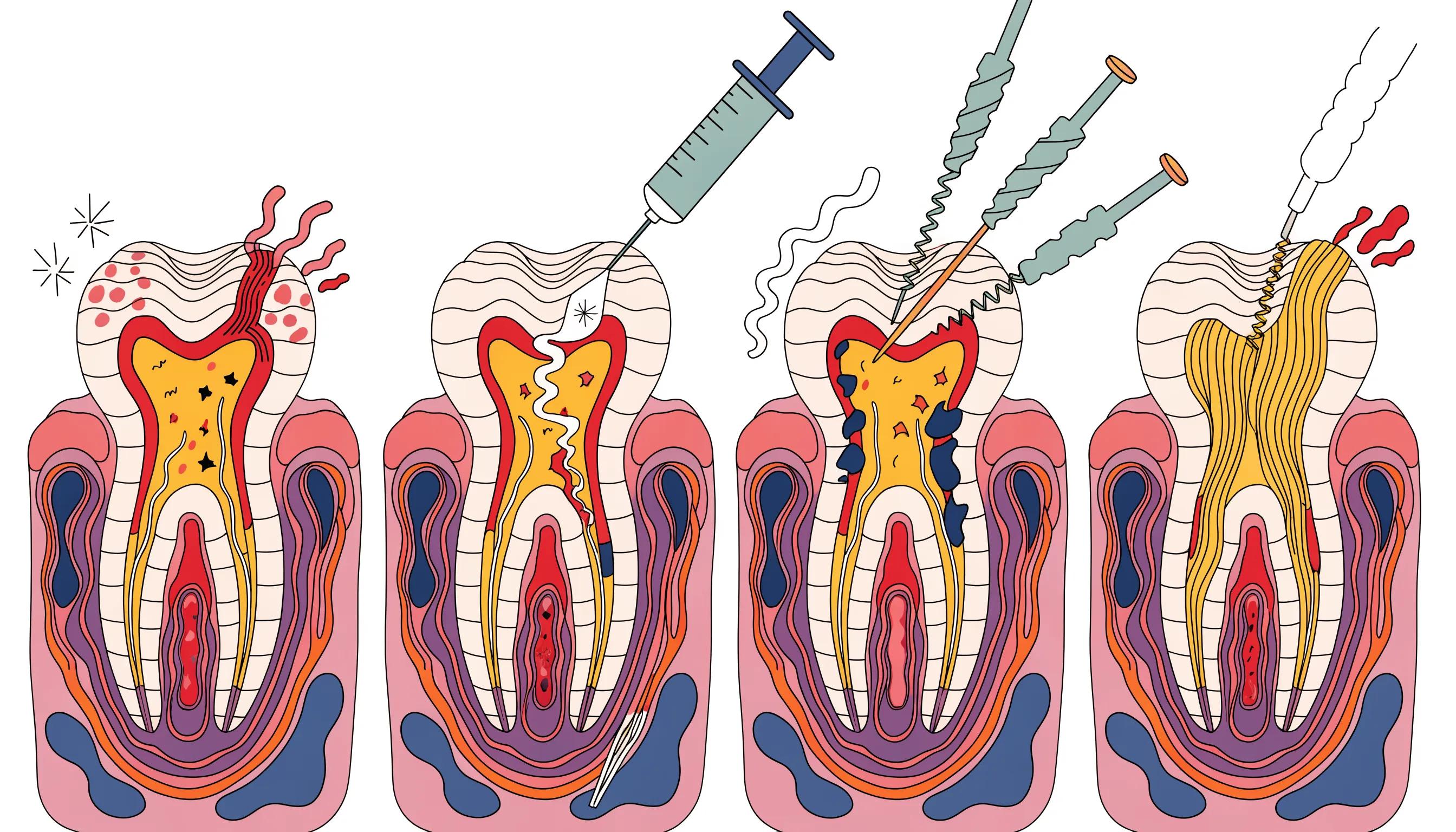
Root canal therapy aims to save a badly damaged or infected tooth. The common steps below outline what usually happens during treatment.
- Diagnosis and Imaging Techniques: The dentist will examine the tooth and take X-rays to assess the extent of the damage or infection.
- Anesthesia Administration: Local anesthesia is administered to numb the tooth and surrounding area, ensuring a painless procedure.
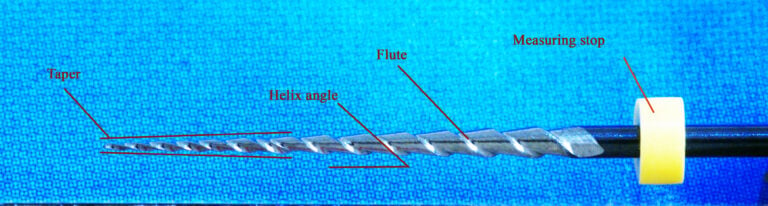
- Canal Cleaning and Shaping Process: After gaining access to the tooth’s pulp chamber, the dentist cleans, shapes, and disinfects the canals before filling them.
After cleaning and filling the canals, the dentist places a temporary filling until a crown is fitted. Anodyne Endodontics provides support and information throughout the process to keep patients comfortable and informed.
What are the step-by-step procedures involved in a root canal treatment?
Root canal treatment follows a clear sequence. First, the dentist examines the tooth and takes X-rays to confirm the issue. Next, local anaesthetic numbs the area so the procedure is painless.
With the tooth numb, the dentist opens the crown to reach the pulp chamber, removes the infected or dead pulp, then cleans and shapes the canal. The canal is filled with gutta-percha and sealed with a temporary filling until a permanent crown is placed.
Handling Dental Emergencies
Dental emergencies need prompt care to limit damage and ease pain. Early recognition and quick action make a big difference. Below are common emergencies and basic first steps to take.
- Signs of a Dental Emergency: Symptoms such as severe tooth pain, swelling, or bleeding may indicate a dental emergency that needs urgent care.
- Immediate First-Aid Steps: Rinse the mouth with warm water and apply a cold compress to reduce swelling. If a tooth is knocked out, try to place it back in the socket or keep it moist in milk.
- Contact Anodyne Endodontics for Emergencies: If you suspect a dental emergency, contacting Anodyne Endodontics promptly can be crucial for receiving timely care.
Talking with your dentist about emergency plans and options can shorten recovery and prevent complications from unresolved problems.
How can patients book and prepare for emergency same-day dental appointments?
Booking an emergency appointment is simple. Call ahead, explain the situation, and request the next available slot.
- Call Ahead: Reach out to Anodyne Endodontics directly to inform them of the emergency and request an immediate appointment.
- Gather Relevant Information: Prepare a list of symptoms or issues you’re experiencing, including when they started and any relevant medical history.
- Arrive Prepared: Bring any necessary paperwork and insurance information, and be ready to discuss your dental history.
Having your symptoms and paperwork ready helps the team assess and treat you more quickly.
Dental Implants Process
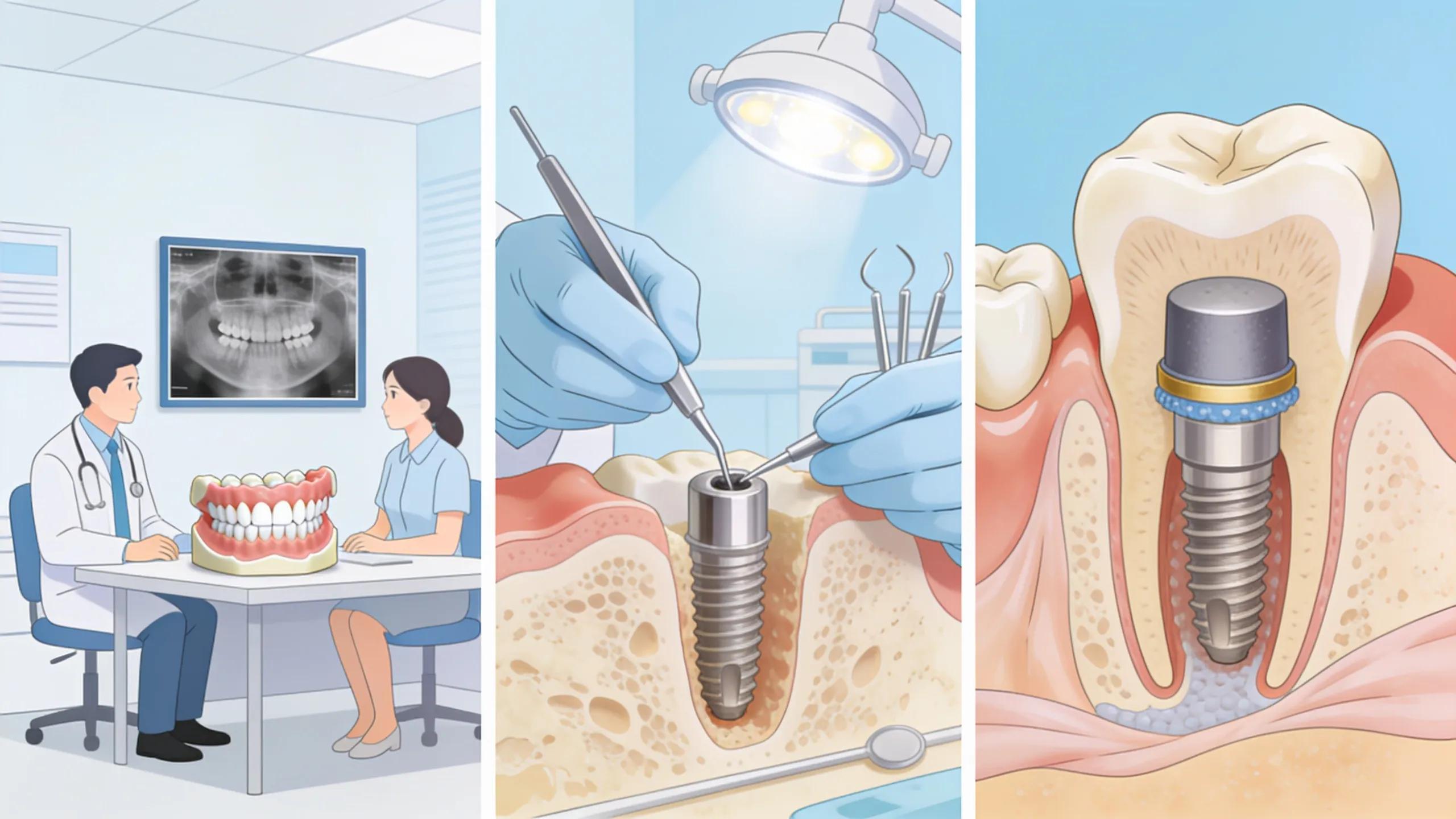
Dental implants replace missing teeth with a durable, long-term solution. The process is planned in stages to ensure the best fit and outcome for function and appearance.
- Consultation Requirements: The process begins with a comprehensive evaluation, including X-rays and 3D imaging to assess bone density and determine the suitable implant location.
- The Surgical Placement Process: The dentist places the titanium post into the jawbone during surgery, serving as an artificial root for the replacement tooth.
- Healing Period and Care: After placement, a period of healing allows the implant to integrate with the bone, which typically takes several weeks to a few months.
Long-term success relies on regular check-ups and good oral hygiene to protect surrounding teeth and gums. For more information on restoring full mouth function, exploring full mouth dental implants can show comprehensive options.
What costs and options affect dental implants and related procedures?
Costs for implants vary by implant type, any preparatory surgeries, and insurance coverage. These factors influence the overall price and timeline.
- Type of Implant: Various implant types exist, including traditional and mini implants, which can influence costs.
- Additional Procedures: Bone grafting or sinus lifts may be needed if there isn’t sufficient bone to support the implant, adding to the overall cost.
- Insurance Considerations: Coverage for dental implants may vary, impacting the out-of-pocket expenses for patients.
Discuss costs and options with your dental team so you understand what each stage will involve and how it affects the final price.
Recovery Methods for Procedures
Good aftercare speeds healing and reduces discomfort after treatments like root canals and implants. Following clear recovery steps helps protect results and lowers complication risk.
- Expected Pain Management for Root Canal: Following a root canal, patients may experience mild to moderate discomfort; over-the-counter pain relievers are often sufficient.
- Care Instructions for Implants: It’s essential to keep the implant area clean and to avoid hard foods as healing continues, usually for several months.
- Normal Recovery Timeline: Most dental procedures have specific recovery timelines, typically ranging from a few days for simple dental work to several months for implants.
Follow your clinician’s instructions on pain relief, oral care, and activity limits to support smooth recovery.
How does the dental crown process work and what is the typical recovery timeline?
Crowns restore a tooth’s size, shape, and function. The dentist prepares the tooth, takes impressions, then fits a custom crown at a follow-up visit.
- Preparation: The dentist prepares the tooth by removing the outer layer, taking impressions, and milling a crown that will fit perfectly.
- Placement: During a follow-up visit, the crown is cemented onto the tooth.
Sensitivity usually eases within a few days, and full integration takes around two weeks. Maintain good oral hygiene and follow care tips for dental crowns.
What is the recovery process after wisdom teeth extraction and key care tips?
After wisdom tooth removal, proper care helps prevent infection and speed healing. Expect swelling and use ice packs in the first days to reduce it.
- Expect Swelling and Discomfort: Within the first few days, swelling is typical; applying ice packs can alleviate discomfort.
- Take Medications as Prescribed: Painkillers should be used as directed to manage post-operative pain effectively.
- Limit Physical Activity: Engaging in strenuous activities should be avoided for at least a few days to promote recovery.
Stick to prescribed meds, rest, and soft foods to lower complication risk and support healing.
How do referring dentists coordinate patient referrals and what benefits do they gain?
Referrals connect patients with specialists who offer advanced care when general dentists identify complex needs. This coordination ensures the patient receives targeted expertise.
- How Referrals Benefit Patients: Patients benefit from the expert knowledge and advanced technologies available in specialized practices, leading to better outcomes.
- The Process for Dentists to Refer Patients: Dentists typically assess the need for a referral during a consultation, providing the patient with necessary information and documentation.
- Expected Outcomes from Referrals: Effective referrals can result in quicker resolutions to complex dental issues, ensuring comprehensive and timely care.
Close collaboration between generalists and specialists improves treatment accuracy and patient experience across dental care.
Dental Implant Cost and Options
Knowing implant costs helps you plan financially for treatment. Several factors affect the total price and should be reviewed with your dental team.
These estimates are typical ranges; actual costs depend on your specific treatment plan and clinical needs.
Choosing implants should include weighing long-term benefits for function and appearance against costs. If you’re considering more extensive solutions, learning about the full mouth reconstruction options can be helpful.
Frequently Asked Questions
What are the symptoms that indicate the need for dental work?
Warning signs include persistent tooth pain, lasting sensitivity to hot or cold, swollen or bleeding gums, visible decay, or a broken tooth. If you spot sudden changes, contact your dentist—early treatment often avoids more invasive procedures.
How do I maintain oral hygiene after a dental procedure?
Keep the area clean but gentle. Use a soft toothbrush and avoid alcohol-based mouthwashes in the first days. Follow any specific instructions from your dentist, such as avoiding certain foods, to support healing and prevent infection.
How can nutrition impact recovery after dental procedures?
Good nutrition aids healing. Choose soft, nutrient-rich foods like yogurt, smoothies, and soft fruits during early recovery. Foods high in protein, calcium, and vitamin C support tissue repair. Stay well hydrated to help your body recover.
What should I do if I experience complications after a dental procedure?
If you have severe pain, heavy bleeding, increasing swelling, or signs of infection, contact your dentist immediately. Don’t wait for a routine appointment—prompt attention and following clinical advice reduce the risk of serious issues.
What are some common myths about dental procedures?
Many myths cause unnecessary worry. For example, root canals are meant to relieve pain from infection, not cause it. And while implants involve surgery, most patients resume normal activities within a few days. Knowing the facts helps you seek care when needed.
How often should I see a dentist for routine check-ups?
Most people benefit from check-ups every six months. If you have ongoing issues or higher risk for dental disease, your dentist may recommend more frequent visits. Personalise the schedule based on your oral health needs.
Are there sedation options available for anxious patients receiving dental treatment?
Yes. Options include nitrous oxide (laughing gas), oral sedatives, and IV sedation, chosen based on anxiety level and procedure complexity. Talk to your dentist before treatment so they can match the sedation to your needs and comfort.
Conclusion
Knowing what to expect from root canals, implants, and emergency care helps you make informed choices and reduces treatment anxiety. If you need personalised advice, contact Anodyne Endodontics for guidance. Explore our resources to learn how we can support your path to better oral health.