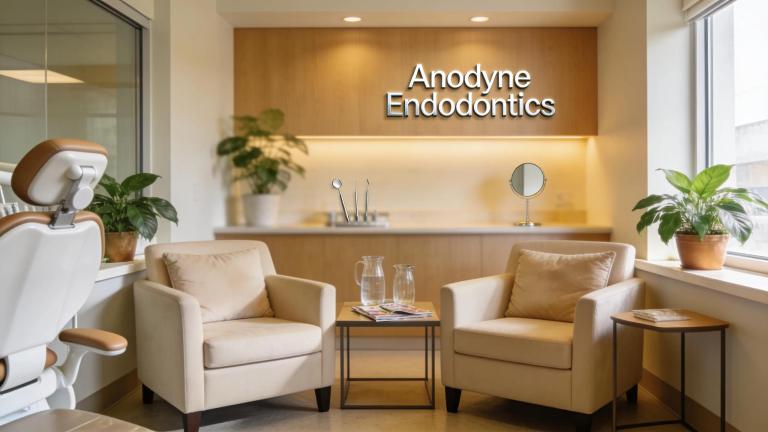
Find Trusted Endodontic Associates for Root Canal Specialists Near Me and Emergency Care

Find Trusted Endodontic Associates for Root Canal Specialists Near Me and Emergency Care
By Zainab Aziz, Anodyne Endodontics
Severe tooth pain from decay or infection needs prompt, specialised care. Endodontic associates diagnose these problems and deliver targeted treatments like root canals to relieve pain and save teeth. Many patients choose root canal specialists to reduce discomfort while ensuring high-quality care. This article explains common endodontic options, how emergency care is handled, referral pathways from general dentists, and patient perspectives. You’ll also see how Anodyne Endodontics helps patients access timely, comprehensive endodontic services.
Key Takeaways
- Endodontic specialists provide advanced treatments like root canal therapy to relieve tooth pain and infection effectively.
- Root canal procedures remove infected pulp, clean canals, and seal teeth to prevent future dental infections.
- Endodontic treatment costs vary by procedure complexity, with insurance coverage influencing patient expenses.
- Emergency root canal services are available for severe pain, swelling, or dental trauma requiring immediate care.
- General dentists refer patients to endodontic specialists for complex cases to ensure expert diagnosis and treatment.
- Effective communication between general dentists and endodontists facilitates coordinated care and improved patient outcomes.
- Managing tooth pain includes medication and professional endodontic procedures that address the root cause of discomfort.
- Patient testimonials highlight high success rates and satisfaction with specialized endodontic care and root canal treatments.
- Frequently asked questions help patients and dentists understand treatment processes, recovery, and expected results.
What Are the Most Effective Endodontic Treatment Options Offered by Specialists?

Endodontic care focuses on saving teeth that are damaged or infected. Common, effective options are root canal therapy, retreatment of previous root canals, and surgical endodontics for complex cases. Each approach aims to remove infection, ease pain, and restore tooth function using specialised tools and techniques.
Anodyne Endodontics offers consultations so patients can talk through their concerns and treatment choices. These appointments help build trust and give clear next steps for those seeking relief.
How Do Root Canal Procedures Relieve Tooth Pain and Infection?
Root canal therapy removes infected pulp from inside the tooth, cleans the canals, and seals them to stop further infection. The procedure reduces inflammation and pain while keeping the natural tooth intact. Many patients notice a marked reduction in pain once the treatment is complete.
What Are the Typical Costs for Endodontic Treatments and How Are They Structured?
Costs for endodontic care depend on the procedure and tooth location. Prices reflect complexity, any extra treatments, and follow-up needs. Insurance coverage also affects out-of-pocket costs. Knowing these factors helps patients plan for treatment.
This table outlines typical costs for common endodontic procedures and underscores the value of understanding financial details when deciding on care.
How Can Patients Access Emergency Root Canal Services the Same Day?

Severe tooth pain or troubling symptoms often require immediate attention from an endodontist. Spotting emergency signs early can improve the outcome and speed recovery.
Same-day options are important for traumatic injuries or infections that cause swelling or abscesses. Anodyne Endodontics makes urgent care a priority and offers same-day emergency appointments when needed.
What Qualifies for Emergency Endodontic Appointments at Associates’ Practices?
Emergency visits are for intense, persistent pain, visible swelling, or trauma to the mouth. Recognising these signs helps patients seek care quickly. Prompt treatment eases pain and reduces the chance of more serious complications.
What Is the Process for Scheduling and Receiving Emergency Root Canal Care?
Patients start by contacting Anodyne Endodontics and describing their symptoms. The team conducts a rapid evaluation, then recommends the best course of action. When needed, treatment can begin soon after assessment to resolve acute issues without unnecessary delay.
Why Should General Dentists Refer Patients to Endodontic Specialists?
General dentists often face cases that need a specialist’s expertise. Referrals ensure patients receive the focused care required for complex root canal procedures and better outcomes.
Patients gain when referred to specialists. Endodontists have advanced training to handle difficult cases, which increases the chance of successful treatment and long-term tooth preservation.
How Do Referral Processes Work Between General Dentists and Endodontic Associates?
Referrals rely on clear communication about the patient’s history and case details. General dentists share medical records, exam findings, and notes so endodontists can provide a well-informed treatment plan. This coordination supports seamless patient care.
What Benefits Do Referring Dentists and Their Patients Gain from Specialized Endodontic Care?
Referrals often lead to higher patient satisfaction and better clinical outcomes. Successful specialist care builds trust between the referring dentist and patient, strengthening long-term relationships and improving overall care quality.
What Are the Best Solutions for Managing Tooth Pain with Endodontic Care?
Endodontic care offers clear paths to reduce tooth pain and address the underlying causes. Knowing these options helps patients choose the right treatment for lasting relief.
Short-term pain relief can include over-the-counter or prescribed medication and cold packs while awaiting treatment. Definitive care involves endodontic procedures that remove the source of pain and reduce the chance of recurrence.
Which Signs Indicate the Need for an Endodontic Consultation?
Seek a specialist if you have long-lasting sensitivity, sharp pain when chewing, or swelling near a tooth. These symptoms suggest a problem that may need expert evaluation.
How Do Endodontic Treatments Effectively Resolve Infection and Pain?
Treatments remove infected tissue and seal the canals to stop bacteria returning. This method clears infection, relieves pain, and restores the tooth’s health. Most patients see clear improvement after proper treatment.
How Do Patients Share Their Experiences with Endodontic Associates?
Patient feedback offers useful insight into care quality, treatment results, and the support patients receive during their visits. These stories help others understand what to expect.
Tracking and reviewing patient feedback lets practices refine their services and better meet patient needs, maintaining a high standard of care.
What Do Patient Testimonials Reveal About Root Canal Success Rates and Care Quality?
Testimonials frequently point to strong success rates and noticeable pain relief after root canal therapy. Many patients report improved dental health and satisfaction with specialist care, which helps others trust the process.
Frequently Asked Questions
1. What should I expect during a root canal procedure?
You’ll have a full evaluation and receive local anaesthetic so you remain comfortable. The endodontist makes an access point, removes infected pulp, cleans the root canals, and seals them to prevent reinfection. Most patients feel little to no pain during the procedure, and any post-treatment discomfort is managed with medication.
2. How long does recovery take after an endodontic treatment?
Recovery varies by person and procedure complexity. Mild soreness is common for a few days, and most people resume normal activities quickly. More complex cases may need about a week for full recovery. Following your endodontist’s aftercare instructions helps ensure smooth healing.
3. Are there alternatives to root canal therapy?
Alternatives depend on the case. Extraction is one option but can lead to issues like shifting teeth or bone loss. Replacing a removed tooth with an implant or other restoration requires more procedures and healing. A specialist consultation will identify the best path for your situation.
4. What are the signs that indicate the need for immediate endodontic care?
Seek urgent care for severe, ongoing tooth pain, swelling around the tooth or gums, pain when chewing, or strong sensitivity to hot and cold. Acting quickly reduces the risk of abscesses or tooth loss.
5. Can root canal treatment fail? What are the reasons for failure?
Root canals are generally successful, but failures can occur. Causes include missed canals, complex anatomy, or re-infection from an inadequate seal. Ongoing decay or gum disease can also affect results. Regular follow-ups help catch and manage problems early.
6. How do I choose the right endodontist for my treatment?
Look for board certification, positive patient reviews, and referrals from your general dentist. Consider the specialist’s location and how clearly they explain treatment options. Ask about their use of modern tools and techniques to ensure quality care.
7. What can I do to prepare for my first endodontic consultation?
Bring your dental history, list of medications, and notes on current symptoms. Prepare questions you want answered and consider taking a friend or family member for support and to help remember the consultation details.
Conclusion
Specialised endodontic care delivers effective pain relief and infection control while preserving teeth. Emergency services are vital for severe cases and benefit from timely action. Contact Anodyne Endodontics to schedule a consultation, discuss your options, and find a plan that fits your needs. Trusting a skilled team can lead to better outcomes and improved oral health on your recovery journey.