Trusted Endodontic Clinic in Bloomingdale, IL for Root Canals & Emergency Care

Trusted Endodontic Clinic in Bloomingdale, IL for Root Canals & Emergency Care
By Zainab Aziz, Anodyne Endodontics
When a tooth is throbbing or an infection flares up, finding the right endodontic clinic in Bloomingdale, IL should not add to the stress. An endodontist is a dental specialist who focuses on the inside of the tooth—the pulp, nerves, and roots—which makes the right clinic the difference between saving a natural tooth and losing it. Anodyne Endodontics serves Bloomingdale and the surrounding DuPage County communities with focused, microscope-guided root canal therapy and prompt emergency care. This guide explains what a dedicated endodontic clinic offers, how modern root canals actually work, when to seek emergency treatment, and why patients across the western Chicago suburbs choose Anodyne Endodontics.
Key Takeaways
- Anodyne Endodontics in Bloomingdale, IL specializes in root canals, retreatment, and emergency endodontics, serving patients across DuPage County.
- An endodontist is a root canal specialist with advanced training focused entirely on saving teeth and treating tooth pain and infection.
- Modern root canal therapy removes infected pulp, relieves pain, and preserves the natural tooth using CBCT 3D imaging and a dental operating microscope.
- Emergency endodontic visits address severe tooth pain, facial swelling, and dental trauma, with same-day appointments available for urgent cases.
- Advanced technology such as GentleWave and microscope-guided treatment improves precision, comfort, and long-term outcomes.
- Referring general dentists in Bloomingdale and nearby towns benefit from streamlined referrals and clear communication on patient progress.
- A thorough consultation explains your diagnosis, treatment options, and what to expect so you can make an informed decision.
- Choosing a specialty endodontic clinic close to home keeps care convenient for residents of Glendale Heights, Roselle, Lombard, Carol Stream, and beyond.
What an Endodontic Clinic Offers
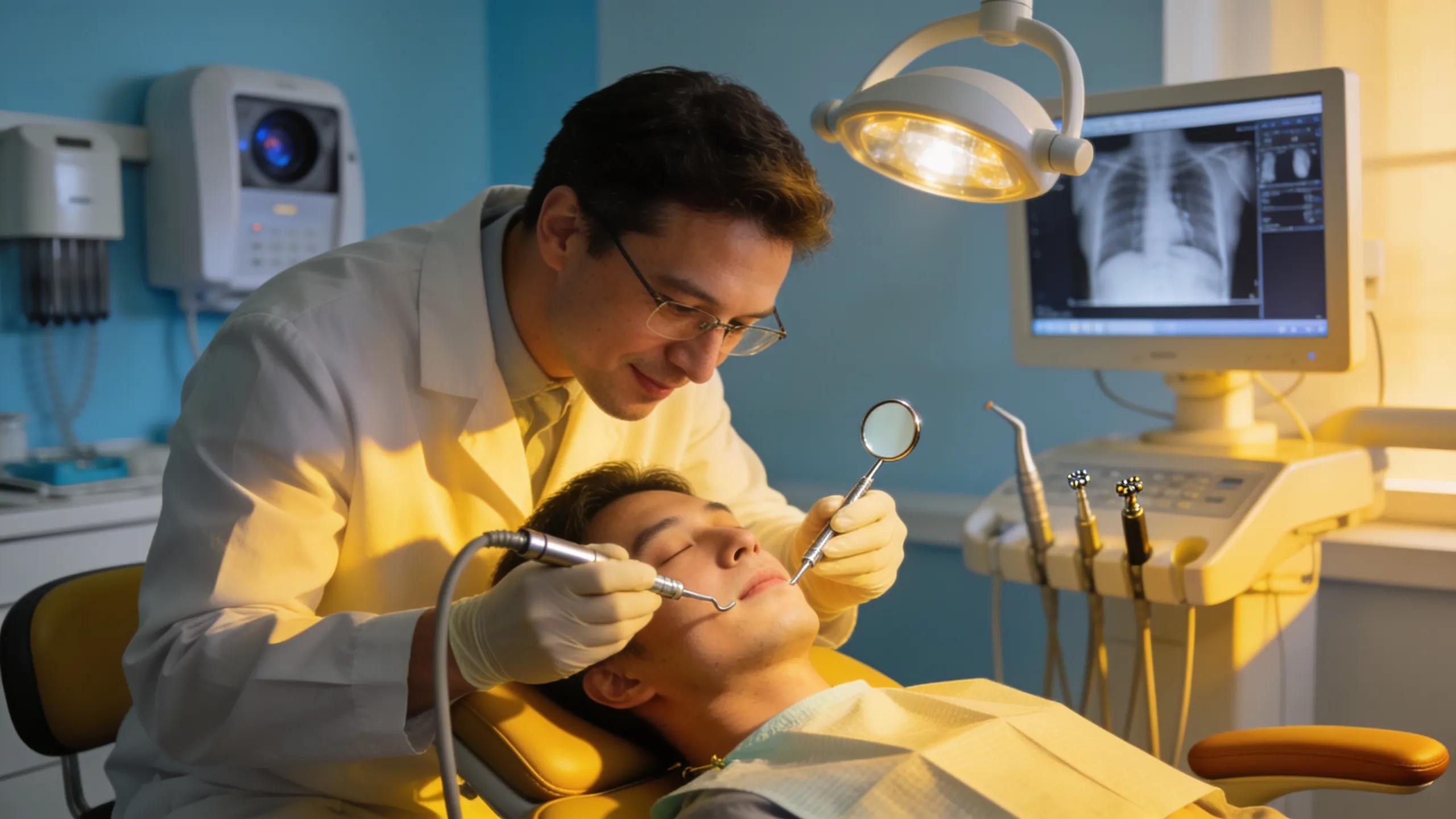
Unlike a general dental office that handles cleanings, fillings, and a little of everything, an endodontic clinic concentrates exclusively on diagnosing tooth pain and saving teeth from the inside out. That focus is exactly what you want when a tooth is infected, cracked, or injured. At Anodyne Endodontics in Bloomingdale, every appointment is built around one goal: relieving your pain while preserving your natural tooth whenever possible.
Core services offered at our Bloomingdale endodontic clinic include:
- Root Canal Treatment: Removing infected or inflamed pulp, disinfecting the canals, and sealing the tooth to stop pain and infection.
- Endodontic Retreatment: Reopening and re-treating a tooth that did not heal after a previous root canal or has become reinfected.
- Apicoectomy & Endodontic Microsurgery: A precise surgical procedure to treat infection at the root tip when a standard root canal is not enough.
- Cracked Teeth & Traumatic Dental Injuries: Diagnosing and treating fractured, chipped, or knocked-out teeth to give them the best chance of survival.
- Emergency Endodontics: Same-day attention for severe tooth pain, swelling, and dental trauma.
- Tooth Pain & Infection Diagnosis: Pinpointing the true source of pain so treatment targets the right tooth.
What Makes an Endodontist Different from a General Dentist?
An endodontist completes additional years of specialty training after dental school devoted entirely to the pulp and root system of the tooth. That means more experience with complex anatomy, difficult cases, and the advanced tools—like a dental operating microscope and CBCT 3D imaging—needed to treat them accurately. For patients in Bloomingdale, Glendale Heights, and Roselle, that specialized focus often translates into more comfortable visits and better long-term results.
Why Choose a Local Endodontic Clinic in Bloomingdale?
Keeping specialty care close to home matters, especially during an emergency. Anodyne Endodontics is convenient for residents of Bloomingdale and neighboring DuPage County towns such as Carol Stream, Lombard, Glen Ellyn, Wheaton, Bartlett, Hanover Park, Itasca, Addison, and nearby Schaumburg—so urgent care and follow-up visits never mean a long drive.
Root Canal Procedures Explained
Root canal therapy treats infection inside a tooth caused by deep decay, repeated dental work, a crack, or trauma. The goal is to remove the infected tissue and seal the tooth to prevent reinfection. Done well, the procedure relieves pain and lets you keep your natural tooth—the best possible outcome for your long-term oral health.
Key aspects of root canal procedures at our Bloomingdale clinic include:
- Comprehensive Diagnosis: Using CBCT 3D imaging to map the tooth’s exact anatomy and confirm the source of infection.
- Precision Treatment: Performing each step under a dental operating microscope for accuracy and predictability.
- Advanced Cleaning: Employing GentleWave technology to thoroughly disinfect the canal system with minimal discomfort.
How Does a Root Canal Specialist in Bloomingdale Treat Your Tooth?
The endodontists at Anodyne Endodontics are specialists trained to remove infected pulp while preserving as much of the healthy natural tooth as possible. Magnification and 3D imaging help them find and clean even the smallest, most curved canals that can be easy to miss.
What Are the Steps in Root Canal Therapy?
A root canal at our Bloomingdale clinic typically follows these steps:
- Initial Consultation: Assessing the tooth with imaging and discussing your treatment options.
- Anesthesia: Administering local anesthesia—and sedation options when appropriate—so you stay comfortable throughout.
- Cleaning the Canal: Removing the infected pulp and disinfecting the inner chamber of the tooth.
- Filling and Sealing: Filling the cleaned canal with a biocompatible material and sealing it to prevent future infection.
- Restoration: Coordinating with your general dentist to place a crown or filling that restores full function.
Emergency Endodontic Care Options
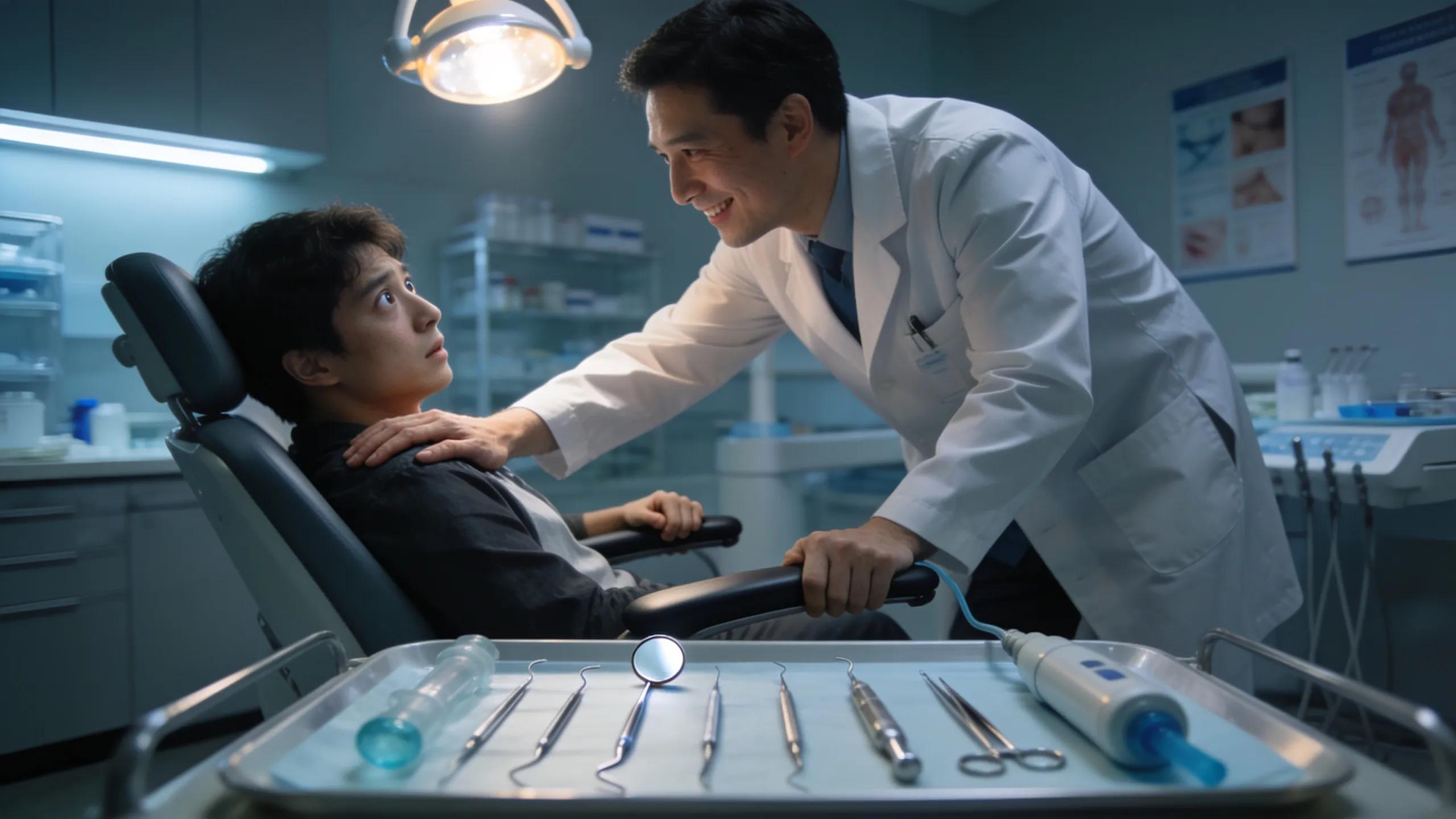
Dental emergencies are sudden and often intensely painful. Anodyne Endodontics handles a range of urgent endodontic problems so patients in Bloomingdale and across DuPage County can get prompt relief when they need it most.
Knowing what counts as an emergency helps you act quickly. Common urgent issues we treat include:
- Severe or lingering tooth pain that over-the-counter medication does not relieve.
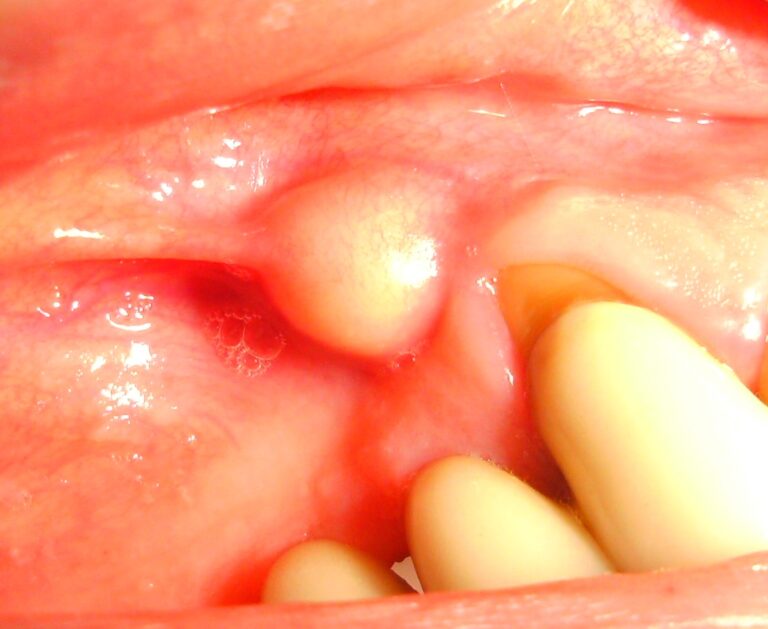
- Facial or gum swelling that may signal an abscess or spreading infection.
- Trauma to the teeth from accidents, sports, or falls—including cracked or knocked-out teeth.
How Can You Access Same-Day Emergency Endodontic Care in Bloomingdale?
Quick access matters when you are in pain. Anodyne Endodontics reserves time for same-day emergency cases and encourages patients to call as early as possible so the team can evaluate the situation and get you seen quickly. Request an appointment online any time.
What Conditions Require Immediate Endodontic Attention?
Watch for signs that need urgent care. Conditions that warrant immediate attention include:
- Severe Tooth Pain: Often a sign of an infected or inflamed pulp that needs prompt treatment.
- Facial Swelling: May indicate an abscess or infection that can spread if untreated.
- Dental Trauma: Chipped, cracked, loosened, or knocked-out teeth require swift intervention to improve the odds of saving them.
How to Schedule a Same-Day Visit at Our Bloomingdale Endodontic Clinic
To book urgent care, contact the clinic and describe your symptoms so the team can prioritize your case. Reach out early in the day, since same-day emergency slots fill quickly. You can also book your appointment online at your convenience.
What Affordable Root Canal Options Are Available in Bloomingdale?
Cost should never be the reason you delay care. Anodyne Endodontics works to make specialty endodontic treatment accessible for Bloomingdale-area patients while maintaining the highest standard of care.
How Does Our Bloomingdale Clinic Make Root Canals Affordable?
The clinic uses several approaches to improve access, including:
- Flexible Payment Options: Manageable financing arrangements for endodontic treatment.
- Insurance Coordination: Working with insurance providers to help you maximize your benefits.
- Transparent Pricing: Explaining costs upfront so there are no surprises.
What Is the Cost vs. Value of Saving Your Tooth?
A root canal is frequently less costly than the alternatives that follow delayed treatment. Prices vary with case complexity, but the value includes:
- Preserving Your Natural Tooth: Keeping your own tooth avoids more involved procedures like extraction and implants.
- Fast Pain Relief: Treating the infection directly relieves discomfort and restores quality of life.
- Long-Term Health: Resolving infection early helps prevent further complications down the road.
Why Patients Across DuPage County Trust Our Bloomingdale Clinic
Anodyne Endodontics combines specialist expertise with a genuinely patient-centered experience for everyone from Bloomingdale to Wheaton and Glen Ellyn.
What Comfort and Technology Can You Expect?
Patients benefit from:
- Advanced Imaging: CBCT 3D scans for accurate, detailed diagnosis.
- Microscope-Guided Care: A dental operating microscope for precise, predictable treatment.
- Comfort & Sedation Options: Gentle techniques and sedation choices to ease dental anxiety.
How Does Personalized Care Support Better Outcomes?
Every consultation focuses on your specific situation so the team can build a treatment plan that fits your needs and goals. This thoughtful, one-on-one approach helps patients feel informed and confident from diagnosis through recovery.
How Do Referring Dentists Benefit from Partnering with Our Bloomingdale Clinic?
Collaboration with referring general dentists is central to how Anodyne Endodontics operates. Partnering with a dedicated endodontic specialist lets general dentists offer their patients the best possible care for complex cases.
What Is the Process for General Dentists Referring Patients?
Referrals follow a clear, straightforward process that includes:
- Submitting referral information that captures the necessary patient and clinical details.
- Ensuring patients receive timely communication about their treatment.
- Coordinating appointments quickly to maintain continuity of care.
How Does Our Clinic Keep Referring Dentists Informed?
The clinic keeps referring dentists across Bloomingdale, Roselle, Carol Stream, and the wider area updated through:
- Clear reports on patient treatment and outcomes.
- Post-treatment communication that helps general dentists manage restorative follow-up effectively.
What to Expect During Your Endodontic Consultation in Bloomingdale
Your first visit sets clear expectations and helps you make informed decisions about your care.
How Does an Initial Consultation Help Plan Your Treatment?
At your consultation, the team evaluates your tooth with imaging, explains your diagnosis and options in plain language, and outlines the next steps for effective treatment.
What Questions Should You Ask During Your Bloomingdale Endodontic Consultation?
Helpful questions to ask include:
- What are the expected outcomes of the recommended treatment?
- How long will the procedure take, and what is the recovery like?
- Are there alternative treatment options for my tooth?
Frequently Asked Questions
1. What should I do if I have severe tooth pain after hours in Bloomingdale?
If you have severe tooth pain after hours, contact Anodyne Endodontics as soon as possible so the team can advise you and arrange an emergency visit, often the same or next day. In the meantime, over-the-counter pain relief can help, and a cold compress can ease swelling. Avoid chewing on the affected side until you are seen.
2. How can I avoid needing a root canal?
You can lower your risk by maintaining good oral hygiene—daily brushing and flossing, routine dental check-ups, and treating cavities promptly. Wearing a mouthguard during sports and avoiding biting very hard foods also helps protect your teeth from cracks and trauma.
3. How long does a root canal take?
A root canal typically takes about one to two hours, depending on the tooth and case complexity. The endodontist numbs the area, removes the infected tissue, cleans and disinfects the canals, then seals the tooth—each step contributes to the total time.
4. What is recovery like after a root canal?
Recovery usually takes a few days. Most patients return to normal activities the same day, though some mild soreness or sensitivity can linger briefly. Following your post-treatment instructions and taking any recommended medication helps you heal comfortably.
5. Are root canals painful?
Modern root canals are generally not painful thanks to effective anesthesia and gentle techniques. Most patients feel pressure rather than pain during treatment, and any afterward discomfort is usually manageable with over-the-counter relief. Sedation options are available if you feel anxious.
6. How do I know if I need a root canal?
Common signs include persistent tooth pain, lingering sensitivity to hot or cold, swelling, or tenderness when biting. An exam and 3D imaging can confirm whether the pulp is infected. If you notice these signs, contact our Bloomingdale clinic for an evaluation.
7. What follow-up care is needed after a root canal?
After your root canal, attend any recommended follow-up visits to confirm healing, and see your general dentist to have the tooth restored with a crown or filling. Maintain good oral hygiene and avoid chewing hard foods on the treated tooth until it is fully restored.
Conclusion
Choosing a dedicated endodontic clinic in Bloomingdale, IL means expert, microscope-guided treatment focused on saving your natural tooth and relieving your pain. Anodyne Endodontics offers advanced technology, comfort-focused care, and prompt emergency visits for patients throughout DuPage County. Book your appointment online and take the first step toward a healthier, pain-free smile.