Comprehensive Oral Dental Care: Root Canal Treatment, Emergency Appointments, and Preventive Tips

Comprehensive Oral Dental Care: Root Canal Treatment, Emergency Appointments, and Preventive Tips
By Zainab Aziz, Anodyne Endodontics
Oral dental care supports overall health and covers treatments and daily habits that protect teeth and gums. Key areas include root canal therapy, emergency dental services and preventive measures that reduce future problems. This guide explains how root canals work, what to expect in an emergency, and practical prevention tips. Many people face urgent dental issues without knowing how to get timely care or worry about cost and complexity—especially with root canals. We clarify these topics and highlight straightforward prevention steps to help you keep your teeth healthy.
Key Takeaways
- Root canal treatment removes infected pulp to save teeth and prevent further decay effectively.
- Emergency dental visits are necessary for persistent pain, swelling, or signs of infection to avoid complications.
- Scheduling same-day emergency appointments requires clear symptom communication and contacting dentists offering urgent care.
- Preventive dental care includes daily brushing, flossing, balanced diet, and recognizing early gum disease symptoms.
- Toothpaste for sensitive teeth contains compounds like potassium nitrate to reduce nerve sensitivity and discomfort.
- Establishing healthy dental habits in children involves regular brushing, flossing, and routine dental checkups.
- Referring dentists collaborate with endodontic specialists to ensure specialized care and optimal treatment outcomes.
- Advances in endodontic care, such as digital imaging and improved pain management, enhance root canal treatment experiences.
- Demand for same-day emergency dental care is increasing due to patient preference for immediate, effective dental solutions.
Root Canal Treatment Procedures:
Root canal treatment saves teeth that are damaged or infected by removing the diseased pulp, cleaning and disinfecting the interior, then sealing the tooth. It relieves pain and helps preserve your natural tooth. Early treatment usually means a simpler procedure and a better chance of keeping the tooth.
What Does a Root Canal Procedure Involve?
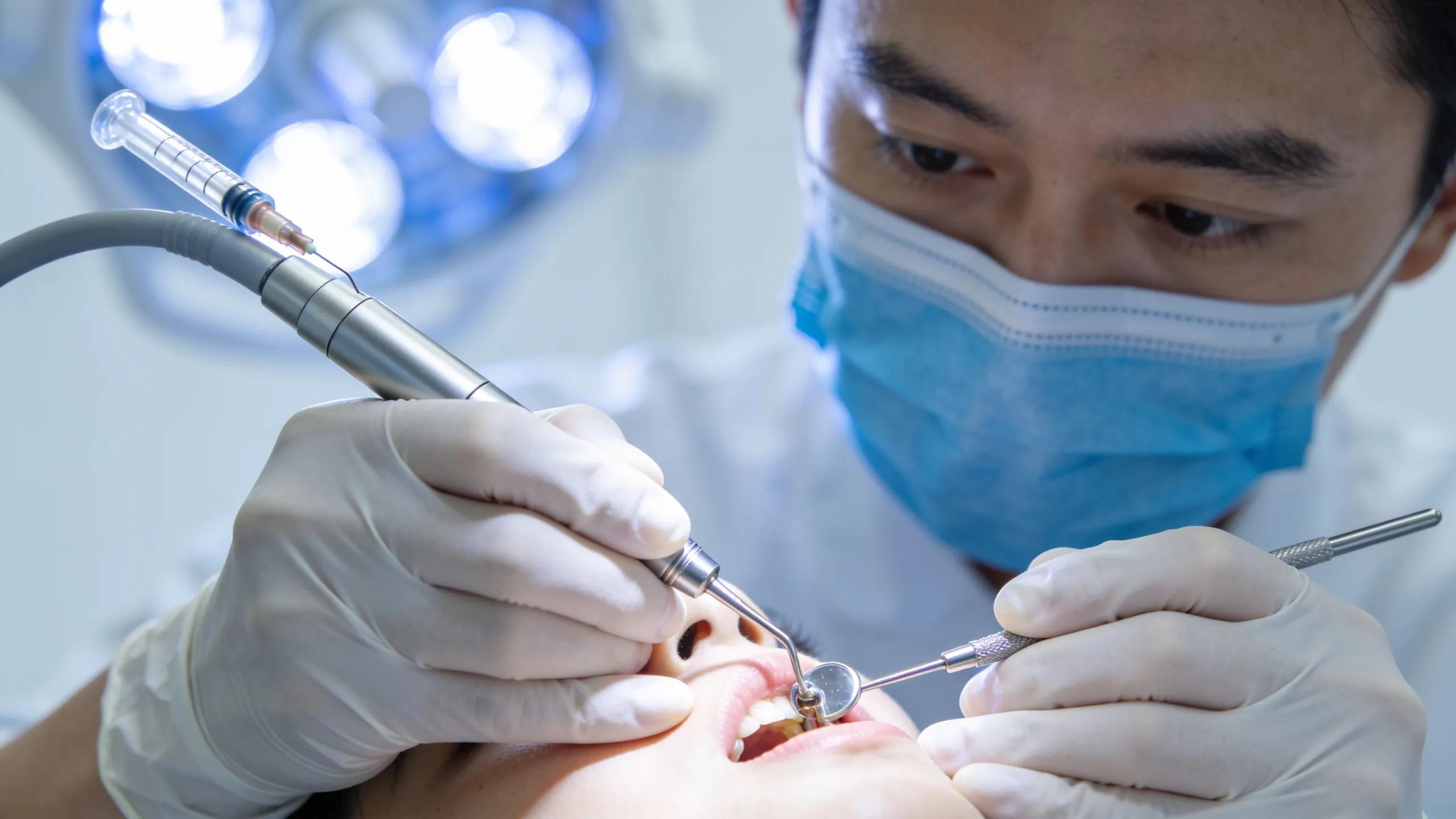
The process begins with a diagnosis using X-rays to assess the issue. Local anaesthesia is given for comfort. The dentist makes an access opening, removes the infected pulp, shapes and disinfects the canals, then seals the tooth with a rubber-like material. Often a crown is placed afterward to restore function and strength. This sequence helps ensure a durable result.
How Much Does Root Canal Treatment Cost and What Influences Pricing?
Root canal costs vary by tooth type and complexity. Prices commonly range from $700 for a front tooth to $2,500 for a molar, depending on follow-up care or extra procedures. Factors like root anatomy and additional imaging can affect the final cost. Insurance coverage also impacts out-of-pocket expenses, so check your plan before treatment.
Emergency Appointment Protocols:
Emergency dental appointments address urgent issues that need prompt care. Severe pain, trauma or infection symptoms require quick evaluation. Recognising emergencies early improves outcomes and reduces the chance of complications.
What Are the Signs You Need an Emergency Dental Visit?
Knowing the signs that require emergency care helps you act fast. Common indicators include persistent, severe toothache; swelling or increased sensitivity; and signs of infection like fever or a bad taste. These symptoms merit urgent attention.
- Persistent Toothaches: Severe and unrelenting tooth pain could indicate underlying issues requiring immediate attention.
- Swelling and Sensitivity: Noticeable swelling in the jaw or gums, coupled with sensitivity to hot or cold, can signal an infection or abscess.
- Signs of Infection: Symptoms such as fever, bad breath, or unpleasant taste in the mouth may reflect a serious dental infection.
Getting care quickly for these signs can prevent the problem from worsening and speed recovery.
How to Schedule Same Day Emergency Dental Appointments Effectively

When you have a dental emergency, act fast and follow clear steps. Identify the urgency of your symptoms, contact local dentists who offer emergency slots, and be upfront about what you re feeling. Many practices hold time for urgent cases.
- Identify Urgent Issues: Assess your symptoms and determine if they require same-day attention.
- Contact Local Dentists: Reach out to dental offices that offer emergency services, as many practices can reserve time slots for urgent cases.
- Manage Expectations: Be clear about your symptoms and patient needs, knowing that appointment availability may vary.
Clear, concise communication with your provider helps secure prompt care and reduces stress while you wait for treatment.
Preventive Dental Care Tips:
Preventive care lowers the chance of needing complex treatments like root canals. Simple routines and regular checkups cut risk and keep your mouth healthy over time.
How to Prevent Gum Disease: Tips and Early Warning Signs
Stopping gum disease starts with easy daily habits and spotting symptoms early. Brush twice daily, floss daily and eat a balanced diet to support gum health. Watch for swollen or bleeding gums and persistent bad breath; if these appear, see your dentist to stop progression.
- Daily Brushing and Flossing: Regular brushing twice a day and daily flossing remove plaque and prevent tartar buildup.
- Dietary Considerations: A balanced diet rich in vitamins and minerals supports gum health and reduces the risk of infection.
- Recognizing Early Symptoms: Swollen gums, persistent bad breath, or gums that bleed easily should prompt immediate dental consultation to prevent progression.
Follow these steps consistently to keep your gums healthy and reduce the chance of more serious issues.
Which Toothpaste Is Best for Sensitive Teeth and Why?
For sensitive teeth, choose toothpastes that contain potassium nitrate or strontium chloride. These ingredients help block the pathways to the tooth nerves and reduce discomfort. Look for gentle formulas that still protect against cavities.
- Sensodyne: Known for its effective relief of tooth sensitivity.
- Colgate Sensitive: Offers a fluoride formula while protecting against cavities.
- Crest Pro-Health: Provides comprehensive dental care while catering to sensitive teeth.
Picking the right toothpaste eases sensitivity and supports overall oral health when used regularly.
What Are Essential Dental Care Tips for Kids?
Good dental habits in childhood set the stage for lifelong oral health. Teaching kids proper care early reduces cavities and the need for complex treatments later.
How to Establish Healthy Dental Habits for Children
Start habits early and make them routine. Brush twice daily with fluoride toothpaste when the first tooth appears, start flossing once teeth touch, and book dental checkups every six months. Positive reinforcement helps children stick with these habits.
- Regular Brushing: Teach children to brush twice a day with fluoride toothpaste as soon as their first tooth appears.
- Flossing Together: Show children how to floss once they have multiple teeth touching.
- Routine Checkups: Schedule dental visits every six months to monitor dental health and address any issues.
Make dental care a normal part of the day so children grow up comfortable with their routine.
When Should You Refer a Child to a Dental Specialist?
Refer a child to a specialist if cavities keep returning, if teeth or the jaw look misaligned, or if tooth eruption is delayed. These signs suggest a specialist assessment is needed.
- Persistent Cavities: Frequent cavities despite diligent dental hygiene may indicate underlying problems.
- Jaw/Alignment Issues: Noticeable teeth misalignment or jaw pain should be assessed by an orthodontist.
- Developmental Delays: Delays in tooth eruption can be a signal to consult a specialist.
Seeing a specialist early can guide timely treatment and support better outcomes for a child
How Do Referring Dentists Collaborate with Endodontic Specialists?
Referring dentists identify cases that need specialist care and coordinate with endodontists to streamline treatment. That teamwork improves patient experience and helps achieve the best possible results.
What Is the Patient Referral Process to Anodyne Endodontics?
Anodyne Endodontics focuses on root canal care, same-day emergency appointments and working with referring dentists. The referring clinician assesses the patient, gets consent and sends relevant records and treatment history so the endodontist is prepared to provide appropriate care.
Why Partner with Endodontic Experts for Root Canal Treatments?
Endodontic specialists bring focused training and experience with pulp-related procedures and complex cases. Partnering with experts helps ensure accurate diagnosis and effective treatment for challenging situations.
What Are the Latest Advances in Endodontic Care and Emergency Dental Services?
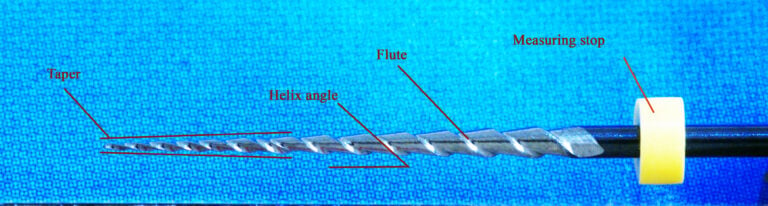
New tools like digital imaging and rotary instruments have boosted the precision and speed of root canal care. These advances often mean quicker procedures and less discomfort for patients.
How Are Pain Management and Recovery Improving in Root Canal Procedures?
Improvements in pain control—such as targeted local anaesthesia and sedation options—make treatments more comfortable and reduce anxiety. Better pain management supports quicker, smoother recovery.
Why Is There a Growing Demand for Same-Day Emergency Dental Care?
More patients want immediate solutions and shorter wait times for urgent dental problems. Same-day emergency options help address pain and stop problems from worsening, which many patients prefer.
Frequently Asked Questions
What Should I Do If I Experience a Dental Emergency After Hours?
If you have a dental emergency after hours, call your dentist first; many offices provide emergency contact details or voicemail instructions. If they are unavailable, go to a nearby hospital or urgent care that can help. Meanwhile, rinse with warm salt water and use a cold compress to reduce swelling until you get professional care.
How Can I Recognize Early Signs of a Tooth Infection?
Early infection signs include a persistent toothache, swelling in the gums or face, and sensitivity to hot or cold. You might notice a bad taste or odour, fever or swollen lymph nodes. Seek dental care promptly to avoid complications and protect the tooth.
Are There Alternatives to Root Canal Treatments?
Alternatives exist in some cases, such as extracting the tooth or performing a pulpotomy (removing pulp from the crown), often used in primary teeth. These options can lead to loss of the natural tooth and may require prosthetic replacements later, so root canal therapy is often preferred when saving the tooth is feasible.
How Often Should I Have a Dental Checkup?
Most people should have a dental checkup every six months. If you have gum disease or extensive dental work, your dentist may recommend more frequent visits. Regular checkups help catch problems early and keep your mouth healthy.
What Can I Expect After a Root Canal Procedure?
After a root canal you may have some discomfort or mild swelling, usually manageable with over-the-counter pain relief. Avoid chewing on the treated side until a crown is placed, since the tooth can be more prone to fracture. Follow your dentist
Why Is Preventive Dental Care Important?
Preventive care finds problems early and can stop them from becoming costly or invasive later. Regular cleanings, exams and daily brushing and flossing protect teeth and gums and save time, money and discomfort down the road.
Conclusion
Comprehensive dental care protects your teeth and supports overall health. Knowing when to seek root canal treatment or emergency care helps you make informed choices. Use preventive tips and consult professionals to keep your mouth healthy and avoid more complex procedures.