Root Canals and Crowns: Comprehensive Guide to Treatment Options, Costs, and Care

Root Canals and Crowns: Comprehensive Guide to Treatment Options, Costs, and Care
By Zainab Aziz, Anodyne Endodontics
Root canals and dental crowns are core treatments in restorative dentistry for teeth with extensive decay or damage. This guide explains how root canal therapy works, the crown options used afterward, and what patients commonly worry about—pain and how long restorations last. Advances in dental techniques have improved results and reduced discomfort. Read on to learn about treatment choices, typical costs, post-treatment care, and maintenance to protect your oral health. We’ll also list symptoms that suggest a root canal may be needed and explain how crowns help preserve teeth.
Key Takeaways
- Root canals remove infected tooth pulp to relieve pain and preserve the natural tooth structure effectively.
- Dental crowns protect and restore teeth after root canals, enhancing function and aesthetic appearance.
- Root canal costs range from $600 to $1,500, while crowns typically cost between $800 and $3,000 depending on materials.
- Post-treatment care includes pain management, dietary adjustments, and maintaining oral hygiene to ensure successful recovery.
- Symptoms like severe toothache, sensitivity, discoloration, and gum swelling indicate the need for root canal treatment.
- Advancements in root canal technology have reduced discomfort and procedure time, improving patient experience significantly.
- Choosing the right crown type depends on tooth location, with porcelain, zirconia, and metal offering different durability and aesthetics.
- Long-term crown care requires gentle brushing, daily flossing, avoiding hard foods, and regular dental check-ups.
- Emergency root canal appointments are crucial for severe pain or infection to prevent further dental complications.
Comprehensive Guide to Root Canals and Crowns
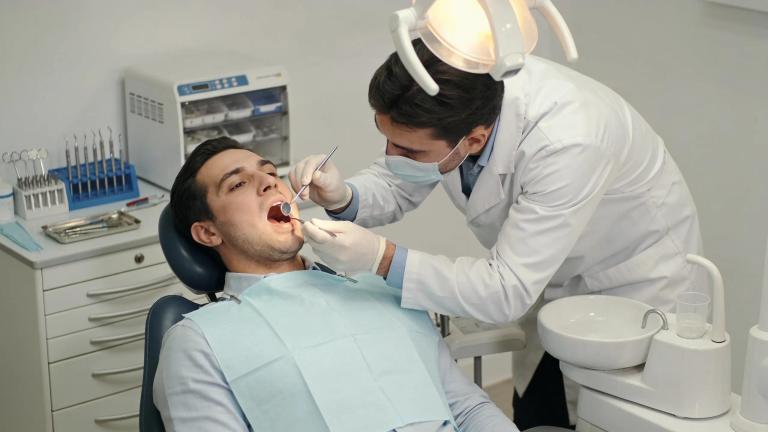
Root canal treatment removes infected or damaged tissue inside the tooth so the tooth can be preserved and restored. It addresses pain and infection originating in the pulp and helps protect neighboring teeth from damage. Crowns cover and protect the tooth after treatment, restoring both function and appearance. Knowing how these treatments work helps prevent tooth loss and maintain oral health.
Treatment Options:
Root Canal Therapy

Root canal therapy relieves pain and preserves a tooth when the pulp is inflamed or infected. The dentist removes the infected tissue, cleans the tooth’s interior, and seals it with a biocompatible material. Modern methods have reduced discomfort and recovery time, so most patients resume normal activities quickly. Some sensitivity for a few days is common, but pain usually eases soon after treatment.
Dental Implants
If a tooth cannot be saved with a root canal, a dental implant is an alternative. The procedure places a titanium post into the jawbone to replace the root and support a crown. Implants help prevent jawbone loss that follows extraction. Successful placement requires a full assessment to confirm the bone and overall oral health are suitable.
Associated Costs:
Root canal prices vary by tooth location, procedure complexity, and any additional restorations like crowns. Typical root canal costs range from $600 to $1,500. Crown prices depend on the material and usually run from $800 to $3,000. Talk with your dentist about expected fees and check your insurance to estimate out-of-pocket costs.
Post-Treatment Care:
After a Root Canal:
Good post-treatment care helps ensure a smooth recovery. Follow your dentist’s directions, which may include:
- Pain Management: Using over-the-counter analgesics to manage discomfort.
- Dietary Adjustments: Avoiding hard or sticky foods for the first few days to protect the treated tooth.
- Maintaining Oral Hygiene: Continuing regular brushing and flossing practices to keep the area clean.
Crown Placement:
After the root canal heals, a crown is typically placed. The dentist takes impressions to create a custom crown that matches the surrounding teeth. Proper care and follow-up visits help ensure the crown fits well and lasts for years.
Importance of Crowns:
Crowns protect and stabilise a tooth after a root canal, preventing further damage and preserving alignment. They also restore the tooth’s appearance. Knowing the options—porcelain, metal, and resin—helps patients choose a crown that balances strength and looks.
Long-Term Care:
Caring for crowns supports their durability and function. Patients should:
- Practice Good Oral Hygiene: Brushing and flossing regularly around the crown.
- Avoid Hard Foods: Steering clear of hard candies or tough meats that could damage the crown.
- Visit the Dentist Regularly: Scheduling routine check-ups and cleanings to monitor the condition of the crown and surrounding teeth.
Consistent daily care and regular dental visits keep crowns in good condition and protect the restored tooth.
What Are the Symptoms That Indicate the Need for a Root Canal?
Several symptoms may indicate the urgent need for a root canal, including:
- Severe Toothache: Persistent pain, especially when applying pressure or chewing.
- Sensitivity to Temperature: Extended sensitivity to hot or cold, even after the source is removed.
- Discoloration: Darkening of the tooth, signaling potential pulp damage.
- Swelling and Tenderness Gums: Inflammation around the tooth, potentially indicating an infection.
Spotting these signs early allows for prompt treatment and reduces the risk of more serious problems.
How to Recognize Root Canal Infection and Dental Pulp Damage
Patients should look for signs of pulp damage or infection, such as:
- Prolonged Pain: Pain that persists beyond typical sensitization timelines.
- Foul Taste in the Mouth: Bad breath or a persistent unpleasant taste that could indicate infection.
- Swollen Lymph Nodes: Swelling may extend beyond the mouth to areas like the neck or jaw.
Identifying these symptoms early improves the chances of saving the tooth with timely treatment.
When Should You Seek Emergency Root Canal Appointment?
If you experience severe pain, swelling, or clear signs of infection, seek an emergency appointment. Rapid evaluation by an endodontist can limit damage, relieve pain, and improve outcomes. Acting quickly often makes a meaningful difference in treatment success.
What Are the Available Root Canal Treatment Options?
Root canal care can be tailored to each patient. Options vary by the tooth’s condition and may include standard root canal therapy, retreatment, or extraction followed by implant placement when necessary.
Step-by-Step Root Canal Procedure Explained
The standard procedure typically follows these steps:
- Initial Assessment: Dentists evaluate the condition through X-rays.
- Numbing the Area: Local anesthesia ensures patient comfort during the procedure.
- Removing the Pulp: Infected pulp is carefully extracted from the tooth.
- Cleaning and Shaping: The interior of the tooth is cleaned, shaped, and disinfected.
- Filling the Root Canal: The cleaned canal is filled with gutta-percha, a biocompatible material.
- Sealing the Tooth: A temporary filling seals the opening until a permanent restoration (like a crown) is placed.
Each step is performed to preserve the tooth’s structure and restore its health.
Advancements in Root Canal Technology and Pain Relief Methods for 2026
Recent developments have made root canal procedures faster and less invasive. Rotary instruments reduce procedure time and discomfort, while improved anaesthetics and sedation options increase patient comfort. Ongoing research continues to refine techniques and patient outcomes.
Which Types of Dental Crowns Are Best for Restoring Teeth After Root Canals?
Choosing the right crown after a root canal depends on the tooth’s location, aesthetic needs, and strength requirements. Each material offers trade-offs between durability and appearance.
Comparing Dental Crown Types: Porcelain, Zirconia, and Metal Crowns
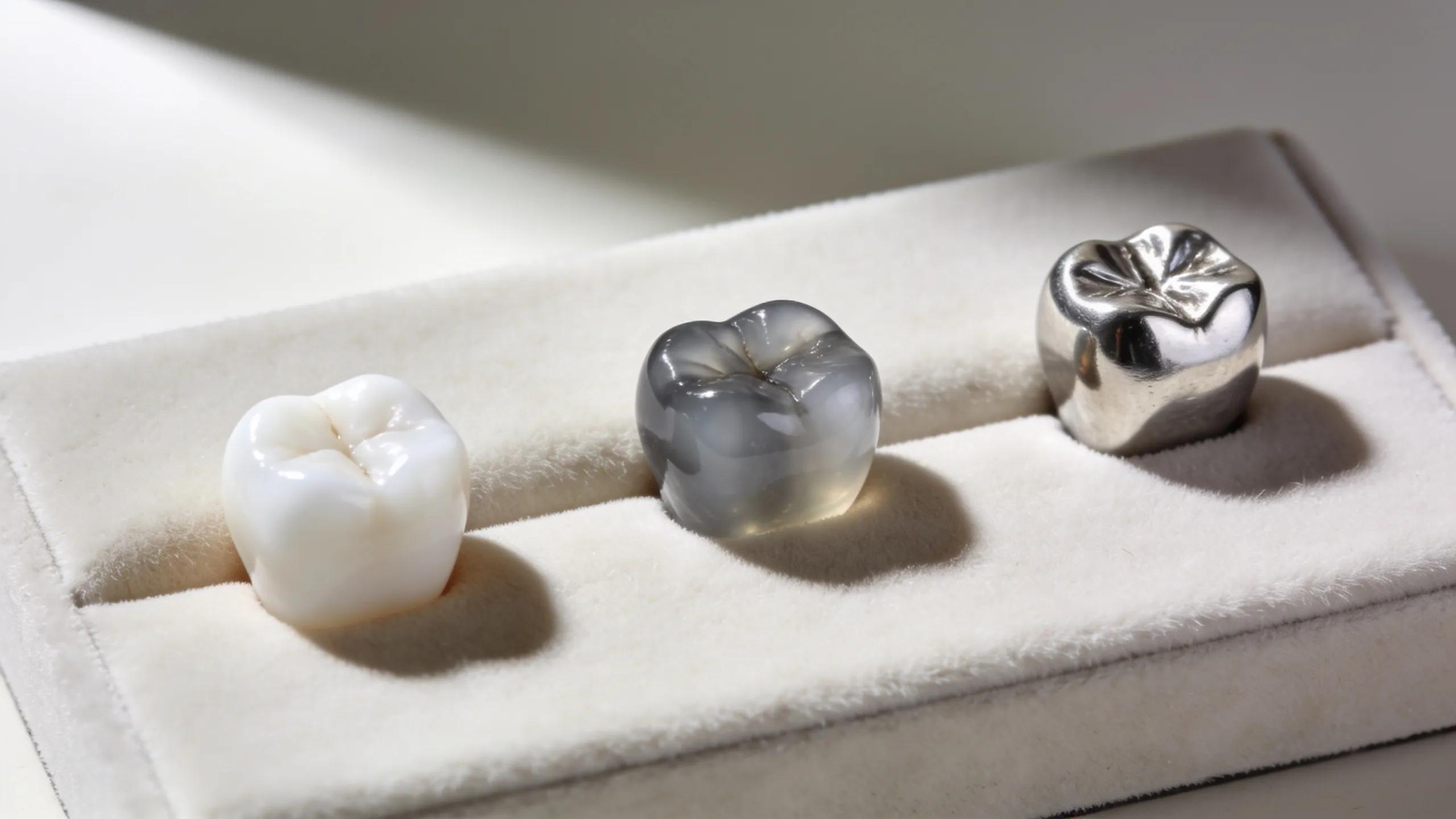
This side-by-side view highlights how each crown type meets different strength and aesthetic needs to guide your choice.
How to Choose the Best Dental Crowns for Molars and Front Teeth
Select a crown based on function and location: molars often need stronger materials like metal or zirconia, while front teeth benefit from porcelain or zirconia for a natural look. Consider your bite, appearance goals, and budget when deciding.
What Is the Expected Root Canal Healing Time and Care Instructions?
Initial comfort after a root canal usually improves within 24–48 hours, and full recovery can take several weeks depending on individual healing. Manage pain as directed, apply ice if advised, and maintain gentle oral hygiene while the area heals.
How to Care for Your Dental Crown to Ensure Longevity
Caring for a dental crown includes:
- Gentle Brushing: Use a soft-bristled toothbrush for cleaning.
- Flossing Daily: Prevent plaque buildup around the crown.
- Regular Dental Visits: Ensure ongoing assessments and professional cleanings.
Following these steps helps extend the life of the crown and protects the restored tooth.
How Much Does a Root Canal Procedure Cost and What Are Payment Options?
Knowing the cost of a root canal and any required crowns helps with budgeting. Prices vary by location, tooth condition, and the specific treatments needed. Many patients find insurance covers part of the cost, but verify coverage details with your provider.
Factors Influencing the Cost of Root Canal Therapy and Dental Crowns
Costs depend on factors such as:
- Tooth Location: Procedures on molars may be more complex and costly.
- Treatment Complexity: Retreatment or additional procedures increase overall expenses.
- Material Choices for Crowns: Different materials carry different price points.
Insurance Coverage and Financing Options for Root Canal and Crown Treatments
Many dental insurance plans cover part of root canal and crown costs. Review your policy carefully, and if you lack coverage, ask your dental practice about financing or payment plans to make treatment manageable.
How Can Referring Dentists Collaborate for Smooth Patient Referrals to Anodyne Endodontics?
Good collaboration between referring dentists and specialists like Anodyne Endodontics improves patient care. Clear communication about histories and expectations speeds up referrals and ensures continuity of care, benefiting both patients and providers.
What is the Referral Process for Endodontic Patients?
When referring a patient, gather all relevant records and X-rays and share clear notes on the patient’s condition. Thorough information helps the specialist plan appropriate treatment and provides a smoother experience for the patient.
Emergency Same Day Appointment Scheduling for Referred Patients
For urgent dental problems, efficient referral processes are essential. Anodyne Endodontics’ focus on prioritising same-day appointments for referred patients highlights their commitment to quick pain relief and timely care to prevent complications.
Frequently Asked Questions
1. How do I know if I need a root canal?
If you have severe tooth pain, ongoing sensitivity to hot or cold, visible tooth discoloration, or gum swelling, these can indicate the need for a root canal. See a dentist for an assessment—early treatment can prevent further damage and often saves the tooth.
2. What can I expect during a root canal procedure?
Your dentist will numb the area with local anaesthesia, remove the infected or damaged pulp, clean the tooth’s interior, and fill it with a biocompatible material. A temporary filling will remain until a crown is fitted. Most patients experience little to no pain during the procedure thanks to modern techniques.
3. Are root canals painful?
Many people worry root canals are painful, but with modern anaesthesia and methods, most patients feel only mild discomfort. Some sensitivity afterward is normal and usually controlled with over-the-counter pain relievers. Often the procedure relieves the pain caused by the infection.
4. How long do dental crowns last?
Dental crowns typically last between 5 and 15 years, depending on material, tooth location, and oral care. Regular dental check-ups help detect issues early and can extend the crown’s lifespan.
5. What types of crowns are available?
Common crown options include porcelain, metal, and zirconia. Porcelain is highly aesthetic and favoured for front teeth. Metal crowns are very durable and suit back teeth. Zirconia offers a strong, attractive middle ground for many situations.
6. Can I eat normally after getting a crown?
After crown placement, take care with food during the first 24 hours—avoid hard, sticky, or crunchy items that might dislodge the crown. Once you feel comfortable and the dentist confirms placement, you can generally return to your normal diet, following any specific advice from your dentist.
7. What steps can I take for post-treatment care after a root canal?
Follow your dentist’s instructions, manage pain as recommended, avoid hard foods for a few days, and keep up strict oral hygiene. Regular follow-ups will help ensure the treated tooth stays healthy and complication-free.
Conclusion
Knowing how root canals and crowns work helps relieve pain, restore tooth function, and guide informed treatment choices. Understanding options, costs, and care steps lets patients plan effectively and protect their smiles. If you have dental concerns or questions about restoration choices, consult a dental professional to discuss the best next steps for your oral health.