Practice Dentist Root Canal Specialists Near Me: How to Schedule Same Day Emergency Dental Consultation

Practice Dentist Root Canal Specialists Near Me: How to Schedule Same Day Emergency Dental Consultation
By Zainab Aziz, Anodyne Endodontics
Finding a practice dentist who specialises in root canal therapy is crucial when you have severe dental pain. This guide explains the endodontic treatments available, how root canals ease pain, and why timely appointments matter. Whether the issue is urgent or planned, knowing your options helps protect your dental health. We cover same-day emergency appointments, symptoms that need immediate care, and how to communicate clearly with your dental team.
Key Takeaways
- Root canal therapy removes infected pulp to relieve pain and prevent tooth loss effectively.
- Practice dentists offer specialized endodontic treatments including retreatment and apicoectomy for complex cases.
- Same-day emergency dental appointments require prompt communication and symptom description to secure timely care.
- Severe toothache, swelling, broken teeth, and sensitivity indicate the need for immediate dental attention.
- General dentists refer patients to endodontists through thorough assessment and clear communication for specialized care.
- Online booking and flexible scheduling improve accessibility to dental consultations and emergency treatments.
- Pediatric endodontic care adapts treatments like pulp capping to preserve children’s dental health effectively.
- Family dental practices integrate routine and emergency care with flexible hours and continuity for patient convenience.
- Timely endodontic treatment preserves natural teeth, reduces pain, and lowers overall dental care costs.
What Are the Primary Endodontic Treatment Options Offered by Practice Dentists?
Endodontic treatments address problems in the dental pulp and root canals. The primary options include root canal therapy, retreatment, and apicoectomy, each aimed at removing infection and restoring tooth function.
These treatments preserve tooth structure and function while relieving pain, helping patients keep comfortable, healthy smiles.
How Does Root Canal Therapy Relieve Dental Pain?
Root canal therapy relieves pain by removing infected or inflamed pulp, cleaning the canal system, and sealing it with a biocompatible material to stop infection and prevent recurrence.
Most patients notice pain relief soon after treatment, and the seal helps prevent future infections for lasting oral health.
After a root canal, discuss any concerns with your dentist and arrange follow-up care as needed.
What Specialized Services Do Dental Practices Provide for Endodontic Care?
Specialist practices focus on a range of endodontic treatments to provide comprehensive care.
- Root canal therapy and re-treatment
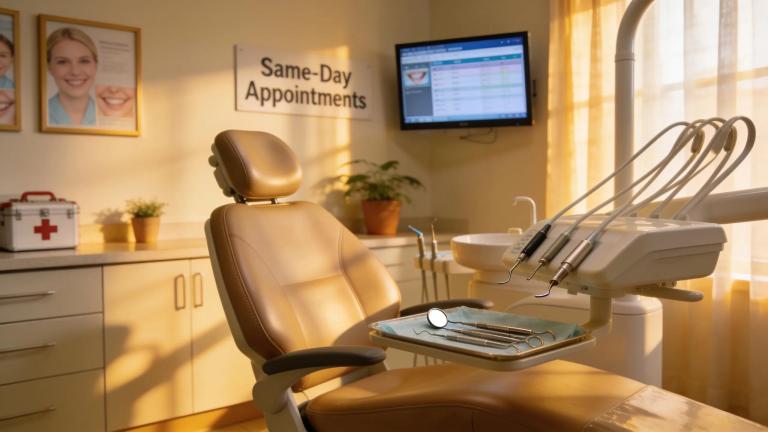
- Emergency same-day appointments for urgent needs
- Apicoectomies for challenging cases
- Pediatric endodontic care for children
They use modern technology and advanced techniques, and endodontists’ additional training lets them handle complex procedures general dentists may not be equipped to perform.
How Can Patients Secure a Same Day Emergency Dental Appointment?
Getting a same-day emergency dental appointment can ease sudden pain. Use these practical steps to speed the process:
- Contact the Practice: Always call ahead to alert the dental office of your emergency status.
- Provide Necessary Information: Be ready to describe your symptoms and any previous treatments related to your dental health.
- Follow Guidelines: Adhere to the office’s instructions regarding any forms or documentation you may need to complete before your appointment.
Anodyne Endodontics prioritizes emergency cases and often accommodates patients in need of immediate care. Following these steps improves your chance of receiving timely treatment.
What Is the Process for Booking an Urgent Dental Consultation?
Booking an urgent consultation is simple if you follow key steps to ensure prompt care:
- Determine the Urgency of the Situation: Identify if your symptoms require immediate care based on pain level and other indicators.
- Gather Patient Data: Provide your insurance information, medical history, and any current medications when you call the practice.
- Schedule the Appointment: Request a time slot that suits your schedule, and ensure you clarify that it’s for urgent care.
Clear communication with your dental provider helps speed the booking and secure timely attention to urgent needs.
Which Symptoms Qualify for Immediate Dental Care by a Practice Dentist?
Some symptoms require immediate dental attention. If you have any of the following, contact your dental practice right away:
- Severe and persistent toothache
- Swelling around the gums or face
- A broken or chipped tooth
- Increased sensitivity to hot or cold
Spotting these signs early helps you get prompt care and reduces the risk of complications from delayed treatment.
What Is the Dental Practice Referral Process for Root Canal Specialists?
Referrals help patients access specialist endodontic care; general dentists base them on diagnosis, clear communication between practitioners, and plans for follow-up care.
- Diagnosis of Complex Cases: When patients exhibit symptoms indicating the need for specialized evaluation.
- Communication between Practitioners: Dentists must provide clear documentation and patient history to facilitate a smooth transition.
- Follow-Up Care: Ensuring that the patient returns to the general dentist for continued care after treatment from an endodontist.
A structured referral process improves outcomes by directing patients to specialised care in a timely way.
How Do General Dentists Refer Patients to Endodontists?
General dentists assess cases, consult directly with endodontists, and explain the referral and expected steps to the patient.
- Assessment of Treatment Needs: If a patient requires specialized care, the dentist assesses the situation thoroughly.
- Consultation with the Endodontist: General dentists often communicate directly with endodontists to discuss the case and share patient details.
- Patient Education: After the referral, the general dentist informs the patient about the procedure and what to expect.
Patients should discuss referrals with their primary dentist so care stays coordinated and treatment runs smoothly.
What Are Best Practices for Streamlining Patient Referrals?
Smoother referrals improve patient care. Practices should adopt these best practices:
- Effective Communication: Establishing clear channels of communication between general dentists and specialists helps clarify patient cases.
- Documentation Readiness: Ensure all necessary medical records and dental histories are prepared for timely transfer.
- Patient Engagement: Educate patients about the referral process, including what they need to do to prepare for their next appointment.
Using these strategies creates a seamless transition between general and specialist dental care.
How to Schedule Dental Consultations Effectively with a Practice Dentist?
Effective scheduling means matching availability to patient needs. Try these practical tips to secure appointments faster:
- Use Online Booking: Many dental offices provide online platforms that allow you to see availability and book an appointment.
- Confirm Insurance Coverage: Ensure that the dentist accepts your insurance plan to avoid unexpected costs during your visit.
- Be Flexible with Times: Offering a range of availability can help in securing an appointment sooner.
Proactive, clear communication with your dental office makes scheduling faster and easier.
What Online Scheduling Options Are Available for Dental Appointments?
Many practices now offer online options for booking appointments.
- Dedicated Practice Websites: These often have integrated scheduling systems.
- Mobile Applications: Apps can be a convenient way to manage appointments from a smartphone.
- Third-Party Scheduling Services: Providers may utilize platforms that streamline appointment setting across multiple practices.
Using these tools helps patients manage their dental appointments more efficiently.
How Can Patients Prepare for Their Initial Dental Consultation?
Preparing for your first consultation improves the visit. Follow these steps to get the most from the appointment:
- Bring Necessary Documents: Patient identification, insurance information, and medical history are crucial for the consultation.
- List Symptoms: Document symptoms and dental concerns to discuss with the dentist during the appointment.
- Ask Questions: Prepare a list of questions regarding treatment options, costs, and care plans.
Good preparation leads to better care and a more productive initial visit.
What Should Patients Know About Pediatric and Family Dentistry Within Practice Dentist Services?
Pediatric and family dentistry delivers age-appropriate care for children and adults, with services tailored to different developmental stages.
- Child-Friendly Environment: Practices should aim to create a welcoming atmosphere for young patients.
- Age-Appropriate Care Plans: Treatment plans must be suitable for different age groups, considering growth and developmental stages.
- Routine and Emergency Care: Family dentists often provide both routine check-ups and emergency treatment, making them a convenient option for families.
This approach supports good oral health across all ages.
What Endodontic Treatment Options Are Suitable for Children?
Endodontic care can be adapted for children. Common options include pulp capping, root canal therapy on primary teeth, and regular monitoring to prevent discomfort and preserve primary teeth until permanent ones emerge.
- Pulp Capping: A method used when cavities are small and can prevent the need for a full root canal.
- Root Canal Therapy on Primary Teeth: Necessary to preserve these teeth until permanent ones emerge.
- Regular Monitoring: Ongoing check-ups to ensure the health of primary teeth and minimize dental discomfort.
Knowing these options helps parents make informed choices about their child’s dental care.
How Do Family Dental Practices Integrate Emergency and Routine Care?
Family dental practices offer both routine and emergency care through strategies like flexible hours, same-day appointments, and continuity of care.
- Flexible Hours: Extended service times can cater to family schedules and unforeseen emergencies.
- Same-Day Appointments: Availability for urgent dental issues ensures families receive timely care.
- Continuity of Care: The same practice can oversee both routine check-ups and emergency interventions, streamlining patient experiences.
This mix keeps care continuous and boosts patient satisfaction.
Why Choose a Local Practice Dentist for Root Canal and Emergency Dental Care?
Local practice dentists offer clear benefits for root canal and emergency care, including fast access and personalised service tailored to community needs.
- Community Trust: Local dentists often cultivate lasting relationships within the community, fostering trust and reliability.
- Quick Access to Care: Proximity ensures easier access to appointments and emergency interventions.
- Personalized Treatment: Familiarity with local patients allows for more personalized service tailored to individual needs.
These advantages make local practices a strong choice for immediate and ongoing dental needs.
What Are the Benefits of Timely Endodontic Treatment Near Me?
Timely endodontic treatment delivers key benefits, such as pain relief, preservation of natural teeth, and lower overall costs by preventing more extensive damage.
- Pain Relief: Quick intervention dramatically reduces discomfort for patients.
- Preserving Natural Teeth: Addressing issues promptly can prevent the need for more invasive treatments later.
- Lower Costs: Early treatments often result in more cost-effective solutions, preventing extensive damage that may require costly repairs.
Addressing dental issues early protects your teeth and reduces the need for more invasive, costly treatments later on.
How Do Patient Testimonials Reflect Quality of Care at Practice Dentists?
Patient testimonials show care quality through reports of patient experience, treatment outcomes, and the practice’s reputation.
- Feedback on Experience: Testimonials often provide insights into patient experiences regarding comfort and empathy received during treatment.
- Representative Outcomes: Clear accounts of successful treatments and follow-ups are a testament to competent care.
- Reputation Building: Positive reviews can enhance a practice’s credibility and attract new patients.
Reading real patient accounts helps prospective patients choose the right provider for their needs.
Frequently Asked Questions
1. What should I expect during a root canal procedure?
During a root canal, the dentist numbs the area, removes infected pulp, cleans and shapes the canals, and fills them with a biocompatible material. The procedure usually takes about 1–2 hours. Your dentist may place a temporary filling, and a follow-up visit will be needed to fit a permanent crown. Most patients feel a significant reduction in pain after treatment.
2. How can I prevent the need for a root canal?
Prevent root canals by brushing at least twice daily, flossing daily, and visiting your dentist regularly for check-ups and cleanings. Avoid teeth grinding and using teeth to open objects, and limit sugary snacks. Address dental issues promptly to lower the risk of more serious problems.
3. Are there any risks or side effects associated with root canal therapy?
Root canal therapy has a high success rate but can cause temporary discomfort, swelling, or chewing difficulty. Rarely, an infection may persist and need further treatment. Most patients do experience relief. Follow your dentist’s aftercare instructions and attend follow-up appointments to reduce risk.
4. Is sedation dentistry available for root canal procedures?
Yes. Many practices offer sedation options—such as nitrous oxide, oral sedatives, or IV sedation—to ease anxiety and improve comfort. Talk with your dentist beforehand to choose the best option for your needs.
5. What should I do if I experience pain after a root canal?
If you have pain after a root canal, contact your dentist. Some soreness is normal as tissue heals, but severe or worsening pain may indicate complications. Your dentist may recommend pain relief or antibiotics and will check your recovery at follow-up visits.
6. Can root canal treatment fail?
Root canal treatment can fail for reasons like incomplete canal cleaning, new decay, or tooth fractures. Retreatment or an apicoectomy can often fix the problem. Regular dental check-ups and good oral hygiene help reduce the chance of failure.
7. How much does a root canal cost?
Root canal costs vary by tooth location, case complexity, and the practice. Typical ranges are $700 to $1,500 per tooth. Insurance often covers part of the cost; check your plan and discuss payment options with the dental office before treatment.
Conclusion
Choosing a practice dentist experienced in root canal therapy brings faster pain relief and helps preserve natural teeth long term. Understanding treatment choices and how to secure emergency appointments puts you in control of your dental health. Look for local practices that handle both routine and urgent care, and reach out to find a trusted dentist who can meet your endodontic needs.