
Root Canal Treatment and Emergency Dental Care: Expert Solutions for Your Root Dental Needs

Root Canal Treatment and Emergency Dental Care: Expert Solutions for Your Root Dental Needs
By Zainab Aziz, Anodyne Endodontics
Root canal treatment saves natural teeth and relieves pain from decay or injury. Many people fear it because of myths about pain, but when done correctly it calms discomfort and supports oral health. This article outlines the procedure, steps, patient needs, likely outcomes, and emergency care so you know when to seek specialised help from clinics like Anodyne Endodontics.
Key Takeaways
- Root canal treatment preserves natural teeth by removing infected pulp and preventing further oral complications.
- The procedure involves diagnosis, anesthesia, pulp removal, cleaning, filling, and final restoration for tooth preservation.
- Modern anesthesia ensures minimal pain during root canal therapy, with manageable post-operative discomfort.
- Emergency dental care addresses severe toothaches, swelling, or trauma requiring immediate professional evaluation.
- Dental insurance often covers root canal treatments, but coverage varies by plan and requires patient verification.
- Referrals from general dentists to endodontic specialists streamline access to expert root canal care.
- Choosing qualified endodontists involves evaluating education, certifications, patient reviews, and clinic convenience.
- Same-day emergency root canal treatments are available in many practices to promptly relieve pain and infection.
- Visual aids and structured data enhance patient understanding and improve online visibility for dental services.
Overview of Root Canal Treatment:
Root canal treatment, or endodontic therapy, removes infected pulp to save a tooth and restore function. Saving the natural tooth helps avoid extractions or implants and addresses the infection source to reduce pain. The goal is to preserve tooth structure, keep alignment, and prevent further problems.
Beyond relieving immediate pain, root canal therapy eliminates inflamed or necrotic tissue that, if left untreated, may cause spreading infection or persistent discomfort. Preserving the natural tooth also maintains chewing efficiency and the natural contours of the jaw, which contributes to long-term oral health.
Procedural Steps:
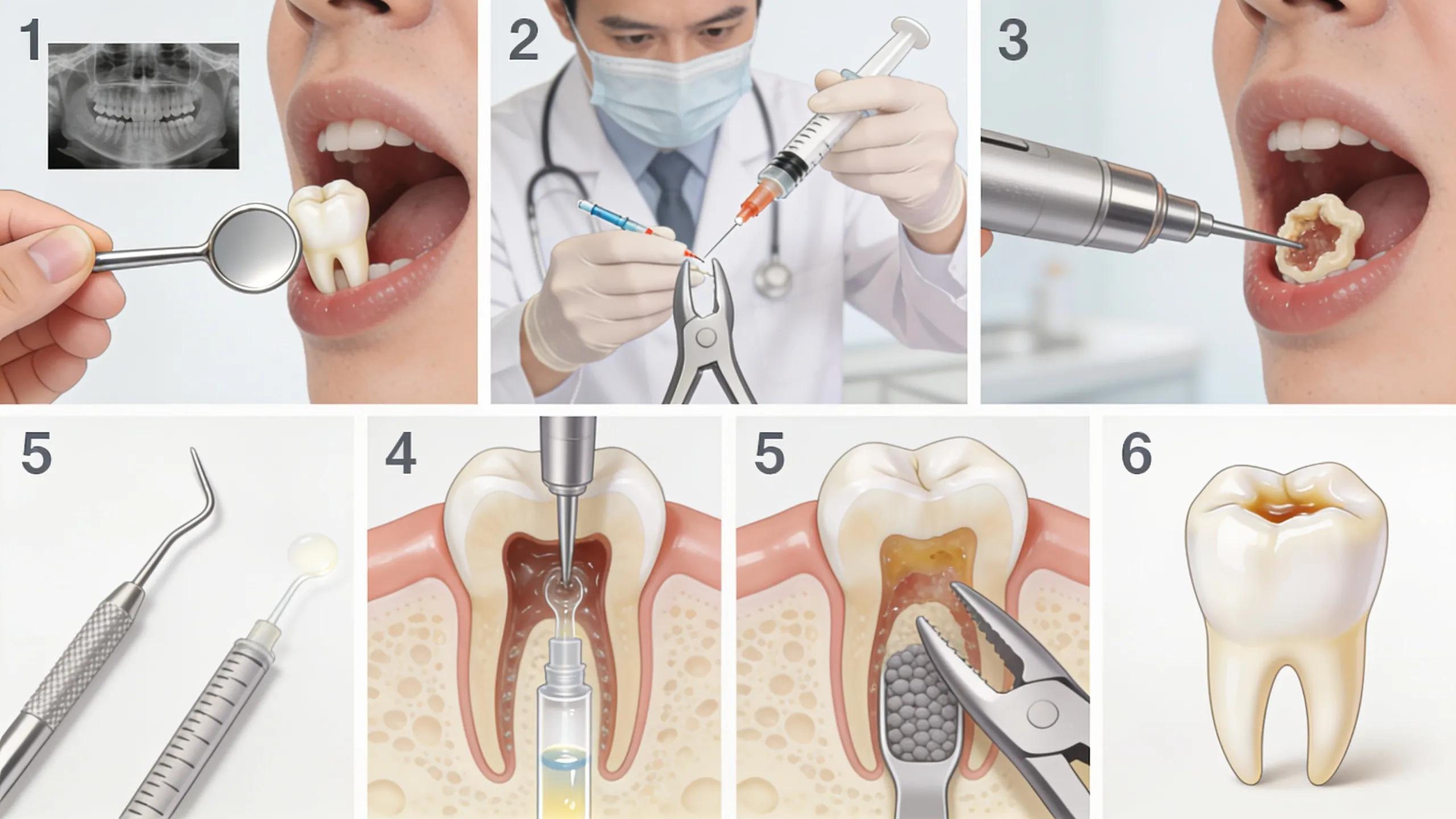
The root canal process follows several key steps to ensure safe, thorough care.
- Diagnosis and Treatment Planning: The dentist or endodontist will start with a thorough examination, including X-rays to assess the extent of the damage.
- Anesthesia: Local anesthesia is administered to ensure the patient is comfortable and pain-free throughout the process.
- Pulp Removal: The infected pulp is carefully removed through a small opening in the crown of the tooth.
- Cleaning and Shaping: The interior of the tooth is cleaned thoroughly and shaped to prepare it for filling.
- Filling: A biocompatible material called gutta-percha is placed into the cleaned canals to seal them.
- Final Restoration: The tooth is then restored with a filling or crown to protect it and restore function.
Steps may differ by case and depend on the infection’s complexity.
Typical treatment planning includes reviewing medical history for conditions or medications that could affect healing, discussing sedation preferences for anxious patients, and outlining expected follow-up visits. Imaging such as periapical or cone-beam scans can clarify canal anatomy for complex cases. The goal of each step is infection control, structural preservation, and a clear pathway to final restoration.
During anesthesia and treatment, clinicians use rubber dam isolation to keep the tooth clean and dry, and contemporary instrumentation (hand files and rotary systems) to shape canals predictably. After gutta-percha obturation, a temporary or permanent restoration is placed; often a crown is recommended later to restore full chewing strength and prevent fracture.
Patient Needs:
Meeting patient needs is central to a successful root canal. Expectations differ on pain control, recovery time, and follow-up care. Addressing those concerns helps the procedure go more smoothly.
- Pain Management Expectations: Most patients report minimal discomfort during the procedure, especially with modern anesthetic options. Post-operative pain can be managed effectively with over-the-counter medications.
- Post-operative Care: Patients should follow care instructions closely, including avoiding chewing on the treated tooth until it is fully restored.
- Importance of Follow-Up Visits: Regular follow-ups are crucial to ensure the tooth heals properly and to address any emerging concerns.
Talking through these areas builds trust and improves patient satisfaction.
Many clinics provide additional supportive measures for comfort, such as nitrous oxide or oral sedatives for anxious patients, topical anesthetic before the injection, and patient education materials that explain each step. Clear instructions on oral hygiene, temporary filling care, and signs that warrant an immediate call to the office help patients feel prepared and secure during recovery.
Potential Outcomes:
Root canal success ranges about 86–95%, and most patients get significant pain relief and return to normal function. Still, it helps to understand the possible results.
- Successful Treatment: If performed correctly, patients can retain their natural tooth for many years, maintaining its function and appearance.
- Complications: Possible complications may include an incomplete removal of infected tissue or the development of new infections. In such cases, retreatment or additional procedures may be necessary.
- Long-term Benefits: Successfully treated teeth can last a lifetime, supporting overall oral health and preventing further complications.
Overall, the benefits generally outweigh the risks, which highlights the value of this treatment.
When complications occur, treatment options include conservative retreatment, surgical endodontic procedures (apicoectomy) to address persistent infection at the root tip, or extraction if the tooth cannot be preserved. Your endodontist will discuss realistic expectations for prognosis, timelines for restoration, and any signs to monitor during healing.
Emergency Dental Care:
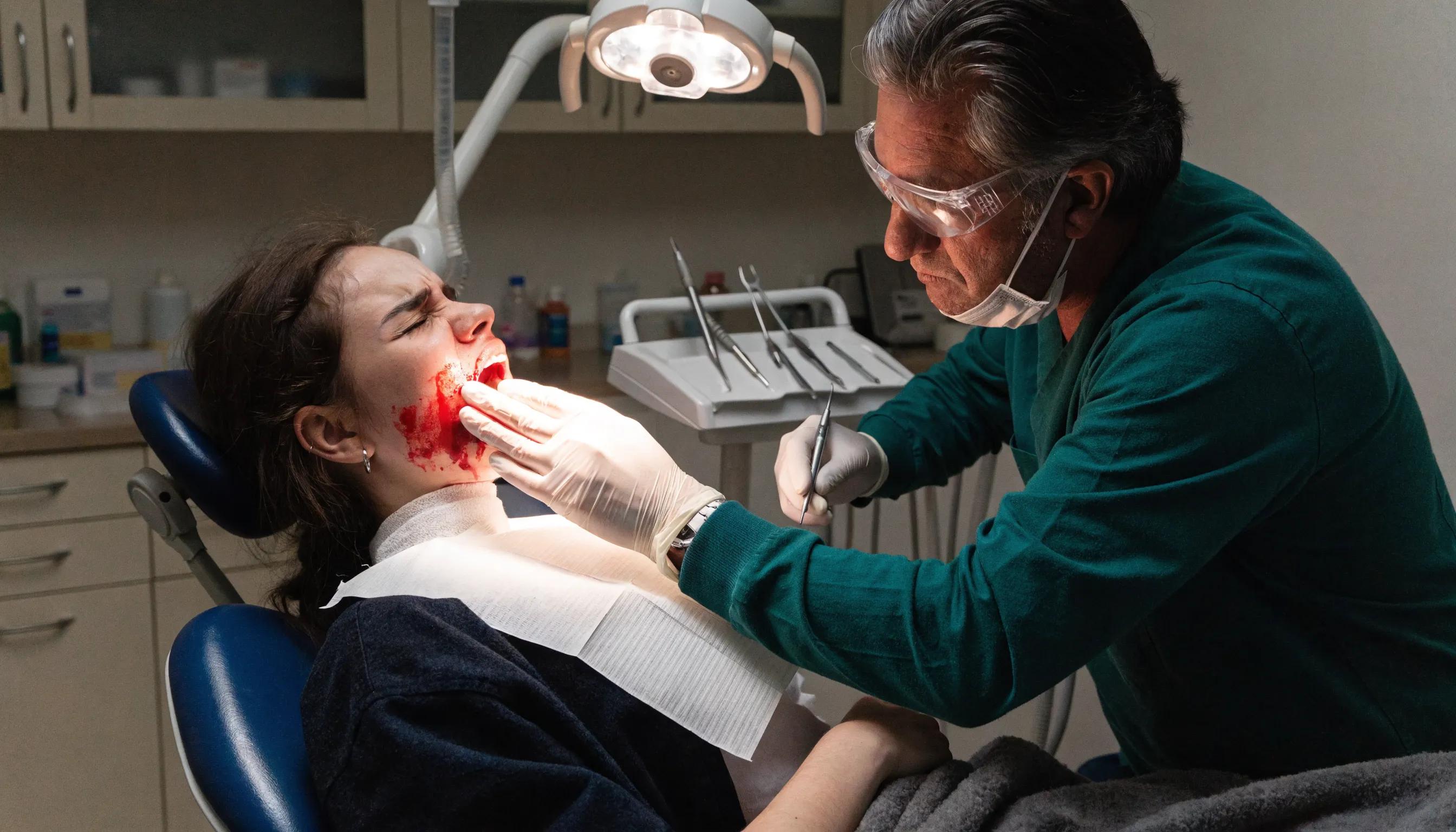
Emergency dental care treats urgent problems that need quick attention. Knowing when to seek help can stop issues from getting worse.
- Signs Needing Emergency Dental Care: Symptoms such as severe toothaches, swelling, or trauma to the mouth necessitate urgent dental evaluation.
- What to Expect During an Emergency Visit: Patients can expect a thorough examination, often requiring imaging, and immediate treatment options based on the findings.
- Long-term Ongoing Care After Emergencies: Following the initial emergency treatment, patients may need further care to restore full functionality, including preventive measures to avert future emergencies.
Anodyne Endodontics handles emergency cases and is a reliable resource for urgent dental needs.
Emergency visits prioritize rapid diagnosis and pain control. Providers will evaluate airway and infection signs, prescribe antibiotics if necessary for spreading infection, and provide temporary measures such as incision and drainage for abscesses or placement of a temporary filling to reduce sensitivity. Clear instructions for follow-up definitive care are an important part of emergency management.
How Can You Schedule an Emergency Root Canal Appointment Quickly?
When you’re in severe pain, booking quickly matters. Knowing how to contact Anodyne Endodontics can reduce stress and speed care.
- Direct Contact: It is advisable to call the practice directly as soon as symptoms appear. Most offices prioritize emergency cases with same-day appointments.
- Preparation for Visit: Patients should be prepared to describe their symptoms clearly for timely assessment. Having insurance information ready can also expedite the process.
- Follow-Up Care: Scheduling follow-up visits immediately can ensure that all necessary care is addressed effectively.
To streamline scheduling, prepare a brief timeline of when symptoms started, any previous dental work on the affected tooth, and current medications. This helps the intake team triage urgency and arrange the most appropriate appointment slot.
What Should You Expect During an Emergency Root Canal Visit?
An emergency root canal visit is streamlined to ease pain and treat infection quickly.
- Initial Assessment: Upon arrival, patients will undergo an initial examination and likely some imaging.
- Anesthesia Administration: To minimize discomfort during the procedure, local anesthesia will be applied.
- Treatment Procedure: The dentist will proceed with the root canal as per standard protocol, focusing on comfort and efficiency.
That structured approach helps deliver fast, effective care.
During the visit, staff will also review post-procedure instructions, provide prescriptions if indicated, and discuss a timeline for definitive restoration to protect the treated tooth. If full root canal therapy cannot be completed immediately, emergency appointments often include interim measures to reduce pain and control infection until definitive care can be provided.
Which Symptoms Require Immediate Endodontic Attention?
Spotting urgent symptoms early can save a tooth and reduce pain.
- Severe Toothache: Intense pain that doesn’t subside with over-the-counter medications.
- Facial Swelling: Swelling in the face or gums indicates a possible infection requiring urgent care.
- Trauma to Teeth: Acute injuries that might affect tooth integrity need immediate evaluation.
Quick action on these symptoms leads to better dental outcomes.
Other warning signs include fever, spreading redness, drainage from the gum, and difficulty swallowing or breathing—symptoms that require immediate medical evaluation in addition to dental care. When in doubt, contact a dental provider promptly to determine the appropriate level of care.
What Are the Typical Root Canal Treatment Costs and How Does Dental Insurance Cover Them?
Knowing typical costs and how insurance applies can ease financial concerns when planning treatment.
- Cost Considerations: Root canal treatment costs can vary based on factors such as tooth location and complexity, typically ranging from $300 to $2,000 per tooth.
- Insurance Coverage: Many dental insurance plans cover a significant portion of the treatment, requiring patients to check specific coverage details with their provider.
- Maximizing Insurance Benefits: Patients can optimize their insurance use by scheduling procedures early in the policy year to fully utilize coverage limits.
Anodyne Endodontics can help patients navigate insurance options effectively.
To estimate out-of-pocket costs, ask the practice for a pre-treatment estimate or predetermination submitted to your insurer. This can clarify patient responsibility for deductibles, co-payments, and any non-covered services such as certain types of crowns. Many practices also provide financing options or payment plans to spread larger expenses over time.
Which Dental Insurance Plans Cover Root Canals and Related Procedures?
Many dental plans cover root canals, but specifics vary by provider and plan type.
- Common Providers: Most PPO plans cover root canals, while HMOs may require referrals.
- Plan Limitations: Shared understanding of coverage limits is crucial to prevent unexpected out-of-pocket expenses.
- Specialized Insurance Options: Some plans offer coverage specifically tailored to endodontic procedures.
Contact your insurance provider to confirm exact coverage details before treatment.
If your plan requires pre-authorization or a referral, work with your general dentist and the endodontic office early to obtain the necessary paperwork. Keep a clear record of estimates and authorization codes to simplify billing and avoid surprises.
How Can Patients Maximize Insurance Benefits for Root Canal Therapy?
Getting the most from insurance takes planning and clear communication about coverage.
- Early Year Procedures: Scheduling treatments early in the policy year ensures maximum utilization of the benefits.
- Consulting with the Dental Office: Open communication with the dental office regarding expected treatment and associated costs aids in financial planning.
- Checking for Discounts or Payment Plans: Some practices offer discounts for cash payments or allow monthly payment plans for substantial procedures.
These steps can lower out-of-pocket costs and make care more affordable.
Also consider flexible spending accounts (FSAs) or health savings accounts (HSAs) if available; these can be used to pay eligible dental expenses tax-free. Ask the practice for itemized invoices to submit for reimbursement when needed.
How Do General Dentists Refer Patients for Root Canals to Endodontic Specialists?
Referrals to endodontists are straightforward but important for timely, effective treatment.
- Assessment at the General Dentist’s Office: Dentists evaluate patients for signs that indicate the need for root canal treatment.
- Referral Procedure: General dentists provide the patient with a referral to an endodontist, ensuring timely treatment.
- Assembling Necessary Documentation: General dentists may forward previous imaging and treatment history to the endodontist, streamlining the process.
Collaboration between providers helps patients access specialist care efficiently.
Good referral communication includes sharing radiographs, clinical notes, and a concise history of symptoms or prior dental work. This helps the endodontist triage urgency, plan treatment efficiently, and avoid duplicative imaging where possible.
What Is the Step-by-Step Process for Referring Patients to Anodyne Endodontics?
- Initial Examination: The dentist performs an initial examination and determines if a referral is necessary.
- Documentation Submission: Documents related to the patient’s dental history and images are sent to Anodyne Endodontics.
- Patient Appointment Scheduling: Patients are provided with contact information to schedule an appointment.
This workflow helps patients reach specialised care without delay.
After referral, Anodyne Endodontics may contact the patient directly to confirm clinical details, advise on pre-visit instructions (medications, fasting for sedation, etc.), and reserve urgent appointment times for emergencies. Clear contact pathways between referring dentists and the specialist improve care continuity.
What Are the Benefits of Using a Specialized Referral Network for Root Canal Treatment?
A referral network tailored to root canals improves the overall patient experience.
- Expertise and Experience: Patients benefit from the specialized knowledge of endodontists who focus solely on root canals and similar procedures.
- Improved Success Rates: Specialized treatment often leads to higher success rates and better patient satisfaction.
- Comprehensive Care Coordination: A streamlined referral network promotes better communication among healthcare providers, ensuring continuity of care.
Using specialised networks like Anodyne Endodontics can lead to better treatment outcomes.
Referral networks also simplify administrative tasks for patients—appointments, records transfer, and follow-up scheduling are coordinated—reducing delay and lowering the risk of missed care opportunities.
Who Are the Best Root Canal Specialists Near Me and How to Choose Them?
Picking a qualified root canal specialist takes deliberate consideration of several factors.
- Qualifications and Experience: Look for specialists with extensive training and experience in endodontics.
- Patient Reviews: Expert opinions and testimonials from previous patients can offer insights into the specialist’s effectiveness and care quality.
- Convenience: Proximity to the specialist’s office can be a practical factor in the selection process, particularly for ongoing treatments.
These criteria help you choose a specialist that matches your needs and expectations.
Other practical considerations include the availability of emergency appointments, the clinic’s communication style, and the use of modern imaging and instrumentation. Scheduling a short consultation call can clarify questions about approach, estimated timelines, and comfort measures.
What Qualifications and Experience Should You Look for in an Endodontist?
When choosing an endodontist, focus on key qualifications and ongoing training.
- Educational Background: Ensure the specialist has completed necessary training, including post-graduate studies in endodontics.
- Certifications: Look for board certifications from recognized dental associations.
- Continuing Education: A commitment to ongoing education reflects a dedication to the latest techniques and technologies in the field.
Verifying these qualities helps you find a capable and reliable professional.
Ask about specific procedural experience for complex cases, use of microscopes or advanced imaging, and the practice’s track record with retreatment or surgical endodontics if relevant to your situation. These details offer additional context beyond baseline qualifications.
How Do Patient Testimonials and Clinic Ratings Influence Choosing the Best Endodontist?
Reviews and ratings are valuable when deciding on an endodontist.
- Impact of Reviews: Positive testimonials reflect the experiences of previous patients, highlighting the quality of care and service.
- Clinical Accreditations: Clinics that maintain high ratings often follow best practices, ensuring patient satisfaction.
- Personal Recommendations: Word-of-mouth recommendations can provide trustworthy insights into clinic reputation.
Together, these factors guide patients toward informed choices based on real experiences.
When reading reviews, look for consistent themes—comments about communication, punctuality, pain management, and post-operative care are often the most informative. Balance individual negative reviews with the overall pattern to make an informed judgment.
What Should New Patients Know About Scheduling Consultations and Treatment Onboarding?
New patients should know what to expect when booking a consultation with an endodontist.
- Initial Consultation Process: Understanding that an initial visit often involves a comprehensive evaluation and explanation of treatment options is crucial.
- Required Documentation: Patients may need to provide relevant medical history or dental records prior to their visit.
- Asking Questions: Taking the opportunity to ask questions during the consultation enhances understanding and ensures alignment with patient expectations.
Being prepared helps create a productive relationship with your dental provider.
Onboarding often includes completion of intake forms, verification of insurance or payment plans, and receiving written aftercare instructions. If sedation is planned, the office will review fasting guidelines and transportation needs to ensure patient safety.
How to Prepare for Your Initial Root Canal Consultation Appointment?
Preparing for your consultation makes the visit more productive and efficient.
- Gather Medical History: Collect relevant health information, medications, and allergies to share with the dental provider.
- List Symptoms: Document all symptoms experienced to provide an accurate account during the consultation.
- Questions Ready: Prepare a list of questions regarding the procedure, recovery, and potential costs to ensure clarity.
These steps help you participate actively in decisions about your treatment plan.
Bringing prior dental X-rays or having your general dentist forward them can speed diagnosis. Note any previous reactions to anesthesia, bleeding disorders, or conditions such as diabetes that can affect healing—this information allows the team to tailor care and anticipate special needs.
What Are the Available Scheduling Options for Root Canal Care at Anodyne Endodontics?
Anodyne Endodontics offers flexible scheduling to suit different patient needs.
- Flexible Appointment Times: Many offices provide evening and weekend appointments to ensure accessibility for all patients.
- Emergency Walk-Ins: Certain practices allow emergency walk-in appointments for urgent cases needing immediate attention.
- Follow-Up Scheduling: Patients can easily arrange follow-up appointments at their initial visit to encourage continuity of care.
Flexible options make accessing care easier for patients.
When scheduling, confirm any pre-appointment instructions such as avoiding eating before sedation, bringing a list of medications, or arranging transportation if sedation will be used. Early communication about time constraints or special needs helps the office accommodate patients efficiently.
What Are Common Questions About Root Canal Treatment and Emergency Dental Care?
- Is root canal therapy painful? – No, the procedure is often performed under local anesthesia, ensuring a pain-free experience.
- How long does the recovery take? – Recovery usually occurs within a few days, with most patients resuming normal activities promptly.
- Can emergency root canal treatment be done quickly? – Yes, many practices, including Anodyne Endodontics, prioritize emergency appointments to address urgent needs immediately.
Answering common questions like these helps reduce patient worry and improves understanding of endodontic care.
Additional frequently asked points include how to manage temporary filling discomfort, when to seek follow-up care if swelling or fever develops, and what dietary adjustments are recommended while the tooth is healing. Your endodontic team will provide personalized guidance for these questions.
How Long Is Recovery After a Root Canal Procedure?
Recovery times vary, but most patients feel relief quickly and return to normal activities soon after treatment.
- General Recovery Timeline: Recovery typically takes 1-2 days, with normal swelling subsiding within this timeframe.
- Pain Management: Over-the-counter pain relievers are usually sufficient for managing any discomfort.
- Follow-Up Care: Adhering to follow-up care schedules ensures successful healing and addresses potential complications.
Managing these factors helps ensure a smoother recovery.
In the first 24–48 hours, patients should avoid heavy chewing on the treated tooth and consume softer foods. Maintain excellent oral hygiene but avoid aggressive brushing near the treated area until the final restoration is placed. If symptoms worsen or new swelling, drainage, or fever appears, contact your provider promptly for re-evaluation.
Can You Get Emergency Root Canal Treatment on the Same Day?
Same-day emergency root canal treatment is possible in many practices, including Anodyne Endodontics.
- Immediate Evaluation: Quick assessments during emergencies allow dentists to determine if a root canal is necessary.
- Treatment Initiation: If diagnosed with an infection, immediate treatment often follows the initial evaluation.
- Time Considerations: Many practices allocate time slots specifically for emergency treatments, facilitating quick care.
Fast access to care can markedly reduce pain and improve outcomes.
Same-day care may begin with partial treatment—removing infected tissue and placing a temporary filling to control pain and infection—with a plan for completion and final restoration scheduled soon after. If sedation or additional imaging is needed, staff will help coordinate the fastest safe option.
How Do Structured Data and Visual Aids Enhance Understanding of Root Dental Care?
Using visuals and structured data makes root dental care easier to understand for patients.
- Visual Aids: Diagrams and videos can illustrate complicated procedures, making them more accessible for patients.
- Structured Data: Using schema markup can enhance search visibility for dental practices and improve patient outreach.
- Educational Resources: Providing informative content through various formats helps patients comprehend their treatment better.
These approaches increase engagement and help patients make informed decisions about care.
Visual content aimed at patient education might include step-by-step animations of the root canal process, before-and-after restoration images, and short patient testimonials describing the experience. Structured data—properly implemented—helps clinics appear in relevant local searches and may improve rich results that guide patients to timely care.
What Schema.org Types Should Be Used for Root Canal Treatment Content?
Adding the right schema types helps search engines represent dental services accurately and improves SEO.
- Types to Include: Utilizing “LocalBusiness” for practice information and “MedicalBusiness” for specific dental services improves search engine clarity.
- Protocol Guards: Guidelines established by Schema.org detail how to structure data effectively for patient outreach.
- Detailed Elements: Including services, treatments, and contact information within the schema can streamline patient acquisition efforts.
Using schema can drive more relevant traffic and make dental services easier for patients to find.
Relevant elements often used include business name, address, service offerings, hours of operation, accepted insurance, and contact points—each of which helps patients find and contact the practice quickly. For clinical services, clearly describing the treatment scope without promising outcomes aligns expectations and supports accurate search presentation.
How Do Infographics and Videos Improve Patient Education on Root Canals?
Infographics and videos strengthen patient education by explaining procedures visually.
- Visual Learning: Many individuals benefit from visual representations of complex processes, which can clarify expectations.
- Engagement Metrics: Interactive content, such as videos, often results in higher engagement rates compared to text alone.
- Simplified Information: Delivery of key information through concise graphics makes it easier for patients to understand treatment expectations.
Multimedia resources help patients feel better informed and more confident about their treatment choices.
When creating patient-facing media, balance thoroughness with clarity: short explainer videos paired with labeled diagrams and concise captions typically perform best for comprehension. Ensure all multimedia content is accessible, with captions or transcripts provided where appropriate.
Frequently Asked Questions
What Can I Expect During My First Visit for a Root Canal?
At your first visit you’ll receive a full exam and X-rays to assess the tooth. The endodontist will review your symptoms and explain treatment options. Local anesthesia is used for comfort, and the dentist will walk you through each step and answer any questions so you feel informed.
You may also receive an overview of post-operative care, an estimated timeline for final restoration, and instructions on who to contact if pain or swelling increases after the visit.
How Will I Know If I Need a Root Canal?
Signs that you may need a root canal include severe toothache, lasting sensitivity to heat or cold, tooth discoloration, and gum swelling. See a dentist for an evaluation—early care usually leads to better outcomes.
Your dentist will use clinical exams and imaging to determine whether the nerve tissue is compromised and if root canal therapy or another treatment is the best option.
What Are the Risks Associated with Delaying a Root Canal?
Delaying a root canal can let an infection spread, lead to more complex treatments or extraction, prolong pain, and raise the chance of losing the tooth—complicating future options like bridges or implants.
Early intervention often means simpler treatment and a higher likelihood of preserving the natural tooth, reducing long-term costs and preserving oral function.
Can I Eat After a Root Canal Treatment?
You can eat after a root canal, but wait until the numbness fades to avoid biting your tongue or cheek. Once the anaesthesia wears off, stick to soft foods and avoid hot or hard items for a few days. Follow your dentist’s post-op advice to support healing.
If a temporary filling was placed, avoid sticky or crunchy foods that could dislodge it. Once the final restoration is in place, you can typically resume a normal diet unless otherwise advised.
What Are the Typical Follow-Up Procedures After a Root Canal?
Follow-up visits check healing and ensure the tooth is fully restored. Expect a follow-up within a few weeks to confirm no infection remains. In many cases, a crown is recommended later to protect the treated tooth long-term.
The endodontist and your general dentist often coordinate the timing of the final crown to ensure the tooth is structurally stable and free of symptoms before definitive restoration.
How Can I Manage Pain and Discomfort After a Root Canal?
Pain is usually managed with over-the-counter meds like ibuprofen or acetaminophen—follow the dentist’s dosage guidance. A cold compress can reduce swelling. If pain persists or worsens, contact your dental office for further advice.
Rest, maintaining gentle oral hygiene, and avoiding heavy chewing on the treated side typically reduce discomfort. If severe pain, persistent swelling, or fever occurs, seek prompt reassessment.
What Lifestyle Changes Can Support Oral Health Post-Treatment?
Maintain daily brushing and flossing, limit sugary foods and drinks, and keep regular dental check-ups. Staying hydrated and eating a balanced diet also support healing and long-term oral health.
Avoid tobacco use during healing, as smoking can impair tissue repair and increase the risk of complications. Consistent preventive care reduces the likelihood of future endodontic problems.
Conclusion
Root canal treatment relieves pain and preserves natural teeth to support a healthier smile. Understanding the procedure helps you seek care with confidence. Choosing a reputable clinic like Anodyne Endodontics provides quality care and support through recovery. Schedule your consultation to take a proactive step toward better dental health.
Prompt evaluation for troubling symptoms, clear communication with your dental team, and adherence to follow-up and restorative plans all contribute to the best long-term outcomes for treated teeth. If you are experiencing severe pain, swelling, or trauma, contact an endodontic specialist promptly to discuss emergency care options.