Routine Dental Care: How to Schedule, Prepare, and Benefit from Regular Dental Checkups

routine dental
Routine Dental Care: How to Schedule, Prepare, and Benefit from Regular Dental Checkups
By Zainab Aziz, Anodyne Endodontics
Oral health affects overall wellbeing, yet many people skip routine dental care. Regular checkups help prevent cavities and gum disease and catch problems early. Scheduling visits keeps you informed and ensures personalised care. This article explains how to schedule and prepare for checkups, the benefits of routine cleanings, and when to seek specialist care.
Key Takeaways
- Regular dental checkups every six to twelve months help maintain optimal oral health and prevent complications.
- Individuals with risk factors like gum disease or diabetes may require more frequent dental visits.
- Professional dental cleanings remove plaque and tartar, significantly reducing gum disease and tooth decay risks.
- Routine cleanings enable early detection of cavities, gum disease, and oral cancers for timely treatment.
- A typical dental exam includes visual inspection and diagnostic tools such as x-rays for comprehensive evaluation.
- Daily oral care habits like brushing, flossing, and balanced nutrition support long-term dental wellness.
- Persistent symptoms like toothache or gum bleeding should prompt prompt professional dental consultation.
- Severe tooth pain or discoloration may indicate the need for root canal treatment or specialist referral.
- Emergency dental visits are necessary for severe pain, trauma, or excessive bleeding and require quick scheduling.
How Often Should You Schedule a Dental Checkup?
Regular checkups are key to keeping your mouth healthy. How often you should go depends on personal health and risk factors. Knowing the guidelines helps you take a proactive approach.
What Are the Recommended Checkup Intervals for Adults?

Most adults should see a dentist every six to twelve months so providers can monitor oral health and catch issues early. People with specific concerns may need visits every three to four months, depending on their risk profile.
How Do Risk Factors Affect Your Dental Visit Frequency?
Risk factors like age, past dental problems, smoking, or chronic conditions such as diabetes can mean you need more frequent visits. Discuss your history and risks with your dentist so you can tailor a schedule that fits your needs.
What Are the Main Benefits of Routine Dental Cleanings?
Professional cleanings remove plaque and tartar that brushing misses. They protect long-term oral health and make those appointments worth prioritising.
How Do Cleanings Prevent Gum Disease and Tooth Decay?
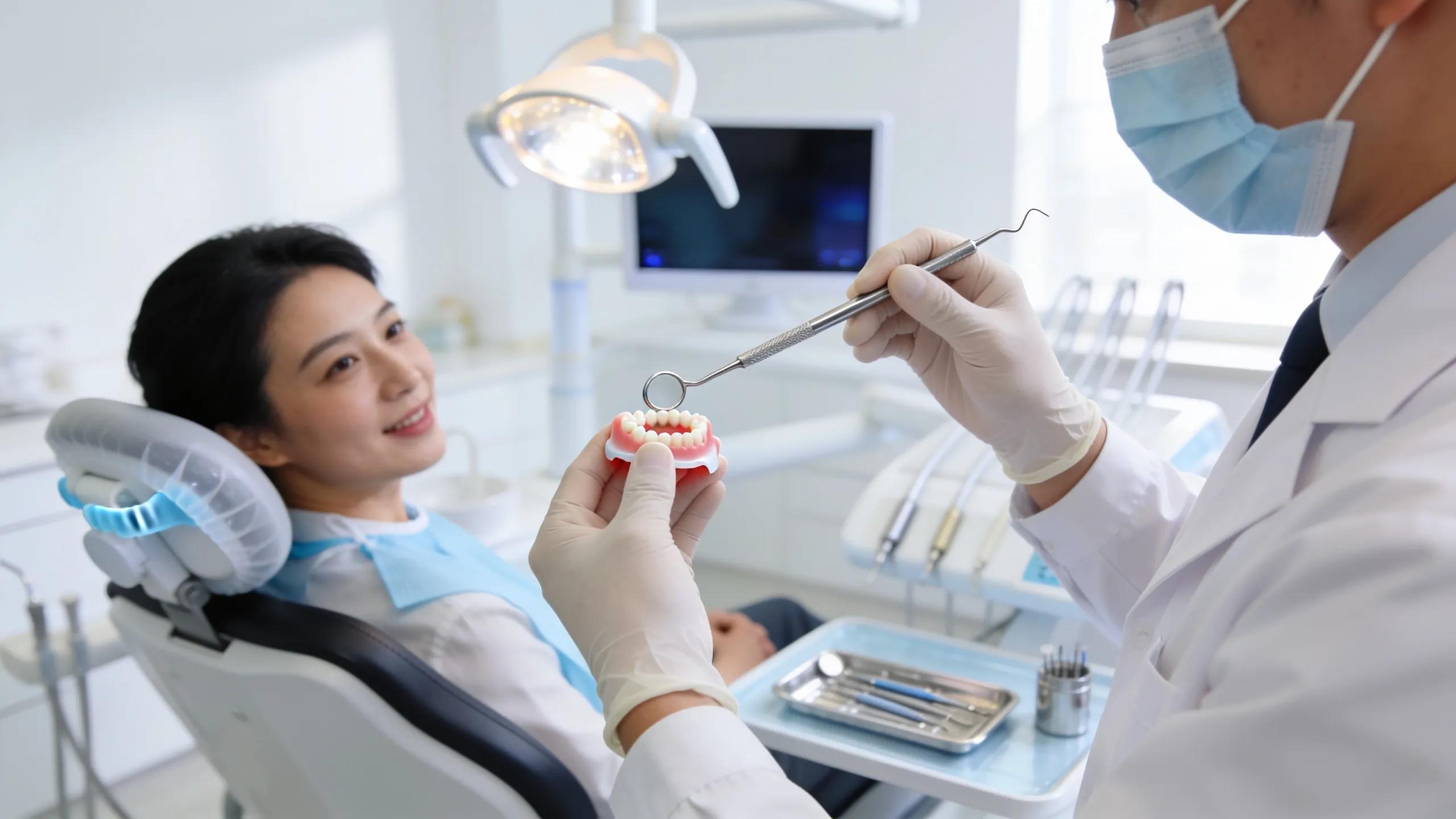
Cleanings prevent gum disease and tooth decay by removing harmful bacteria and plaque from teeth and gums. Research indicates that nearly 50% of adults have some form of gum disease, so regular cleanings are a vital part of preventive care. They lower the risk of cavities and other serious issues and support overall health.
What Role Do Professional Cleanings Play in Early Symptom Detection?
Cleanings also help dentists spot cavities, gum disease, and oral cancers early. Early detection saves time and money and improves treatment outcomes. A trusted provider like Anodyne Endodontics can help manage complex problems such as pulp infections and ensure timely care when needed.
What Happens During a Routine Dental Exam?
Knowing what happens at an exam can ease anxiety. Familiarity with the steps helps you know what to expect.
What Are the Step-by-Step Procedures in a Typical Checkup?
A typical checkup starts with a visual exam of your teeth and gums for signs of decay or disease. Dentists then use diagnostic tools, such as x-rays, to check beneath the surface. This thorough approach identifies hidden issues and guides an appropriate treatment plan.
How Are Symptoms and Signs Evaluated During the Exam?
Exams evaluate signs like swollen gums, tooth sensitivity, and wear. Digital radiographs and other tools detect underlying problems with greater precision and lower radiation exposure. This careful review ensures all aspects of your oral health are addressed.
What Preventive Oral Care Tips Can Improve Your Dental Health?
Alongside regular visits, simple preventive steps can significantly improve your dental health. Small daily habits add up over time.
Which Daily Habits Support Long-Term Dental Wellness?
Brush at least twice a day, floss daily, and use an antiseptic mouthwash to reduce bacteria. Eat a balanced diet rich in vitamins and minerals to support teeth and gums. These habits cut your risk of dental problems.
When Should You Seek Professional Advice for Dental Symptoms?
If you have persistent toothache, swollen or bleeding gums, see your dentist. Addressing warning signs early helps prevent more serious complications and gives you clear treatment options.
When Is a Root Canal or Specialist Referral Necessary?
Some issues need specialist care, such as a root canal or an endodontist referral. Knowing the signs helps you get the right treatment at the right time.
What Symptoms Suggest You Might Need a Root Canal?
Severe toothache, prolonged sensitivity to hot or cold, or tooth discoloration may indicate infected or inflamed pulp. If you notice these symptoms, seek evaluation since a root canal might be needed to save the tooth.
How Do General Dentists Facilitate Referrals to Endodontists?
General dentists refer you to endodontists when advanced treatment is necessary. They coordinate care and help schedule specialist appointments to improve the chances of preserving your natural teeth.
How Can You Schedule Emergency Same Day Dental Appointments?
Emergencies require quick action. Knowing how to arrange timely care can affect the outcome for your tooth and comfort.
What Are the Criteria for Emergency Dental Visits?
Emergency criteria include severe pain, heavy bleeding, trauma to the mouth, or a lost tooth. Recognising these signs helps you seek immediate care when needed.
How Can You Quickly Book and Prepare for an Emergency Appointment?
For an emergency visit, have your dental history and symptom details ready. Contact your dentist or a local clinic right away. Quick action can mean the difference between saving and losing a tooth.
Frequently Asked Questions
1. What should I expect during my first dental checkup?
Expect a full evaluation: your dentist will review medical and dental history, discuss any concerns, perform a visual exam, and may take x-rays. It’s a good time to ask questions and get personalised advice on oral hygiene.
2. How can I find a good dentist for routine checkups?
Start with recommendations from family and friends, then check online reviews. Visit practice websites, verify credentials, and see if services match your needs. Many offices offer introductory consultations so you can assess the practice.
3. Are there any specific questions to ask my dentist during a checkup?
Ask about your current oral health, risk factors, prevention tips, and treatment options. Inquire about technologies they use and practical steps you can take at home. Clear questions improve your care.
4. What common dental problems are often discovered during checkups?
Common findings include cavities, gum disease, plaque buildup, tooth sensitivity, and discoloration. Dentists also look for early signs of oral cancer and bite or alignment issues. Early diagnosis prevents more serious problems later.
5. What can I do to prepare for my dental checkup?
Bring dental records, insurance information, and a list of medications. Brush and floss before your visit, and write down any symptoms or questions so you don’t forget to mention them.
6. How can I maintain my dental health between checkups?
Brush twice daily with fluoride toothpaste, floss daily, and choose a low-sugar, balanced diet. Avoid tobacco and limit acidic drinks. Chewing sugar-free gum can stimulate saliva and help protect teeth between visits.
7. What technologies are commonly used during dental exams?
Dentists use digital x-rays for clearer images with less radiation, intraoral cameras to view hard-to-see areas, and lasers for some cleanings and procedures to reduce discomfort and recovery time. These tools improve diagnosis and care.
Conclusion
Routine dental care is key to long-term oral health and preventing serious complications. Regular checkups and cleanings prevent gum disease, enable early detection, and provide personalised care. Prioritise your dental health—schedule your next visit today and explore our resources for tips to improve your oral care routine.