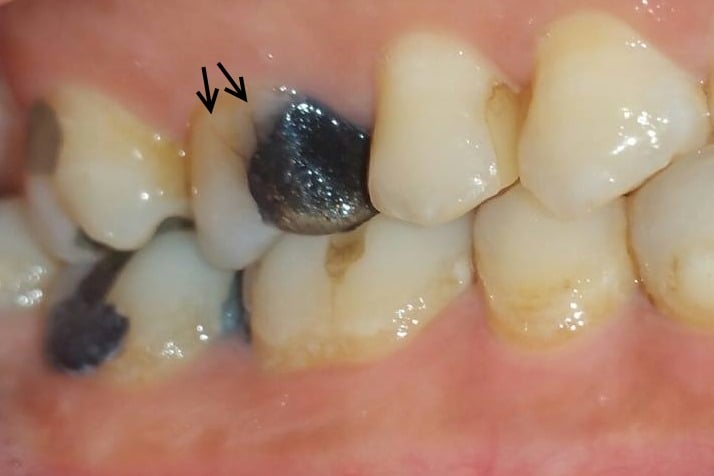
Specialty Dental Care: Find Root Canal Specialists, Emergency Appointments, and Treatment Plans

Specialty Dental Care: Find Root Canal Specialists, Emergency Appointments, and Treatment Plans
By Zainab Aziz, Anodyne Endodontics
Specialty dental care covers focused services for complex oral problems, including root canal therapy, emergency visits, and personalised treatment plans. This guide explains how to book same-day emergency appointments, what root canal specialists do, and how they work with general dentists. Knowing which procedures and specialists fit your situation reduces pain and improves outcomes. You’ll find clear steps to secure urgent care and an overview of treatments endodontists provide, plus how they coordinate with general dentists.
Key Takeaways
- Specialty dental care includes root canal therapy, emergency dental services, and personalized treatment plans for complex oral issues.
- Same-day emergency dental appointments require prompt contact and clear communication about symptoms and urgency.
- Root canal specialists perform procedures like root canal therapy, endodontic retreatment, apicoectomy, and cracked tooth repair.
- Root canal treatment relieves pain and preserves natural teeth through cleaning, filling, and restoration processes.
- Coordination between root canal specialists and general dentists ensures comprehensive and continuous patient care.
- Dental implant consultation costs vary based on location, specialist experience, and case complexity.
- Periodontists provide specialized gum disease treatments, including scaling, root planing, and advanced surgical options.
- Orthodontic treatment options in specialty dental clinics include braces, Invisalign, and customized plans tailored to patient needs.
- Effective referral systems between general dentists and specialists improve treatment outcomes and patient experience.
How to Schedule a Same-Day Emergency Dental Appointment with Specialists
When a dental issue is urgent, quick action matters. To get a same-day appointment with a specialist, you must communicate the problem clearly and signal the urgency when you contact the clinic.
What qualifies as a dental emergency for specialty care?
A dental emergency needs prompt care to ease pain or prevent more damage. Typical emergencies include severe, uncontrolled toothache; noticeable swelling around the gums or face that affects breathing; and trauma such as a broken or knocked-out tooth.
- Severe Pain: Intense toothache that persists and is unmanageable.
- Swelling: Significant swelling, especially around the gums or face, that impedes breathing.
- Injury: Any trauma to the gums or teeth, such as a fracture or a knock-out tooth.
Recognising these signs helps you assess urgency and explain your situation accurately when seeking help.
Steps to book your emergency appointment effectively
Follow specific steps to improve your chances of a same-day slot:
- Contact Promptly: Reach out to your dental specialist as soon as possible. Delaying can exacerbate the situation.
- Describe Your Emergency Clearly: Be as specific as possible about your symptoms and urgency when speaking to the staff.
- Prepare Necessary Documentation: Have your personal information and insurance details ready to expedite the booking process.
Clear, prompt communication and having paperwork ready make it far more likely you’ll get timely care.
What Are the Key Procedures Offered by Root Canal Specialists Near Me?

Endodontists specialise in problems of the dental pulp and nerve. They focus on saving teeth and treating infections using precise techniques designed for complex cases.
Root Canal Therapy
Root canal therapy removes infection from inside the tooth and seals the space to stop recurrence. It’s used when the pulp is inflamed or infected and typically includes canal cleaning, filling, and a restoration such as a crown.
- Cleaning the Canal: Removing the infected pulp and debris from the tooth.
- Filling the Canal: Sealing the canal to prevent reinfection.
- Restoration: Often followed by placing a crown to restore the tooth’s structure and function.
Most patients get pain relief and regain normal tooth function after this treatment.
Endodontic Retreatment
Retreatment is for cases where an earlier root canal didn’t resolve the issue. Causes include persistent symptoms or new infection, and retreatment aims to save the tooth when possible.
- Signs of Treatment Failure: Persistent pain or re-accessing the tooth for further treatment.
- Alternative Solutions: Considering other procedures or possible tooth extraction when retreatment fails.
The goal of retreatment is always to preserve the tooth while addressing the source of infection.
Endodontic Microsurgery (Apicoectomy)
When standard root canal therapy can’t fix the problem, an apicoectomy removes the root tip and infected tissue surgically. This targeted procedure can resolve lingering issues without extracting the tooth.
- Surgical Techniques Used: The endodontist removes the tip of the root along with any infection present.
- Recovery Expectations: Patients can expect a shorter recovery time with the potential for complete resolution of issues.
- Case Studies or Success Stories: Many patients report successful outcomes, allowing them to retain their natural teeth.
Apicoectomies use advanced surgical methods to improve the chances of saving the tooth.
Cracked Tooth Repair
Repairing a cracked tooth starts with assessing the crack’s depth and location. Treatment ranges from bonding and crowns to extraction in severe cases; early care reduces the risk of losing the tooth.
- Identifying Cracked Tooth Issues: Determining the severity of the crack.
- Treatment Options: Options may include bonding, crowns, or, in severe cases, extraction.
- Importance of Addressing Promptly: Early intervention can prevent further complications.
Specialist techniques can often stabilise and save a cracked tooth, avoiding extraction when possible.
Understanding root canal treatment: benefits and procedure steps
Root canal treatment relieves pain and keeps your natural tooth. The main steps are diagnosis, thorough cleaning and filling, and follow-up care to ensure healing and function.
- Diagnosis: Identifying the need for the procedure through symptoms and X-rays.
- Procedure Steps: Detailed cleaning, disinfecting, and filling of the tooth’s interior.
- Post-Treatment Care: Understanding what to expect in terms of recovery and potential follow-ups.
Preserving your natural tooth helps maintain chewing ability, appearance, and long-term oral health.
How root canal specialists coordinate with general dentists for referrals
Good coordination between specialists and general dentists keeps treatment smooth and continuous. A clear referral process, open communication, and shared follow-up plans support better patient outcomes.
- Referral Process Overview: General dentists identify cases needing specialized care and make appropriate referrals.
- Communication Importance: Effective communication is essential for treatment continuity and patient reassurance.
- Follow-up Procedures: Specialists often provide updates to general dentists on patient progress.
This teamwork ensures patients get comprehensive care tailored to their condition.
How Much Does a Dental Implant Consultation Cost and What to Expect
Costs for implant consultations depend on several variables. Knowing what affects fees helps you plan and compare options before committing to treatment.
Factors influencing dental implant consultation fees
Consultation fees vary due to location, the specialist’s experience, and how complex the case is. These elements influence the time, tests, and expertise required during the consultation.
- Geographical Influences: Costs may vary by location reflecting the local economy and market practices.
- Experience of the Specialist: More experienced specialists may charge higher fees for their expertise.
- Complexity of the Case: Patients with more complex dental needs may face higher consultation fees due to additional evaluations.
Consider these factors when budgeting for implant treatment and comparing providers.
Preparing for your dental implant consultation: questions to ask
Before your consultation, list cost, recovery, and medical-history questions. Being ready helps you get specific answers and a clearer plan for treatment.
- Cost-related Questions: Inquire about total treatment costs and payment plans.
- Recovery Expectations: Understand what recovery may entail.
- What to Include in Medical History: Be prepared to share any relevant medical concerns.
Going in prepared makes the consultation more efficient and helps you make informed decisions.
Why Choose the Best Periodontist for Gum Disease Treatment in Specialty Dental Care?
Choosing a periodontist matters for treating gum disease effectively. Specialists bring deeper training and tools that improve diagnosis, treatment, and long-term gum health.
- Benefits of Specialization: Specialized training leads to advanced knowledge in managing gum diseases effectively.
- Common Procedures Offered: Treatments like scaling, root planing, and surgical options are designed to address disease severity.
- Long-term Health Impacts: Choosing a specialist can lead to better long-term oral health and reduced complications.
Specialist care increases the chance of successful treatment and lasting results.
Key treatments periodontists offer for advanced gum disease
Periodontists treat advanced gum disease with deep cleaning, targeted surgeries, and newer options like laser therapy to control infection and restore gum health.
- Scaling and Root Planing: Deep cleaning to remove plaque and tartar buildup.
- Periodontal Surgeries: Surgical interventions for severe cases when traditional treatments are ineffective.
- Advanced Therapy Options: Use of technologies such as laser therapy for non-invasive treatment.
These treatments are most effective when provided by a trained specialist familiar with complex gum conditions.
Benefits of specialist periodontal care over general dentistry
Specialist periodontal care often delivers higher success rates, tailored plans, and attention to how gum health affects overall wellbeing—advantages that matter in complex cases.
- Higher Success Rates: Specialists often achieve better outcomes with complex cases due to their focused training.
- Detailed Treatment Plans: Comprehensive evaluation and planning based on individual patient needs.
- Focus on Holistic Health: Integration of gum health into overall body health, addressing systemic conditions linked to gum disease.
When gum disease is advanced, a periodontist can provide more thorough and effective care than general treatment alone.
What Are Your Orthodontic Treatment Plans and Options in Specialty Dental Practices?
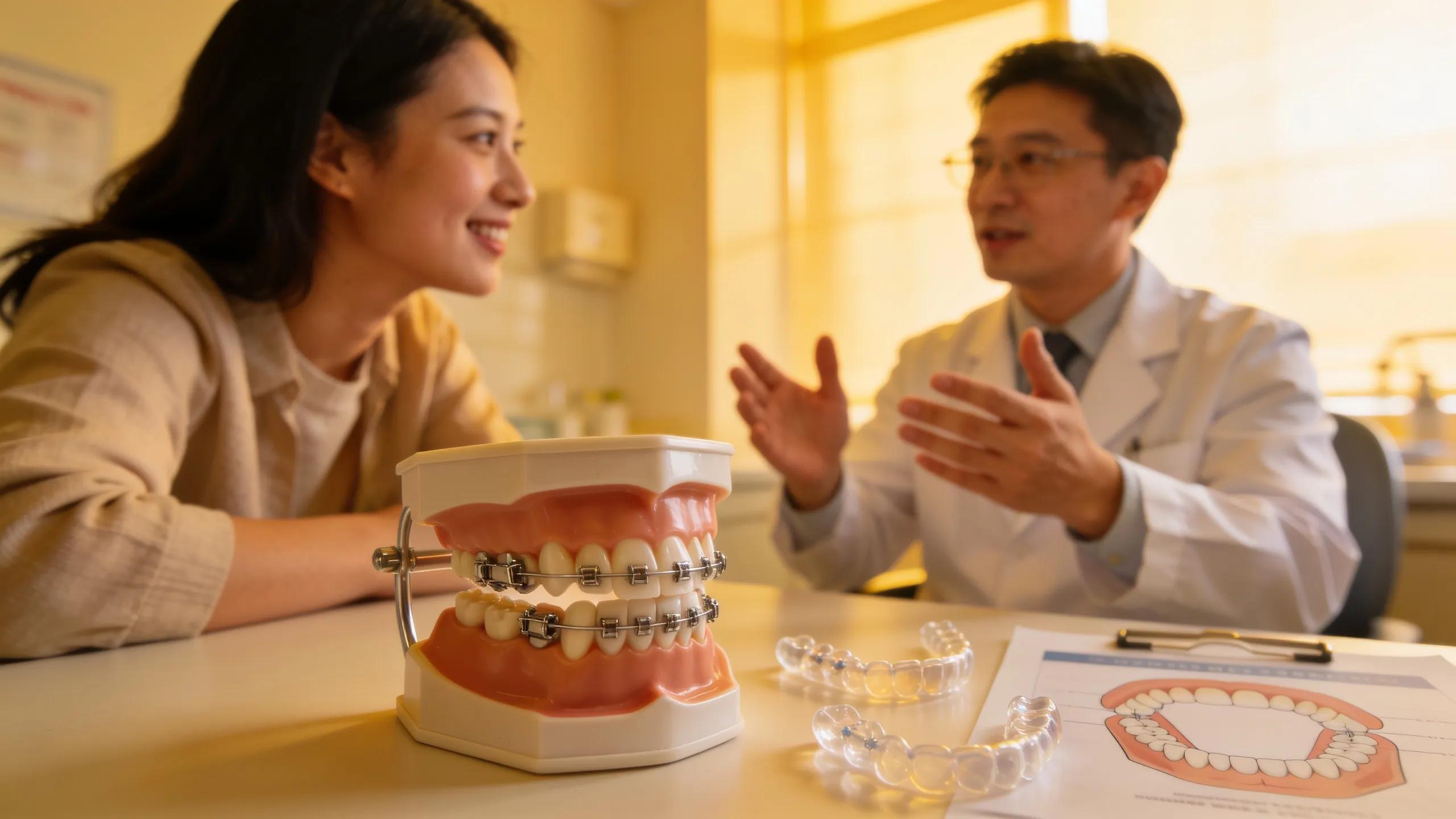
Specialty practices offer a range of orthodontic solutions to fit different goals and lifestyles, from traditional braces to clear aligners and bespoke approaches for complex cases.
Types of orthodontic treatments available: braces, Invisalign, and alternatives
Options include metal braces for strong correction, Invisalign for a discreet approach, and alternatives like ceramic or lingual braces tailored to specific needs.
- Braces: Traditional metal braces for effective alignment of teeth.
- Invisalign: Clear aligners that provide a discreet option for correction.
- Alternatives: Potential for other methods like ceramic braces or lingual braces depending on the case.
Each option supports a personalised plan that balances effectiveness with lifestyle preferences.
How specialty dental clinics tailor orthodontic plans to individual cases
Clinics assess each patient carefully, collaborate with specialists, and adjust plans over time to meet changing needs and ensure steady progress toward the desired result.
- Assessment of Individual Needs: Detailed evaluations ensure the selected option aligns with patient goals.
- Collaboration with Specialists: Working closely with dentists and orthodontists to ensure comprehensive treatment.
- Adjustments Over Time: Plans are designed to be flexible, accommodating shifting needs as treatment progresses.
Personalised planning increases comfort and improves the likelihood of a successful outcome.
How Do Referring Dentists and Patients Navigate Specialty Dental Referral Systems?
Knowing the referral steps makes specialist care easier to access for both dentists and patients. Clear procedures and good communication keep the process efficient.
Simple steps for general dentists to refer patients to specialists
General dentists should assess the patient, share a thorough history and records, and stay in contact with the specialist to align on treatment goals and follow-up.
- Initial Patient Assessment: Conducting a thorough evaluation to determine the need for specialist care.
- Providing Patient Background: Sharing detailed information with the specialist to ensure aligned care.
- Communication with Specialists: Maintaining contact to discuss treatment plans and progress.
Following these steps supports coordinated care and better patient experiences.
What patients should expect after being referred to specialty dental care
After a referral, expect scheduling of an initial appointment, requests for additional records or history, and a consultation that outlines the specialist’s recommended plan.
- Appointment Scheduling: Understanding the timeline for scheduling an initial appointment.
- Information Gathering: Specialists may request additional medical history and diagnostic records.
- Consultation Details: Getting clarity on what to expect during the specialist consultation.
Knowing these steps helps reduce anxiety and prepares you for the next stage of care.
Frequently Asked Questions
1. What should I do if I experience a severe toothache outside of regular office hours?
If you have a severe toothache after hours, seek immediate help. Call your dentist’s emergency line if available or find a nearby emergency dental clinic. While waiting for care, using over-the-counter pain relief and applying a cold pack can help temporarily. Keep a basic first-aid kit with pain relievers and ice packs for such situations.
2. How can I determine if I need a root canal?
Signs that you may need a root canal include persistent pain, strong sensitivity to hot or cold, swelling, or tooth discolouration. Visit a dental professional for an exam and X-rays to confirm whether a root canal is necessary to remove infection and stop pain.
3. What is the expected recovery time after a root canal procedure?
Recovery from a root canal usually takes a few days to a week. Mild discomfort and some swelling are common; over-the-counter pain medication normally manages this. Follow your dentist’s aftercare instructions and take any prescribed medicines to support healing. Most people resume normal activities within a day or two.
4. Are there any risks associated with root canal therapy?
Root canal therapy is generally safe and successful, but risks include possible reinfection or complications if aftercare is not followed. Choosing an experienced endodontist and discussing concerns beforehand helps reduce risks and improve success rates.
5. How can I improve my dental health after receiving specialty treatment?
Maintain oral hygiene by brushing twice daily with fluoride toothpaste, flossing, and attending regular check-ups. Follow specific aftercare advice for procedures like root canals or gum therapy, eat a balanced diet, and limit sugary foods to support long-term oral health.
6. What should I look for when choosing a dental specialist?
Look for qualifications, experience, and positive patient feedback. Check professional certifications, ask about treatment approaches, and evaluate the clinic’s equipment and comfort measures. A consultation can help you gauge communication and trust before treatment.
7. How often should I visit a dental specialist for preventive care?
Many professionals recommend check-ups every six months for preventive care. If you have a history of dental issues or have had specific treatments, your specialist may suggest more frequent visits tailored to your needs to monitor recovery and prevent complications.
Conclusion
Specialty dental care delivers targeted services—like root canal therapy and emergency appointments—that relieve pain and help preserve natural teeth. Understanding these options and how specialists collaborate with general dentists lets you make informed choices. If you’re unsure about a dental issue, reach out for specialised advice and care. Discover the expertise of our dental specialists today!