Caring for Your Tooth After a Root Canal: Aftercare and Recovery Guide
A root canal relieves pain and saves your natural tooth — and a little care afterward helps protect that investment. Recovery is usually straightforward, with most people returning to normal activities the same or next day. Here is what to expect and how to give your tooth the best long-term outcome.
What Is Normal After a Root Canal?
Mild tenderness or sensitivity for a few days is normal, especially when chewing, as the area around the tooth heals. This is typically well controlled with over-the-counter pain relievers and fades steadily. The deep toothache you had before treatment should be gone. Contact your endodontist if you have severe pain, swelling, or a return of symptoms after a few days.
What Can I Eat After a Root Canal?
Wait until the numbness from anesthetic fully wears off before eating so you do not accidentally bite your cheek or tongue. For the first day or two, favor softer foods and chew on the opposite side of the treated tooth. Until your dentist places the final restoration, the tooth can be more vulnerable, so avoid hard, crunchy, or sticky foods on that side.
Why the Final Restoration Matters
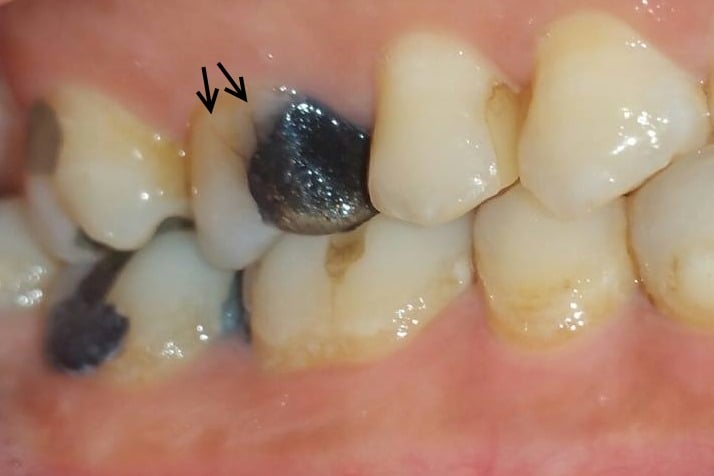
After root canal therapy, most teeth — especially molars — need a permanent restoration, usually a crown, to protect them from fracture and restore full function. It is important not to delay this step, as a treated tooth left without proper restoration is at higher risk of cracking or reinfection. Your general dentist typically places the crown after Anodyne completes the root canal.
Protecting Your Tooth for the Long Term
A tooth that has had a root canal can last for many years — often a lifetime — with good care. Brush twice daily, floss, keep up with routine dental visits, and avoid using your teeth as tools. If you grind your teeth, ask about a nightguard to protect your restorations.
Root Canal Recovery FAQs
How long does it take to recover from a root canal?
Most people feel back to normal within a few days. Mild sensitivity when chewing can last a little longer and usually resolves on its own.
How soon can I eat after a root canal?
Wait until the numbness wears off, then start with soft foods and chew on the opposite side. Avoid hard or sticky foods on the treated tooth until the final crown is placed.
Do I really need a crown after a root canal?
Most treated teeth, especially back teeth, need a crown to protect them from fracture and restore strength. Skipping or delaying this step raises the risk of losing the tooth.
Schedule a Consultation in Bloomingdale, IL
Anodyne Endodontics serves Bloomingdale and the surrounding DuPage County communities — including Glendale Heights, Carol Stream, Roselle, Glen Ellyn, Wheaton, Lombard, Addison, and Itasca. To learn more or request a consultation with Dr. Zainab Aziz, call 659-ANO-DYNE (659-266-3963) or visit our contact page.