Comprehensive Care Dental Guide: Oral Hygiene, Sensitive Teeth, Pediatric Care, Gum Disease Prevention, and Natural Remedies
Comprehensive Care Dental Guide: Oral Hygiene, Sensitive Teeth, Pediatric Care, Gum Disease Prevention, and Natural Remedies
By Zainab Aziz, Anodyne Endodontics
Good oral health supports overall wellbeing. This guide covers daily hygiene, managing sensitive teeth, pediatric care, gum disease prevention, and natural remedies. You’ll find practical tips and the reasoning behind them to help maintain a healthy smile and address common challenges like sensitivity or gum issues. We cover hygiene basics, sensitivity-focused toothpastes, children’s care steps, gum disease prevention, and natural options for decay.
Key Takeaways
- Daily brushing and flossing with fluoride toothpaste are essential for preventing cavities and maintaining oral health.
- Toothpastes with potassium nitrate or strontium chloride effectively reduce sensitivity by calming nerve endings.
- Establishing supervised brushing and flossing routines early supports lifelong pediatric dental health.
- Regular dental check-ups enable early detection and treatment of oral health issues.
- Preventing gum disease requires consistent oral hygiene, a balanced diet, and avoiding tobacco use.
- Early gum disease symptoms include bleeding gums, sensitivity, and persistent bad breath.
- Natural remedies like oil pulling, xylitol, and green tea can complement professional dental care.
- Choosing appropriate oral care products, such as electric toothbrushes and interdental brushes, enhances cleaning effectiveness.
What Are Essential Oral Hygiene Tips for Maintaining Healthy Teeth?
Good oral hygiene prevents dental problems and supports overall health. It means regular habits that keep teeth and gums healthy and lower the chance of cavities or gum disease. Essential tips include:
- Daily Brushing and Flossing: Brushing at least twice a day while flossing daily effectively removes food particles and plaque, reducing the risk of oral infections.
- Use of Fluoride Toothpaste: Fluoride helps to remineralize enamel, making it more resistant to decay and promoting healthy teeth.
- Regular Dental Check-Ups: Visiting a dental professional every six months enables early identification and treatment of potential problems.
Doing these habits routinely builds a strong foundation for oral health. For professional help, Anodyne Endodontics specializes in urgent dental care and offers treatments that reflect these preventive measures.
How Does Proper Brushing and Flossing Prevent Dental Issues?
Brushing and flossing remove plaque and food debris that lead to cavities and gum disease. Use a soft-bristled toothbrush with fluoride toothpaste, apply gentle pressure and small circular motions, and aim for two minutes, covering each quadrant.
Flossing cleans where brushes can’t reach, especially between teeth and along the gum line. Studies show people who brush and floss regularly get far fewer cavities. This two-step routine is the cornerstone of effective oral hygiene and supports long-term dental health.
Which Oral Care Products Support Optimal Teeth Health?
The right products make daily care more effective. Essential items include:
- Fluoride Toothpaste: Look for products containing at least 1000 ppm of fluoride for maximum protection against cavities.
- Electric Toothbrushes: These often provide superior cleaning efficiency compared to manual brushes.
- Interdental Brushes or Floss: These tools help prevent gum disease by ensuring that all areas between teeth are cleaned properly.
Replace toothbrushes and tools regularly and choose quality products to improve oral health outcomes.
Which Are the Best Toothpastes for Sensitive Teeth in 2026?
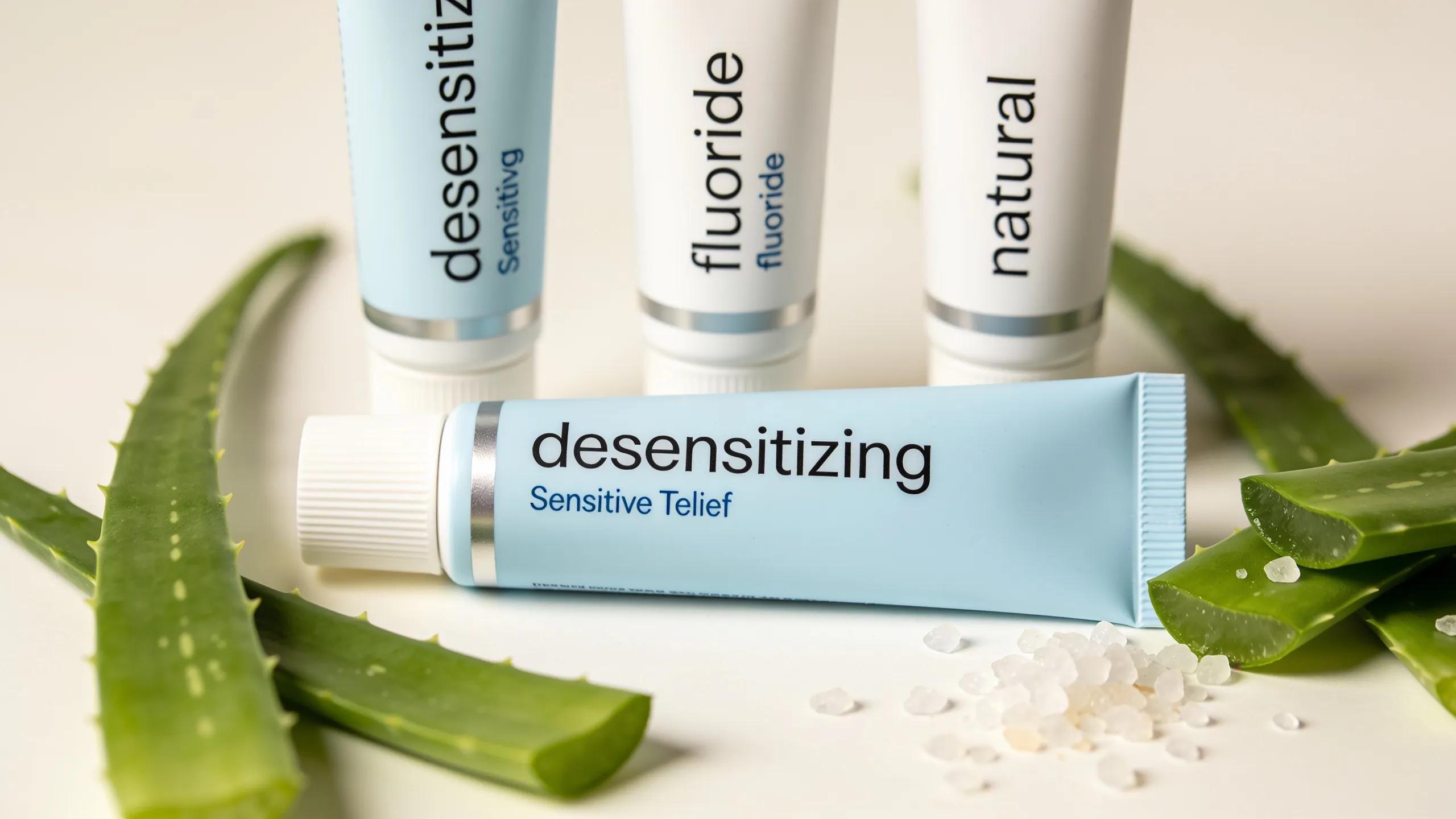
Tooth sensitivity can be painful, so choose toothpastes made for sensitivity. These formulas often contain ingredients that limit sensations reaching the tooth nerves.
- Desensitizing Agents: Look for toothpastes with potassium nitrate or strontium chloride, which help alleviate discomfort associated with sensitivity.
- Fluoride: A fluoridated toothpaste strengthens enamel and reduces overall sensitivity.
- Natural Formulations: Certain natural toothpastes, while milder, may contain ingredients like aloe vera or essential oils, promoting comfort.
Hot or cold foods often trigger discomfort, so choosing the right toothpaste matters. If sensitivity persists, see a dental professional for evaluation and tailored advice.
How Do Sensitive Toothpastes Reduce Pain and Protect Enamel?
Desensitizing agents in sensitive toothpastes shield nerve endings and, with regular use, form a barrier over exposed dentin to reduce flare-ups.
Fluoride strengthens enamel and lessens wear from acidic foods and drinks. Together, these effects support improved oral comfort and health over time.
What Ingredients Should You Look for in Toothpaste for Sensitive Teeth?
Look for these key ingredients when you need targeted relief:
- Potassium Nitrate: This ingredient calms nerve endings, diminishing sensitivity effectively.
- Strontium Chloride: Works similarly by blocking nerves, making it effective against sensitivity.
- Fluoride: Essential for strengthening enamel, it helps in overall cavity prevention while aiding in sensitivity management.
Choose products explicitly labeled for sensitive teeth to ensure you get the protection and comfort you need.
What Are Effective Steps for Kids Dental Care Routine?

Start early. An effective children’s dental routine includes:
- Brushing: Children should brush at least twice daily with fluoride toothpaste, supervised by parents until they develop the necessary skills.
- Flossing: Introduced around the age of six, when permanent teeth begin to emerge, flossing becomes essential to prevent decay between teeth.
- Routine Visits: Regular dental check-ups starting at age one are vital in monitoring development and providing professional cleanings.
Encouraging these habits helps children achieve better dental outcomes across their lives.
How Can Parents Foster Good Oral Habits in Children?
Parents shape their children’s oral habits. Effective strategies include:
- Setting a Routine: Establish regular brushing and flossing times, making these activities part of the daily routine.
- Positive Reinforcement: Offer praise or rewards to encourage compliance and instill a sense of accomplishment.
- Education: Teach children why oral health matters, helping them understand the link between good hygiene and overall health.
With steady practice and positive guidance, children are more likely to prioritize dental care.
Which Pediatric Dental Products and Techniques Are Recommended?
Choose products made for children’s needs:
- Children’s Fluoride Toothpaste: Gentle formulations provide cavity protection without being overly abrasive.
- Kid-Friendly Toothbrushes: Brushes with soft bristles and colorful designs can make the brushing experience enjoyable for children.
- Fun Flossing Tools: Floss picks shaped like fun characters make flossing exciting and less intimidating for kids.
Age-appropriate products make care easier and create a supportive environment for effective dental routines.
How Can Gum Disease Prevention Methods Improve Overall Oral Health?
Gum disease can affect general health, so prevention matters. Keeping gums healthy benefits the whole body. Effective practices include:
- Regular Brushing and Flossing: Consistent home care is vital in preventing plaque buildup and gum inflammation, significantly reducing the likelihood of gum disease.
- Balanced Diet: Proper nutrition supports immune function, promoting healthier gums; a diet rich in vitamins C and D is particularly beneficial.
- Avoiding Tobacco Products: Tobacco use significantly increases the risk of gum disease through its damaging effects on oral tissues.
Following these prevention steps protects gums and supports overall wellness.
What Symptoms Indicate Early Gum Disease to Watch For?
Catch gum disease early by watching for these signs:
- Gum Sensitivity: Tenderness and swelling can indicate inflammation and disease onset.
- Bleeding Gums: If gums bleed while brushing or flossing, this is a critical sign of potential gum disease.
- Bad Breath: Persistent halitosis may suggest gum problems or other underlying issues.
Noticing these symptoms early lets you get timely treatment and protect overall oral health.
Which Preventive Practices and Treatments Reduce Gum Disease Risk?
A combined approach works best. Recommended practices include:
- Daily Oral Hygiene: Focus on brushing and flossing to remove plaque.
- Regular Professional Cleanings: Dental cleanings can help remove calculus and tartar deposits that contribute to gum disease.
- Antimicrobial Rinses: Supplementing daily care with rinses designed to reduce bacteria can be beneficial.
Using these measures lowers gum disease risk and helps keep the mouth healthy long-term.
What Natural Remedies Are Effective for Tooth Decay Care?
Professional treatment is essential for serious issues, but some natural remedies can support oral health and help manage early decay. Effective options include:
- Oil Pulling: This ancient technique involves swishing coconut or sesame oil in the mouth, reducing harmful bacteria and promoting oral cleanliness.
- Xylitol: This natural sugar alternative inhibits bacteria that cause cavities, making it beneficial for teeth health.
- Green Tea: Rich in antioxidants, green tea has antibacterial properties that can help reduce cavity-causing bacteria and improve gum health.
These natural methods can complement regular dental care and help support oral health.
Which Home Remedies Support Cavity Prevention and Dental Health?
Home remedies that can help dental health include:
- Baking Soda: This naturally occurring substance can be used in toothpastes for its abrasive qualities, helping to whiten teeth while neutralizing acids in the mouth.
- Clove Oil: Known for its antiseptic properties, clove oil can aid in relieving toothaches and promoting gum health when applied topically.
- Saltwater Rinse: A simple rinse with saltwater can alleviate irritation and reduce bacterial load in the mouth.
When used appropriately, these remedies add support to daily oral hygiene routines.
How Can Natural Approaches Complement Professional Dental Treatments?
Natural methods can enhance professional care. For example, oil pulling may reduce bacteria between cleanings, and xylitol can help prevent cavities for those at higher risk.
These practices should not replace traditional dental care but serve as supportive strategies to maintain overall dental health.
Frequently Asked Questions
1. What causes tooth sensitivity and how can it be treated?
Tooth sensitivity usually results from worn enamel, exposed roots, or gum recession that let external stimuli reach the tooth nerves. Hot, cold, or sweet foods often trigger it. Treatments include desensitizing toothpastes with potassium nitrate or strontium chloride, fluoride treatments, or dental sealants to protect sensitive areas. Good oral hygiene and avoiding acidic foods also help control sensitivity.
2. How often should adults visit the dentist for check-ups?
Adults should see a dentist every six months, though some people need more frequent visits based on their oral health. Regular appointments help detect cavities, gum disease, and oral cancer early. Professional cleanings remove tartar and support a healthy mouth. Follow your dentist’s recommended schedule.
3. Can diet impact oral health and the risk of gum disease?
Yes. Diet affects oral health and gum disease risk. A balanced diet rich in vitamins and minerals—especially vitamins C and D—supports gum health and the immune system. Foods high in sugar and refined carbs promote plaque and weaken enamel. Choosing whole foods, fruits, vegetables, and staying hydrated helps prevent oral disease.
4. Are there specific techniques for effective brushing and flossing?
Yes. For brushing, use a soft-bristled toothbrush and fluoride toothpaste, brush gently in circular motions for at least two minutes, and cover all tooth surfaces. For flossing, use about 18 inches of floss, wrap it around your fingers, and use a gentle sawing motion, curving the floss around each tooth base. These methods remove plaque and food effectively.
5. How can oil pulling contribute to oral health?
Oil pulling involves swishing oil like coconut or sesame in the mouth for 15–20 minutes. It may reduce harmful bacteria, plaque, and inflammation, and can freshen breath. Oil pulling can complement brushing and flossing but should not replace them. When used alongside regular care, it may add extra protection against cavities.
6. What are the signs that indicate a child needs to see a dentist?
Children should see a dentist by age one, but visit sooner if a child has ongoing tooth pain, sensitivity, trouble eating, visible cavities, swollen or bleeding gums, or difficulty chewing. Early care prevents bigger problems and helps form healthy habits.
7. What precautions can be taken to prevent gum disease during pregnancy?
Pregnancy increases gum disease risk due to hormonal changes. To prevent it, brush twice daily, floss regularly, keep dental appointments, eat a nutrient-rich diet, and drink plenty of water. If gums swell or bleed, contact a dentist promptly to avoid complications and protect both maternal and fetal health.
Conclusion
Make comprehensive dental care a priority to protect oral health across your life. Practice effective hygiene, choose suitable products, and teach healthy habits early to reduce common dental risks. For personalised guidance, consult a dental professional. Visit our website for more resources and tips to improve your routine.