Comprehensive Community Care with Patient Referral Services and Emergency Dental Support
Comprehensive Community Care with Patient Referral Services and Emergency Dental Support
By Zainab Aziz, Anodyne Endodontics
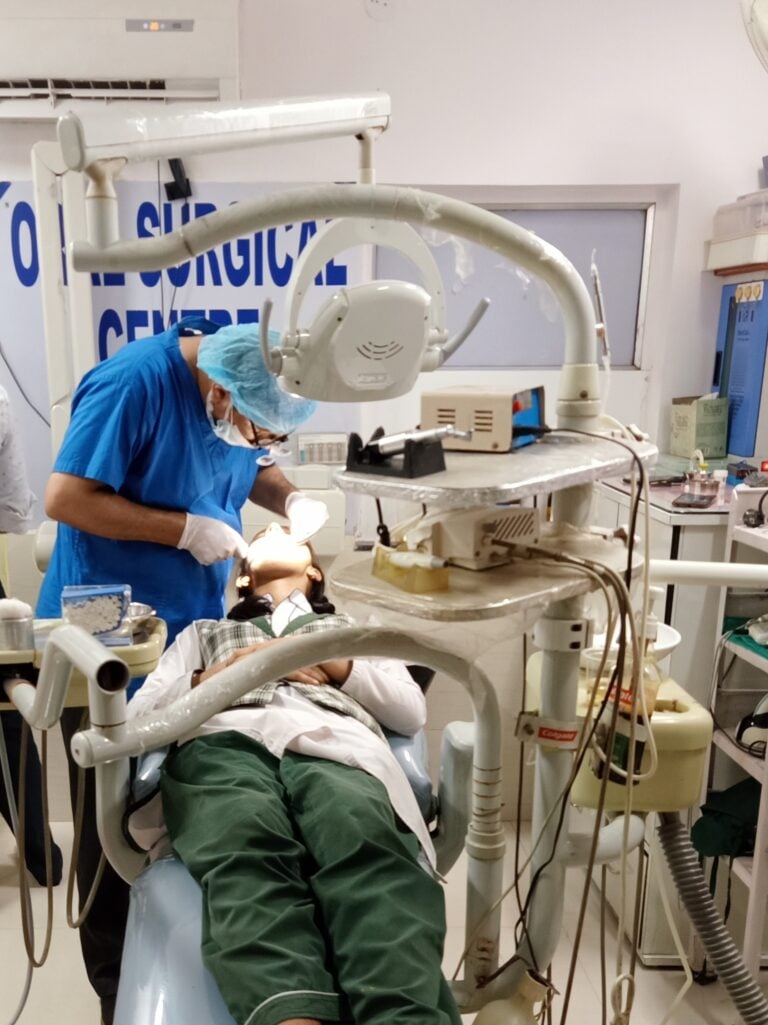
Community care ensures people receive comprehensive, tailored healthcare close to home. It covers services that help patients manage health within their communities, including coordinated care between general dentists and specialists to improve outcomes. This article explains the core elements of community care, focusing on patient referral services and emergency dental support, and shows how these services boost access and quality of care in urgent situations. Key sections review how referrals optimise care, the coordination needed for emergency dental support, and the practices that secure timely treatment.
Key Takeaways
- Community care integrates patient referral services and emergency dental support to enhance healthcare accessibility and quality.
- Dental patient referral services streamline communication between general dentists and specialists for timely, tailored treatments.
- Referral processes reduce wait times and improve access to root canal therapy specialists, boosting patient outcomes.
- Emergency dental support provides immediate care to alleviate pain and prevent complications in urgent dental situations.
- Same-day dental appointments increase accessibility, preventing escalation of dental emergencies and promoting proactive health management.
- Coordination between emergency dental services and general dentists ensures seamless patient transitions and effective follow-up care.
- Root canal therapy specialists play a pivotal role in preserving natural teeth and supporting long-term oral health in communities.
- Community dental programs address elder and mental health needs by integrating specialized resources and holistic care approaches.
- Efficient scheduling and internal referrals optimize management of same-day dental appointments, enhancing patient satisfaction and care delivery.
Patient Referral Services:
Patient referral services are essential for connecting patients with specialised dental providers. They create clear communication channels between general dentists and specialists so care matches each patient’s needs. The aim is to speed referrals, reduce treatment delays, and improve patient satisfaction by enabling timely access to required interventions.
What are the key steps in the dental patient referral process?
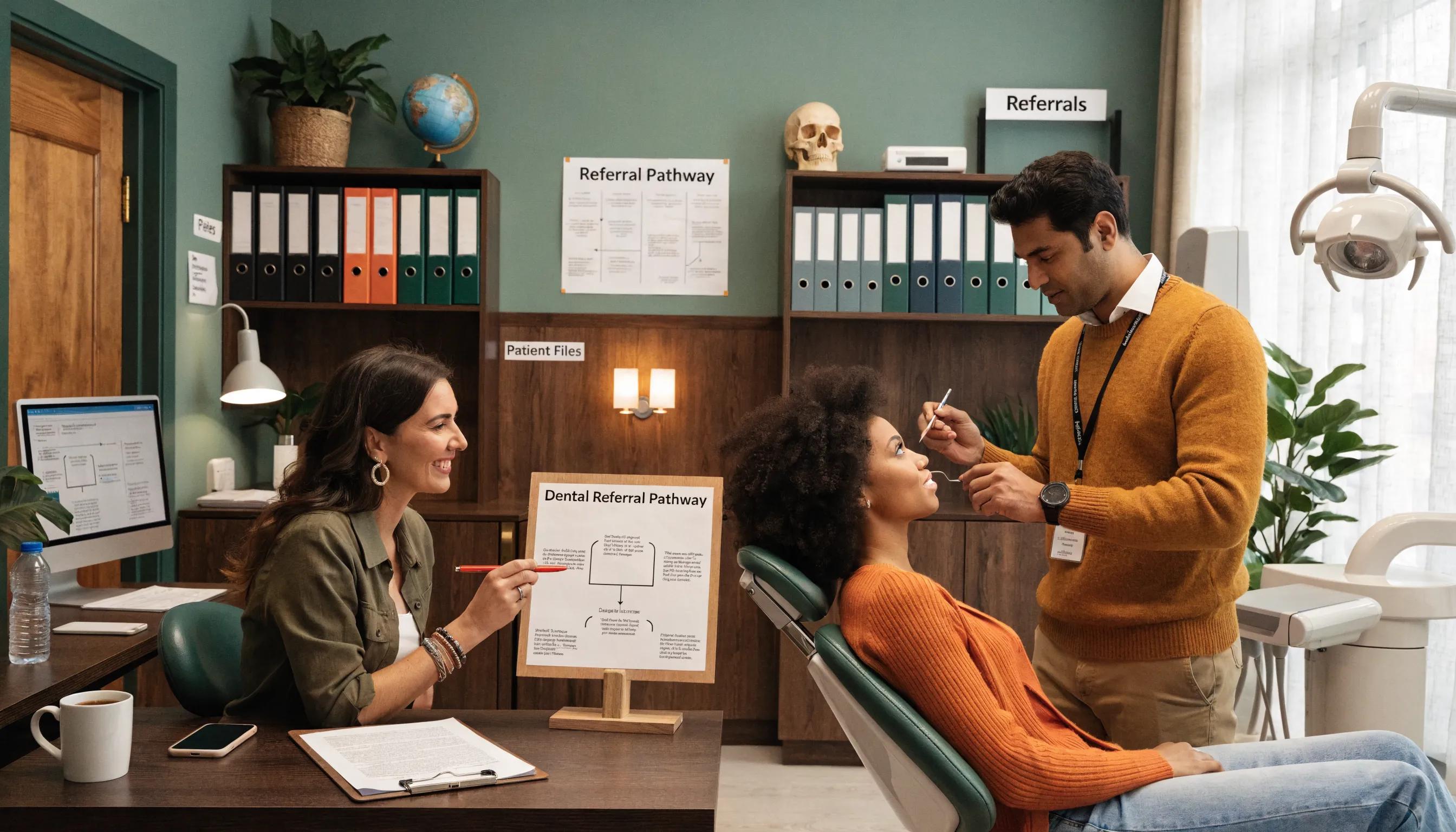
The referral process starts when a general dentist identifies the need for specialist care. The dentist then shares the patient’s concerns, medical history, and treatment preferences with the specialist. The referral is documented and a consultation is scheduled so the specialist can assess the patient. After treatment, the specialist updates the general dentist to maintain ongoing collaboration.
How do referral services improve access to root canal therapy specialists?
Referral services reduce common barriers like long wait times and complicated scheduling by creating a more systematic pathway. That leads to faster bookings, smoother communication between providers, and more cohesive treatment plans. Quicker access to specialist care improves outcomes and raises patient satisfaction across the community.
Emergency Dental Support:
Emergency dental support ensures people with acute dental problems receive prompt care to relieve pain and avoid complications. By offering urgent treatment options, communities can protect residents’ oral health and overall wellbeing.
Why choose Emergency Dental Care Near Me for same day treatment?
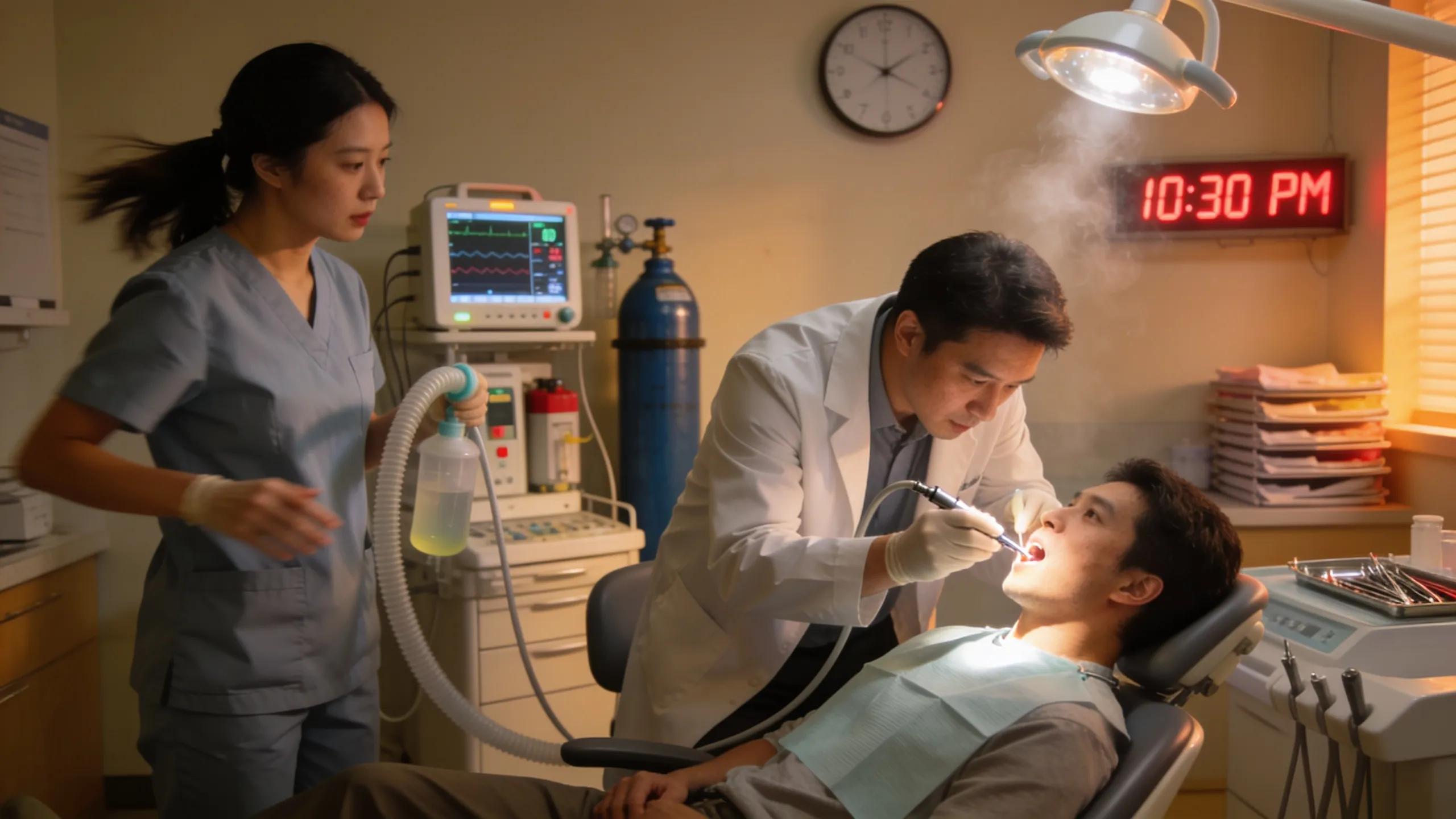
Choosing local emergency dental care for same-day treatment prevents complications from worsening, provides fast pain relief, and simplifies follow-up through easier communication with nearby providers.
What benefits do same day dental appointments offer in community health?
Same-day appointments improve access to urgent care, stop dental issues from escalating, and encourage prompt treatment. This reduces pressure on hospital emergency services and supports better public health outcomes by keeping problems from becoming more serious.
How do emergency services coordinate with general dentists for timely care?
Coordination depends on rapid information-sharing so clinicians can make informed decisions. This collaboration creates smooth handovers from emergency treatment to follow-up with the patient’s regular dentist. Timely communication directly affects recovery and patient satisfaction.
What makes Root Canal Therapy Specialists pivotal in community dental programs?
Root canal therapy specialists handle complex cases beyond the scope of many general practitioners, delivering precise care for infections and damaged dental pulp. Including specialists in community programs raises overall oral health and supports better long-term outcomes for residents.
How does root canal therapy support long-term oral health in community care?
Root canal therapy treats infections and damage to the dental pulp, preserving the natural tooth and preventing further complications like tooth loss. Ensuring access to this care protects oral health and reinforces the value of specialised services in community initiatives.
What patient demographics benefit most from specialized endodontic care?
Specialised endodontic care most benefits people with complex dental conditions, patients who experience high anxiety about dental procedures, and those needing urgent pain relief. Tailored treatment approaches help meet these groups’ specific needs and improve both outcomes and patient experience.
How do Community Health Dental Programs integrate elder and mental health support?
Community health dental programs include support for older adults and people with mental health challenges to deliver more holistic care. Recognizing the links between oral health and overall wellbeing helps shape effective treatment plans for these groups. For comprehensive information on managing oral health in the elderly, resources that assist elders with home dental care and oral health management are invaluable.
What resources assist elders with home dental care and oral health management?
Older adults benefit from clear educational materials on hygiene, easy-to-follow guides, access to community dental services, and programmes that provide home visits by dental professionals so care can be delivered in familiar surroundings.
How is mental health linked to oral health in community dental initiatives?
Mental health affects oral care—people with mental health challenges may neglect hygiene or delay treatment. Community initiatives that integrate mental health and dental services help bridge this gap and improve participants’ overall health outcomes.
What are the best practices for scheduling and managing Same Day Dental Appointments?
Managing same-day appointments well requires streamlined scheduling systems, staff trained for rapid response, and clear patient communication. For patients seeking immediate attention, understanding the benefits of same day dental appointments is important.
How can patients efficiently schedule emergency dental consultations?
Patients can book emergency consultations via online appointment tools or dedicated hotlines that show real-time availability. Clear information from dental practices about services and openings helps patients secure care quickly.
What role do internal referrals play in managing urgent dental care appointments?
Internal referrals speed transitions between general dentists and specialists within the same practice, cutting administrative delays and ensuring faster treatment for urgent cases. This organised approach supports timely care and better patient outcomes.
Frequently Asked Questions
What are some common dental emergencies that require immediate attention?
Common dental emergencies that need immediate attention include severe toothaches, broken or chipped teeth, knocked-out teeth, lost fillings or crowns, and abscesses. These problems can cause intense pain, lead to infection, or cause long-term damage if not treated quickly. Patients with these issues should seek emergency dental care as soon as possible to relieve pain and prevent complications.
How can community dental programs improve access to dental care for low-income individuals?
Community dental programs improve access by offering affordable or free services, providing oral health education, and connecting patients to nearby specialists through referral programmes. These initiatives often partner with local health departments and organisations to expand reach. Reducing costs and increasing awareness helps people maintain better oral health and supports community wellbeing.
What should patients do if they experience dental pain outside of regular office hours?
If dental pain occurs outside normal hours, patients should first assess how severe the symptoms are. Mild pain may be managed with over-the-counter pain relief and saltwater rinses. If pain is severe or accompanied by swelling, they should seek emergency dental care immediately. Many practices offer after-hours services or emergency hotlines for timely assistance.
Are there preventative measures for avoiding dental emergencies?
Preventative steps include regular dental check-ups, consistent oral hygiene, using mouthguards during sports, and addressing dental problems early. Avoid using teeth for non-dental tasks like opening packages. Open communication with dental professionals about any discomfort helps catch issues before they become emergencies.
What role do dental hygienists play in emergency dental care?
Dental hygienists perform initial assessments, provide treatments to relieve pain and lower infection risk, and assist with procedures that stabilise the patient. They can clean infected areas, apply topical anesthetics, and prepare patients for specialist care, helping to stabilise conditions until further treatment is available.
How can technology enhance patient referrals in dental care?
Technology improves referrals through electronic health records that streamline communication between general dentists and specialists. Online referral platforms simplify scheduling and keep patient information current, while telehealth enables preliminary consultations that reduce wait times and speed access to specialist care.
Conclusion
Effective community care—backed by patient referral services and emergency dental support—improves accessibility and quality of care. These integrated services help ensure timely treatment and reduce complications in urgent situations, leading to better health outcomes. To learn more about how our programs can support your dental health needs, explore our resources today. Together, we can build a healthier community for everyone.