Cracked Tooth Syndrome in Bloomingdale, IL | Anodyne Endodontics
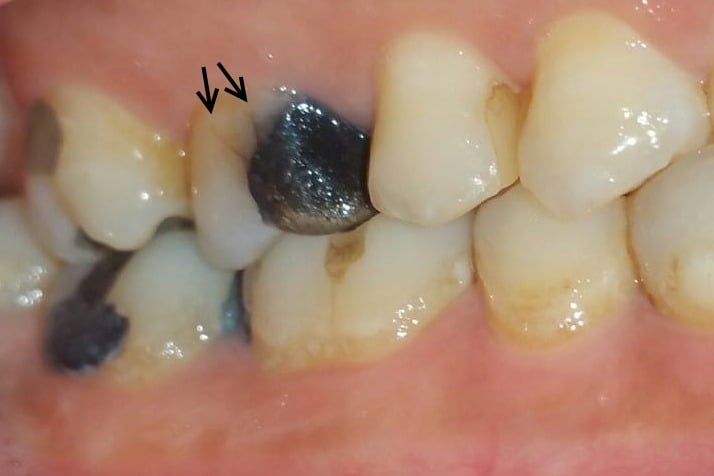
If you feel a sharp, fleeting pain when you bite down, only for it to vanish a moment later, you may be experiencing cracked tooth syndrome. At Anodyne Endodontics in Bloomingdale, IL, Dr. Zainab Aziz helps patients throughout DuPage County identify and treat these elusive cracks before they threaten the tooth. Because a small crack can be hard to see and even harder to feel consistently, understanding the warning signs early is one of the best ways to preserve your natural tooth and avoid more invasive care later.
What is cracked tooth syndrome?
Cracked tooth syndrome describes the symptoms caused by a small, often invisible crack in a tooth, usually too tiny to show clearly on a standard X-ray. The crack flexes under pressure and can irritate the nerve inside, producing intermittent pain. It most commonly affects molars, which absorb the heaviest forces during chewing and clenching.
What are the warning signs of a cracked tooth?
The classic sign is a brief, sharp pain on biting or when you release the bite, rather than constant aching. You may also notice sensitivity to cold, heat, or sweets, and discomfort that is hard to pinpoint to one exact tooth. Because symptoms come and go, many people delay care, allowing the crack to deepen.
What causes teeth to crack?
Cracks develop from years of normal wear plus added stress. Common contributors include teeth grinding or clenching, chewing hard foods or ice, large old fillings that weaken remaining tooth structure, and sudden trauma. Natural age-related changes also make enamel more brittle, which is why molars in adults are especially prone to fine cracks.
How is a cracked tooth diagnosed?
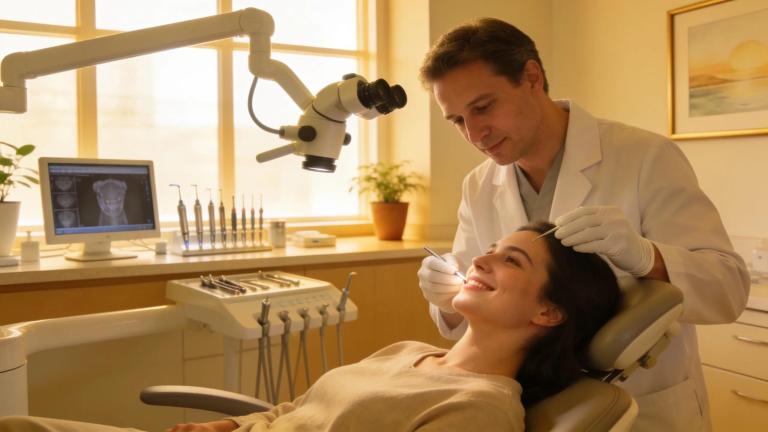
Diagnosis takes detective work. Dr. Aziz reviews your symptoms, tests how specific teeth respond to biting and temperature, and examines each tooth under magnification. Our advanced 3D CBCT imaging can reveal detail a flat X-ray misses, helping locate the crack and judge how deep it extends toward the pulp and root.
How is cracked tooth syndrome treated?
Treatment depends entirely on the depth and direction of the crack. A shallow crack may be managed with a bonded restoration or a crown that holds the tooth together. If the crack reaches the inner pulp, root canal therapy followed by a crown can relieve pain and preserve the tooth. Anodyne always favors the most conservative option that protects your natural smile.
Why does early treatment matter?
A crack only grows with continued chewing. Caught early, many cracked teeth can be saved with a crown or root canal; left too long, a crack can split toward the root, sometimes making the tooth unsalvageable. Prompt evaluation gives you the widest range of preservation-first choices and the best chance of keeping the tooth for years to come.
Frequently Asked Questions
Why does my cracked tooth only hurt sometimes?
Cracked tooth syndrome often causes pain only on biting or releasing, or with temperature changes, because a small crack flexes and irritates the nerve intermittently. Between those triggers the tooth may feel normal, which is why the condition can be tricky to diagnose without an exam.
Can a cracked tooth heal on its own?
No. Unlike bone, tooth enamel cannot repair itself, so a crack will not heal naturally. Early evaluation matters because a small crack treated promptly is far more likely to be saved than one left to deepen toward the root over time.
Will I need a root canal for a cracked tooth?
It depends on how deep the crack reaches. If it extends into the inner pulp, root canal therapy can relieve pain and let you keep the tooth, usually with a crown afterward. Dr. Aziz uses 3D imaging to assess the crack before recommending treatment.
Schedule a Consultation in Bloomingdale, IL
If biting brings on a sharp, mysterious twinge, do not wait for it to worsen. Anodyne Endodontics serves Bloomingdale and the surrounding DuPage County area with calm, precise diagnostics designed to catch cracks early and save your natural tooth. Learn more about our endodontic care, then call (659) 266-3963 (659-266-3963) or visit our contact page to schedule your evaluation.