Advanced Endodontics: Comprehensive Root Canal Treatment Options and Latest Technologies

Advanced Endodontics: Comprehensive Root Canal Treatment Options and Latest Technologies
By Zainab Aziz, Anodyne Endodontics
Advanced endodontics blends established root canal techniques with newer technologies to improve outcomes and preserve teeth. It addresses complex cases and emergency care while reducing pain and patient anxiety through faster, more effective treatments. This article looks at the technologies that raise success rates, the differences between surgical and non‑surgical care, the benefits of single‑visit treatment, and more.
Key Takeaways
- Advanced endodontics integrates traditional root canal methods with innovative technologies to improve patient outcomes.
- 3D imaging and operating microscopes enhance diagnostic accuracy and precision during root canal treatments.
- Biocompatible materials promote better sealing and support healing in modern root canal procedures.
- Non-surgical root canal treatments remove infected pulp to preserve natural teeth and alleviate pain effectively.
- Surgical procedures like apicoectomy address complex cases when non-surgical treatments are insufficient.
- Single-visit root canal treatments reduce patient anxiety, save time, and provide immediate pain relief.
- Regenerative endodontics uses biologically based techniques to promote pulp tissue healing and improve recovery.
- Minimally invasive and microsurgical techniques preserve tooth structure while enhancing treatment safety and success.
- Costs and recovery times vary based on procedure complexity, materials, and patient health factors.
Latest Technologies Improving Treatment Success
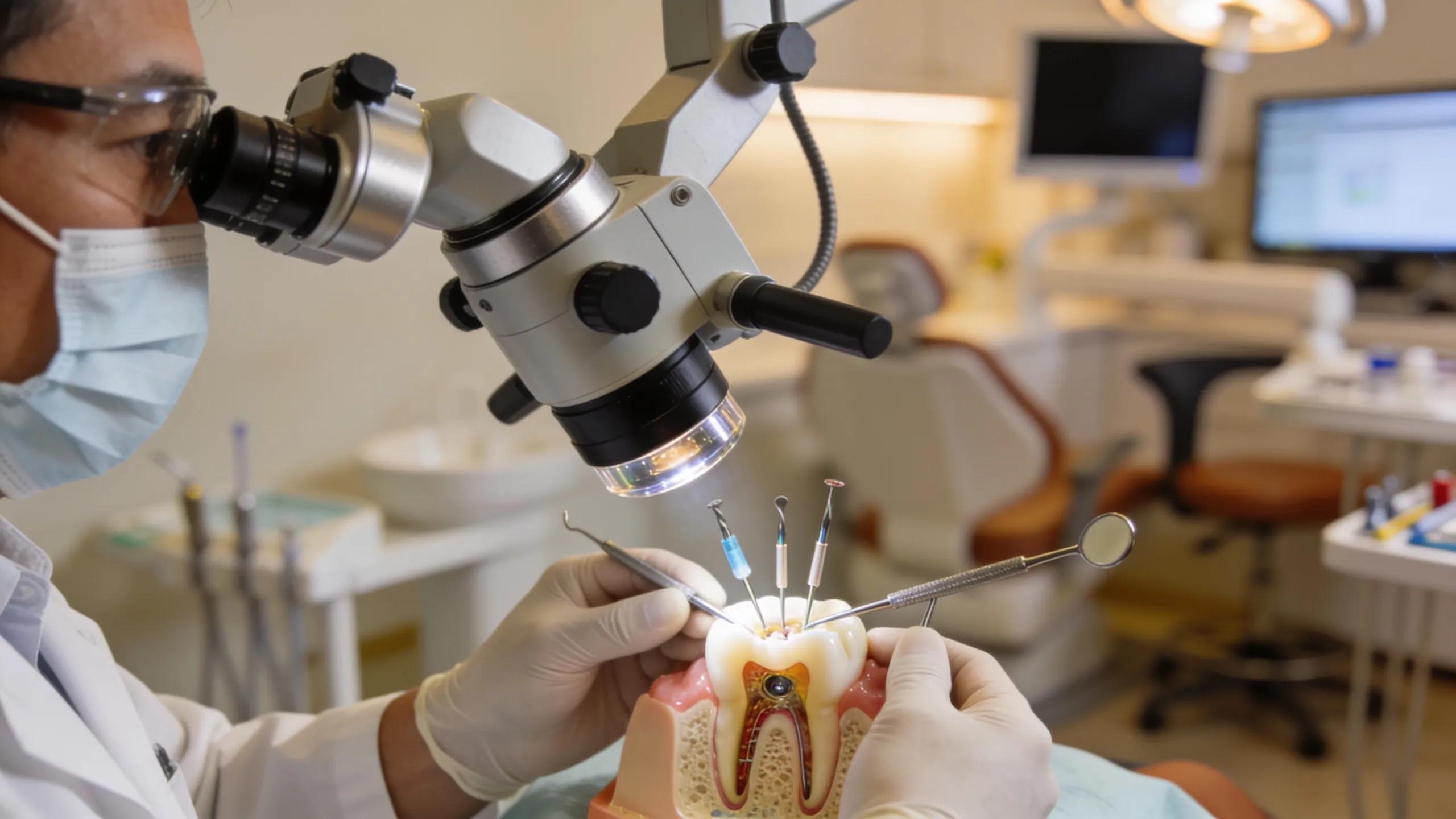
New tools—3D imaging, operating microscopes and biocompatible materials—have reshaped root canal care. They sharpen diagnosis, streamline planning and improve execution, lowering the risk of complications.
CBCT provides detailed, three‑dimensional views of canal anatomy so clinicians can plan treatment with confidence. Operating microscopes improve visibility during procedures, helping endodontists locate and treat intricate canal systems and boosting the chance of success.
Modern sealers and filling materials form tighter seals and support tissue healing, which eases recovery and improves patient comfort.
Anodyne Endodontics offers advanced endodontic care, handling consultations and emergency appointments for patients seeking high‑quality root canal treatment.
Differences Between Surgical and Non-Surgical Procedures
Non‑surgical root canal therapy removes infected or inflamed pulp, then cleans, shapes and fills the canal. Guided by clinical indicators, the goal is to save the natural tooth and relieve pain.
Surgical treatments, such as apicoectomy, are used when non‑surgical methods fail or when the anatomy is inaccessible. These procedures remove the root tip and infected tissue to allow direct access to the canal system. Recovery is generally longer because the approach is more invasive.
Benefits of Single-Visit Treatments

Single‑visit root canal treatments reduce the number of appointments, shorten time in the dental chair and minimise disruption to daily life.
- Efficiency in Treatment: Completing the root canal procedure in one visit streamlines the process, often resulting in faster recovery times.
- Reduced Patient Anxiety: Fewer visits to the dentist can decrease anxiety levels, making the overall experience more pleasant.
- Immediate Pain Relief: Patients often experience relief from pain and discomfort immediately following a single-visit treatment.
With modern tools and experienced clinicians, many procedures can be completed safely in one session, improving both patient satisfaction and treatment outcomes.
Role of Advanced Technologies in Enhancing Outcomes
Precision diagnostics and treatment innovations directly improve long‑term outcomes. Digital imaging gives a clearer view of tooth condition, guiding better assessment and treatment choices.
Regenerative endodontics uses biologically based methods—such as growth factors and stem cells—to encourage pulp regeneration, offering enhanced healing compared with traditional approaches.
That leads to more accurate diagnoses, personalised treatment plans and, ultimately, higher success rates for patients.
What Are the Advanced Root Canal Treatment Options Available Today?
Modern root canal options include techniques designed for different needs. Some notable approaches are:
- Regenerative Endodontics: Utilizing growth factors to promote healing and regeneration of the pulp.
- Endodontic Microsurgery: Performing surgeries such as apicoectomy with enhanced precision and reduced trauma through magnification techniques.
- Minimally Invasive Endodontics: Employing techniques that require smaller openings and less tooth structure removal, thus preserving more of the natural tooth.
These methods use current technology to deliver safer, more effective care tailored to the specific complexities of each case.
How Do Surgical and Non-Surgical Root Canal Procedures Differ?
Non‑surgical treatment removes infected pulp through the crown using specialised access and cleaning instruments to treat and seal the canal from within.
Surgical approaches are chosen when non‑surgical treatment fails or the anatomy prevents adequate access. Procedures like apicoectomy aim to remove persistent infection. Non‑surgical care typically results in quicker healing and less postoperative discomfort than surgical alternatives.
How Can Referring Dentists Benefit from Certification Programs and Referral Resources?
Referring dentists benefit from certification programs and referral resources that teach advanced techniques and the latest technologies in endodontics, improving their clinical knowledge.
- Advantages of Board Certification: Dentists who complete board certification have proven their expertise and dedication to high standards of care in endodontics, enhancing patient trust.
- Access to Advanced Technologies: Referring dentists gain insights into the latest technologies, which enriches their practice and promotes collaboration with specialists for effective patient care.
- Enhanced Patient Care Quality: By staying updated with advancements, dentists can provide better recommendations to their patients and improve the overall standard of dental treatment.
Keeping up with these resources improves patient outcomes and strengthens collaboration between general practitioners and endodontic specialists.
What Should Patients Know About the Cost and Recovery of Root Canal Surgery?
Costs and recovery vary with case complexity and procedure. Generally, root canal therapy may range from $700 to $1,500 depending on tooth location and treatment complexity.
Recovery typically lasts from several days to a couple of weeks, depending on the procedure and the patient’s health. Costs are influenced by additional treatments, materials used and the practice’s location. Understanding these factors helps you make informed decisions about care.
Frequently Asked Questions
1. What are the signs that a root canal may be necessary?
Signs include severe toothache, prolonged sensitivity to hot or cold, tooth discolouration, swollen or tender gums, or recurring pimple‑like bumps on the gums. These symptoms often point to pulp infection or damage; see a dentist to avoid further complications.
2. How do I prepare for a root canal procedure?
Prepare by keeping good oral hygiene and following your dentist’s instructions. Avoid eating or drinking if sedation is planned, tell your dentist about medications and medical conditions, and arrange a ride home if you will be sedated.
3. Are there any risks associated with root canal treatments?
Root canal treatment is generally safe but carries risks such as infection, nerve injury or a procedure failing and requiring further care. With advanced techniques and technology, success rates are high—often exceeding 95%. Discuss any concerns with your endodontist before treatment.
4. What can I expect during the recovery process?
After the procedure you may have mild pain and swelling that can be managed with over‑the‑counter or prescribed pain relief. Follow care instructions—avoid hard foods and maintain good oral hygiene. Swelling usually subsides in a few days and most people return to normal activities soon unless advised otherwise.
5. What factors influence the cost of root canal treatments?
Cost depends on case complexity, tooth position and the practice’s geographic location. Molars tend to cost more than front teeth due to more complex root structures. Materials, the clinician’s experience and any needed follow‑up treatments also affect price.
6. Can root canals be performed on children?
Yes. Pediatric dentists can perform root canals on children using techniques tailored for comfort and anxiety management. Saving a compromised baby tooth is important for proper development and spacing for adult teeth.
7. How does the technology impact the effectiveness of root canal procedures?
Modern tools—3D imaging and operating microscopes—improve diagnostics and visualisation, which leads to more accurate treatment plans. Biocompatible materials enhance sealing and healing, contributing to higher success rates and better patient satisfaction.
Conclusion
Advanced endodontic techniques and technology improve patient experience, relieve pain and speed recovery. From single‑visit treatments to biocompatible materials, these advances increase comfort and treatment success. Explore our range of advanced endodontic options and find the right solution for your dental needs today.