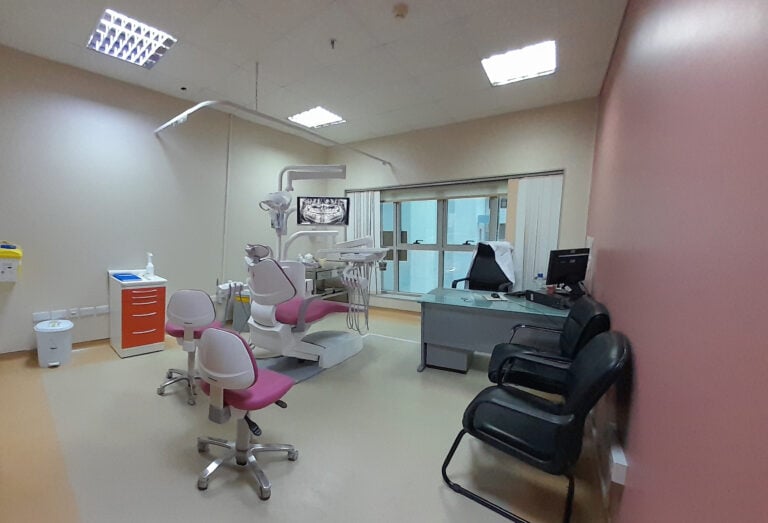
Complete Guide to Pediatric Dentist Services and Children’s Dental Health Tips

Complete Guide to Pediatric Dentist Services and Children’s Dental Health Tips
By Zainab Aziz, Anodyne Endodontics
Keeping your child’s teeth healthy starts early. Pediatric dentists focus on children’s specific needs, teaching good habits and preventing common problems. This guide explains core pediatric services, parent tips, and ways to support children’s dental health. Many parents worry about spotting issues or preparing for visits; knowing what to expect reduces stress and helps get care quickly. We cover emergency care, preventive treatments, and how to pick kid-friendly dental products.
Key Takeaways
- Pediatric dentists specialize in children’s unique dental needs, promoting early oral hygiene and preventing common dental issues.
- Recognizing dental emergencies like severe toothaches or knocked-out teeth ensures timely pediatric dental care.
- Same-day appointments are often available for urgent pediatric dental treatments to reduce complications and discomfort.
- Early childhood dental visits focus on examination, education, and fostering positive attitudes toward oral health.
- Preventive treatments such as fluoride applications, dental sealants, and regular cleanings protect children from cavities and decay.
- Choosing child-friendly toothbrushes and fluoride toothpaste supports effective oral hygiene in young children.
- Parents can encourage good dental habits by making brushing fun, setting examples, and using reward systems.
- General dentists refer pediatric patients to specialists to ensure tailored and continuous dental care.
- Anodyne Endodontics provides specialized pediatric root canal treatments emphasizing comfort and sedation for anxious children.
What Should Parents Know About Pediatric Dental Emergency Care?

Pediatric dental emergency care handles urgent problems with a child’s teeth or gums. Spotting emergency signs helps you get timely treatment and avoid complications. Common triggers include traumatic injuries and severe toothaches that require immediate attention. Acting quickly eases your child’s pain and limits further damage.
How to Recognize Signs Your Child Needs Emergency Dental Treatment
Recognizing when a child needs urgent dental care matters. Watch for the following signs:
- Severe Toothache: A persistent and intense toothache may indicate a cavity or infection.
- Chipped or Knocked-Out Tooth: Trauma from falls or accidents can damage teeth, requiring immediate care.
- Bleeding Gums: Unexplained gum bleeding can signal an underlying issue that needs urgent attention.
If you notice any of these signs, contact your dentist right away to prevent more serious complications.
What Are Same-Day Appointment Options for Urgent Pediatric Dental Care?
Many pediatric offices offer same-day visits for urgent issues, so families can avoid long waits. Ask your dentist about their urgent-care policy so you know where to turn in an emergency.
Anodyne Endodontics, for example, treats both general and pediatric patients and helps children receive prompt, compassionate care during emergencies.
How Do Early Childhood Dental Procedures Support Kids’ Oral Health?
Early dental care helps spot problems early and builds healthy habits. Regular visits prevent cavities and teach children how to care for their teeth.
These early steps protect teeth and gums and help children become more comfortable with dental care as they grow.
What Happens During a Child’s First Dental Visit?
A first dental visit usually includes an exam to check development and look for cavities, along with guidance on brushing. Making the visit positive reduces anxiety. Parents should take part, discuss their child’s dental history, and ask any questions.
Which Preventive Treatments Protect Against Cavities and Tooth Decay?
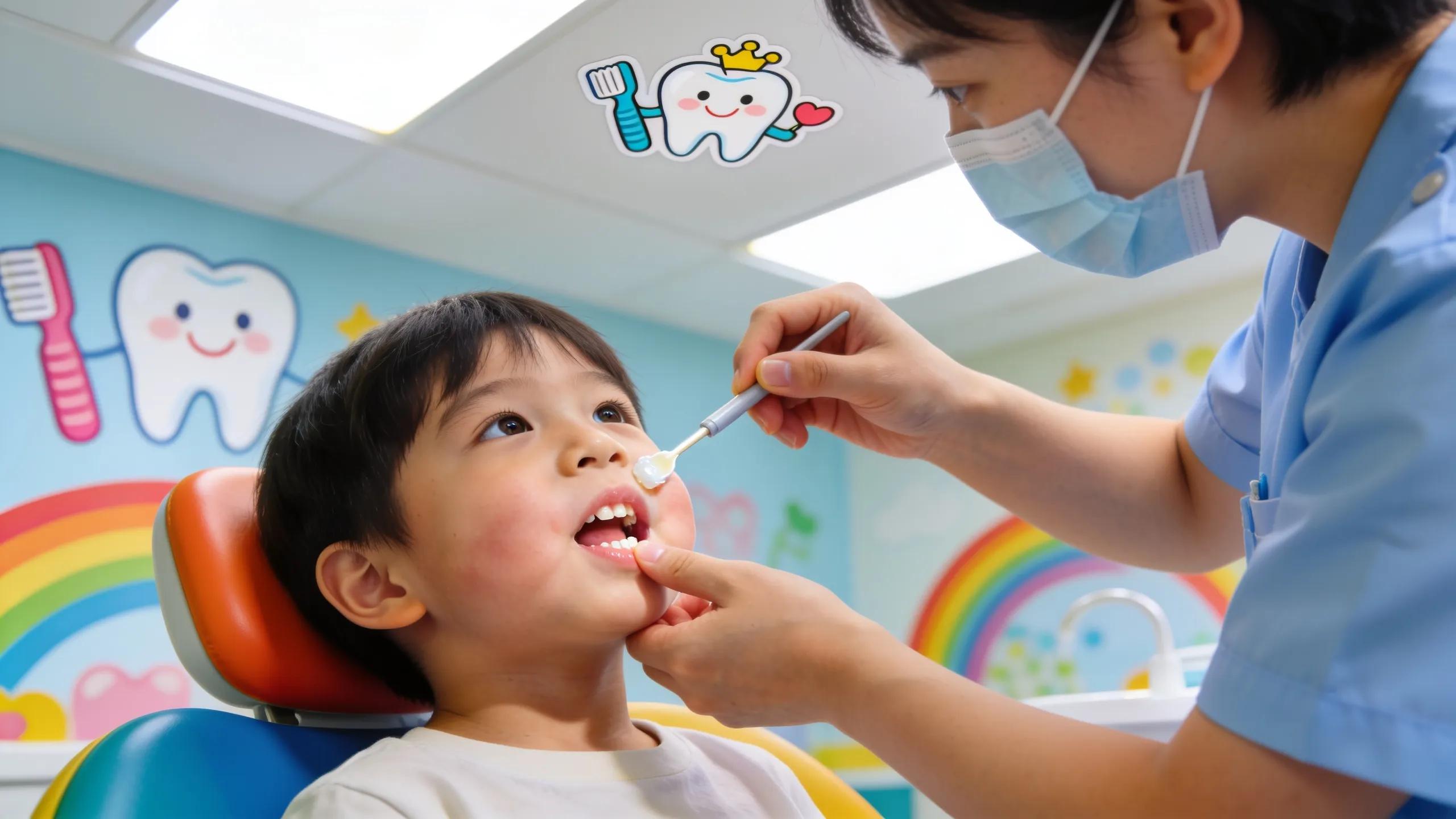
Preventive treatments help protect children from cavities and decay. Common options include:
- Fluoride Treatments: These treatments strengthen teeth and help prevent cavities, especially in children at higher risk.
- Dental Sealants: Sealants are protective coatings applied to the chewing surfaces of back teeth, reducing the risk of decay.
- Regular Cleanings: Professional cleanings are vital for removing plaque and tartar buildup that children may miss during regular brushing.
Including Anodyne Endodontics in a child’s care plan can reinforce these protections and support healthy teeth as they grow.
What Are the Best Kids Oral Hygiene Products Recommended by Pediatric Dentists?
Choosing the right products matters. Pediatric dentists recommend items that work well for kids and are easy to use.
Which Toothbrushes and Toothpaste Are Ideal for Children’s Teeth?
Use a child-sized toothbrush with soft bristles and a small head, plus fluoride toothpaste. Supervise brushing to ensure the correct amount of paste and proper technique.
How Can Parents Encourage Effective Oral Hygiene Habits in Kids?
Make oral hygiene fun to build lasting habits. Parents can:
- Making Brushing Fun: Use songs or games to make the routine enjoyable.
- Setting an Example: Demonstrating brushing techniques encourages children to mimic their parents’ practices.
- Reward Systems: Implementing reward charts can motivate children to maintain oral hygiene routines.
Using these strategies helps children form dental routines that stick.
How Can General Dentists Refer Pediatric Patients to Specialized Pediatric Dentists?
General dentists often refer children to pediatric specialists when extra care is needed. Referrals make sure the child gets treatments suited to their needs and maintain continuity of care.
What Is the Referral Process for Pediatric Dental Specialist Care?
A general dentist will usually prepare a referral plan and share the child’s dental history and needs with the pediatric specialist so care continues smoothly.
Why Choose Anodyne Endodontics for Pediatric Root Canal Treatments?
For endodontic needs, Anodyne Endodontics emphasizes comfort and offers sedation options and advanced techniques tailored to children.
Their team works to keep children calm during procedures, easing anxiety while delivering high-quality care.
Where to Find the Best Dental Clinics for Toddlers in Your Area?
Choosing the right toddler clinic matters. Look for practices that meet children’s needs and make visits positive.
What Criteria Define a Top Pediatric Dental Clinic for Young Children?
- Qualifications of Dentists: Ensure staff are board-certified pediatric dentists with specialized training.
- Child-Friendly Environments: Clinics should have welcoming atmospheres designed to make children feel safe and relaxed.
- Emergency Services Availability: Availability of urgent care can be a significant deciding factor when choosing a clinic.
Use these criteria to find a practice that fits your child and promotes a good experience.
How to Schedule and Prepare for Your Toddler’s Dental Appointment?
Preparing ahead can ease anxiety and help the visit go well. Parents should:
- Discuss What to Expect: Explain the visit in simple terms to make it less intimidating.
- Choose an Appropriate Time: Schedule appointments when toddlers are well-rested to promote cooperation.
- Bring Comfort Items: Allowing children to take a favorite toy can make the experience more comfortable.
Following these steps makes dental visits more comfortable and successful for toddlers.
Frequently Asked Questions
1. What are common dental issues children face?
The most common problem is cavities from sugary diets and poor brushing. Children can also have tooth sensitivity, misalignment, and early tooth loss. Thumb-sucking or long-term pacifier use can affect alignment. Regular check-ups and preventive care help catch and treat these issues early.
2. How often should children see a pediatric dentist?
Most children should visit a pediatric dentist every six months for routine check-ups and cleanings. These visits monitor dental development, remove plaque, and allow preventive treatments like fluoride or sealants. If a child has ongoing issues, the dentist may suggest more frequent visits.
3. What should I do if my child has a dental emergency?
Stay calm and assess the situation. For severe toothaches, rinse the mouth with warm water and avoid putting pressure on the tooth. For knocked-out teeth, try to reinsert the tooth or keep it in a cup of milk and seek immediate dental care. Contact your pediatric dentist right away for guidance.
4. How can I teach my child about dental health?
Make learning about dental health fun and hands-on. Use songs, games, charts, and books to teach brushing and flossing. Show the right techniques by example and reinforce good habits with praise or rewards.
5. Are there specific foods that promote healthy teeth in children?
Crunchy fruits and vegetables like apples and carrots help clean teeth and stimulate gums. Dairy products such as cheese and yogurt supply calcium for strong teeth. Nuts and whole grains support overall health. Limit sugary snacks and drinks to lower cavity risk.
6. What can I do to help my child feel comfortable during dental visits?
Schedule appointments when your child is rested, role-play visits at home, bring a favourite comfort object, and keep a calm, positive attitude to normalise dental care.
7. What age is ideal to introduce flossing to my child?
Start flossing when teeth begin to touch, usually around ages 2–3. Help your child until they have the coordination to floss alone, often around 8–10. Child-friendly flossers can make the task easier. Regular flossing reduces cavities and gum disease.
Conclusion
Prioritizing pediatric dental care protects children’s long-term oral health. Pediatric dentists treat current issues and teach lifelong habits through prevention and education. Getting timely, compassionate care supports your child’s smile and overall wellbeing. Schedule your child’s appointment with a trusted pediatric dentist today to begin their dental health journey.