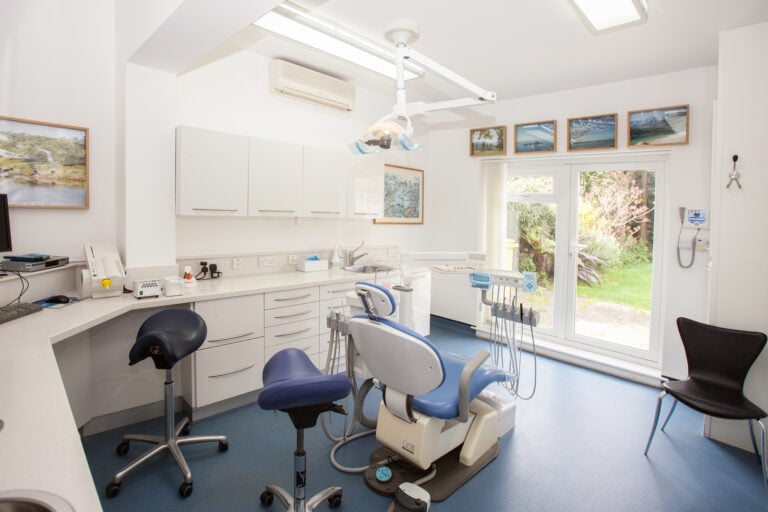
Endodontic Care: Root Canal Treatments, Costs, Recovery, and Expert Guidance for Patients and Referring Dentists

Endodontic Care: Root Canal Treatments, Costs, Recovery, and Expert Guidance for Patients and Referring Dentists
By Zainab Aziz, Anodyne Endodontics
Endodontic care diagnoses and treats problems of the dental pulp and root canals. Root canal therapy is a common procedure that removes infection, relieves pain, and saves teeth that would otherwise be lost. Many patients have questions about the steps, costs, and recovery. Clear information reduces anxiety and improves the experience. This article covers root canal treatment, typical costs, recovery expectations, and practical guidance for patients and referring dentists.
Key Takeaways
- Root canal treatment removes infected pulp to relieve pain and preserve the natural tooth structure effectively.
- Costs vary by tooth location and complexity, with insurance often covering part of the root canal and crown procedures.
- Recovery is typically quick, involving rest, medication adherence, and a soft-food diet to promote healing.
- Patients should manage pain with prescribed medications, ice packs, and hydration while monitoring for complications.
- Emergency follow-up care is necessary for severe pain, swelling, or fever after root canal therapy.
- Early diagnosis and intervention improve treatment success and help maintain overall oral health.
- Referring dentists should recognize symptoms, communicate clearly, and facilitate smooth patient transitions to specialists.
- Advanced techniques like endodontic microsurgery and dental imaging enhance precision and treatment outcomes.
- Anodyne Endodontics offers expert, same-day emergency appointments focused on patient comfort and effective care.
Root Canal Treatments
Root canal treatment removes infected or damaged pulp from inside a tooth to stop pain and prevent further damage. The endodontist cleans, shapes, and seals the canal to preserve the tooth’s structure. The main goal is to relieve pain while keeping your natural tooth intact.
If you have persistent tooth pain or sensitivity, it may signal the need for a root canal. Effective endodontic care helps you keep your natural tooth and avoid extraction. Many cases are treated in one or two visits, depending on complexity.
After treatment most people notice a clear drop in pain and can return to normal activity fast. Anodyne Endodontics also offers emergency same-day appointments and detailed consultations for patients who need extra support.
Associated Costs

Root canal costs depend on the tooth’s location, the procedure’s complexity, and any follow-up restorations like crowns. Prices vary, so get an estimate before treatment.
Insurance often covers part of the procedure, which lowers out-of-pocket costs. Speak with your insurer to confirm what is covered and to estimate any remaining expenses.
Consulting a specialist like Anodyne Endodontics can also help you understand costs while ensuring high-quality care.
Recovery Processes
Recovery times vary, but most patients resume normal activities within a day or two. Some soreness is common as the area heals.
Follow these post-operative care instructions:
- Rest: Allow ample time to heal after the procedure.
- Medication: Follow prescription guidelines for pain medication and anti-inflammatories.
- Diet: Stick to soft foods immediately after the treatment to avoid irritation.
These steps help speed recovery and lower the risk of complications. Knowing what to expect makes it easier to plan your activities.
How to Manage Pain and Promote Healing After Root Canal Therapy?
Pain control is important for a smooth recovery. Consider these approaches:
- Taking Prescribed Medications: Follow the dentist’s instructions regarding pain relief.
- Applying Ice Packs: Use ice on the affected area to reduce swelling and discomfort in the initial days.
- Staying Hydrated: Drink plenty of fluids and maintain a balanced diet to support healing.
If pain worsens or does not improve, contact your dental provider right away.
When Should Patients Seek Emergency Follow-Up Care?
Seek urgent care if you notice any of the following:
- Severe pain: That isn’t relieved by over-the-counter or prescribed medications.
- Swelling: In the face or gums that worsens over time.
- Fever: Accompanying chronic pain or discomfort.
Emergency follow-up ensures complications or infections are treated quickly and prevents setbacks in recovery.
Expert Guidance
Referring dentists are key to ensuring patients get the right endodontic care. Knowing when to refer improves outcomes and patient experience.
For Patients
Watch for these signs that may require a root canal:
- Severe Toothache: Persistent pain when chewing or applying pressure.
- Sensitivity: Extended sensitivity to hot or cold temperatures after the stimulus has been removed.
- Discoloration: Darkening of the tooth, signaling possible internal damage.
Acting quickly when you notice these symptoms increases the chance of saving the tooth. Contact a dentist promptly if anything feels off.
For Referring Dentists
General dentists should refer when specialty care is needed. Good collaboration includes:
- Recognizing Symptoms: Understanding the signs that signal the need for specialty care, such as persistent pain or infection signs.
- Communicating Clearly: Providing detailed patient histories and x-rays to assist the endodontist in diagnosing and planning treatment.
- Facilitating Smooth Transitions: Ensuring patients feel comfortable about their referral and the proposed treatments.
Strong partnerships with specialists like Anodyne Endodontics improve patient outcomes and build trust through coordinated care.
What Are the Signs You Need a Root Canal?
Several signs suggest you may need a root canal:
- Persistent Pain: Ongoing tooth pain that lasts more than a day or two.
- Swelling and Tenderness: Noticeable swelling in the gums surrounding the troubled tooth.
- Darkening of the Tooth: A tooth that changes color may indicate nerve damage.
Spotting these signs early lets you get treatment sooner and improves the chances of a successful outcome.
The procedure is efficient and aims to preserve your natural tooth. Local anaesthesia keeps you comfortable while the endodontist removes infected pulp, cleans the canal, and seals it.
How Can Early Diagnosis Improve Root Canal Success?
Early diagnosis and treatment boost the success of root canal therapy. Acting quickly offers several benefits:
- Reduced Risk of Infection: Early treatment minimizes bacterial buildup and infections that develop over time.
- Better Overall Health: Timely intervention prevents the spread of infection to surrounding tissues, protecting overall oral health.
- Longevity of the Natural Tooth: Addressing issues quickly helps ensure that the tooth can remain functional for many years.
Regular check-ups and prompt attention to symptoms increase the likelihood of successful endodontic treatment.
How Much Does Root Canal Treatment Cost?
Costs vary by case complexity and tooth location. Discuss estimates with your dentist and confirm coverage with your insurer before treatment.
Knowing pricing ahead of time helps you plan and reduces financial stress when choosing care.
What Factors Affect Root Canal Cost and Insurance Coverage?
Costs depend on several factors:
- Tooth Location: Front teeth generally cost less than molars due to the complexity of the procedure.
- Insurance Plans: Coverage differs widely between providers, with some plans offering extensive benefits while others may require more significant out-of-pocket payment.
- Additional Treatments: Patients requiring crowns or other “restorations” following the root canal may incur additional costs, impacting overall expenses.
Understanding these variables helps patients prepare for potential costs and make informed choices about care.
How Does Root Canal Cost Compare to Tooth Extraction?
When comparing options, consider long-term costs and outcomes:
- Root Canals are often more cost-effective than extractions in the long run, as they allow for the preservation of the natural tooth.
- Extractions may incur additional costs for future restorations such as implants or bridges, which can “significantly exceed” the cost of root canal therapy.
Preserving your natural tooth with a root canal usually supports better long-term oral health and can reduce future expenses for replacement teeth.
What Is the Step-by-Step Root Canal Procedure?
Knowing the procedure steps can ease anxiety. Typical steps include:
- Diagnosis and X-ray: The dentist performs an exam and takes X-rays to assess the state of the tooth and surrounding bone.
- Anesthesia Administration: Local anesthesia is administered to ensure comfort throughout the procedure.
- Pulp Removal: The infected or damaged pulp is accessed and carefully removed.
- Cleaning and Shaping: The canal is cleaned, shaped, and disinfected to prepare for sealing.
- Sealing: The canal is filled with gutta-percha material and sealed to prevent reinfection.
Each step is performed to keep you comfortable and to treat the infection effectively.
How Does Endodontic Microsurgery Enhance Treatment Outcomes?
Endodontic microsurgery is an advanced option for complex cases. Benefits include:
- Precision: Enhanced instruments facilitate a more accurate and thorough treatment process.
- Less Discomfort: Minimally invasive techniques often result in reduced post-operative discomfort.
- Increased Success Rates: Utilizing microsurgery techniques can address issues that traditional methods might not effectively resolve.
Discuss microsurgery with your endodontist if conventional treatment does not resolve the problem or if your case is complex.
What Role Does Dental Imaging Play in Diagnosis and Planning?
Dental imaging is essential in endodontics. It provides:
- Detailed Visualization: Accurate imaging allows for comprehensive assessment and diagnosis.
- Improved Treatment Planning: High-quality images help endodontists plan procedures meticulously, resulting in “optimized outcomes”.
- Monitoring Progress: Follow-up imaging can ensure the treatment’s effectiveness and verify healing post-procedure.
Using modern imaging tools improves diagnostic accuracy and helps plan precise, effective treatment.
What Are the Best Root Canal Recovery Tips?

Recovery is often straightforward when you follow simple steps. Try these tips to support healing:
- Follow Care Instructions: Adhere strictly to post-treatment guidelines provided by your dentist.
- Stay Hydrated and Nourished: Maintain a balanced diet and drink plenty of water to support recovery.
- Avoid Hard Foods: Stick to soft foods for a few days to avoid additional discomfort or damage to the treated area.
These practices help protect the treated tooth and make recovery more comfortable.
How to Manage Pain and Promote Healing After Root Canal Therapy?
To manage pain and aid healing, consider:
- Over-the-Counter NSAIDs: Ibuprofen or acetaminophen can reduce pain and inflammation effectively.
- Cold Compresses: Applying ice packs to the face can help minimize swelling in the first few days.
- Rest and Relaxation: Giving your body time to recover is key; avoid strenuous activities in the days following treatment.
These measures usually improve comfort and speed recovery after a root canal.
When Should Patients Seek Emergency Follow-Up Care?
Watch for warning signs after treatment, such as:
- Increased Pain: Not responding to typical pain relief methods may indicate an issue.
- Fever: A fever following relatively minor procedures can be a red flag.
- Persistent Swelling: Swelling that does not decrease over time warrants a “follow-up visit” to the dentist.
Contact your dental team promptly if you notice any of these signs so they can assess and treat any problems quickly.
How Do Referring Dentists Collaborate with Endodontic Specialists?
Good collaboration between general dentists and endodontists leads to better patient care. It streamlines treatment plans, referrals, and the patient’s overall journey.
- Prompt Referrals: Identifying when a patient requires specialized care is crucial to maintaining dental health.
- Clear Communication: Dentists should provide comprehensive patient histories and detail any prior “treatments” or concerns.
- Regular Follow-Ups: A consistent communication channel helps ensure both general and specialized care are aligned.
These practices make the referral process smoother and improve patient satisfaction.
What Are the Steps for Scheduling Consultations and Referrals?
Follow these steps to schedule specialist consultations:
- Patient Evaluation: Conduct a thorough examination to determine the extent of the issue.
- Communication: Contact the endodontist’s office to relay pertinent patient information and coordinate schedules.
- Patient Preparation: Inform the patient about the referral and guide them on what to expect during their visit with the specialist.
These steps help ensure referrals are efficient and patients receive timely care.
Why Choose Anodyne Endodontics for Emergency Same-Day Appointments?
Anodyne Endodontics stands out for urgent care thanks to its focus on patient needs. Key reasons to choose them include:
- Prompt Service: Offering emergency “same-day appointments”, Anodyne ensures that patients receive quick and effective treatment to alleviate pain.
- Expertise in Care: With a team that specializes entirely in endodontics, patients can expect high-quality, precise “treatments” geared towards preserving their natural teeth.
- Patient Satisfaction Focus: The practice prioritizes patient comfort and satisfaction, leveraging “advanced techniques” to enhance treatment experiences.
Choosing Anodyne Endodontics addresses urgent needs and supports long-term dental health with expert care.
Frequently Asked Questions
What Should I Expect During My First Visit for a Root Canal?
At your first visit the endodontist will examine the tooth, take X-rays, and review your medical history and symptoms. Local anaesthesia keeps you comfortable, and the dentist will explain each step so you know what to expect during the procedure.
How Can I Prepare for a Root Canal Treatment?
To prepare, tell your dentist about any medications or health conditions. Arrange a ride home if needed, wear comfortable clothes, and consider a light meal beforehand since you may stick to soft foods after the procedure.
Are There Any Risks Associated with Root Canal Treatments?
Root canal therapy is generally safe, but possible complications include infection or incomplete sealing that require further treatment. These outcomes are uncommon, especially with early diagnosis and modern techniques. Talk to your endodontist about any specific concerns.
What Aftercare Is Necessary Following a Root Canal?
Aftercare usually includes taking prescribed pain medication, applying ice packs to reduce swelling, eating soft foods for a few days, and returning for follow-up visits as directed. Good oral hygiene and hydration also support healing.
Can I Return to Work Immediately After a Root Canal?
Many patients can return to work the next day, though some may need a day of rest depending on pain levels and procedure complexity. Follow your dentist’s advice about when to resume normal activities.
How Do I Know if My Root Canal Has Failed?
Signs of a failed root canal include ongoing pain, swelling, or an abscess. Tooth discoloration or renewed sensitivity can also indicate a problem. Contact your dentist if you experience these symptoms so they can evaluate treatment options.
What Alternatives Are There to Root Canal Treatment?
Alternatives include extracting the tooth and replacing it with an implant or bridge. These restore function and appearance but do not preserve the original tooth. Extraction is usually considered when the tooth cannot be saved; your dentist will advise on the best option for your case.
Conclusion
Understanding endodontic care helps you make informed choices that relieve pain and preserve natural teeth. If you have tooth pain, contact Anodyne Endodontics to schedule a consultation or same-day emergency visit. Prioritise your dental health with timely, expert care.