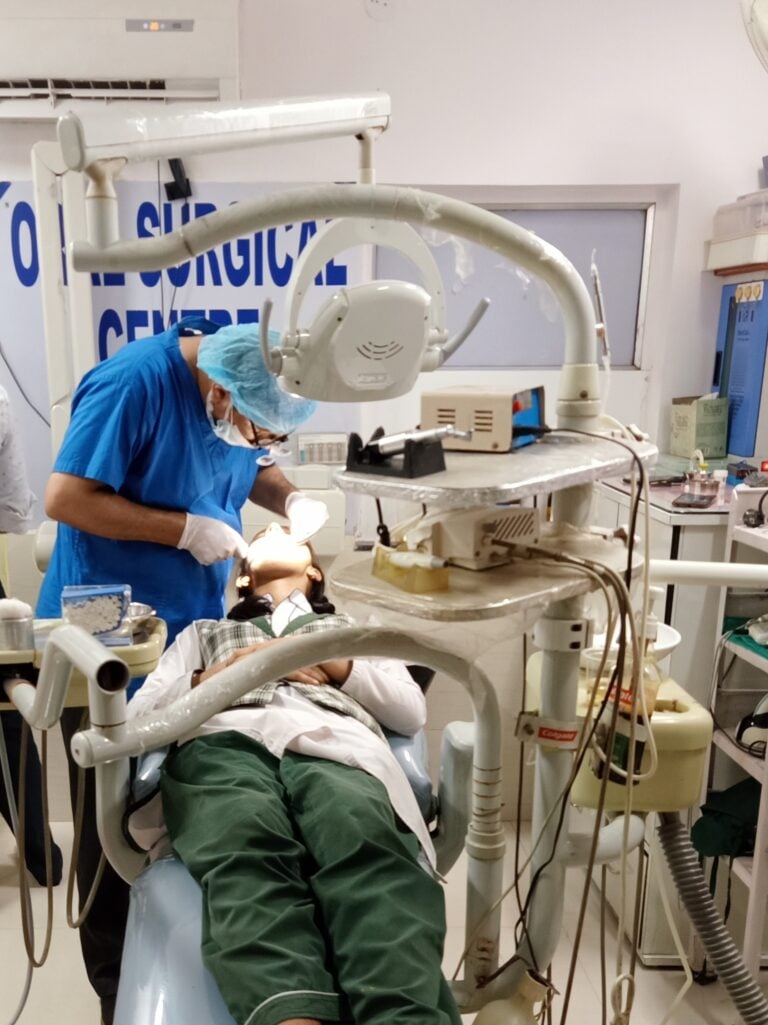
Endo Dental Root Canal Procedures and Emergency Care: Complete Guide to Treatment Steps, Costs, and Recovery

Endo Dental Root Canal Procedures and Emergency Care: Complete Guide to Treatment Steps, Costs, and Recovery
By Zainab Aziz, Anodyne Endodontics
Root canal treatment saves teeth that are infected or badly decayed. This guide covers the procedure steps, typical costs, recovery tips, and why emergency dental care matters. Many people face severe pain and fear losing a tooth; knowing the treatment options and recovery steps helps you choose the right care. Below we outline core endodontic treatments and explain how emergency services can provide fast relief.
Key Takeaways
- Root canal procedures save infected teeth by removing damaged pulp and sealing the canal to prevent reinfection.
- Symptoms like severe tooth pain, prolonged sensitivity, swelling, and discoloration indicate the need for a root canal.
- Emergency endodontic care offers same-day appointments to address urgent dental pain and infections promptly.
- Scheduling emergency care involves symptom assessment, urgency evaluation, and quick appointment confirmation.
- Root canals cost between $800 and $2,000, generally higher than extractions but preserve natural teeth longer.
- Most dental insurance plans partially cover root canal and emergency endodontic treatments, reducing patient expenses.
- Root canal recovery typically takes 24 to 48 hours with mild discomfort managed by over-the-counter pain relievers.
- Post-procedure care includes following medication instructions, avoiding hard foods, and maintaining oral hygiene.
- Referring dentists collaborate with endodontists by providing patient history and facilitating seamless specialist care.
What Are the Root Canal Procedure Steps in Endo Dental Care?
Root canal treatment aims to preserve a tooth that is infected or damaged. The process includes diagnosis, numbing the area, removing infected pulp, cleaning and shaping the canal, and sealing the tooth to stop reinfection. Patients choose this to ease pain and restore function. Skilled endodontists focus on comfort and efficiency to achieve reliable results.
How Is a Root Canal Procedure Performed Step-by-Step?
The procedure starts with a detailed exam and local anesthesia for comfort. The endodontist opens the tooth crown to reach the pulp chamber, removes infected or damaged tissue, then cleans and shapes the canal. After sterilising the area, the canal is filled with a biocompatible material to block reinfection, and a temporary filling is placed until a permanent restoration like a crown is fitted.
What Signs Indicate You Need a Root Canal?
Certain symptoms may indicate the need for a root canal, including:
- Severe Tooth Pain: This can often worsen when chewing or applying pressure.
- Prolonged Sensitivity: Experiencing sensitivity to hot or cold stimuli that lingers after removal can signal pulp damage.
- Swelling and Tenderness: Swelling in the gums around an affected tooth signifies infection.
- Discoloration: A tooth that turns dark may indicate pulp death.
Spotting these signs early lets you get treatment sooner and lowers the risk of further problems.
How Do Emergency Endodontist Same Day Appointments Work?

Emergency endodontic visits address urgent issues like severe pain or active infections. When you call, staff will ask about symptoms to judge urgency. If needed, they can book a same-day slot. At the appointment, the endodontist examines the tooth, takes X-rays, and may provide immediate treatment to ease pain and control infection.
When Should You See an Emergency Endodontist Near Me?
Patients should seek immediate care from an emergency endodontist if they experience:
- Uncontrollable Pain: Severe tooth pain that disrupts daily life warrants prompt evaluation.
- Swelling: Rapid swelling in the face or gums can indicate a serious infection.
- Trauma: Any impact that results in tooth dislocation or severe damage should be treated urgently.
Getting care quickly for these issues can improve outcomes and reduce complications.
What Is the Process for Scheduling Same Day Endodontic Emergency Care?
Scheduling a same-day appointment for endodontic care generally involves the following steps:
- Initial Contact: Patients call the endodontist’s office to describe their symptoms.
- Assessment: The staff evaluates the urgency based on the symptoms provided.
- Appointment Confirmation: If urgent care is warranted, an appointment is scheduled for the same day, guiding the patient through any necessary pre-appointment instructions.
This streamlined process helps patients get prompt evaluation and treatment when time matters.
What Are the Cost Differences Between Root Canal vs Extraction Treatments?
Costs matter when choosing care. Root canals usually cost more upfront because the procedure is more complex. Still, saving a natural tooth can avoid future costs tied to extractions and replacements like implants or bridges.
While a root canal can seem pricier initially, it often leads to better long-term function and fewer follow-up procedures.
How Much Does a Root Canal Procedure Cost Compared to Extraction?
The cost for a root canal typically falls between $800 and $2,000, depending on tooth location and complexity. Extractions generally range from $200 to $600. Considering long-term effects, keeping your natural tooth can reduce future dental expenses.
Does Insurance Cover Root Canal and Emergency Endodontic Treatments?
Many dental insurance plans cover part of the cost for root canals and emergency endodontic care. Review your policy for coverage limits and co-pays, and contact your insurer to confirm specifics so you can plan for out-of-pocket costs.
What to Expect During Root Canal Recovery Time and Aftercare?
Recovery after a root canal usually requires little downtime. Most people return to normal activities within a few days, though some soreness can persist while tissue heals. Following aftercare instructions helps ensure a smooth recovery.
How Long Is Typical Root Canal Recovery Time?
Typical recovery time is about 24 to 48 hours. Mild discomfort is common and can usually be managed with over-the-counter pain relievers. Adhering to the endodontist’s aftercare directions supports proper healing.
What Are Common Post-Root Canal Care Tips and Precautions?

To ensure optimal recovery after a root canal, consider these post-procedure care tips:
- Follow Medication Instructions: Take prescribed medications as directed to manage discomfort.
- Avoid Hard Foods: Stick to softer foods for the first few days to prevent stress on the treated tooth.
- Maintain Oral Hygiene: Continue regular brushing and flossing away from the treated area.
Following these simple precautions supports healing and reduces the chance of complications.
How Do Referring Dentists Collaborate with Endo Dental Specialists?
Referring dentists are key to ensuring patients reach the right specialist care. Their assessments and referrals help streamline diagnosis and treatment for complex endodontic issues.
What Is the Referral Process for General Dentists to Endodontists?
The referral process usually starts with the general dentist evaluating the tooth and deciding if endodontic treatment is needed. If so, they send the patient to an endodontist along with relevant history and radiographs to aid the specialist’s assessment and treatment planning.
How Does Anodyne Endodontics Support Referring Dentists?
Anodyne Endodontics focuses on clear communication and coordination with referring dentists. By sharing timely reports and updates, they help the referring dentist stay informed and engaged in the patient’s care.
Frequently Asked Questions
What are the long-term benefits of choosing a root canal over extraction?
Choosing a root canal preserves the natural tooth, which helps keep bite alignment and avoids the need for replacements like implants or bridges. It removes infection while maintaining function and appearance. Although initial costs may be higher, patients often face fewer expenses and complications long term.
Are there any risks associated with root canal treatment?
Root canal treatment is generally safe but carries some risks, such as incomplete removal of infected tissue, possible reinfection, or tooth fracture. Risks increase if follow-up care is skipped or the tooth was heavily damaged beforehand. Overall success rates are high when proper care is followed.
How can I prepare for a root canal appointment?
Prepare by discussing any concerns with your endodontist and reviewing sedation options if needed. Arrange transport if you expect sedation, avoid heavy meals right before the appointment, and bring a list of medications you take. Planning for post-procedure care at home also helps recovery.
What should I expect during my first visit to an endodontist?
Your first visit will include a full evaluation of the problem, a discussion of symptoms, and diagnostic tests like X-rays. The endodontist will explain treatment options, including details about a recommended root canal, plus expected costs and recovery so you can make an informed decision.
How does anesthesia work for root canal treatment?
Anesthesia numbs the treatment area so you remain comfortable during the procedure. A local anesthetic is usually given at the site to block pain, and sedation options may be offered for anxiety. The numbness wears off gradually after the appointment.
Can I eat after a root canal procedure?
Wait until the anesthesia wears off before eating. Once feeling returns, choose soft foods for the first few days—yogurt, mashed potatoes, and smoothies are good options. Avoid very hot or cold foods that might cause sensitivity, and follow your endodontist’s post-care advice.
Conclusion
Knowing how root canals work helps you make better decisions about dental care. Treating infections and keeping natural teeth preserves function and can reduce future costs. If you have symptoms of an infection, contact a qualified endodontist for an evaluation. Explore available services to find the right care for your needs.