Best Root Canal Specialist Near Me: Expert Endodontics Near You for Emergency and Same Day Care
Best Root Canal Specialist Near Me: Expert Endodontics Near You for Emergency and Same Day Care
By Zainab Aziz, Anodyne Endodontics
Finding a specialized endodontist for emergency root canals matters for your oral health. This article gives clear, practical information on when you need urgent care and how to get same-day appointments. Many people suffer intense dental pain and need immediate treatment. Knowing when to seek help and what steps to take can ease pain and stop problems from getting worse. We cover warning signs, booking a same-day root canal, and pain relief options before and after treatment.
Key Takeaways
- Emergency endodontic treatment is necessary when experiencing severe tooth pain, lingering sensitivity, or pain when biting.
- Recognizing symptoms early helps prevent complications and ensures timely root canal intervention.
- Securing a same-day root canal appointment involves identifying specialists and clearly communicating symptoms during scheduling.
- Qualified endodontists use advanced technology and have specialized training for effective root canal treatments.
- The patient referral process typically involves your general dentist evaluating symptoms and coordinating with the endodontist.
- Local anesthetics and sedation options provide effective pain relief during root canal procedures.
- Post-treatment pain management includes following medication guidelines and allowing proper rest for recovery.
- Root canal therapy costs vary by case complexity and location; insurance coverage should be verified beforehand.
What Are the Signs You Need Emergency Endodontic Treatment Near Me?
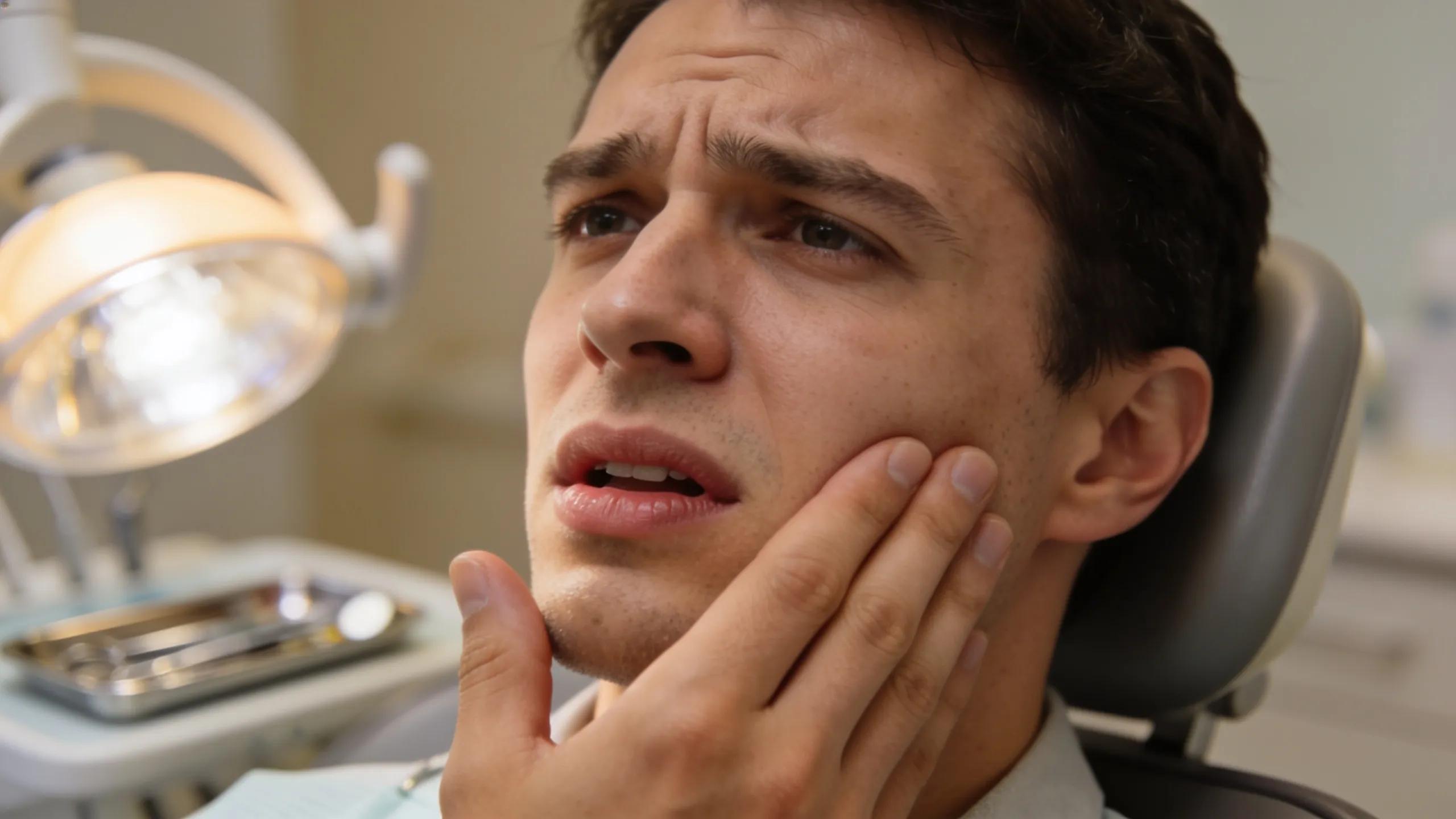
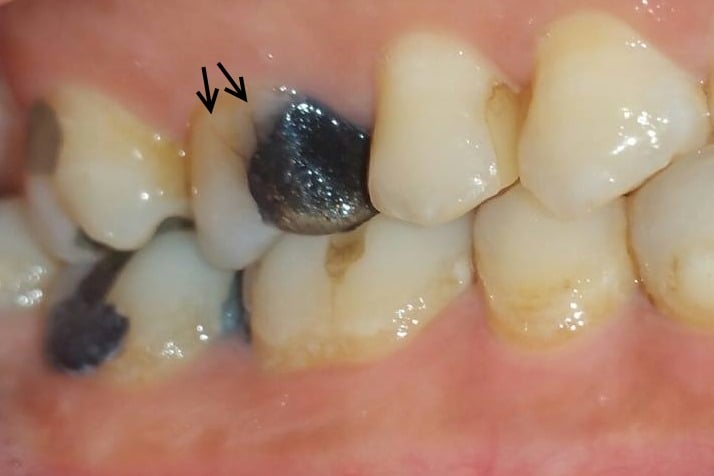
Recognizing symptoms that need immediate dental attention is key to protecting your oral health. Emergency endodontic care—often a root canal—may be required when infection, trauma, or extensive decay affect the tooth pulp and nearby tissues, producing painful signs.
Common signs include:
- Severe or Throbbing Tooth Pain: Intense pain that may feel like a pulsing sensation, often worsened by biting or pressure, indicates underlying issues that require urgent intervention.
- Lingering Sensitivity to Hot/Cold: Prolonged discomfort when exposed to temperature changes can signal that the nerves inside your tooth are affected.
- Pain When Biting: Difficulty or pain while chewing may suggest significant dental problems, necessitating immediate endodontic care.
Understanding these symptoms helps you decide when to contact an endodontist for urgent care.
This table highlights the key symptoms that may signal the need for emergency endodontic treatment and why quick action matters.
How Can I Get a Same Day Root Canal Appointment Near Me?
Getting a same-day root canal can stop pain fast and prevent further damage. Follow a few straightforward steps to improve your chances of same-day care.
- Identify a Specialist: Research local endodontists and their services. Look for those who specify emergency treatment availability.
- Contact Information: Prepare your information to streamline the process. For example, if you are located in Bloomingdale, IL, you can reach Anodyne Endodontics at 659-266-3963.
- Prepare for the Call: When reaching out, be ready to describe your symptoms clearly and ask about appointment availability.
Do these things and you’ll be more likely to secure a prompt appointment to treat your urgent dental issue.
Steps to Schedule Emergency Endodontic Care Quickly
When you have severe tooth pain, act fast. Use these steps to arrange emergency care with an endodontist.
- Identify Symptoms: Recognize the warning signs that indicate the need for immediate care.
- Contact an Endodontist: Call immediately, providing clear details about your symptoms.
- Prepare for Insurance Details: Have your insurance information ready, as this may expedite the scheduling process.
Following these actions helps you get timely treatment and relief from dental pain.
Who Is the Best Root Canal Dentist Near Me?
Choosing the best root canal dentist means checking a few essentials that affect your outcome: specialist training, modern equipment, and patient feedback. Ask about qualifications, the technology used, and read reviews from past patients. Finding a qualified practitioner matters for a smoother, less painful treatment. Anodyne Endodontics is known for offering expert endodontic care, helping ensure the best possible outcome.
How Does the Patient Referral Process Work for Endodontics Near Me?
Referrals to an endodontist usually start with your general dentist assessing your symptoms. They can contact the specialist, share X-rays and records, and pass along the referral details. Make sure your dentist includes all relevant documentation to speed up the process.
What Are the Pain Relief Options Available During Root Canal Treatment Near Me?

Many patients worry about pain during a root canal. There are effective options to keep you comfortable.
- Local Anesthetic: Administration of a local anesthetic will numb the affected area, providing comfort during treatment.
- Sedation Options: For anxious patients, sedation might be offered, allowing you to feel more relaxed throughout the procedure.
- Post-Treatment Pain Management: Your endodontist may recommend over-the-counter pain relievers or prescribed medications for effective pain management following your appointment.
Knowing these options—local anesthetic, possible sedation, and post-treatment medications—can reduce anxiety and make the visit more manageable.
Post-Treatment Pain Management and Recovery Tips
After a root canal, managing pain and recovery is key. Use the recommended medications and give your body time to heal.
- Pain Relief Strategies: Follow your endodontist’s guidelines regarding pain medication, which may include NSAIDs or prescribed medications.
- Recommended Recovery Practices: Rest following the procedure, and avoid strenuous activities to facilitate healing.
- Common Experiences Post-Treatment: It’s normal to experience some discomfort in the days following the procedure. If pain persists beyond the expected timeframe, contact your dentist.
These measures reduce discomfort and support a steady recovery. Contact your dentist if pain lasts longer than expected.
How Much Does Root Canal Therapy Near Me Cost and What Insurance Is Accepted?
The cost of root canal therapy varies by location, case complexity, and whether a specialist performs the work. Prices differ, so check with local practices and confirm what your insurance covers to understand your out-of-pocket costs.
For a precise quote, contact Anodyne Endodontics.
Understanding these factors lets you plan financially and get quality care when you need it.
Frequently Asked Questions
1. What should I expect during a root canal procedure?
Your endodontist will numb the area with a local anesthetic, then open the tooth to access the pulp chamber. They remove infected or damaged pulp, clean and shape the canals, and fill them with a sealing material. Often a crown is placed later to restore strength. The team will work to keep you comfortable and manage any anxiety.
2. How long does a root canal procedure usually take?
A typical root canal takes about one to two hours, depending on how complex the tooth is and how many canals it has. Severe infections or multiple roots may require additional visits. Your endodontist will give a time estimate based on your case. Prioritise thorough care over speed.
3. Can I eat or drink after a root canal treatment?
Wait until the local anesthetic wears off before eating or drinking to avoid biting your cheek or tongue. Once numbness fades, stick to soft foods and liquids for a day or two. Avoid hard, sticky, or crunchy foods until the tooth is fully restored.
4. What are the potential complications of a root canal?
Complications are uncommon but can include reinfection, damage to nearby tissues, or incomplete cleaning of the canals. Bacteria can remain if the canals aren’t fully cleaned. Follow post-treatment instructions and attend follow-ups so your endodontist can address any issues early.
5. Is a root canal painful?
With modern techniques and anesthesia, root canals are usually no more painful than a filling. The procedure is managed with effective anesthetic and, if needed, sedation. Mild soreness afterwards is normal and can be controlled with over-the-counter pain medicines. Discuss any concerns with your endodontist.
6. How do I find a qualified endodontist near me?
Ask your general dentist for referrals, search dental associations for certified specialists, and read patient reviews. Look for practitioners who belong to professional organisations and who keep up with current techniques and technology.
7. How can I improve my recovery after a root canal?
Follow your endodontist’s instructions, take prescribed medicines for pain and swelling, and rest as advised. Keep your mouth clean but be gentle around the treated tooth. Avoid strenuous activity for a few days and attend follow-ups to ensure proper healing.
Conclusion
Choosing a specialist for your root canal helps ease pain and protect your oral health. Recognise urgent signs and know how to book same-day care to improve outcomes. Look for local specialists who fit your needs. If you need immediate assistance, contact Anodyne Endodontics today for support and expertise.