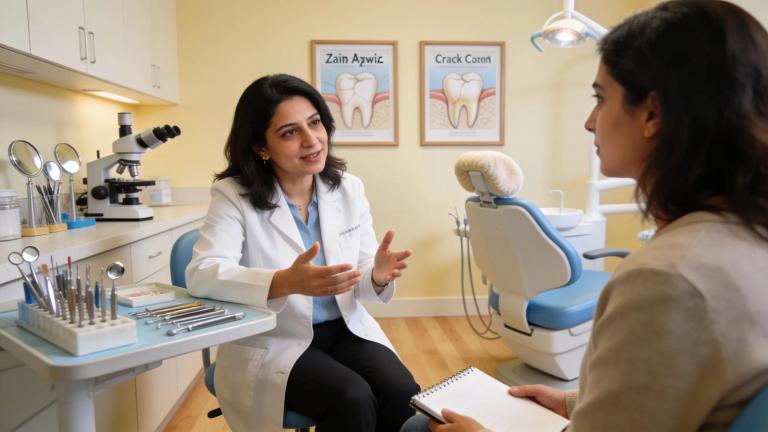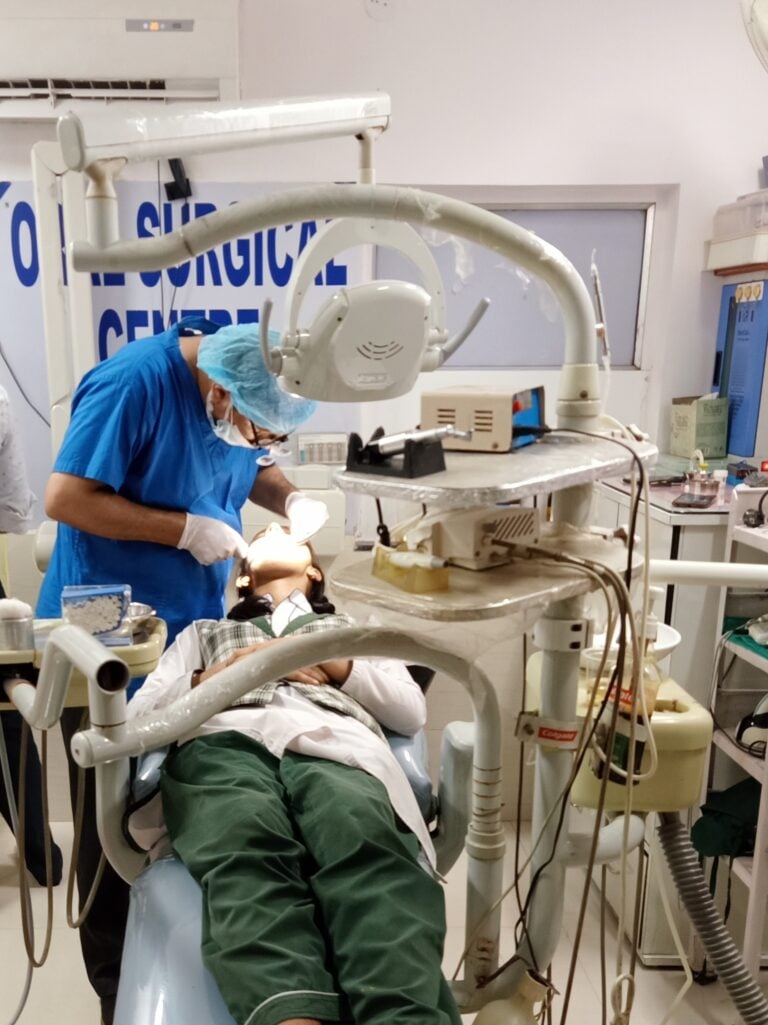
Endodontist Office Near Me: Find a Place to Get a Root Canal Near You with Same Day Appointments

Endodontist Office Near Me: Find a Place to Get a Root Canal Near You with Same Day Appointments
By Zainab Aziz, Anodyne Endodontics
Finding an endodontist for a root canal can feel overwhelming, especially in an emergency when you need care fast. Locating a reliable office nearby helps protect your oral health. This guide explains how to find a qualified root canal dentist, what to expect during treatment, and how to prepare for a same‑day appointment so you can reduce anxiety and get timely care. We cover emergency options, visit expectations, typical costs, and the referral process.
Key Takeaways
- Finding an endodontist office near you is essential for timely root canal treatment and emergency dental care.
- Same day root canal appointments begin with a phone assessment and can provide immediate pain relief and treatment.
- Root canal therapy involves anesthesia, pulp removal, canal cleaning, filling, and tooth restoration for infection elimination.
- Procedure duration varies from one to three hours depending on tooth complexity and individual patient needs.
- Root canal costs depend on tooth type, prior treatments, location, and insurance coverage.
- Many endodontist offices accept various dental insurance plans to help manage root canal therapy expenses.
- General dentists refer patients to endodontists by sharing diagnostic information and coordinating appointments for specialized care.
- Patients should bring identification and insurance details when scheduling root canal treatment through a referring dentist.
Where Can I Find an Emergency Root Canal Dentist Near Me?
Start by checking local search engines and dental directories that list nearby providers. When choosing, consider availability, the services offered, and patient reviews to make an informed choice.
Anodyne Endodontics offers accessible care for urgent cases. Their office at 290 Springfield Dr, Suite 220, Bloomingdale, IL 60108 is set up to accommodate patients who need prompt treatment.
How Do Same Day Root Canal Appointments Work?
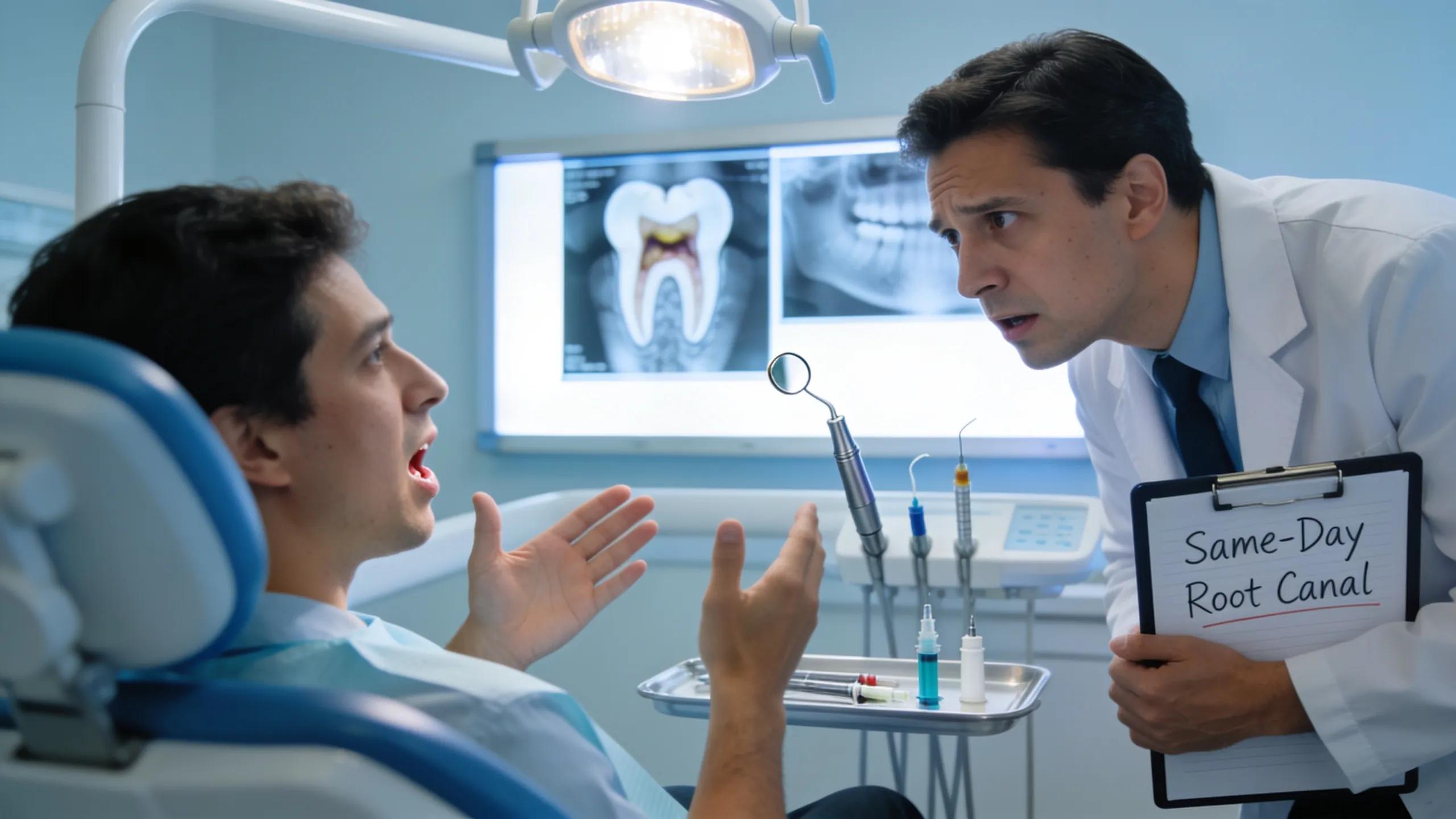
Same‑day root canal visits are arranged to address urgent problems quickly. The process typically starts with a phone call where staff collect your details and assess your condition. If it’s appropriate, you’ll be scheduled for a same‑day slot.
At the appointment, the endodontist will examine you and take any needed X‑rays to diagnose the issue. If treatment is indicated, it can often begin that same day to relieve pain and prevent further complications.
Which Locations Offer Emergency Root Canal Care?
Several practices, including Anodyne Endodontics, provide urgent root canal services. Look through local dental directories or ask for referrals to find nearby specialists, and check credentials and patient reviews to confirm quality care.
What Should I Expect During Root Canal Therapy at a Local Specialist?
Root canal therapy follows key steps to remove infection and restore the tooth. The endodontist will first numb the area with local anesthesia and use X‑rays to guide the procedure, then remove the infected pulp from inside the tooth.
After cleaning and disinfecting the canals, the dentist fills them with a rubber‑like material and seals the tooth to prevent reinfection. A crown or filling is often recommended to restore function and appearance.
What Are the Steps Involved in Root Canal Treatment?
The main steps in root canal treatment include the following procedures performed by the endodontist:
- Anesthesia: Administer local anesthesia for pain management.
- Isolation: Use a rubber dam to keep the area dry and free from saliva.
- Accessing the Tooth: Create an opening in the tooth to access the pulp chamber.
- Cleaning and Shaping: Remove infected or damaged pulp and clean the root canals.
- Filling the Canals: Fill the canals with gutta-percha to seal them.
- Sealing and Restoration: Place a filling or crown on the tooth to restore its structure.
Following these steps ensures the infection is treated and the tooth’s health is restored.
How Long Does a Root Canal Therapy Take Near Me?
Procedure time varies by case complexity, the tooth’s location, and patient needs. Most root canals take between one and three hours to complete.
Many patients return to normal activities after a short recovery, though some may feel mild discomfort for a few days. Follow your endodontist’s aftercare instructions to support healing and comfort.
How Much Does Root Canal Therapy Cost Near Me and What Are My Insurance Options?
Cost varies with tooth type and procedure complexity. Factors that affect price include which tooth requires treatment, any prior procedures, practice location, and your insurance coverage.
Anodyne Endodontics provides transparent pricing and works with multiple insurance providers to help manage costs. Reviewing your insurance benefits ahead of time helps you plan financially.
What Factors Affect Root Canal Therapy Pricing Locally?
Several factors influence root canal pricing, including:
- Tooth Type: The complexity of the tooth, such as molars versus incisors.
- Previous Treatments: History of infections or failed treatments may increase cost.
- Location of the Practice: Geographic location impacts operational costs and fees.
- Insurance Coverage: Availability of coverage through your insurance plan.
Considering these factors gives patients a clearer picture of likely costs and helps with planning.
Which Insurance Plans Are Accepted at Nearby Endodontist Offices?
Many endodontist offices, including Anodyne Endodontics, accept a range of dental insurance plans. Coverage varies by provider, so contact the office to confirm which plans they accept and to learn about any copayments or deductibles.
How Does the Patient Referral Process Work for Local Root Canal Specialists?

Knowing the referral process helps you access specialist care faster. Typically, a general dentist evaluates your condition and refers you to an endodontist when a root canal is needed, sharing X‑rays and relevant medical details.
After referral, the endodontist’s office usually contacts the patient to arrange an appointment and ensure all records are transferred, streamlining care and improving outcomes.
How Can General Dentists Refer Patients for Root Canal Treatment Nearby?
General dentists identify candidates for root canal therapy based on symptoms like severe pain or infection. They start the referral by assessing the patient, taking diagnostic images, and providing a referral letter that outlines the diagnosis and treatment history.
That proactive coordination helps patients get timely specialist care and improves their overall experience.
What Should Patients Know About Scheduling Through Referring Dentists?
When scheduling via a referring dentist, bring identification and insurance information. It’s best to book a pre‑scheduled appointment to secure an appropriate time based on urgency and availability. Use the scheduling call to ask any questions and address concerns about the procedure.
Frequently Asked Questions
What are the signs that I may need a root canal?
If you have severe tooth pain, prolonged sensitivity to hot or cold, tooth discoloration, or swelling around the gums, these can indicate you need a root canal. A recurring pimple on the gums or a visible tooth injury are also warning signs—see a dental professional promptly to prevent complications. Early treatment improves outcomes.
How can I manage pain or discomfort after a root canal procedure?
After the procedure, over‑the‑counter pain relievers like ibuprofen or acetaminophen often control discomfort; follow your endodontist’s recommendations. Stick to soft foods for a few days and follow any aftercare instructions. If pain worsens or doesn’t improve, contact your dental office.
Are there alternatives to root canal therapy?
Alternatives include tooth extraction followed by replacement options such as dental implants or bridges. Extraction can cause shifts in nearby teeth and other complications, so root canal therapy is often preferred to preserve the natural tooth while removing infection.
What is the success rate of root canal treatments?
Root canal treatments have a high success rate—generally about 85% to 97% according to dental studies. Individual outcomes vary with the tooth’s condition and following post‑treatment care; adhering to your endodontist’s guidance helps improve success.
How long can I expect my tooth to last after a root canal?
With good oral hygiene and regular dental check‑ups, a treated tooth can last a lifetime. Using a crown after treatment can further protect the tooth and extend its function.
Can I eat after getting a root canal?
Avoid eating until the numbness from anesthesia wears off to prevent biting your cheek or tongue. Once feeling returns, start with soft foods and avoid hard or sticky items until your endodontist clears you to resume normal eating.
Conclusion
Finding a trustworthy endodontist near you ensures prompt root canal care and relief from pain. This guide gives clear information on treatment, costs, and referrals so you can restore your oral health. Contact Anodyne Endodontics to schedule a same‑day appointment and prioritise a healthy, pain‑free smile.