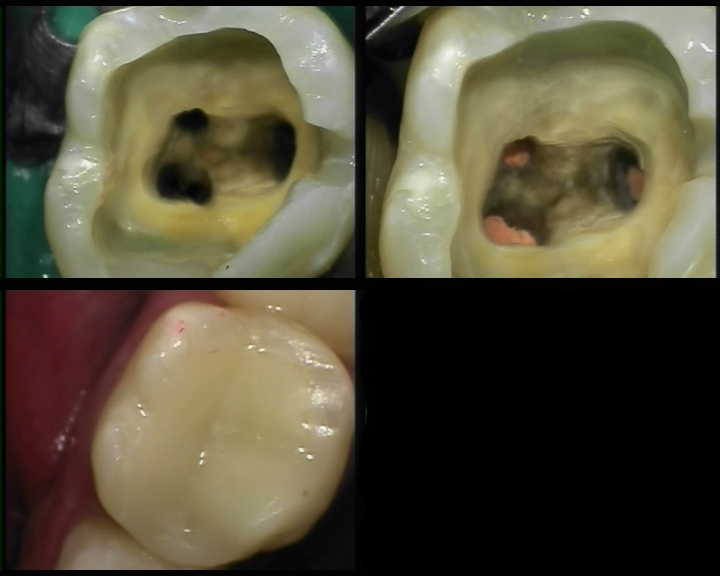
Cracked Tooth Repair in Bloomingdale, IL — Diagnosis and Treatment
Cracked Tooth Repair in Bloomingdale, IL: Expert Diagnosis and Treatment Options
By Zainab Aziz, Anodyne Endodontics
Cracked teeth are a significant concern for many individuals, which can lead to various discomforts and complications if not addressed promptly. Understanding the diagnosis and treatment options available can help patients make informed decisions and seek the necessary care early. This comprehensive guide aims to explore the various diagnostic techniques and effective treatment options for cracked tooth repair specifically tailored for residents of Bloomingdale, IL. Many individuals may experience sharp pain, sensitivity, or other discomforts from cracked teeth, making it essential to address these issues swiftly. This article will provide insights into diagnosing cracked teeth, effective treatment methods, and what patients can expect from care providers in the area.
Expert Diagnosis Techniques:
Effective diagnosis is critical in managing cracked tooth issues, as it informs the appropriate treatment pathway. Various diagnostic techniques ensure that endodontists can accurately assess the condition and provide the necessary intervention. The recognition of symptoms, advanced imaging technologies, and thorough clinical examinations form the foundation of diagnosing cracked teeth.
Symptoms Recognition
Recognizing symptoms is the first step toward diagnosing a cracked tooth. Key indicators to look for include:
- Sharp Pain When Biting: Patients often experience sudden discomfort while chewing, which can indicate a crack’s presence.
- Sensitivity to Temperature Changes: A cracked tooth may react unpredictably to hot or cold stimuli, causing discomfort.
- Difficult-to-Localize Discomfort: Patients might struggle to pinpoint the exact location of the pain, making it vital for dentists to conduct thorough assessments.
Advanced Imaging

Advanced imaging plays a crucial role in accurately diagnosing cracked teeth by providing detailed visuals of tooth structure. Techniques such as 3D Cone Beam Computed Tomography (CBCT) help in:
- Detailed Imaging: With enhanced resolution, dentists can observe intricate details of the tooth structure.
- Insights into Tooth Anatomy: Understanding the complex anatomy assists in pinpointing the exact location and severity of the crack.
- Benefits in Identifying Cracks: High-quality imaging contributes to better diagnostic accuracy, ensuring appropriate treatment can be planned.
Clinical Examination
A comprehensive clinical examination is essential for assessing the severity of a cracked tooth. Endodontists typically focus on:
- Assessing Crack Severity: Professional assessment determines the extent of the damage and severity of the crack.
- Visible Signs of Damage: Dentists will look for any visible fractures in the tooth structure during examination.
- Patient Symptom Evaluation: Open communication with patients regarding their symptoms is crucial for an accurate diagnosis.
Effective Treatment Options:
Upon diagnosing a cracked tooth, various treatment options become available depending on the severity of the crack and the patient’s specific needs. Among the most common methods are root canal therapy, direct cracked tooth repairs, and endodontic microsurgery, each tailored to address specific clinical situations.
Root Canal Therapy
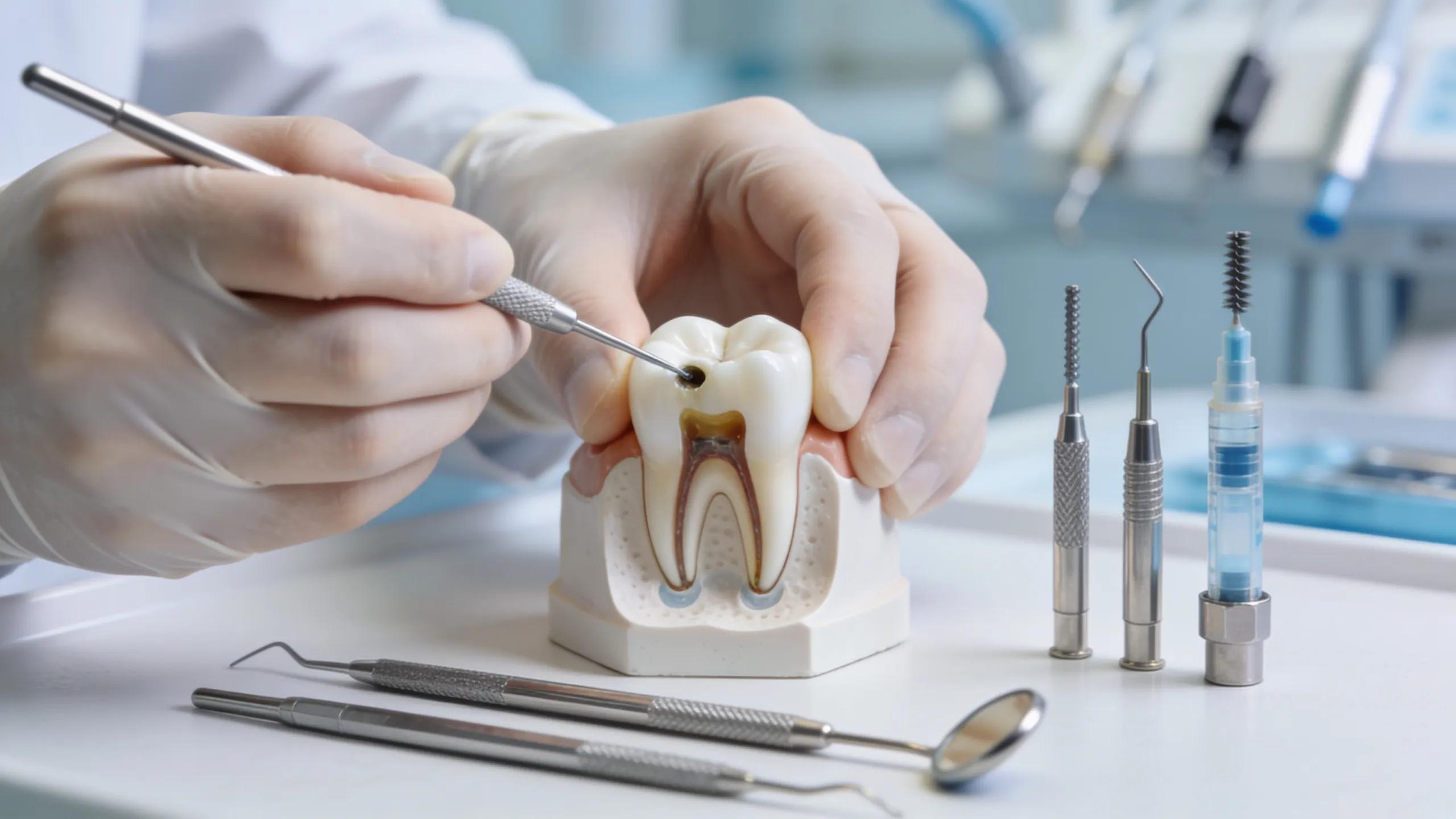
Root canal therapy is a fundamental treatment for cracked teeth that aims to save the tooth and relieve pain. This method involves:
- Accessing the Pulp: The dentist will remove the inflamed or infected pulp from within the tooth to prevent further complications.
- Cleaning and Sealing the Tooth: Thorough cleaning of the tooth’s interior ensures that it is free of bacteria before being sealed to protect against future infections.
- Expected Recovery Outcomes: After a root canal, many patients report relief from pain and improved function of the affected tooth.
Cracked Tooth Repair
Alternatively, for less severe cracks that do not compromise the pulp, dental professionals may perform direct repairs. Key aspects include:
- Use of Crowns for Protection: Crowns are often placed over the repaired tooth to provide structural support and prevent further damage.
- Material Options for Repairs: Various materials, such as composite resin or porcelain, can be utilized based on the specific needs and cosmetic considerations.
- Timely Intervention is Crucial: Addressing cracks promptly can lead to better outcomes and preserve the tooth’s health.
Endodontic Microsurgery
In more complex cases where traditional treatment isn’t sufficient, endodontic microsurgery may be indicated. This specialized approach includes:
- Apicoectomy Process: Involves removing the tip of the tooth root to eliminate any infection.
- Indications for Surgery: Often considered when previous root canal treatments fail or when cracks extend below the gum line.
- Benefits and Risks Involved: While this surgery can be effective, it carries risks typical of any surgical intervention, including infection or prolonged recovery.
Important Considerations for Patients:
When considering treatment for a cracked tooth, patients should be aware of several critical factors that can impact their care experience. Recognizing the importance of timely treatment and evaluating the need for specialist referrals can lead to better outcomes.
- Timeliness of Treatment: Delaying treatment can lead to worsening conditions, increasing the risk of tooth loss or more complex interventions.
- Importance of Specialist Evaluation: Consulting with endodontic specialists can provide broader treatment options and tailored care based on individual needs.
- Post-Treatment Care Importance: Following care instructions is vital for recovery, ensuring long-term health and comfort of the treated tooth.
What Are the Common Symptoms of a Cracked Tooth?
Cracked teeth often present a range of symptoms that can vary in intensity. The most common indicators include:
- Sharp Pain When Biting: Often feels like sudden discomfort during meals.
- Sensitivity to Temperature: Discomfort in response to hot or cold foods.
- Difficulty Locating Pain: Pain may not always be localized, making diagnosis challenging.
Understanding these symptoms aids in seeking prompt emergency dental care and alleviating potential health issues.
How Is a Cracked Tooth Diagnosed in Bloomingdale?
Diagnosing a cracked tooth in Bloomingdale involves a combination of techniques. Dentists typically utilize:
- Combination of Examination Methods: A thorough assessment including both visual inspections and patient interviews.
- Use of Specialized Imaging: Advanced imaging assists in revealing hidden fractures that may not be visible to the naked eye.
- Clinical Assessments Performed: Experienced practitioners evaluate both physical signs and patient history to confirm the diagnosis.
What Are Effective Treatment Options for a Cracked Tooth?
Options for managing cracked teeth vary based on the specific condition. They typically include:
- Root Canal Therapy: Vital for cracked teeth affecting the tooth pulp.
- Cracked Tooth Repair: Direct repairs provide a quick solution for minor cracks.
- Endodontic Microsurgery: Indicated for complex cases with deeper fractures.
This diversity in treatment options allows for tailored care based on individual patient needs, and seeking out root canal treatment can be a critical step.
How Does Root Canal Therapy Help in Crack Repair?
Root canal therapy is instrumental in addressing cracks that penetrate to the pulp. It benefits patients through:
- Pain Relief Processes: Resolving the underlying infection alleviates discomfort.
- Tooth Preservation Methods: By saving the tooth, patients maintain function and aesthetics.
- Long-Term Success Rates: High rates of successful outcomes make this treatment a reliable choice for cracked teeth.
When Are Dental Crowns or Bonding Recommended?
Dental crowns and bonding are often recommended based on the crack’s severity. Considerations include:
- Indications for Crowns: Severe cracks that weaken the tooth structure typically require crowns for protection.
- Advantages of Bonding: Bonding is a minimally invasive option, well-suited for minor or superficial cracks.
- Expected Outcomes: Both approaches aim to restore functionality and prevent further damage.
How to Access Emergency Cracked Tooth Treatment in Bloomingdale?
Accessing emergency care for cracked teeth requires a series of steps that patients should be aware of. Essential actions include:
- Contacting Anodyne Endodontics: Reach out as soon as symptoms are noted.
- Describing Symptoms for Prioritization: Providing detailed descriptions helps in triaging cases more effectively.
- Availability of Same-Day Care: Many practices, including Anodyne Endodontics, offer urgent appointments to address cracked teeth swiftly.
What to Expect During Same Day Emergency Appointments?
Understanding what occurs during emergency appointments can alleviate anxiety for patients. Typically, patients can expect:
- Initial Assessment Procedures: Dentists will conduct an immediate evaluation to identify the issue.
- Possible Treatment Options Offered: Depending on the diagnosis, treatments can be provided on the same day.
- Patient Experience Feedback: Many patients report feeling relieved after swift interventions, highlighting the importance of timely care.
How Does Anodyne Endodontics Streamline Emergency Care?
Anodyne Endodontics focuses on offering efficient emergency care through systematic approaches, which include:
- Urgency Prioritization: Ensuring patients with urgent needs are seen quickly.
- Specialization in Cracked Tooth Care: Trained professionals equipped to handle complex emergencies.
- Coordination with General Dentists: Maintaining open communication ensures seamless transitions of care when necessary.
What Is the Patient Referral Process for Cracked Tooth Care?
Understanding the referral process can aid both patients and general dentists in managing cracked tooth cases effectively. Key elements include:
- Criteria for Referring Patients: General practitioners can refer cases based on observation of symptoms and diagnosis accuracy.
- Effective Communication Methods: Clear communication between general dentists and specialists enhances care continuity.
- Collaborative Care Coordination: Working as a team ensures that all aspects of the patient’s dental health are addressed promptly.
How Can General Dentists Refer Patients Efficiently?
General dentists can streamline patient referrals through several practices, including:
- Using Electronic Health Records: These systems facilitate quick sharing of patient information, reducing delays.
- Maintaining Patient Information: Accurate and up-to-date records help ensure providers have access to necessary details.
- Communicating Treatment Expectations: Transparency about what patients can expect helps manage their experience smoothly.
Why Choose Anodyne Endodontics for Specialist Referrals?
Choosing Anodyne Endodontics provides numerous benefits for patients needing specialized care. Some key advantages include:
- Expertise in Endodontics: Focused training enables practitioners to address complex cases with proficiency.
- Advanced Diagnostic Technology: Utilization of cutting-edge tools ensures accurate diagnoses and tailored treatments.
- Patient-Focused Approach: Emphasis on patient comfort and education contributes to enhanced overall care experiences.
How to Ensure Effective Post-Treatment Care for Cracked Tooth Repair?
Post-treatment care plays a vital role in recovery following cracked tooth repair. Essential recommendations include:
- Importance of Adherence to Aftercare: Following the dentist’s instructions ensures optimal recovery and minimizes complications.
- Monitoring Recovery Progress: Keeping track of any changes or setbacks can prompt earlier intervention if needed.
- Regular Check-ups and Evaluations: Scheduled follow-ups help confirm that the healing process is proceeding smoothly, as expected.
Different techniques for cracked tooth repair highlight the importance of prompt attention and accurate diagnosis. For residents in Bloomingdale, obtaining care from specialists like Anodyne Endodontics can ensure comprehensive treatment solutions. Patients experiencing any symptoms of a cracked tooth should seek advice and care without delay, especially for cosmetic dentistry needs that may arise.