Comprehensive Senior Dental Care: Expert Root Canal Therapy, Emergency Services, and Dentist Referrals
Comprehensive Senior Dental Care: Expert Root Canal Therapy, Emergency Services, and Dentist Referrals
By Zainab Aziz, Anodyne Endodontics
Oral health grows more important with age, and seniors face distinct challenges. Comprehensive senior dental care covers services such as root canal therapy and urgent dental appointments tailored for older adults. This article explains those services so families and caregivers can navigate senior oral-health needs. Knowing these issues helps ensure a smoother dental experience. You’ll find sections on expert root canal therapy, emergency care, dentist referrals, and common senior oral-health concerns.
Key Takeaways
- Comprehensive senior dental care addresses unique oral health challenges faced by elderly patients through specialized services.
- Expert root canal therapy for seniors preserves natural teeth, improving nutrition and overall quality of life.
- Aging affects dental anatomy and healing, requiring tailored root canal procedures for elderly patients.
- Emergency dental services provide timely care to seniors, preventing complications and reducing pain.
- Effective dentist referrals ensure seniors receive specialized treatments promptly and improve interdisciplinary care coordination.
- Common senior oral health issues include dry mouth, decay, gum disease, and cognitive challenges affecting hygiene.
- Affordable dental care options and insurance coverage help seniors access necessary treatments and manage costs.
- Post-treatment oral hygiene and regular dental visits are essential for maintaining senior dental health and preventing future problems.
- Collaboration among healthcare providers enhances comprehensive dental care tailored to seniors’ medical and dental needs.
Expert Root Canal Therapy:
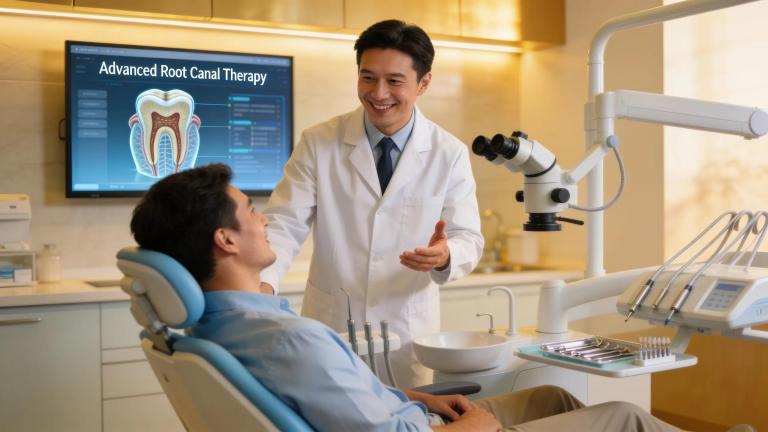
Root canal therapy removes infected or damaged pulp to relieve pain and prevent complications. For seniors, this targeted treatment helps preserve natural teeth—a key factor in maintaining oral health and function.
How Does Aging Affect Dental Health and Root Canal Needs?
Aging changes tooth anatomy and raises infection risk, which can make root canals more complex and recovery slower. Concurrent health issues can further affect healing, so treatments must be tailored.
What Makes Root Canal Procedures Different for Seniors?
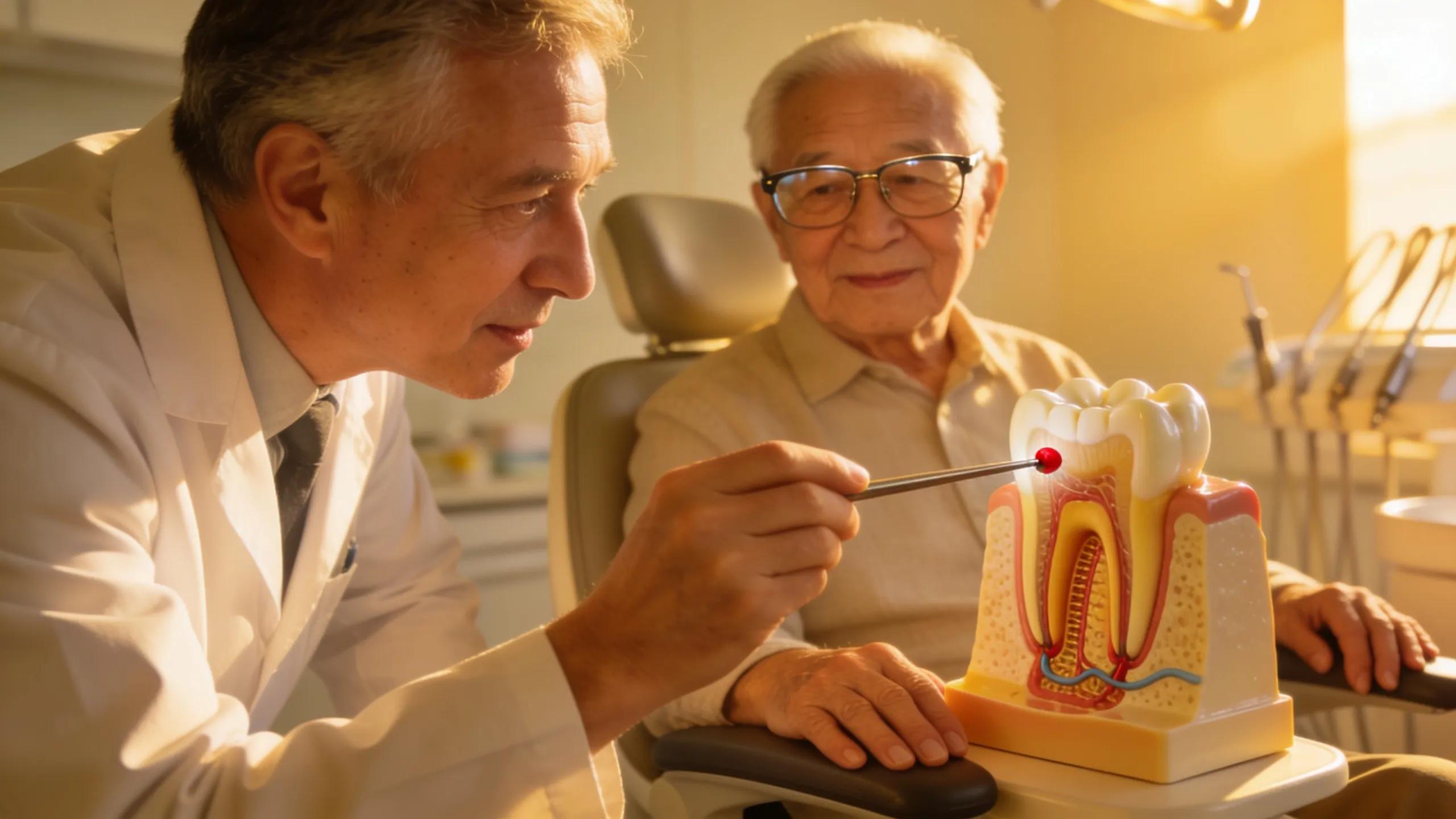
Senior root canals often require adjustments for lower bone density and existing health conditions. That can mean careful anesthesia choices and customized plans. Keeping natural teeth supports nutrition and quality of life, not just appearance.
Emergency Dental Services:
Emergency dental care is vital for seniors. Quick treatment eases pain and prevents complications. Seniors should know when and how to seek urgent care.
Obtaining Dentist Referrals:
Timely referrals to specialists are crucial. General dentists should recognize when advanced treatment is needed and ensure clear handoffs so seniors get prompt specialist care.
What Are the Key Oral Health Challenges Facing Senior Dental Patients?
Seniors face higher rates of decay, gum disease and structural tooth changes. Mobility limitations and lack of awareness can stop them from getting needed care, so prevention and tailored strategies matter.
How Does Aging Affect Dental Health and Root Canal Needs?
Medications often cause dry mouth, which raises decay risk. Cognitive decline can also make regular oral care harder, increasing complications.
How Is Senior Root Canal Therapy Tailored for Elderly Patients?
Tailored root canal care starts with a full dental and medical history to address anatomical changes and coexisting conditions.
What Are the Benefits of Preserving Natural Teeth in Elderly Care?
Keeping natural teeth supports nutrition and can boost social interaction and self-esteem, helping seniors stay active in their communities.
How Do Emergency Dental Appointments Support Senior Patients?
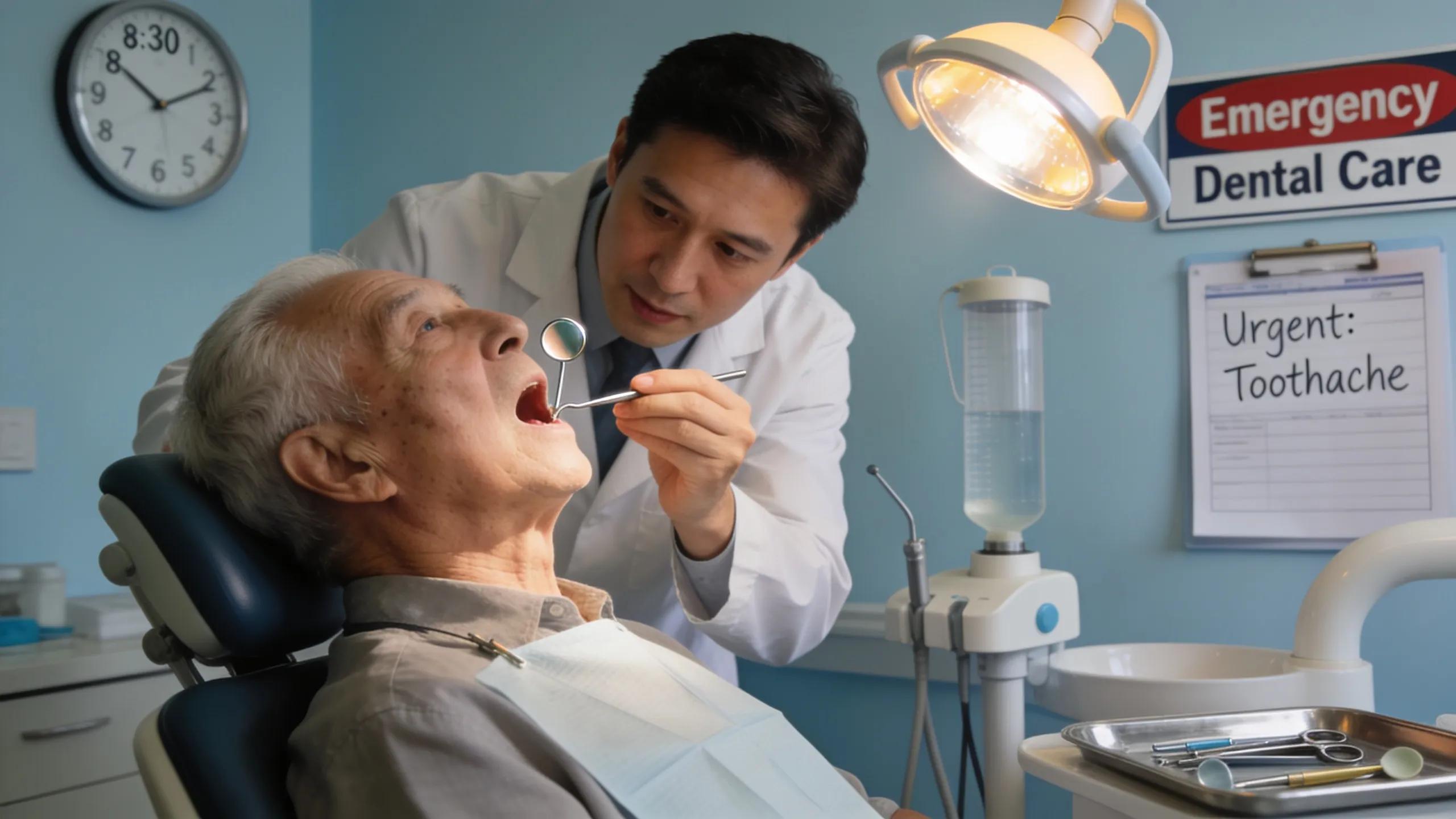
Emergency visits address urgent problems fast, reducing pain and preventing infections. Seniors should seek prompt care for severe pain or dental trauma.
What is the Process for Scheduling Same Day Emergency Care at Anodyne Endodontics?
At Anodyne Endodontics, seniors will find a streamlined booking process for emergency visits. Call ahead to secure timely attention from specialized dental professionals.
How Does Emergency Intervention Prevent Complications in Elderly Dental Care?
Timely emergency treatment can prevent worsening problems and reduce the chance of needing more invasive procedures. Quick care generally leads to better outcomes.
What Should Referring Dentists Know About Senior Endodontic Care?
General dentists should understand seniors’ specific needs and barriers so they can refer appropriately to endodontists and other specialists.
How Can General Dentists Effectively Refer Senior Patients for Root Canal Therapy?
Building a trusted specialist network and keeping an up-to-date directory helps general dentists make smooth, efficient referrals for senior patients.
What Are Best Practices for Interdisciplinary Collaboration in Geriatric Dentistry?
Collaboration across healthcare providers—sharing medical histories, treatment plans and follow-up—improves care for senior patients.
Which Affordable Senior Dental Care Options and Insurance Coverages Are Available?
Affordable care matters. Seniors face financial barriers that affect treatment access. Knowing coverage options helps them find appropriate resources.
What Types of Insurance Plans Commonly Cover Senior Dental Treatments?
Many insurance plans cover essential services like check-ups, restorations and some specialized treatments. Seniors should review benefits to maximize support.
How Can Seniors Access Cost-Effective Endodontic Services?
Seniors can explore sliding-scale fees, community programs, or state-sponsored insurance plans that serve older adults.
How Can Seniors Manage Oral Health Post-Treatment and Prevent Future Issues?
After treatment, consistent oral hygiene and regular dental check-ups help prevent complications and maintain dental health.
What Are Essential Tips for Maintaining Senior Oral Hygiene and Root Canal Care?
- Daily Brushing: Seniors are encouraged to maintain a consistent brushing routine using fluoride toothpaste to prevent decay.
- Regular Flossing: Flossing daily helps remove plaque and debris between teeth, minimizing the risk of gum disease.
- Routine Dental Visits: Regular check-ups allow dentists to monitor oral health and intervene before problems escalate.
How Does Regular Monitoring Improve Long-Term Dental Outcomes for Seniors?
Routine monitoring allows providers to catch problems early, reducing the need for invasive care and improving long-term outcomes.
The table outlines common costs and coverage considerations. Understanding these details helps seniors make informed treatment choices and access needed care.
Frequently Asked Questions
What are some common preventative measures seniors can take to maintain their dental health?
Adopt a simple routine: brush daily with fluoride toothpaste, floss, and use mouthwash as advised. Stay hydrated to combat dry mouth from medications, and aim for at least two dental visits a year. Tell your dentist about medications and health changes so care can be tailored.
How can caregivers support seniors in managing their dental care?
Caregivers can help by assisting with brushing and flossing, booking appointments, and monitoring medications that affect oral health. Encouraging a balanced diet and gentle reminders supports better dental outcomes.
Are there specific dental products recommended for seniors?
Seniors may benefit from soft-bristle brushes, fluoride toothpaste, interdental brushes or flossers, and moisturizing mouthwashes for dry mouth. Consult a dentist for personalized product recommendations.
What role does nutrition play in senior dental health?
A balanced diet with calcium, vitamins C and D, and fiber supports strong teeth and gums. Limit sugary snacks and drinks, choose crunchy fruits and vegetables, and stay hydrated to reduce dry mouth.
What are the signs that a senior may need to see a dentist urgently?
Seek urgent care for severe tooth pain, swelling of the gums or face, a broken or loose tooth, persistent bad breath, trouble chewing or swallowing, or sudden changes in the mouth. Prompt treatment prevents complications.
How can seniors prepare for a dental visit?
Bring a list of medications, allergies and medical history. Note your dental concerns beforehand and consider bringing a companion for support and help understanding treatment options.
Is sedation dentistry an option for seniors who are anxious about dental procedures?
Sedation dentistry can help anxious seniors. Options range from mild sedation like nitrous oxide to deeper sedation administered by a qualified anesthetist. Discuss options with your dentist to choose a safe approach.
Conclusion
Prioritizing comprehensive dental care for seniors improves oral health and quality of life. Treatments like root canals and emergency care preserve natural teeth and prevent pain. By supporting proactive dental steps, we help seniors stay healthier and more connected. Explore resources at Anodyne Endodontics to ensure your loved ones get attentive care.