Dental Community Engagement: Building Referral Networks, Continuing Education, and Community Health Impact
Dental Community Engagement: Building Referral Networks, Continuing Education, and Community Health Impact
By Zainab Aziz, Anodyne Endodontics
Collaboration, education and public health shape the dental community. Active engagement builds networks that improve care for both professionals and patients. This piece covers referral networks, continuing education and community oral health strategies, and explains how they drive better practice performance and patient outcomes.
Key Takeaways
- Dental referral networks improve patient care by streamlining communication among dentists, specialists, and patients.
- Effective referral processes reduce treatment delays and enhance patient trust and satisfaction.
- Continuing education keeps dental professionals updated on advancements, improving clinical skills and patient outcomes.
- Ongoing education enhances referral accuracy and ensures smooth transitions between dental providers.
- Community health initiatives by dental practices increase public awareness and foster patient engagement.
- Participating in online dental forums promotes collaboration, knowledge sharing, and mentorship among professionals.
- Online platforms facilitate rapid coordination of emergency dental care for timely patient treatment.
- Emergency same-day dental appointments provide immediate access to urgent care, improving community health outcomes.
- Successful emergency endodontic referrals demonstrate the importance of collaborative care in managing severe dental issues.
How Does a Dental Referral Network Enhance Community Care?
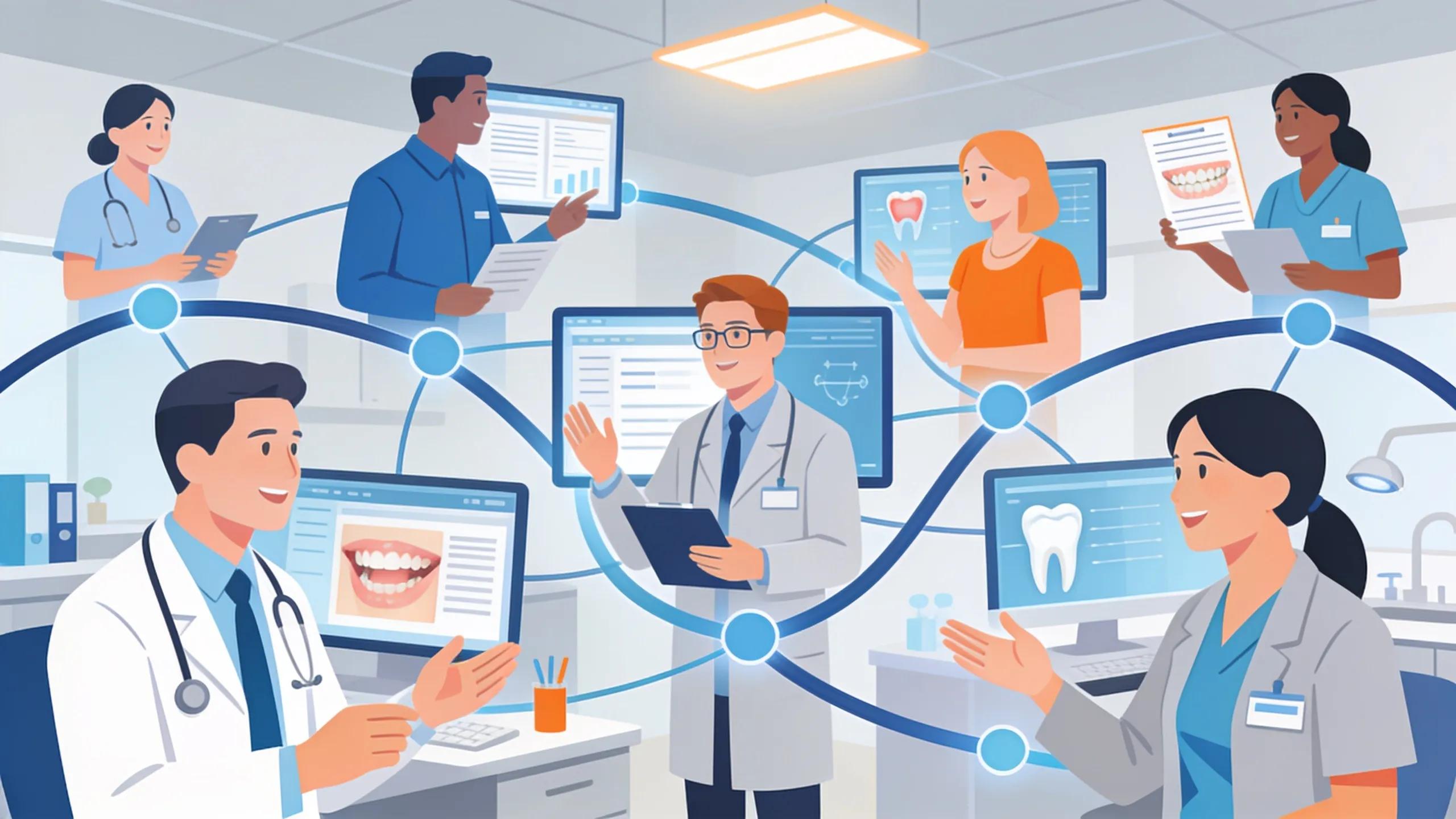
A dental referral network connects general dentists, specialists and patients to create a smoother care pathway. Streamlined referrals boost communication, enable timely interventions and increase patient satisfaction. These networks support collaborative treatment planning so patients receive comprehensive care tailored to their needs.
What Are the Steps to Refer a Patient Within the Dental Network?
Referring a patient follows three clear steps: identify the right specialist, explain the referral and its purpose to the patient, then follow up to confirm the specialist received the information and the patient understands next steps. This structure prevents delays and builds trust in the care plan.
Why Is Streamlined Referral Process Vital for Patient Outcomes?
A streamlined referral process improves outcomes by cutting wait times—crucial for urgent cases—and by maintaining continuity between providers. Clear handoffs reduce misunderstandings about treatment plans, which increases patient adherence and satisfaction.
What Role Do Dentist Continuing Education Courses Play in Strengthening the Dental Community?

Continuing education keeps dentists current on techniques and technology. Courses strengthen clinical skills, benefit patient care and create opportunities to expand professional networks through peer interaction.
Which Continuing Education Opportunities Are Available for Dental Professionals?
Dental professionals can choose webinars, hands-on workshops and formal courses covering advanced endodontics, surgical techniques and specializations like orthodontics or cosmetic dentistry. These programs support individual development and raise the collective expertise within the dental community.
How Does Ongoing Education Improve Referral Practices and Patient Care?
Ongoing education helps clinicians recognize when referrals are needed and provide clear, complete information to specialists and patients. That smoother handoff improves coordination and outcomes as practitioners adopt updated best practices.
How Can Dental Practice Growth Strategies Support Community Oral Health Initiatives?
Growth strategies reinforce a practice’s role in the community and support public health goals. Community initiatives raise awareness of prevention and oral hygiene, boost reputation and encourage patient engagement through direct outreach.
What Are Effective Growth Tactics for Dental Practices Within Local Communities?
Effective tactics include partnering with local health providers, hosting community health events and offering educational workshops. Free check-ups or hygiene sessions elevate local standards and attract patients who value preventive care.
How Do Community Oral Health Programs Bolster Practice Reputation and Patient Engagement?
Community programs demonstrate a practice’s commitment to local wellbeing, building trust and drawing patients. Active involvement increases engagement because patients are likelier to choose practitioners who prioritise education and prevention.
Why Join Online Dental Professional Forums to Foster Community Collaboration?
Online forums let dental professionals share knowledge, troubleshoot cases and stay current on industry developments and new techniques. They serve as practical hubs for mentorship, peer support and resource sharing.
What Are the Benefits of Participating in Dental Forums and Networks?
Forums enable knowledge exchange, mentorship and broader access to resources. Discussing real cases allows experienced clinicians to guide newer practitioners, which improves care across practices.
How Do Online Platforms Support Emergency Dental Care Coordination?
Online platforms speed emergency coordination by enabling rapid provider-to-provider communication and secure sharing of patient details, helping patients receive urgent treatment without unnecessary delay.
What Are the Key Features of Emergency Same Day Dental Appointment Services in Community Care?
Same-day emergency services let practices respond quickly to urgent needs, reducing complications and improving community health by providing timely access to necessary treatment.
How Can Patients Access Urgent Dental Care Efficiently Through the Community Network?
Patients access urgent care via established referral networks, online booking or direct contact with local providers. Clear scheduling processes and emergency resources make care faster and more reliable.
What Case Studies Demonstrate Success in Emergency Endodontic Referrals?
Case studies show that prompt endodontic referrals, paired with complete patient information, often lead to successful treatment and high patient satisfaction. These examples underline the value of coordinated referrals for severe dental issues.
Frequently Asked Questions
How can I become a part of a dental referral network?
Connect with local practices and specialists via events or online forums and build professional relationships. Ensure your practice meets referral criteria—such as clinical standards and ongoing education—and contact existing networks to learn membership steps.
What impact do community health initiatives have on overall dental practice growth?
Community health initiatives increase visibility and trust, attracting patients and generating word-of-mouth referrals. Education and preventive programs strengthen local relationships and support sustained practice growth.
What are the challenges dental practices face when implementing community health programs?
Common challenges include limited resources, time away from daily operations and funding constraints. Measuring program impact can be difficult without proper data collection and analysis tools.
How can dentists effectively communicate with patients about referrals?
Explain why the referral is needed, what to expect and any next steps. Use visual aids or handouts and follow up to confirm understanding—this clarity builds trust and improves adherence.
What tools and technologies can aid in the coordination of emergency dental care?
Online booking, patient management systems and telehealth platforms help coordinate emergency care by speeding appointment setting and provider communication while centralising patient information.
How can ongoing training and education improve patient safety in dental practices?
Regular training keeps teams current on safety protocols, emergency response and infection control. Workshops and courses reduce complications and help staff apply evolving standards for safer care.
What role do patient feedback and reviews play in improving dental practices?
Patient feedback reveals strengths and improvement areas, from service delivery to treatment outcomes. Positive reviews build credibility, while constructive feedback guides changes that enhance patient loyalty and satisfaction.
Conclusion
Active engagement in the dental community strengthens patient care, professional collaboration and public health. Prioritising referral networks, continuing education and community initiatives elevates patient experiences and outcomes. Explore how to implement these strategies in your practice to help build a healthier community.