
Tooth Resorption in Bloomingdale, IL | Anodyne Endodontics
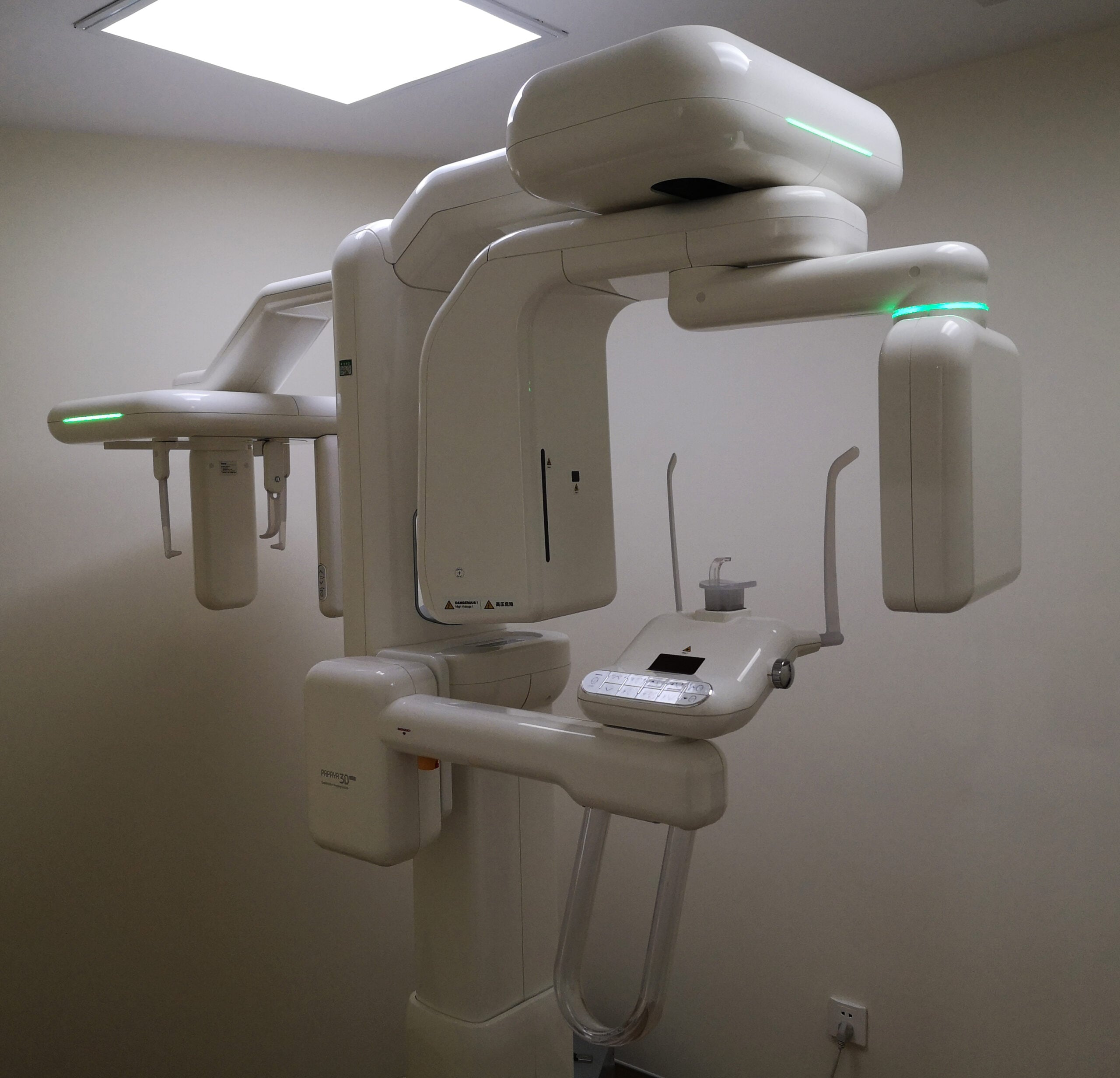
Tooth resorption is a condition in which the body gradually breaks down and absorbs the hard tissue of a tooth—the dentin, cementum, or even the root—often without obvious early symptoms. At Anodyne Endodontics in Bloomingdale, Illinois, Dr. Zainab Aziz diagnoses and treats resorption for patients across DuPage County using ultra-low-dose 3D imaging that reveals damage a standard X-ray can miss. Catching it early is the best way to protect and preserve your natural tooth.
What is tooth resorption?
Tooth resorption happens when specialized cells dissolve the mineralized structure of a tooth from the inside or outside. It can affect the crown or the root and may progress silently for months. Because the tooth essentially erodes from within, early diagnosis with 3D imaging is critical to saving it.
What causes it?
Resorption is often linked to dental trauma, previous orthodontic movement, chronic inflammation, or infection—though sometimes the trigger is never identified. A blow to the tooth, pressure from nearby teeth, or persistent pulp inflammation can all set the process in motion. This is one reason prompt evaluation after a dental injury matters; you can read our guide to dental trauma first aid.
Internal vs. external resorption: what’s the difference?
Internal resorption begins inside the tooth, within the pulp chamber or canal, and is frequently tied to inflammation of the pulp. External resorption starts on the outer surface of the root and is more often associated with trauma or pressure. The distinction guides treatment, and 3D CBCT imaging is what lets us tell them apart with confidence.
How is tooth resorption diagnosed and treated?
Diagnosis relies on careful examination and ultra-low-dose 3D CBCT imaging, which maps the exact location and extent of the defect in three dimensions. When the tooth is salvageable, treatment may involve root canal therapy to remove the affected pulp tissue and seal the area with a biocompatible material, sometimes combined with minimally invasive microsurgery to repair an external defect. Our goal is always to preserve the natural tooth when it is realistic to do so.
Can a resorbing tooth be saved?
Often, yes—especially when resorption is found early and has not severely undermined the tooth’s structure. The earlier we intervene, the more options we have to preserve the tooth. In advanced cases the damage may be too extensive, and we will discuss the honest pros and cons of treatment versus replacement so you can make an informed choice. For context, see our comparison of root canal versus tooth extraction.
Common Questions About Tooth Resorption
Does tooth resorption hurt?
Often it causes no pain in the early stages, which is why it is frequently discovered during a routine exam or imaging. As it advances, you may notice sensitivity, a pinkish tint to the tooth, swelling, or looseness. Any of these warrants prompt evaluation.
How is resorption different from a cavity?
A cavity is decay caused by bacteria breaking down the tooth from the outside surface. Resorption is the body’s own cells dissolving tooth structure, often from within or along the root. They look and behave differently and require different diagnostic tools and treatment.
Why do I need 3D imaging to diagnose it?
Resorption can hide behind other structures on a flat, two-dimensional X-ray. A 3D CBCT scan shows the tooth from every angle at an ultra-low radiation dose, revealing the true location and size of the defect so treatment can be planned precisely.
Schedule a Consultation in Bloomingdale, IL
If you have been told you may have tooth resorption, or you have unexplained tooth sensitivity or discoloration, early diagnosis gives your tooth the best chance. Anodyne Endodontics serves Bloomingdale and all of DuPage County with calm, precise, preservation-focused care. Call (659) 266-3963 (659-266-3963) or visit our contact page to book an evaluation.