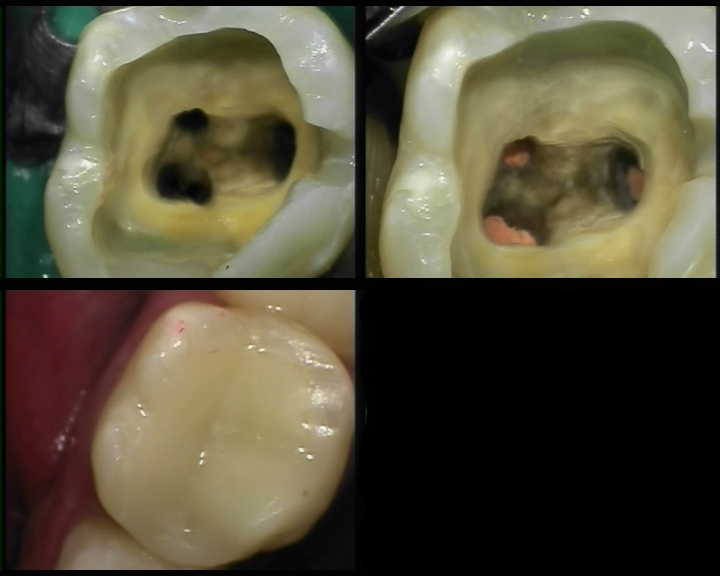
Comprehensive Guide to Health Dental Clinic Services: Root Canal Therapy, Emergency Care, and Preventative Treatments
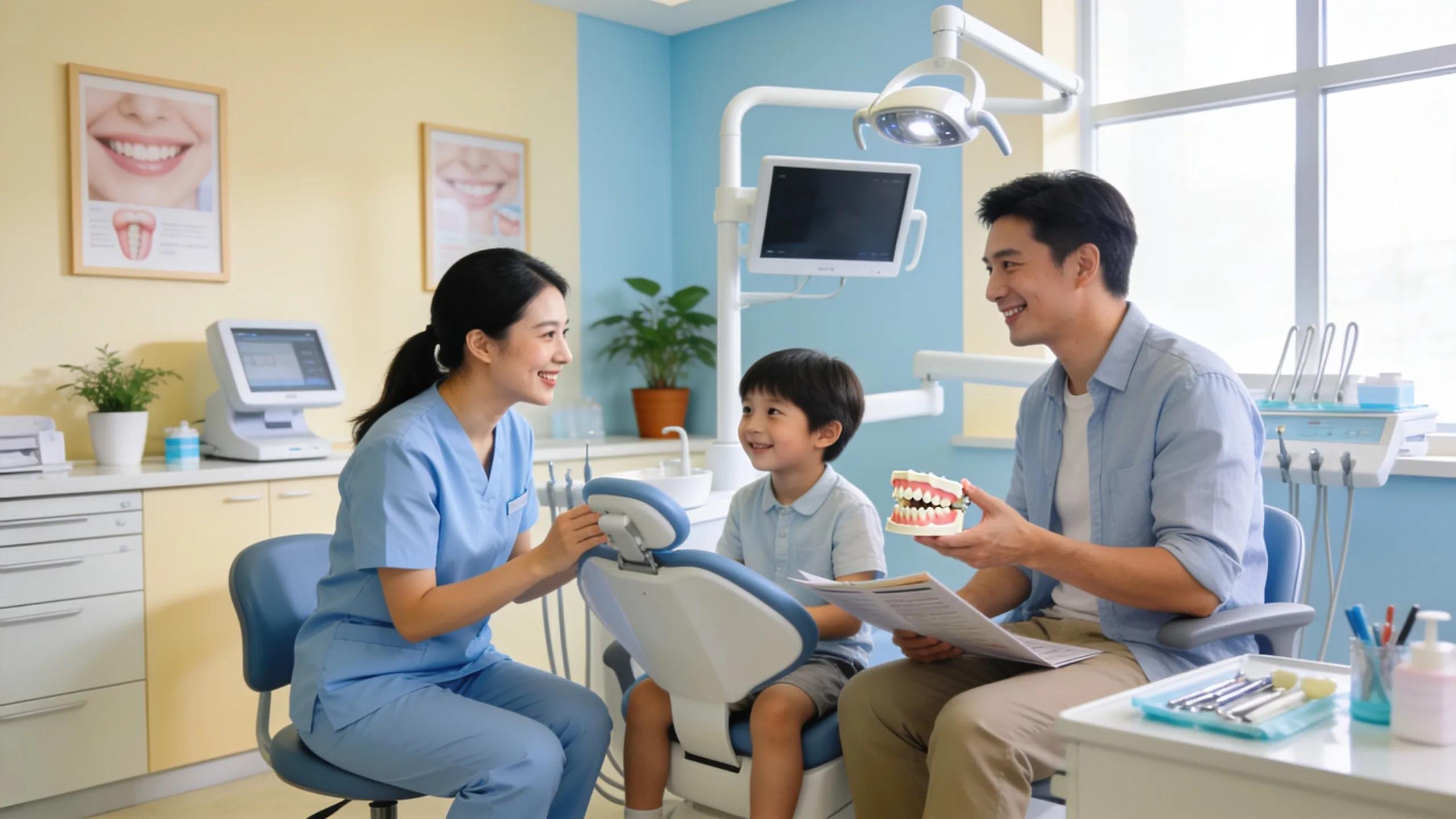
Comprehensive Guide to Health Dental Clinic Services: Root Canal Therapy, Emergency Care, and Preventative Treatments
By Zainab Aziz, Anodyne Endodontics
Dental care can feel complex. Clinics like Anodyne Endodontics focus on endodontic treatments—root canals and emergency care—alongside preventative services. This article explains those offerings, answers common questions, and outlines benefits. Knowing the treatment options, from emergency access to paediatric care and prevention, helps patients make clear choices about their oral health.
Key Takeaways
- Root canal therapy effectively treats infected tooth pulp, relieving pain and preserving natural teeth functionality.
- Emergency dental services provide same-day appointments for severe pain, infections, and dental trauma cases.
- Health dental clinics offer streamlined referral resources and timely communication for general dentists.
- Pediatric endodontic care uses gentler techniques and sedation tailored to children’s developmental needs.
- Preventative treatments like regular check-ups and fluoride applications reduce the risk of root canal procedures.
- Holistic dental care integrates natural remedies and lifestyle factors to complement traditional endodontic treatments.
- Patient testimonials highlight comfort, effective pain relief, and prompt emergency dental services.
- Referring dentists value efficient referral processes and clear communication with health dental clinics.
What is Root Canal Therapy and How Does It Benefit Patients?
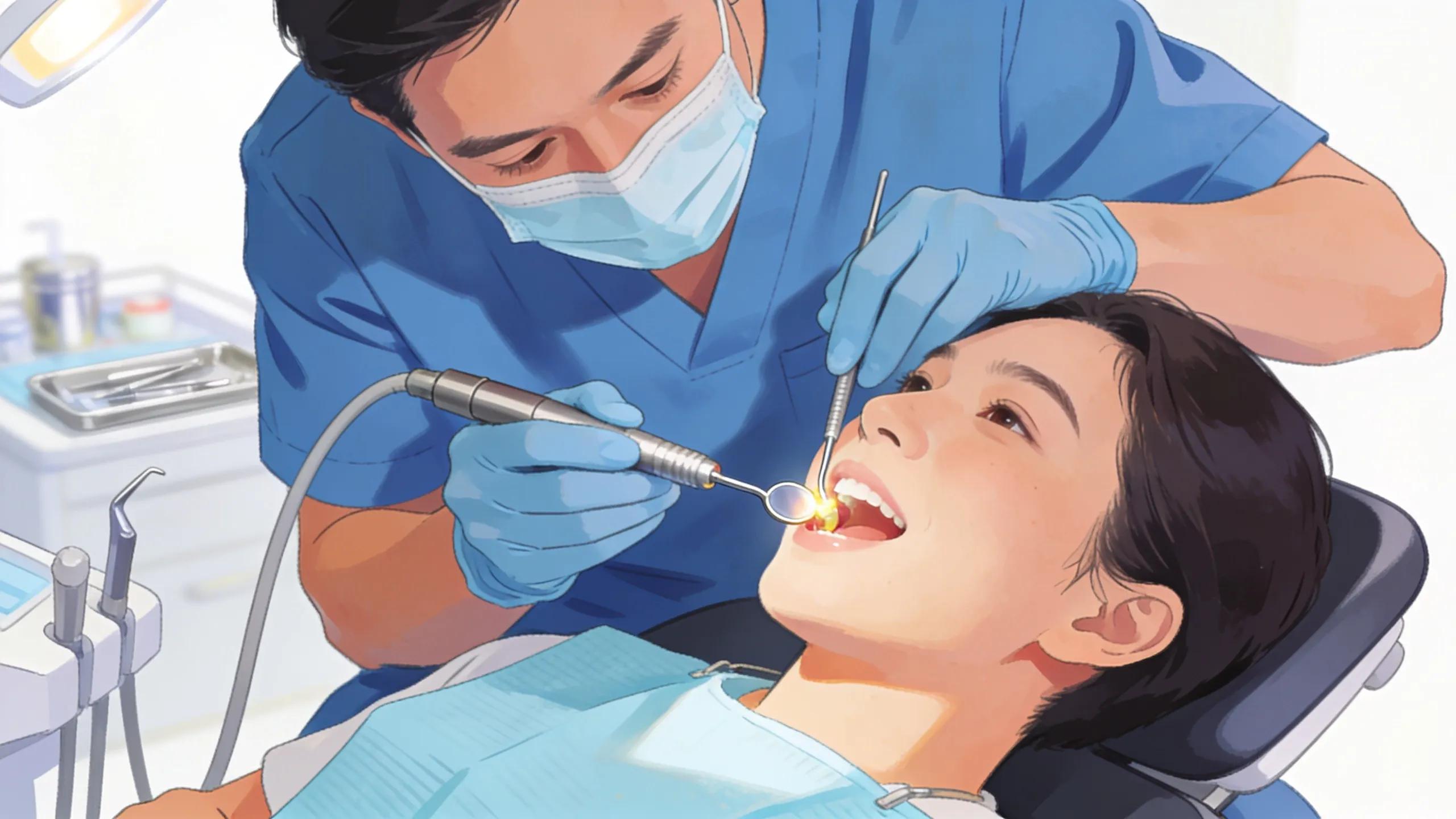
Root canal therapy saves teeth damaged by decay or infection by removing the infected pulp and restoring the tooth. The treatment eases pain, prevents further complications, and keeps your natural tooth working properly. Most patients report noticeable pain relief and better function after the procedure.
What are the stages of root canal treatment?
Root canal treatment follows clear steps to treat the affected tooth thoroughly:
- Preparation Stage: The dentist administers local anesthesia and may take X-rays to assess the tooth’s structure and infection extent.
- Treatment Stage: The infected pulp is removed, and the inside of the tooth is cleaned and shaped.
- Follow-Up Care: After filling the tooth, patients receive instructions for post-treatment care, emphasizing hygiene and monitoring for any signs of complications.
These steps create a structured process that aims to secure the best outcome for the tooth.
Which symptoms indicate the need for root canal therapy?
Spotting the right symptoms lets you get treatment sooner. Common signs include persistent tooth pain, lingering sensitivity to hot or cold, and swelling near the tooth. If you notice these, seek evaluation to avoid worsening problems.
How Can Patients Access Emergency Same Day Dental Appointments?

Emergency dental access is essential for sudden problems. Many clinics offer same-day appointments to manage acute pain, infections, and trauma quickly, helping limit damage and protect oral health.
What qualifies as a dental emergency requiring same day care?
Dental emergencies come in different forms. Typical urgent issues are severe, unmanageable pain; signs of infection like swelling, fever, or pus; and trauma that fractures or displaces teeth. These situations usually need immediate attention.
How do emergency dental services integrate with health dental clinics?
Emergency services are woven into clinic workflows so care is coordinated. Clinics use clear protocols to prioritise urgent cases and move patients into appropriate treatment paths without delay.
How do emergency dental services integrate with health dental clinics?
Integration relies on established practices that support continuity of care:
- Collaboration Between Clinics: Establishing communication between specialists ensures a cohesive approach to patient health.
- Patient Care Continuity: Maintaining records and treatment plans across visits enhances follow-up care.
- Follow-up Procedures: Post-emergency appointments help monitor recovery and prevent future issues.
These systems help deliver consistent, connected emergency care and improve the patient experience.
What Resources Are Available for Referring Dentists at Health Dental Clinics?
Referring dentists are central to getting patients the right specialist care. Clinics provide tools and guidance to make referrals efficient and clear.
How can general dentists efficiently refer patients for endodontic treatment?
General dentists can use a few practical resources to speed referrals:
- Referral Forms: Easy access to standardized referral forms expedites the process.
- Patient Documentation Requirements: Clear guidelines on the necessary documentation help in thorough referrals.
- Timely Communication: Establishing direct lines of communication enhances the coordination of patient care.
These tools simplify the referral process and support better patient care.
What are the typical referral timelines and patient care workflows?
Knowing referral timelines and workflows helps both dentists and patients plan:
- Initial Contact Guidelines: Typically, referrals are assessed within 24-48 hours.
- Follow-Up Expectations: Patients are informed of follow-up protocols and treatment timelines.
- Patient Care Handoff: Smooth transitions between general dentists and specialists are ensured to maintain continuity.
Clear workflows and prompt responses support effective collaboration and better outcomes for patients.
What Specialized Pediatric Endodontic Services Does a Health Dental Clinic Provide?
Pediatric endodontics focuses on children’s specific needs, using child-friendly approaches to make treatment as comfortable and effective as possible.
How are pediatric root canal treatments adapted for children?
Pediatric root canal care typically includes:
- Gentler Techniques: Modified procedures to minimize discomfort.
- Use of Sedation: Safe sedation methods ensure children remain calm and relaxed during treatment.
- Factors Considered for Children: Tailoring procedures to account for children’s anatomical and psychological needs.
These adaptations aim to reduce stress and make the experience more positive for young patients.
What preventive pediatric dental care tips support endodontic health?
Parents can protect their children’s teeth with routine habits and choices:
- Regular Check-Ups: Scheduling routine visits establishes a foundation for monitoring oral health.
- Good Dental Hygiene Practices: Teaching children proper brushing and flossing techniques promotes lifelong habits.
- Diet Considerations: Encouraging a balanced diet low in sugary snacks can significantly benefit dental health.
Consistent care and healthy habits help reduce the likelihood of invasive treatments later.
Which Preventative Dental Treatments Support Overall Endodontic Health?
Preventative care plays a key role in protecting endodontic health by lowering infection and decay risk. Maintaining strong oral hygiene keeps teeth intact and reduces the chance of needing root canal treatment.
What are effective preventative strategies to avoid root canal procedures?
Effective prevention includes:
- Regular Dental Visits: Regular check-ups allow early identification and management of dental issues.
- Fluoride Treatments: Professional fluoride applications strengthen tooth enamel, reducing decay risk.
- Oral Hygiene Practices: Encouraging consistent brushing and flossing habits helps prevent tooth decay.
Following these steps gives patients practical ways to protect their teeth and reduce future treatments.
How does holistic dental care complement traditional endodontic treatments?
Holistic approaches can support overall wellbeing alongside standard dental care by considering nutrition, lifestyle, and non-invasive options where appropriate.
How does holistic dental care complement traditional endodontic treatments?
The holistic approach often includes:
- Connection Between Mind and Body: Understanding the interrelation between physical health and dental conditions.
- Use of Natural Remedies: Exploring non-invasive treatments can complement traditional interventions.
- Integrative Health Approaches: Incorporating nutritional and lifestyle factors into dental care regimes enhances overall efficacy.
When used alongside conventional treatment, these methods can support recovery and long-term oral health.
What Patient Testimonials and Reviews Highlight Health Dental Clinic Quality?
Patient reviews reveal how well clinics manage pain relief, comfort, and emergency responsiveness, helping prospective patients set expectations.
How do patient experiences reflect effectiveness of root canal and emergency services?
Testimonials commonly note successful pain relief, comfortable procedures, and fast emergency responses—factors that build patient trust and confidence.
How do patient experiences reflect effectiveness of root canal and emergency services?
Positive feedback often highlights:
- Positive Outcomes: Successful pain relief post-treatment fosters trust in services provided.
- Patient Comfort: Experiences emphasizing comfort during procedures enhance clinic reputation.
- Service Speed: Prompt responses in emergency situations are frequently commended.
These comments help demonstrate the clinic’s focus on patient-centred care.
What feedback do referring dentists share about clinic coordination?
Referring dentists typically praise efficient referral handling, good patient management, and timely updates—elements that support smooth collaboration.
What feedback do referring dentists share about clinic coordination?
Referring practitioners often point to:
- Efficiency of Referrals: Seamless referral processes enhance collaborative care.
- Patient Handling: Positive interactions between clinic staff and patients improve satisfaction.
- Communication with Referring Dentists: Clear and timely updates keep referring practitioners informed about patient progress.
This feedback underscores the value of strong partnerships between clinics and referring dentists.
Frequently Asked Questions
What are the long-term benefits of receiving root canal therapy?
Root canal therapy preserves the natural tooth, helping maintain proper bite alignment and function. It stops infection from spreading to nearby teeth and bone, and can prolong the life of the treated tooth, letting you avoid extraction and more invasive procedures.
How much discomfort should I expect after a root canal?
Some soreness or mild pain after a root canal is normal as tissues heal, but most people feel far less discomfort than they did from the infection. Over-the-counter pain relievers usually work well, and your dentist can prescribe medication if needed. Follow post-care instructions to support a smooth recovery.
Can I eat normally after a root canal treatment?
Wait until the numbness wears off before eating to avoid biting your cheek or tongue. Start with soft foods for a few days while the area heals, then return to your normal diet as comfort allows. Avoid hard, sticky, or very hot foods until your dentist confirms healing.
What should I do if my tooth still hurts after a root canal?
If pain persists or worsens after the procedure, contact your dentist. While some discomfort is expected, ongoing or severe pain could mean reinfection, incomplete treatment, or another issue. Your dentist will evaluate and recommend the next steps.
Is there a difference between emergency and routine dental care?
Yes. Emergency care handles urgent issues—severe pain, injury, or infection—often with same-day treatment to relieve symptoms and prevent damage. Routine care focuses on regular check-ups, cleanings, and prevention to keep your mouth healthy over time.
What preventative measures can I take to avoid needing a root canal?
Good oral hygiene—brushing twice daily with fluoride toothpaste, flossing, and regular dental check-ups—reduces decay risk. Limiting sugary snacks and considering sealants for children can also help prevent problems that lead to root canals.
Can I get a root canal on my front teeth?
Yes. Root canal therapy can treat front teeth when they become infected. The procedure may use slightly different techniques because of the tooth’s shape, but it effectively relieves pain and preserves appearance and function. A crown is often placed afterward to strengthen and protect the tooth.
Conclusion
Knowing the services a health dental clinic offers—root canal therapy, emergency care, and prevention—helps you take charge of your oral health. These treatments and supports aim to preserve teeth, relieve pain, and keep smiles healthy. Contact the clinic or visit in person to discuss options tailored to your needs.