Comprehensive Guide to Dental Patient Care and Root Canal Treatment Options

Comprehensive Guide to Dental Patient Care and Root Canal Treatment Options
By Zainab Aziz, Anodyne Endodontics
Good dental care keeps your mouth healthy. This guide explains patient care and root canal options. Root canals are often misunderstood and feared, so we’ll demystify them and cover treatment choices, pain control, how to get emergency appointments, and handling referrals. With this information, patients can approach care with more confidence.
Key Takeaways
- Root canal treatments include single-visit, multi-visit, and retreatment options based on dental condition complexity.
- Root canal procedures remove infection, relieve pain, and preserve natural teeth to maintain oral health.
- Pain management during root canals involves local anesthesia, sedation, and calming environment strategies.
- Patients should promptly contact dental providers and clearly describe symptoms to secure emergency same-day appointments.
- Dental emergencies requiring immediate endodontic care include severe tooth pain, abscesses, and fractured teeth.
- Referral to an endodontist involves case assessment, patient consultation, and coordinated care between providers.
- Managing dental anxiety includes open communication, relaxation techniques, sedation, and supportive comfort aids.
- Dental insurance coverage varies for endodontic care, so patients must understand benefits, co-pays, and out-of-pocket costs.
- Preparing insurance information and financial questions before consultations improves treatment planning and payment discussions.
What Are the Key Root Canal Treatment Options for Dental Patients?
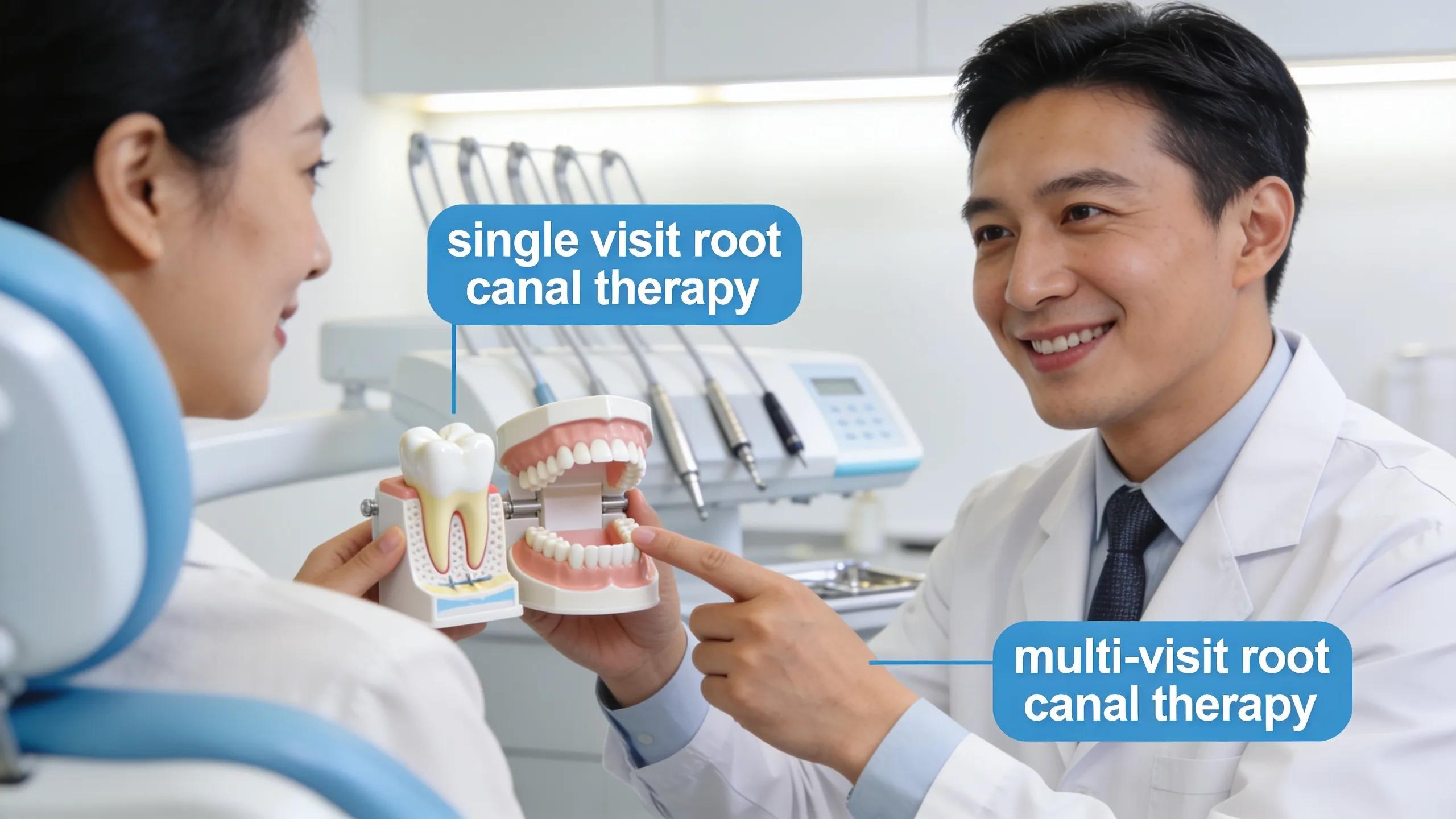
Root canals are procedures that save infected or damaged teeth. The main options are single-visit therapy, multi-visit therapy, and retreatment when previous treatment fails.
- Single Visit Root Canal Therapy: This method allows patients to complete their treatment in one appointment, streamlining the process and reducing multiple visits.
- Multi-Visit Root Canal Therapy: For more complex cases, this approach may require two or more visits, allowing for thorough cleaning and shaping of the tooth structure.
- Retreatment Options: Sometimes, an initial root canal may fail, and retreatment becomes necessary to save the affected tooth using advanced techniques.
Which option is right depends on the tooth’s condition, your overall health, and a discussion with your dentist.
How Does a Root Canal Procedure Improve Dental Health?
A root canal removes infection from inside the tooth, seals it, and prevents abscesses or further tooth loss. It usually eases pain and preserves the natural tooth, which helps keep surrounding teeth from shifting and supports long-term oral health.
What Pain Management Techniques Enhance Comfort During Root Canals?
Dentists use several methods to keep you comfortable during a root canal:
- Local Anesthesia: This is the most common method; anesthetics are administered to numb the area around the tooth, ensuring minimal discomfort throughout the procedure.
- Sedation Options: Some patients may benefit from sedation dentistry, which can help manage anxiety and increase comfort levels during the procedure.
- Calming Environment Strategies: Creating a relaxing atmosphere with soothing music and visual aids can significantly reduce patient anxiety, making the treatment experience more pleasant.
These methods aim to make root canals as comfortable and low-stress as possible.
How Can Dental Patients Secure Emergency Same Day Appointments?
In an emergency, act quickly and follow these steps to secure a same-day appointment:
- Immediate Call: Contact the dental provider immediately upon recognizing a dental emergency. Many clinics reserve time for urgent cases.
- Describe Symptoms Clearly: Clearly articulate the symptoms and the nature of the emergency to the receptionist to facilitate appropriate response plans.
- Follow Instructions: Depending on the situation, patients may receive instructions on how to manage pain or care for the affected area until they can receive treatment.
Acting promptly and communicating clearly helps clinics prioritise urgent cases and get you seen sooner.
What Is the Step-by-Step Process to Schedule an Emergency Dental Appointment?
Scheduling is usually straightforward if you follow these steps:
- Identify Symptoms: Recognize symptoms that require immediate attention, such as severe tooth pain, swelling, or trauma.
- Gather Necessary Information: Before making the call, gather your insurance details, patient history, and any relevant health conditions to expedite the process.
- Communicate with the Dental Office: Clearly explain your situation when calling the dental office. This helps staff prioritize your appointment based on urgency.
Doing this helps speed the process and ensures you get timely care.
Which Dental Emergencies Require Immediate Endodontic Care?
Several dental emergencies necessitate immediate endodontic care, including:
- Severe Tooth Pain: Often indicating an underlying infection or decay requiring urgent assessment.
- Dental Abscess: This is a pocket of infection that forms at the root of a tooth, necessitating immediate treatment to prevent further complications.
- Fractured or Chipped Teeth: These injuries may expose the inner tooth structure and require prompt action to salvage the tooth.
Spotting these signs and seeking immediate care can prevent more serious dental problems.
What Is the Recommended Process for Referring a Dental Patient to an Endodontist?
When a general dentist identifies the need for specialized treatment, the referral process generally involves:
- Assessment of the Case: The general dentist evaluates the condition and determines if an endodontist’s expertise is necessary.
- Patient Consultation: The referring dentist discusses the findings and reasons for the referral with the patient to obtain consent and explain the next steps.
- Coordinating Care: The referral can be made in-house or through established networks, ensuring seamless transition and communication between care providers.
Knowing the referral steps makes the transition smoother for patients and keeps care coordinated.
How Can Dental Patients Manage Anxiety During Endodontic Treatments?

Reducing anxiety makes treatment easier. Patients can try several practical strategies to feel calmer before and during procedures:
- Open Communication: Discuss concerns and anxieties with the dentist prior to the appointment. This dialogue helps the dentist tailor approaches to each patient’s needs.
- Relaxation Techniques: Implementing deep breathing exercises or visualizing calming scenes can help alleviate stress during procedures.
- Sedation Options: Considering sedation can provide significant relief for anxious patients during endodontic treatments.
These steps help patients feel more in control and reduce overall anxiety during care.
What Techniques Are Effective for Reducing Dental Anxiety?
Effective techniques for managing dental anxiety typically include:
- Preparation and Information: Understanding what to expect during the treatment can significantly reduce fear. Dental professionals should explain procedures in detail.
- Comfort Aids: Using headphones or stress balls can distract and comfort patients during treatment.
- Support Systems: Bringing a supportive friend or family member to appointments can also provide emotional backing.
Using these proactive measures usually leads to a more positive visit.
How Does Anodyne Endodontics Support Patients with Dental Anxiety?
Anodyne Endodontics understands dental anxiety and offers tailored sedation options to keep patients comfortable. They provide a cozy environment and empathetic staff trained to address worries. Staff maintain open communication throughout treatment to build trust. These measures create a supportive atmosphere for patients.
How Do Dental Insurance Policies Affect Treatment Access for Dental Patients?
Dental insurance affects access to treatment, so it helps to know your policy details. Many plans cover preventive care but may limit endodontic benefits. Understanding co-pays, deductibles, and coverage limits lets patients plan for root canal costs more effectively.
What Dental Insurance Coverage Options Are Available for Endodontic Care?
Dental insurance plans typically offer a variety of coverage options for endodontic care. Key points to consider include:
- Type of Coverage: Some plans fully cover routine root canals, while others may require co-payments or percentages from the total cost.
- Out-of-Pocket Expenses: Most patients should be prepared for potential out-of-pocket expenses that may not be fully covered, including treatments like retreatments or complex procedures.
- Benefit Maximization: Understanding how to maximize benefits, such as timely visits and utilizing in-network providers, can help reduce overall costs.
Knowing your benefits helps you plan treatment and manage expected costs.
How Can Patients Prepare for Insurance and Payment During Consultation?
Preparing for consultations about insurance and payment can significantly enhance the experience. Patients are encouraged to:
- Gather Necessary Information: Collect their insurance cards, personal identification, and any previous dental records.
- List Questions: Prepare questions relating to coverage specifics, expected out-of-pocket costs, and payment plans offered by the office.
- Financial Planning: Begin discussing any anticipated financial obligations early to ensure clarity in treatment decisions.
Being prepared makes conversations smoother and helps you make clearer treatment and payment decisions.
Frequently Asked Questions
What should I expect during a root canal procedure?
Expect an anesthetic to numb the area. The dentist will remove infected or damaged pulp, clean and shape the inside of the tooth, then seal it to stop further infection. You may feel pressure but usually not pain. A follow-up restoration, like a crown, often protects the tooth.
How can I tell if I need a root canal?
Watch for persistent tooth pain, lingering sensitivity to hot or cold, tooth discoloration, or swollen gums. You might also notice recurring pimple-like bumps on the gums. If you have these signs, schedule a dental exam to diagnose and treat the issue before it worsens.
What are the risks associated with root canal treatments?
Root canals are generally safe and successful, but risks include ongoing infection, nerve damage, or incomplete cleaning that may require retreatment. There’s also a small risk of the treated tooth fracturing if it isn’t properly restored. Discuss risks with your dentist to understand how to reduce them.
How long does recovery take after a root canal?
Recovery varies but often takes a few days to a week. Many patients feel immediate relief after the tooth is sealed. Mild swelling or soreness can occur and is usually managed with over-the-counter pain relievers. Follow your dentist’s follow-up instructions for a smooth recovery.
Can I eat or drink after a root canal?
Wait until the anesthetic wears off before eating to avoid biting your cheek or tongue. Stick to soft foods for the first few days—yogurt, applesauce, and soups work well. Avoid hard, crunchy, or sticky foods until the tooth is fully restored with a crown or filling.
Are root canals painful?
Modern anesthesia and techniques make root canals much more comfortable than their reputation suggests. Most patients feel little to no pain during the procedure. Discomfort usually stems from the tooth before treatment or mild soreness afterward, which OTC medication typically controls. Tell your dentist about any pain concerns beforehand.
What should I do if I have a dental emergency after hours?
Call your dentist’s office even if it’s closed; many practices have after-hours protocols and can give instructions. If you can’t reach your provider, visit the nearest urgent care or emergency room. Be ready to describe your symptoms and bring any medical or dental records you have.
Conclusion
Knowing how root canal care works, how to handle anxiety and emergencies, and how insurance affects treatment helps you make informed choices. Consult your dentist for personalized guidance, and explore our resources to learn more about keeping your oral health at its best.