Comprehensive Dental Office Services: Emergency Root Canals, Referrals, and Same Day Appointments for Patients and Dentists

Comprehensive Dental Office Services: Emergency Root Canals, Referrals, and Same Day Appointments for Patients and Dentists
By Zainab Aziz, Anodyne Endodontics
Oral health affects overall well-being, and timely treatment can change the outcome in a dental emergency. This article outlines the services dental offices provide—emergency root canals, patient referrals, and same-day appointments—and explains what qualifies as an emergency and how to handle urgent situations. It also describes how Anodyne Endodontics supports patients and general dentists to ensure seamless access to care.
Key Takeaways
- Emergency root canals address severe tooth pain and infection to prevent further dental complications effectively.
- Recognizing symptoms like intense toothache, swelling, and sensitivity is crucial for timely emergency dental care.
- Patient referrals to endodontic specialists improve treatment outcomes through targeted and advanced dental care.
- General dentists facilitate referrals by communicating patient history and symptoms clearly to specialists.
- Scheduling same-day dental appointments requires prompt contact with the office and clear symptom description.
- Emergency dental visits include thorough examinations, imaging, and tailored treatment plans for urgent conditions.
- Root canal treatment preserves natural teeth, relieves pain, and has high success rates between 86% and 98%.
- Specialized dental offices offer emergency services like root canals, extractions, and trauma repair for urgent needs.
- Factors influencing root canal costs include case complexity, tooth location, additional treatments, and insurance coverage.
Emergency Root Canals
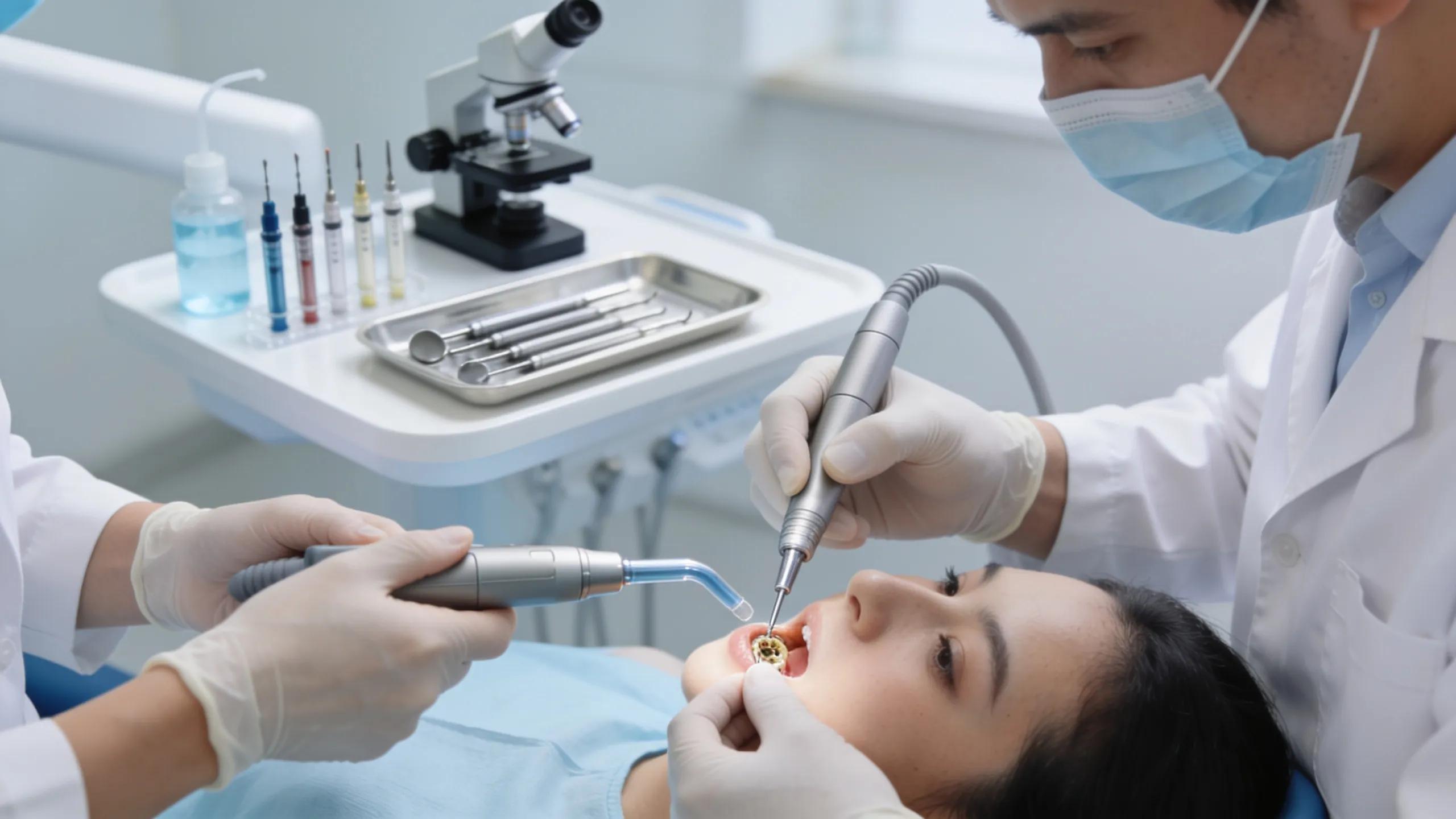
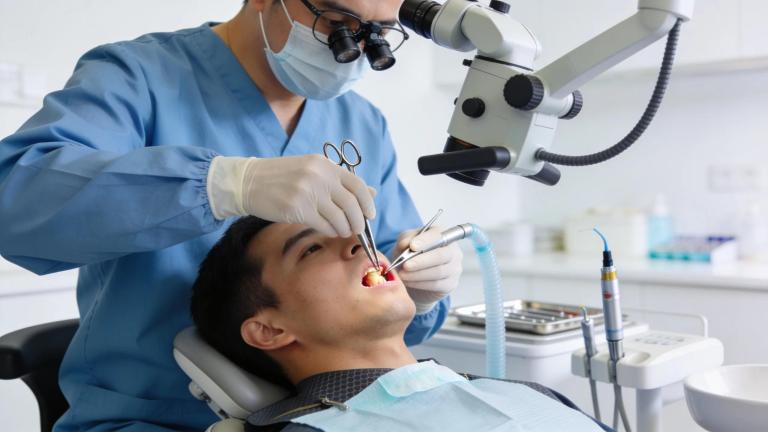
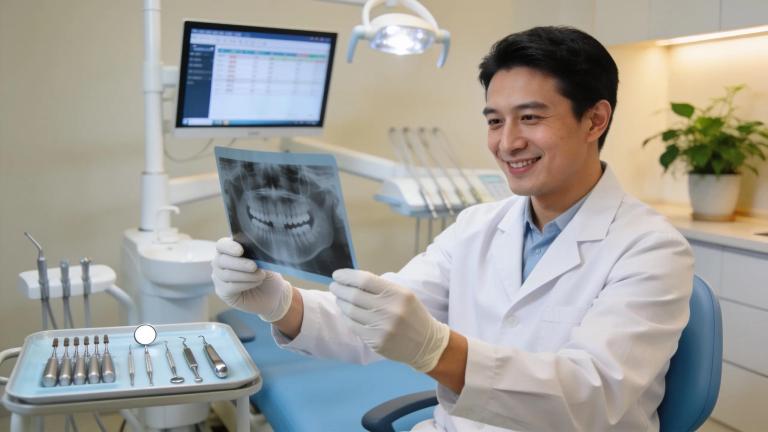
Emergency root canals treat inflamed or infected tooth pulp and require prompt care to avoid worse complications. Symptoms—severe toothache, sensitivity to hot or cold, and swelling—should trigger immediate evaluation. Endodontic specialists use targeted diagnostics and advanced technology to confirm the need for treatment; same-day intervention helps preserve tooth structure and stop pain.
Prioritizing emergency root canal treatment helps dental offices relieve pain and prevent further complications for patients.
Patient Referrals

Referrals are key when a general dentist determines specialised care is needed. Sending patients to an endodontic practice like Anodyne Endodontics provides focused treatment that can improve outcomes, increase patient satisfaction, and streamline care.
To refer effectively, general dentists should share the patient’s dental history and current needs with the specialist. Case complexity, urgency, and local specialist availability shape referral decisions. Clear communication supports collaboration and prioritizes the patient’s outcome.
How do general dentists refer patients to an endodontic specialist?
Referrals are simple but impactful: the dentist assesses the condition, confirms the need for specialist care, then contacts the specialist with key details—symptoms, prior treatments, and current status. Using referral forms keeps communication clear and speeds the transition.
What are the benefits of using an endodontist?
Endodontists focus on diseases of the dental pulp and surrounding tissues and offer clear advantages. They have advanced training in root canal therapy, which improves success rates. Their experience helps manage complex cases that need precise intervention, and their specialized equipment and techniques can reduce recovery time for patients.
Scheduling Same-Day Appointments
When a dental emergency occurs, you need a same-day appointment quickly. Identify the issue—severe pain, swelling, or trauma—and call the dental office. Describe your symptoms and how urgent they feel so staff can triage the case.
Office staff will assess the situation and fit you into the next available slot. Availability and cancellation policies vary by practice, but acting quickly often leads to faster care and fewer complications.
What should patients expect during an emergency visit?
Expect a focused examination and, if needed, imaging to assess the problem. The endodontist will review your symptoms and recommend a course of action, which may include root canal therapy or another urgent procedure. They will also explain pain management and recovery expectations.
What are the factors that influence the root canal treatment cost at a dental office?
Cost depends on case complexity, which tooth is involved, and whether you need additional work such as crowns or restorations. Location and your dental insurance coverage also affect the final cost. Discuss likely expenses with the office before treatment so you understand your financial obligations.
How can you schedule a same day dental appointment for emergencies?
To schedule a same-day emergency appointment, call the dental office and explain your situation. Give concise symptom details to help staff triage, and have insurance information and a list of medications ready to speed check-in.
Arrive on time for your confirmed appointment so staff can evaluate and treat you promptly. Following these steps helps ensure timely care during a dental emergency.
What is the process for same day emergency dental scheduling?
Same-day scheduling relies on clear communication and quick action. Confirm that your situation meets emergency criteria—severe pain, swelling, or trauma—and contact the office without delay.
Staff will ask about symptoms and urgency; if they confirm an emergency, they’ll book the earliest available slot. Follow-up care and post-appointment instructions are part of the plan to support a complete recovery.
Which dental emergencies qualify for same day treatment?
Not every dental issue needs same-day care, but several conditions warrant immediate attention. Common emergencies include severe tooth pain, swelling from possible infection, and trauma such as injured or knocked-out teeth.
- Severe Tooth Pain: Often indicates an underlying issue that requires urgent care.
- Swelling: Can be a sign of infection or abscesses that need to be addressed promptly.
- Trauma: Injured or knocked-out teeth often require immediate intervention to maximize the likelihood of preserving the tooth.
Recognizing these signs helps you get the care you need quickly.
What should patients expect during a root canal treatment at a dental office?
During a root canal you’ll receive local anesthesia to numb the area. The endodontist creates an access point, removes infected or damaged tissue, and cleans and disinfects the canals thoroughly.
After treatment the tooth is sealed and may receive a crown to restore function. Your provider will give pain-management and care instructions to support a smooth recovery.
How does an endodontic specialist perform root canal therapy?
Endodontists use advanced techniques and technology. The process starts with diagnostics and anesthesia to ensure comfort, then precision instruments remove infected pulp and clean the root canals.
Advanced imaging helps identify all canal branches and improves success rates. After cleaning and shaping, canals are sealed with a biocompatible material to minimise postoperative complications.
What are the benefits and success rates of root canal treatments?
Root canal treatment preserves the natural tooth and relieves pain. Key benefits include:
- Pain Relief: Immediate reduction in discomfort once the infected pulp is removed.
- Tooth Preservation: Maintains the integrity of natural teeth, preventing the need for extraction.
- High Success Rates: Success rates of root canals are reported to be 86% to 98%, showcasing their efficacy as a treatment option.
These benefits underline why root canal therapy matters for maintaining dental health.
Which emergency dental services are available near me through a specialized dental office?
Specialized practices like Anodyne Endodontics provide urgent treatment options tailored to immediate needs. Common services include:
- Emergency Root Canals: Quick intervention to relieve pain and save the tooth.
- Tooth Extractions: Removal of teeth that cannot be saved.
- Trauma Repair: Treatment for teeth that have been chipped, cracked, or displaced.
Getting these services quickly can prevent further complications and improve patient outcomes.
Frequently Asked Questions
What should I do if I suspect a dental emergency?
If you suspect a dental emergency, stay calm and check for signs like severe pain, swelling, or trauma. Call your dental office right away and explain the problem; they will advise whether you need an emergency appointment. Acting fast can improve your treatment options and outcome.
How can I prevent dental emergencies?
Prevent dental emergencies by brushing twice daily, flossing, and keeping regular dental check-ups. Don’t use your teeth as tools, and wear a mouthguard for sports to reduce risk of injury. Routine care catches issues before they become urgent.
What kinds of injuries can a dentist treat during an emergency visit?
Dentists can treat fractures, dislocations, knocked-out teeth, deep cuts, and severe toothaches from abscesses or decay. Quick treatment gives the best chance of saving teeth and easing pain, so seek help promptly for these injuries.
Can I eat or drink before my dental emergency visit?
Avoid eating or drinking before an emergency visit if you may need sedation or anesthesia, as a full stomach can complicate treatment. Contact your dental office for specific guidance based on your situation.
What follow-up care is needed after an emergency dental treatment?
After emergency treatment, monitor the area for signs of infection or problems and follow your dentist’s instructions on pain control, diet, and activity. Attend any recommended follow-up appointments—especially after root canals or extractions—to ensure proper healing.
What are some common misconceptions about dental emergencies?
Not all tooth pain requires immediate emergency care. While severe pain often signals urgency, some issues can wait for a regular appointment. Also, emergencies include infections and abscesses as well as trauma. Knowing the signs helps you seek help when it’s truly needed.
Conclusion
Timely access to emergency root canals and same-day appointments protects oral health and helps prevent complications. These services relieve severe pain and support long-term wellness through prompt, specialized care. If you face a dental emergency, seek help quickly from experienced professionals and explore our network of dental offices to find care when it matters most!