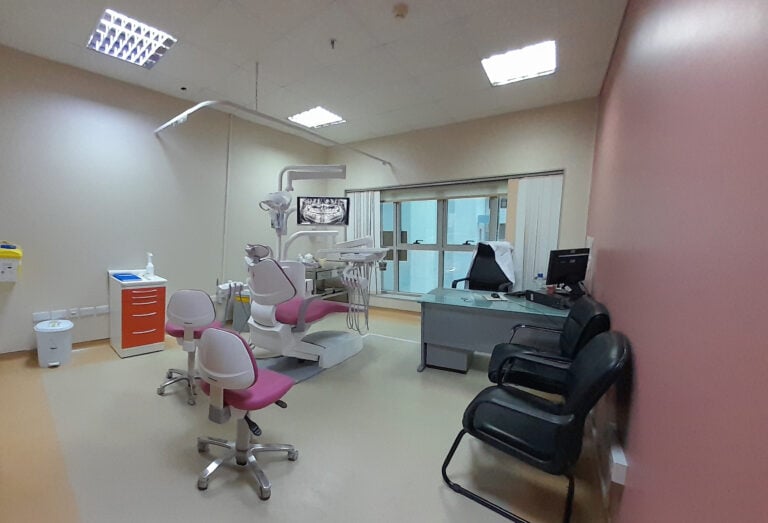
Comprehensive Dental Surgery Services: Expert Care for Procedures, Recovery, and Referrals

Comprehensive Dental Surgery Services: Expert Care for Procedures, Recovery, and Referrals
By Zainab Aziz, Anodyne Endodontics
Dental surgery diagnoses and treats oral problems with procedures such as root canals and wisdom-tooth removal, all aimed at restoring function and health. Knowing how procedures work, what recovery looks like, and the possible risks helps reduce patient anxiety. This article outlines key procedures, what to expect during and after treatment, emergency options, and how to move into specialised care with support from professionals like Anodyne Endodontics.
Key Takeaways
- Dental surgery includes procedures like root canal therapy, wisdom teeth removal, and endodontic retreatment to restore oral health.
- Root canal therapy removes infected dental pulp to relieve pain and preserve the natural tooth’s function.
- Endodontic retreatment addresses persistent symptoms by cleaning and refilling previously treated root canals.
- Wisdom teeth removal involves surgical extraction to prevent overcrowding and is followed by a recovery period of about one week.
- Effective recovery after dental surgery requires pain management, diet modification, proper oral hygiene, and follow-up visits.
- Emergency dental surgery services are essential for traumatic injuries, severe pain, or infections requiring immediate professional care.
- Same-day emergency appointments can be scheduled by contacting specialized providers like Anodyne Endodontics promptly.
- Collaboration between general dentists and endodontic specialists ensures coordinated care and improved patient outcomes.
- Specialized dental surgery procedures are managed through referrals to provide targeted and effective treatment plans.
What Are the Key Dental Surgery Procedures Offered?
Dental surgery covers procedures for specific oral issues. The most common are root canal therapy, wisdom teeth removal, and endodontic retreatment. Each procedure helps relieve pain, preserve teeth, and improve oral health.
Root Canal Therapy
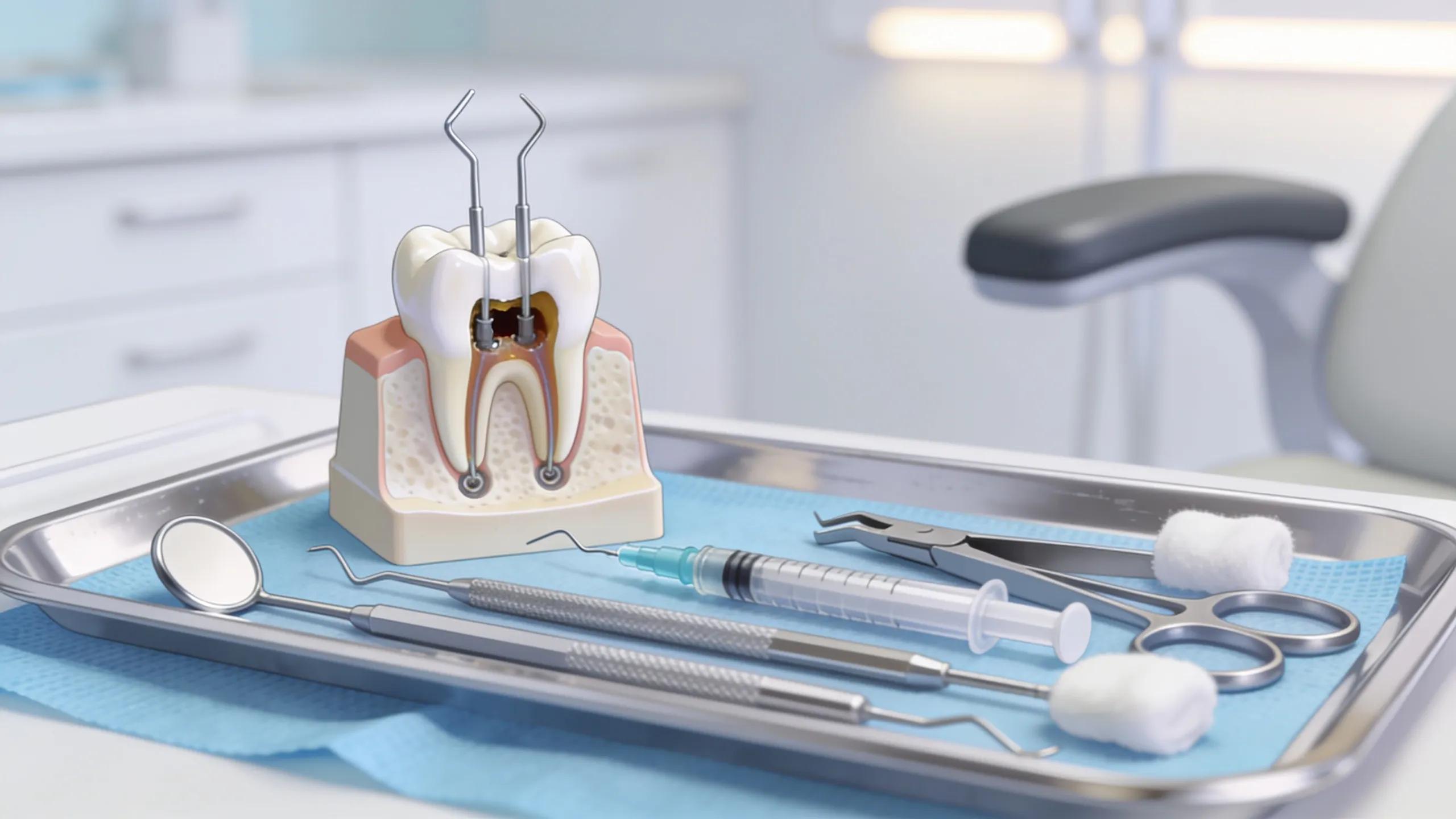
Root canal therapy treats infected or inflamed dental pulp by removing damaged tissue to stop infection and relieve pain. The typical steps are examination, local anaesthesia, removal of infected pulp, and filling the canals with a biocompatible material. Patients usually feel significant relief and, with proper care, the tooth can remain functional for years. Recovery often takes a few days; follow your dental team’s aftercare instructions for best healing.
Endodontic Retreatment
Endodontic retreatment is needed when a previously treated tooth continues to cause discomfort or fails to heal. Signs include ongoing pain, swelling, or temperature sensitivity. The tooth is reopened, the old filling material removed, canals cleaned and refilled with new material. Success rates vary, but many patients regain comfort and function. Careful post-treatment monitoring and follow-up visits are important.
How Do Root Canal Treatments Restore Tooth Health?
Root canal treatment removes infected tissue and bacteria, preventing spread to surrounding areas. After removing the pulp, the tooth is sealed to stop reinfection and preserve structural integrity. The procedure relieves pain and saves the natural tooth, supporting dental function and appearance. In effect, root canal therapy aims to preserve teeth and maintain overall oral health.
What Should Patients Expect from Wisdom Teeth Removal?

Wisdom teeth removal is recommended when there isn’t enough space for late-erupting molars. The process starts with an exam and imaging to check tooth position. During extraction, anaesthesia ensures comfort while the surgeon removes the teeth with care to minimise complications. Expect some swelling and discomfort that usually improves within a week; follow aftercare instructions to manage pain and speed recovery.
How Is Recovery Managed After Dental Surgery Procedures?
Recovery focuses on strategies that support healing and reduce complications:
- Pain Management: Utilize prescribed pain relief medication as needed to manage discomfort.
- Diet Modification: Stick to soft foods and maintain hydration, avoiding anything that might stress the surgical site.
- Oral Hygiene: Maintain oral hygiene while being gentle around the affected area, following your dentist’s guidance.
- Follow-Up Appointments: Attend all follow-up visits to monitor healing and address any concerns.
Following these steps improves recovery outcomes and lowers the risk of complications.
What Are Common Wisdom Teeth Extraction Recovery Timelines?
Recovery timelines vary, but many patients follow this general schedule:
Most people can return to their normal routines within a week, though individual recovery times differ.
When and How to Access Emergency Dental Surgery Services?
Dental emergencies—such as traumatic injuries, severe pain, or infections—require prompt professional assessment. Immediate steps for care include:
- Assessment: Evaluate symptoms to determine urgency.
- Contact: Reach out to your dentist or emergency dental services.
- Documentation: Keep records of symptoms and any treatments applied pre-appointment.
For urgent needs, Anodyne Endodontics provides same-day emergency appointments to address pressing dental issues quickly and effectively.
How Can Patients Schedule Same Day Emergency Appointments?
To schedule a same-day emergency appointment, follow these steps:
- Contact: Call Anodyne Endodontics at (659) 266-3963 to discuss your symptoms.
- Information: Provide your contact details and a brief description of the issue.
- Availability: Discuss available time slots and book your appointment as soon as possible.
Acting quickly improves outcomes and helps you get care without delay. For urgent situations, understanding
is important.
How Do Referring Dentists Collaborate with Endodontic Specialists?
General dentists and endodontic specialists work together to deliver coordinated care. The referral process typically includes:
- Initial Assessment: General dentists evaluate patients and identify the need for specialized treatment.
- Coordination: Dentists communicate the patient’s needs and share relevant medical histories.
- Continuity of Care: Post-treatment, specialists send detailed reports back to the general dentist, ensuring cohesive follow-up.
This teamwork improves patient satisfaction and treatment outcomes by ensuring all aspects of care are addressed. Managing specialized dental surgery procedures helps ensure patients receive targeted, effective treatment plans.
Frequently Asked Questions
What types of anesthesia are used during dental surgeries?
Anesthesia depends on the procedure and the patient’s needs. Common options include local anaesthesia to numb the area, sedation to help patients relax during longer procedures, and general anaesthesia for more complex surgeries. Discuss the best option with your dentist before surgery to ensure safety and comfort.
What should I do if I experience complications after dental surgery?
If you have excessive bleeding, severe pain, fever, or swelling after surgery, contact your dentist immediately. They will advise next steps, which may include a follow-up appointment to assess the issue. Monitor any unusual symptoms and seek help without delay.
How can I prepare for a dental surgery appointment?
Prepare by arranging a ride home if sedation will be used, following any fasting or dietary instructions, and bringing your medical history and current medication details. Tell your dentist about allergies, wear comfortable clothing, and arrive early to ensure a smooth visit.
Are there any special instructions after wisdom teeth removal?
After wisdom teeth removal, avoid hard or crunchy foods, use ice packs to reduce swelling, and take prescribed medications as directed. Keep the surgical area clean but avoid vigorous rinsing and spitting for the first 24 hours. Follow your dentist’s aftercare guidance to help prevent infection and support healing.
What should I expect during a follow-up appointment after dental surgery?
At a follow-up appointment, your dentist will check healing, look for complications, and may take X-rays or examine the surgical site. This is a good time to raise any concerns about pain, recovery, or future care.
How long does it take to recover from a root canal treatment?
Recovery from a root canal usually takes a few days. Mild discomfort and swelling are common and can be managed with over-the-counter pain relief. Most people return to normal activities soon after the procedure; if pain persists or worsens, schedule a follow-up appointment.
Conclusion
Dental surgery, including root canal therapy and wisdom teeth removal, restores oral health and relieves pain. Knowing what to expect from procedures and recovery builds confidence and supports better outcomes. For personalised care and to learn about specialised services, contact Anodyne Endodontics to start an expert consultation.