Complete Guide to Dentist-Performed Root Canals: Procedures, Emergencies, and Recovery

Complete Guide to Dentist-Performed Root Canals: Procedures, Emergencies, and Recovery
By Zainab Aziz, Anodyne Endodontics
Root canal treatment is essential for controlling dental pain and protecting your tooth. It stops toothache caused by infection in the pulp. This guide explains how root canals work, what to expect during the procedure, and how recovery and emergencies are handled. With clear information, you can make confident choices to save your natural tooth and relieve discomfort.
This article covers the root canal overview, the treatment steps, emergency signs, recovery, final restoration, and possible complications. It gives straightforward, actionable information so you know what to expect and how to care for your tooth after treatment.
Key Takeaways
- Root canal treatment removes infected tooth pulp to relieve pain and preserve natural teeth effectively.
- The procedure involves anesthesia, pulp removal, cleaning, shaping, sealing, and often a final dental crown restoration.
- Timely root canal treatment prevents infections, tooth extractions, and maintains oral functionality and aesthetics.
- Emergency signs include severe pain, swelling, gum abscess, and difficulty opening the mouth requiring urgent dental care.
- Recovery requires rest, a soft-food diet, and monitoring symptoms to ensure proper healing after the procedure.
- Final restoration with a dental crown protects the treated tooth from fractures and reinfection.
- Persistent pain, fever, swelling, or tooth discoloration after treatment may indicate complications needing dental evaluation.
- Regular dental visits after root canal and restoration help maintain long-term oral health and tooth function.
Comprehensive Guide on Dentist-Performed Root Canals
A root canal treats inflammation or infection of the pulp—the nerves, blood vessels, and connective tissue inside a tooth. The procedure relieves pain and restores the tooth’s health so you can keep the natural tooth. Dentists or endodontists trained in internal tooth issues perform this treatment.
Timely root canal care eases persistent pain, clears infection, and can prevent extraction. Keeping your natural tooth supports chewing, speech and appearance. Knowing the process helps you make informed decisions when treatment is needed.
Overview of Root Canal Treatment
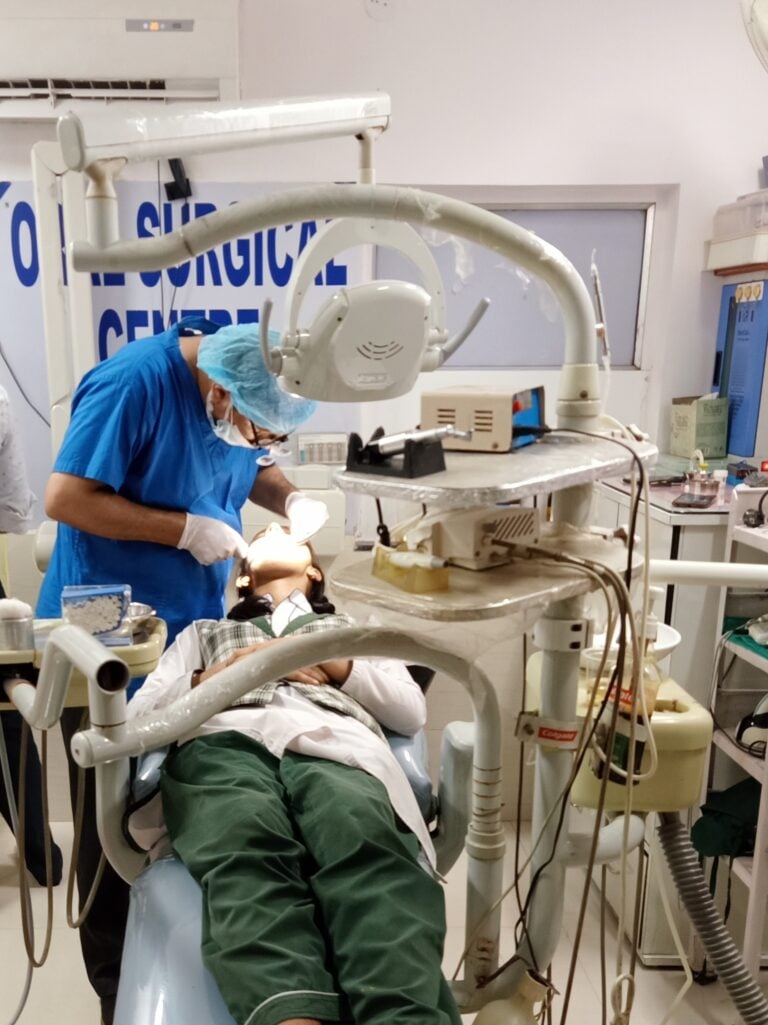
Root canal treatment follows key steps to remove infected tissue and preserve the tooth. The dentist starts with diagnostic imaging like X-rays to check damage and infection. After a confirmed diagnosis, local anesthesia is given to keep you comfortable.
The dentist opens the crown to reach the pulp chamber, removes infected or damaged pulp, then cleans, shapes and disinfects the canals. The tooth is sealed with a filling to block future contamination. Many patients feel noticeable pain relief after the procedure.
Procedure Steps
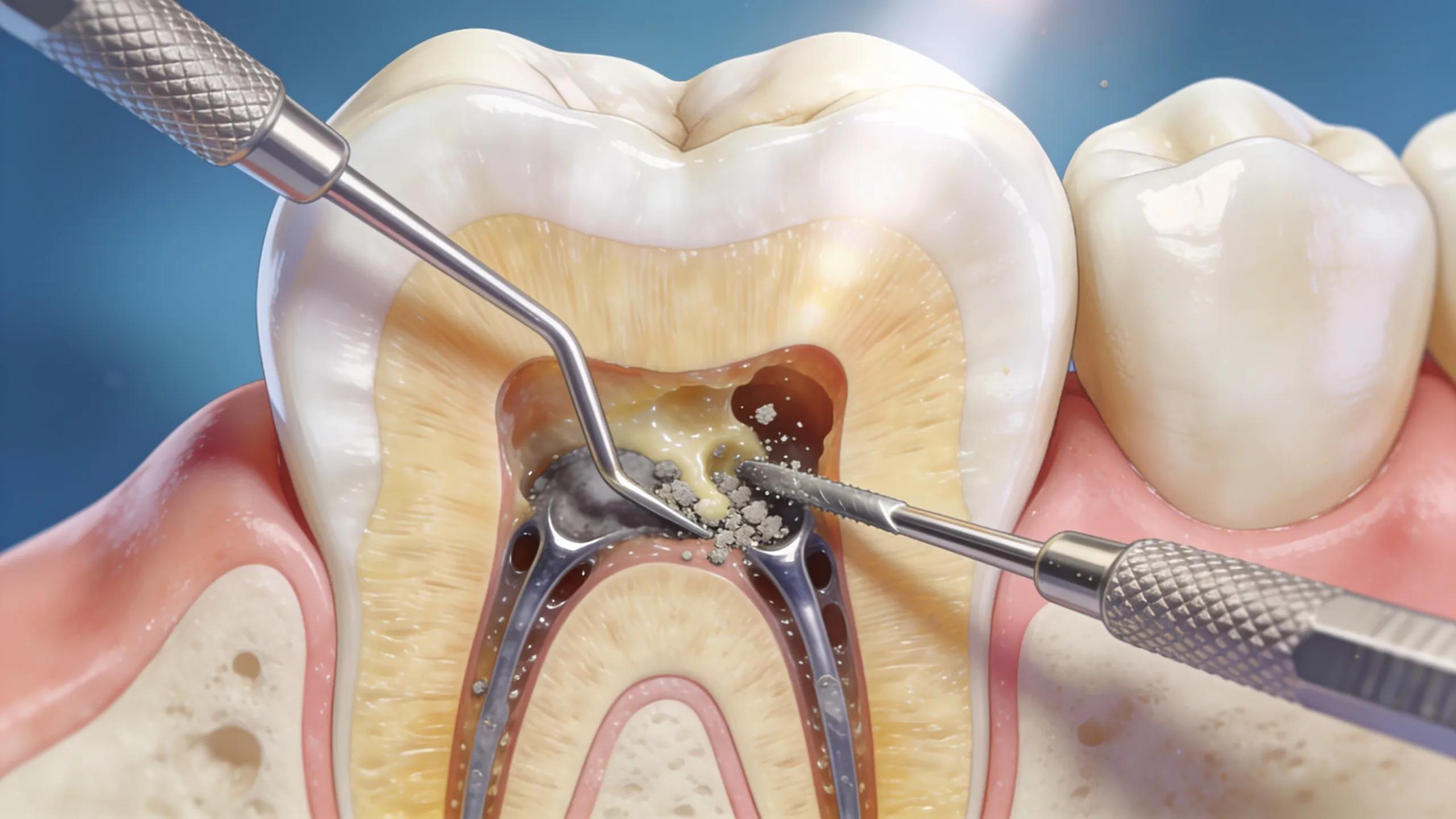
- Preparation and Anesthesia: The dentist reviews your medical history before administering local anesthesia to numb the affected tooth and surrounding area.
- Accessing the Pulp: A small opening is created in the crown to allow access to the pulp chamber and root canals.
- Cleaning and Shaping: The dentist removes infected pulp, cleans, and shapes the interior to ensure it is free of bacteria.
- Sealing the Tooth: After cleaning, the tooth is filled with a biocompatible material, often gutta-percha, to seal the space and prevent future infection.
- Final Restoration: Depending on the tooth’s condition, a dental crown may be placed to restore the tooth’s shape and function.
These steps treat the tooth while preserving its structure, which supports long-term dental health.
Emergency Situations
Some root-canal–related emergencies need prompt attention. Watch for these common warning signs:
- Severe Pain or Swelling: This may indicate an infection or complication that needs urgent care.
- Inability to Open Mouth: Difficulty in mouth opening could signal an underlying serious issue requiring prompt evaluation.
- Gum Abscess: Pus or swelling near the gum indicates infection that must be treated immediately.
If pain becomes unbearable or swelling spreads, seek emergency dental care. An endodontist can often offer same-day appointments for urgent situations to ensure timely treatment.
Recovery Process

You may have some tenderness after the procedure, usually lasting a few days and manageable with over-the-counter pain relievers. Follow these points to support recovery:
- Rest: Limit strenuous activities for the first few days to facilitate healing.
- Dietary Considerations: Stick to soft foods and avoid chewing with the affected tooth until it has fully healed.
- Symptoms Monitoring: Keep an eye on any unusual symptoms, such as increased pain or swelling, and contact your dentist if they occur.
Following these steps helps recovery and protects the long-term success of the treated tooth.
Importance of Final Restoration
A final restoration—often a dental crown—is key to the treated tooth’s strength and function. It helps protect the tooth from fractures and reinfection. Skipping this step can raise the risk of further problems.
A crown also restores appearance and helps keep surrounding teeth aligned for proper biting and chewing. Talk with your dentist about the best restoration option for your needs.
Keep regular dental visits after treatment to monitor the health of the treated tooth and surrounding gums.
Signs of Complications
Know these warning signs after a root canal:
- Persistent Pain: While some discomfort is normal initially, severe pain lasting beyond a few days can indicate complications.
- Fever or Swelling: Unexpected fever or increasing swelling around the treated area requires immediate dental evaluation.
- Discoloration: Darkening of the treated tooth might suggest nerve problems or further issues that need addressing.
If you notice any of these symptoms, contact your dental provider promptly for evaluation and care.
Frequently Asked Questions
1. How long does a root canal take to complete?
A root canal usually takes 1 to 2 hours, depending on the tooth’s complexity and the level of infection. Front teeth often need less time than molars. Follow-up visits for restorations, like crowns, add extra appointments—discuss your timeline with your dentist.
2. Is a root canal painful?
Most patients feel little or no pain during the procedure because local anesthesia is used. You may have some soreness afterward, but over-the-counter pain relief typically manages it. Many people report significant relief from the pain that led them to treatment.
3. What are the alternatives to root canal treatment?
The main alternative to a root canal is tooth extraction. Extraction removes the source of infection but can cause alignment and function issues. You can replace a missing tooth with an implant or bridge, but those options require additional procedures and cost. Discuss pros and cons with your dentist.
4. Can I eat after a root canal?
Wait until the anesthesia wears off before eating to avoid biting your cheek or tongue. Once feeling returns, choose soft foods for a few days and avoid chewing with the treated tooth. Follow any specific dietary instructions from your dentist.
5. How can I prevent the need for future root canals?
Regular dental check-ups and good oral hygiene reduce the risk of infections that lead to root canals. Brush twice daily, floss every day, limit sugary foods, and treat cavities or gum disease early to avoid complications.
6. What is the success rate of root canal treatments?
Root canal treatments succeed in about 85% to 97% of cases. Success depends on infection severity, the clinician’s skill, and post-treatment care. Good aftercare and routine dental visits help improve outcomes and prolong the tooth’s life.
7. Will a root canal change the color of my tooth?
A treated tooth can darken over time, due to changes in the pulp or staining from treatment materials. If discoloration bothers you, cosmetic options like whitening or a crown can restore appearance—ask your dentist about suitable choices.
Conclusion
Root canal treatment relieves pain and preserves natural teeth, supporting long-term dental health and function. Timely treatment and proper aftercare help you recover well. Contact your dentist for personalized advice and treatment options, and keep regular check-ups to protect your smile and oral wellness.